










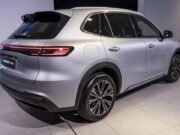

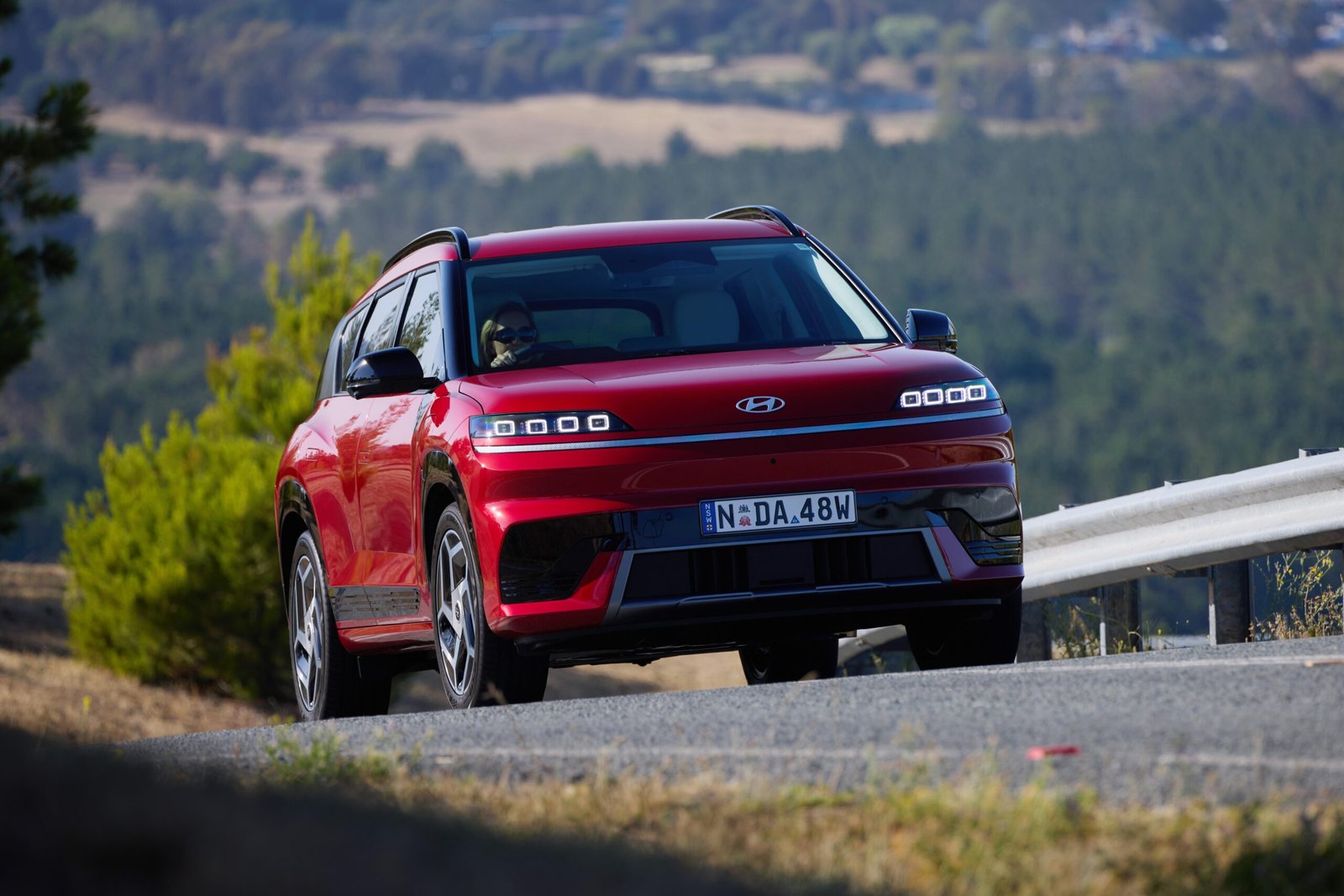
Hyundai Australia electric vehicle (EV) orders were up a staggering 355 per cent in March 2026 as motorists faced record petrol and diesel prices across the country.
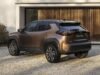
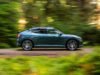
In a statement, Hyundai Australia said orders for its EV range – which includes the city-sized Inster, the small Kona Electric, the mid-size Ioniq 5, and the new mid-size Elexio SUV – had skyrocketed from 228 in February to 1037 last month.
EVs now make up 20 per cent of all Hyundai orders, compared to less than three per cent before March 2026.
It comes as Australian EV deliveries shot up 88.9 per cent year over year in March, to take a record 14.6 per cent market share.
CarExpert can save you thousands on a new car. Click here to get a great deal.
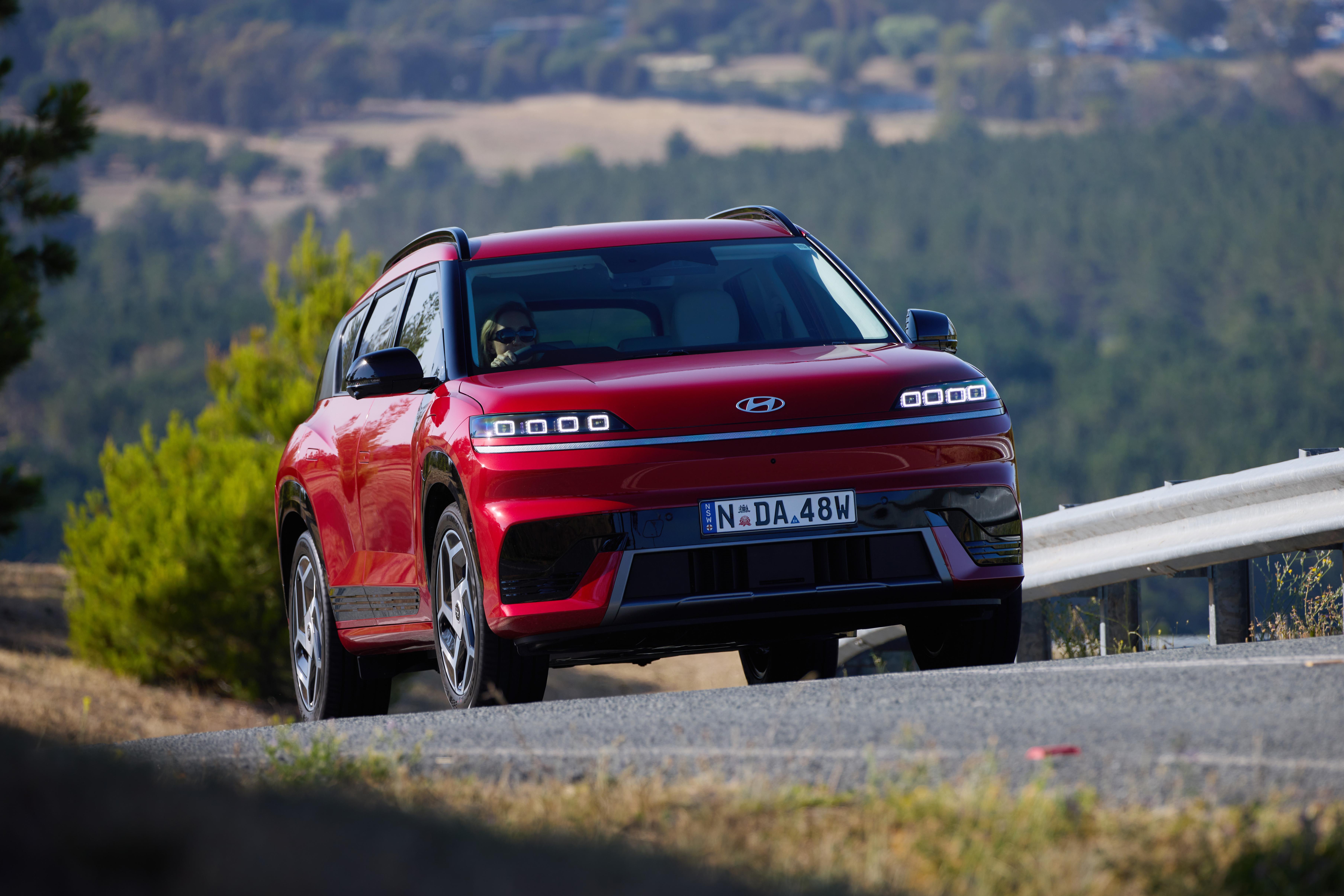
The spike in demand has seen Hyundai secure more stock for local dealers to ensure little-to-no waiting times for customers, with a spokesperson telling CarExpert shipments are taking less time to arrive due to strong factory support.
“We are planning for a 70 per cent increase in EV orders for the second quarter [April-June] over Q1 [January-March],” said Hyundai Motor Company Australia sales director David Rodda in a statement.
Hyundai says it has therefore secured a 158 per cent increase in supply of EVs for the second quarter, with 1265 Kona Electrics (up 315 per cent over Q1), 1180 Elexios (up 57 per cent), 255 Insters (up 204 per cent) and 150 Ioniq 5s (up 56 per cent).
Vehicles will start arriving in May, said Mr Rodda, adding, “We are confident in securing equally strong support from the factory for the rest of the year.”
The Kona Electric has been the brand’s best-selling EV in the first three months of the year with 366 sales, including 236 in March alone, although it still trails the 563 it had sold at the same point in 2025.
The Ioniq 6 – which has an updated model about to land in local showrooms – and the Ioniq 5 have posted lower year-to-date numbers, down 54.5 per cent and 61.4 per cent respectively.
The newly introduced Elexio wasn’t on sale last year, so its numbers can’t be objectively compared; likewise, only a handful of Insters were delivered in March 2025.
Hyundai’s push comes after BYD, which sells hybrid and EV models, tripled its usual shipment of vehicles to Australia with a 30,000-unit order to keep up with increasing demand to the end of June 2026.
BYD was sixth in sales in February behind Hyundai, but leapfrogged the Korean automaker to its highest-ever ranking of third in March, behind Toyota and second-placed Kia.
Like BYD, Hyundai also offers an extensive hybrid range, posting a 30 per cent increase in hybrid orders from February to March, with 57 per cent of March orders being hybrid models, which it said is its highest share yet.
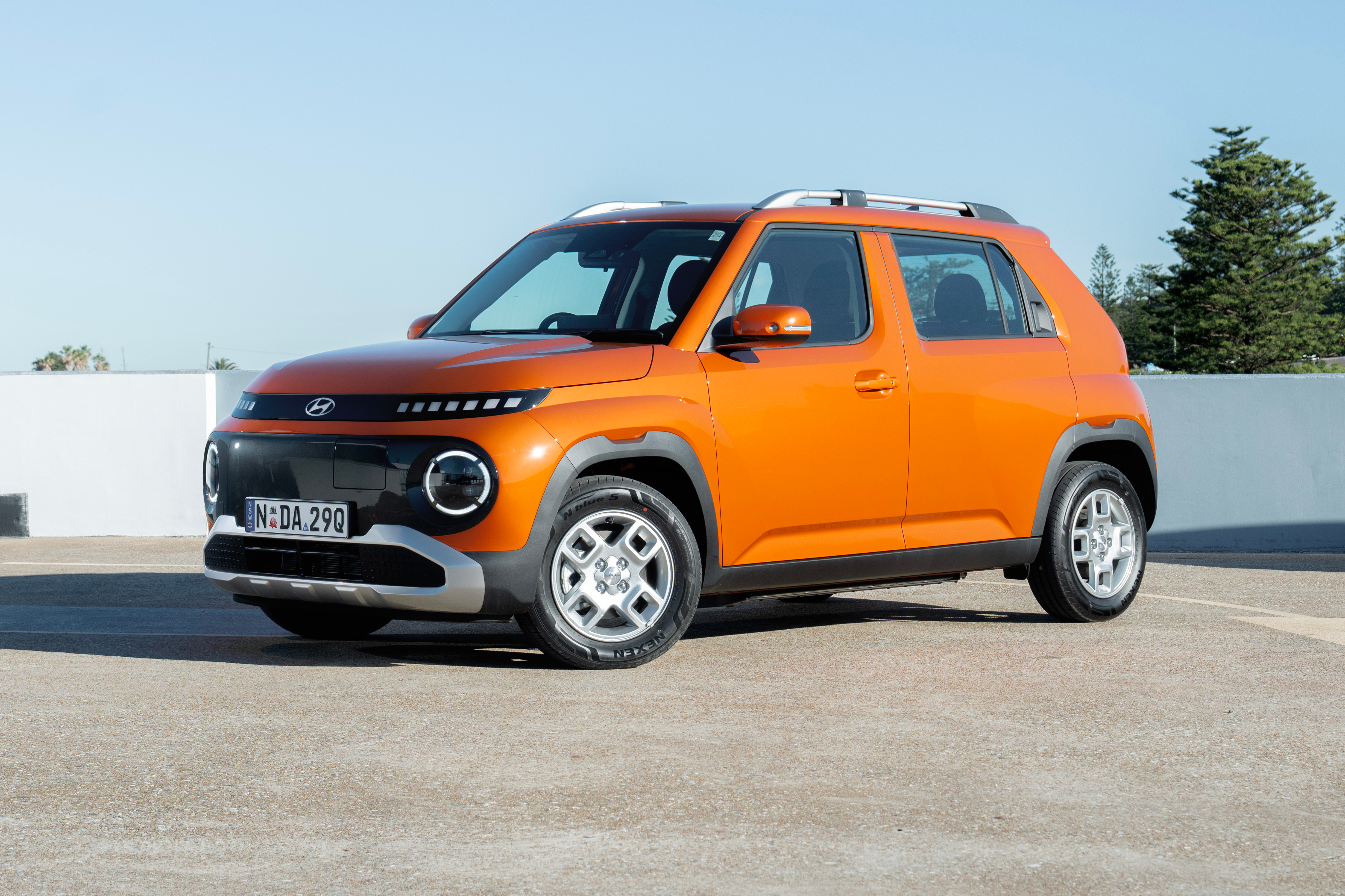
Both Kia and Hyundai sales overall were up 4.5 per cent year-to-date, with the brands sitting in third and fifth respectively.
In March, record petrol prices saw hybrid, plug-in hybrid and EV sales overtake those of petrol cars in Australia for the first time, with the Tesla Model Y the top-selling EV and third-most popular vehicle overall.
The predominantly diesel-powered Ford Ranger was still the best-seller in March, with Ford looking to counter rising fuel prices with a $4000 fuel card offer in April – and a $10,000 price cut for its Ranger PHEV (plug-in hybrid) – to avoid a potential dip in May.
MORE: Explore the Hyundai showroom