













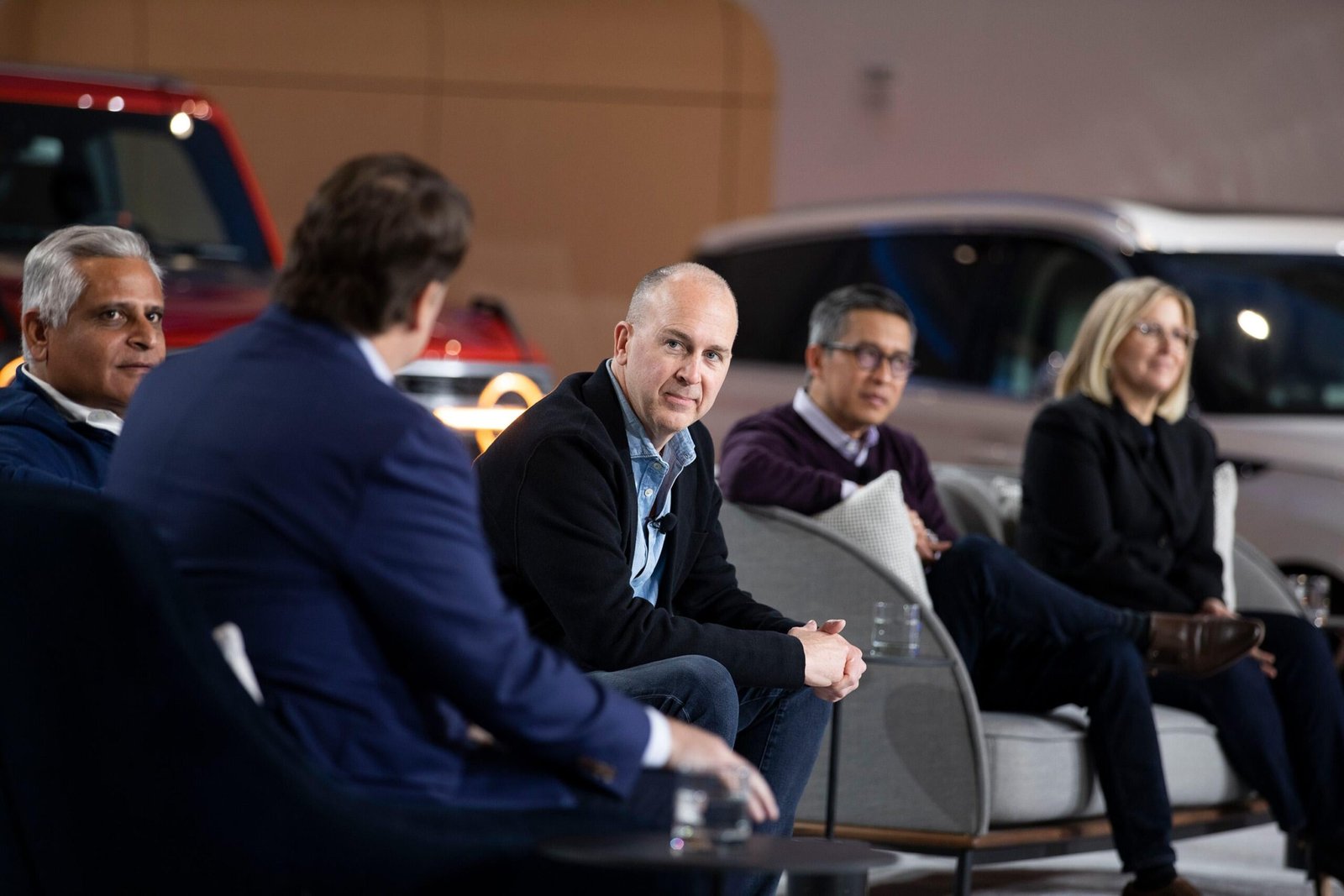
Tesla and Apple veteran Doug Field, who led Ford’s electric vehicle (EV) program, is leaving the company in May after almost five years in the role.
The American automaker announced on Wednesday Mr Field will leave his role as Chief EV, Digital and Design Officer, which he commenced in 2021.
“Doug has been an invaluable partner for me as CEO and helped Ford find its place in this new era of electric propulsion and software-defined vehicles,” said Ford president and CEO Jim Farley in a statement.
“He not only assembled a brilliant team from across industries but also elevated our culture by teaching first-principles thinking and instilling the discipline to question constraints and eliminate complexity. His influence will be felt for years to come.”
CarExpert can save you thousands on a new car. Click here to get a great deal.
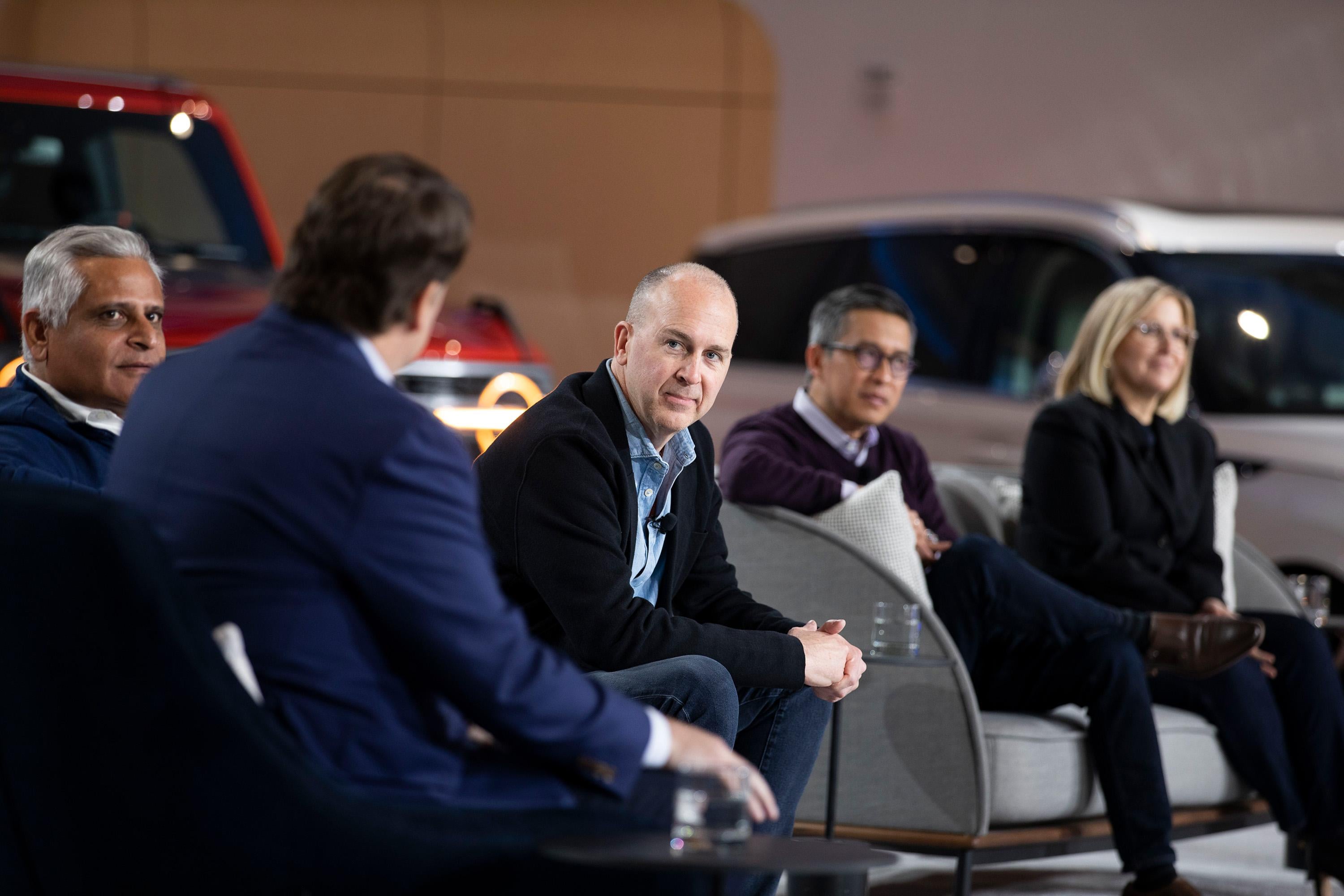
Mr Field is leaving as Ford revises its EV strategy, after losing billions on EVs over the past decade.
It created ‘Team Edison’ in 2017 to spearhead its move away from internal combustion engine (ICE) vehicles, and formed its Model e division in 2022, following the poaching of Mr Field – a software engineer – from Apple the previous year, where he was a key player in developing software for the Mac.
Mr Farley described the appointment of Mr Field – who had previously worked at the brand between 1987 and 1993 – as a ‘watershed moment’ for the automaker.
“Two things came through loud and clear,” Mr Field said of his decision to re-join Ford, explaining to the Massachusetts Institute of Technology MITMechE graduate magazine.
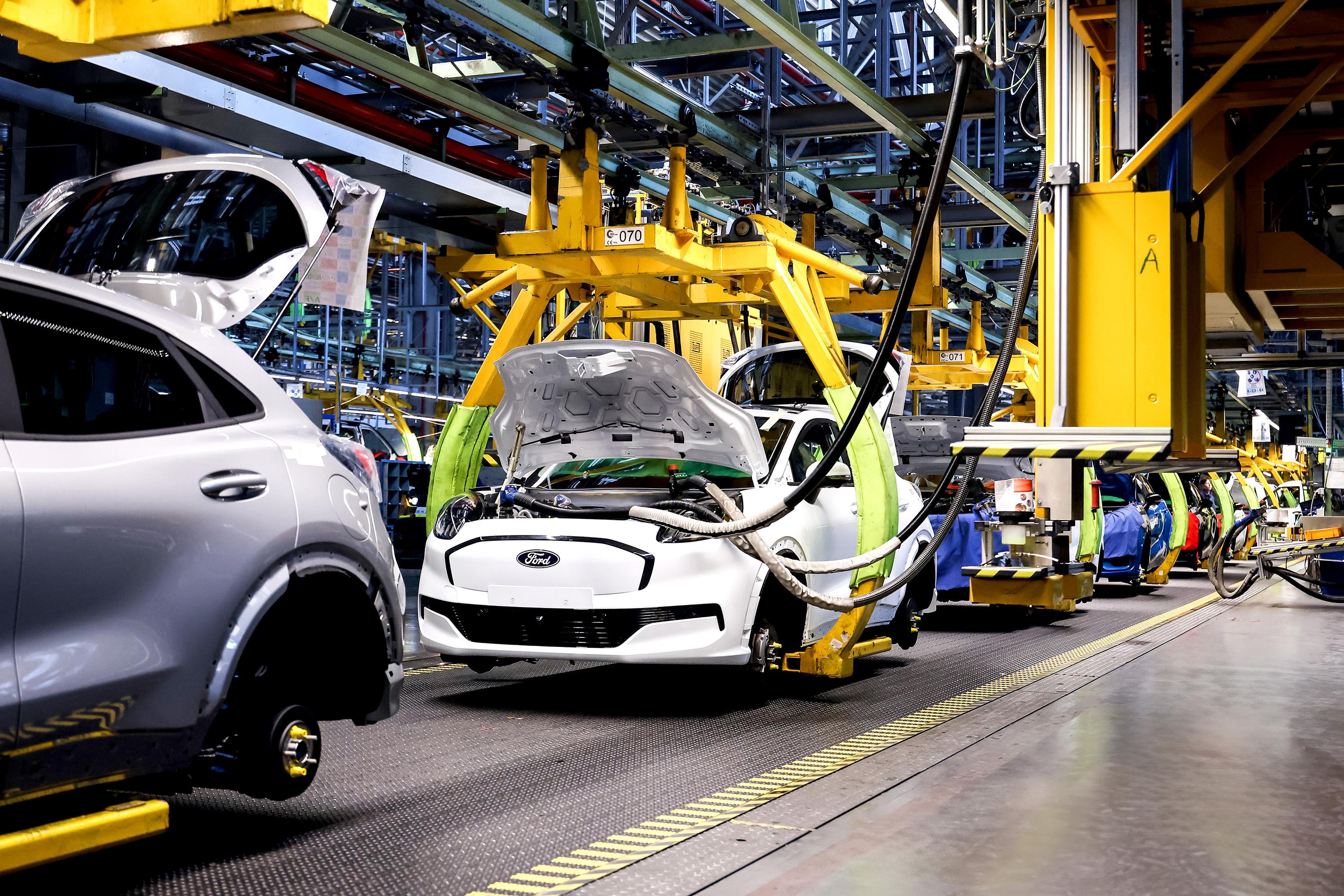
“One was humility. ‘Our success is not assured,’” he said, which was a change from his previous time at Ford. “The other thing was urgency. Jim and Bill Ford said the exact same thing to me: ‘We have four or five years to completely remake this company.’”
“I said, ‘Okay, if the top of company really believes that, then the auto industry may be ready for what I hope to offer.’”
He has now said he wants to share his experience being “at the centre of disruption and innovation” at Apple, Tesla and Ford, and said in a statement that he’s honoured to have been a part of leading Ford “during an unprecedented period of technology and market disruption”.
“I believe Ford now has a winning technology strategy and plan. The first breakthrough product off the Universal EV platform – a mid-size pickup – is on its way to production,” said Mr Field in a statement.
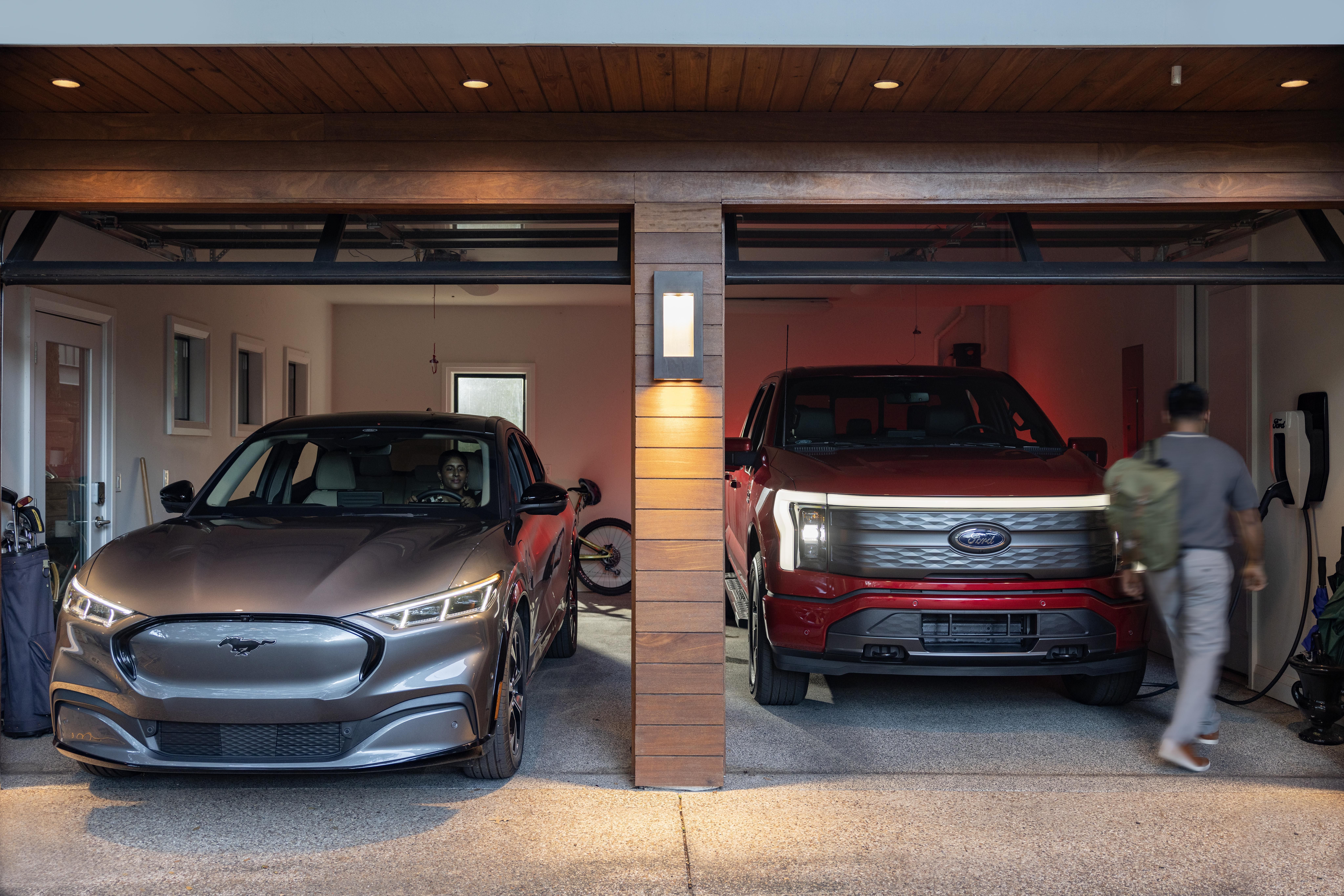
“We have clearly defined hardware, software, and electrification plans across our full product line. The initial quality of our core technologies is now near the top of the industry.
“Most importantly, we have incredibly talented teams across these disciplines, ready to carry Ford into the future. I am completely confident in them and so excited to see their work in the coming years.”
In 2025, Ford posted a loss of around US$8.2 billion (A$11.41 billion), its biggest full-year loss since the 2008 Global Financial Crisis (GFC) and its third loss in the previous six years.
While tariffs played a significant role, more than half of that loss was attributed to the Model e division (down US$4.8 billion or A$6.68 billion) as hybrid sales surged in the US and elsewhere, including Australia.
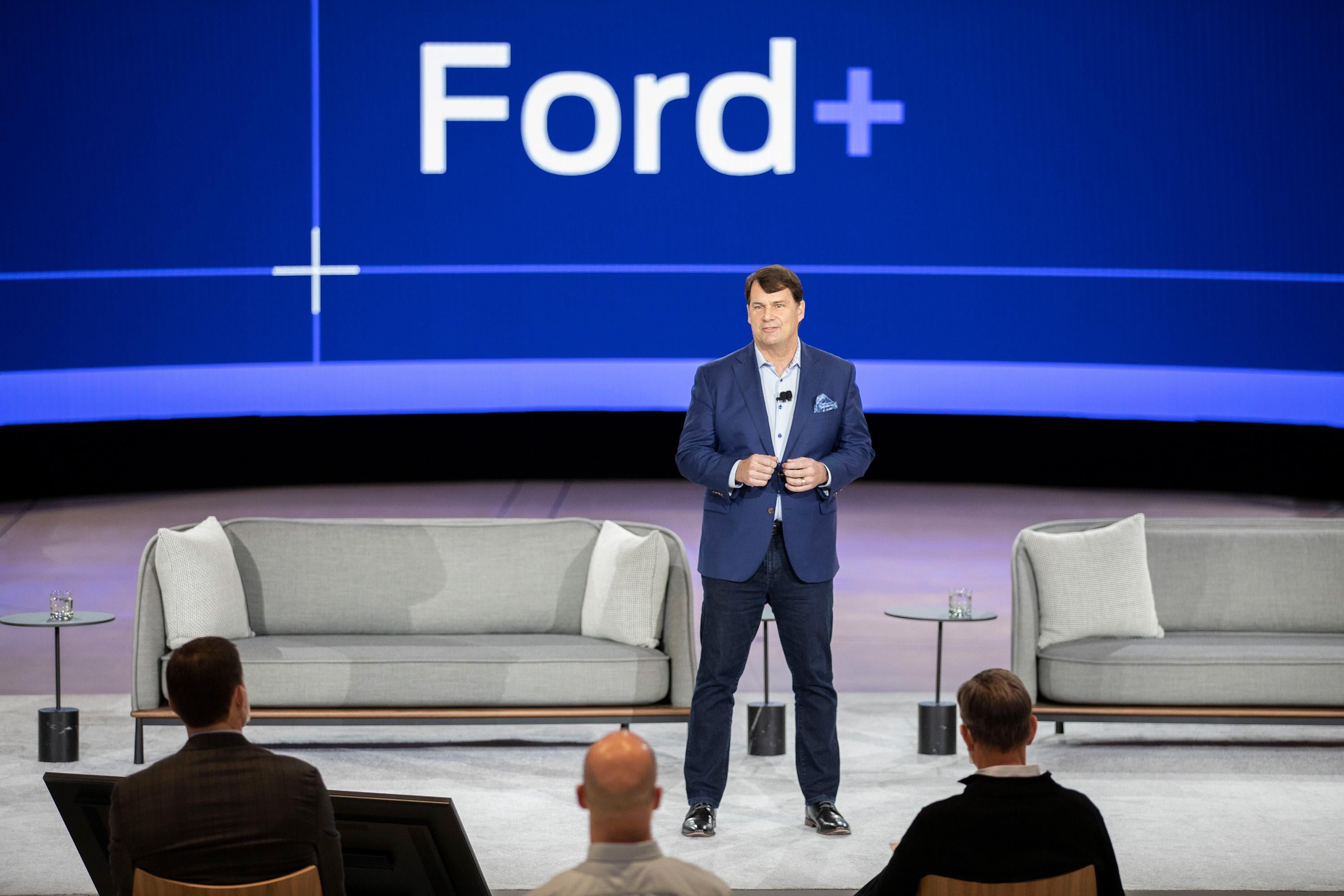
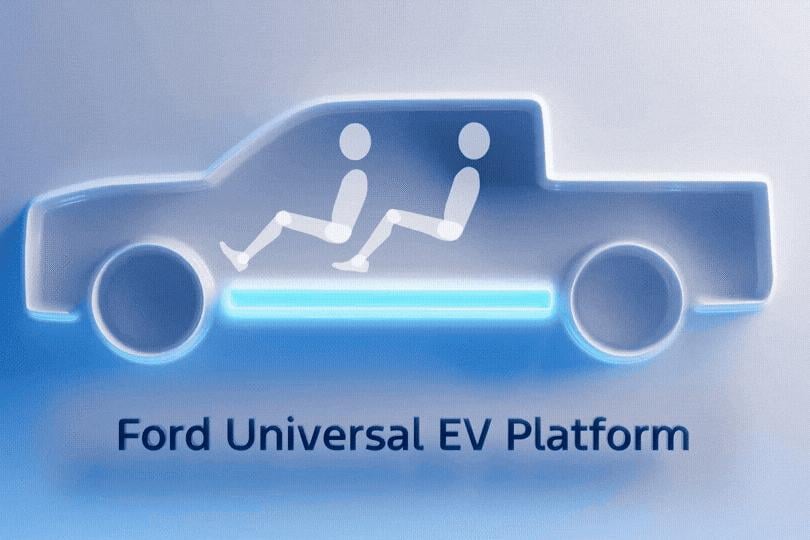
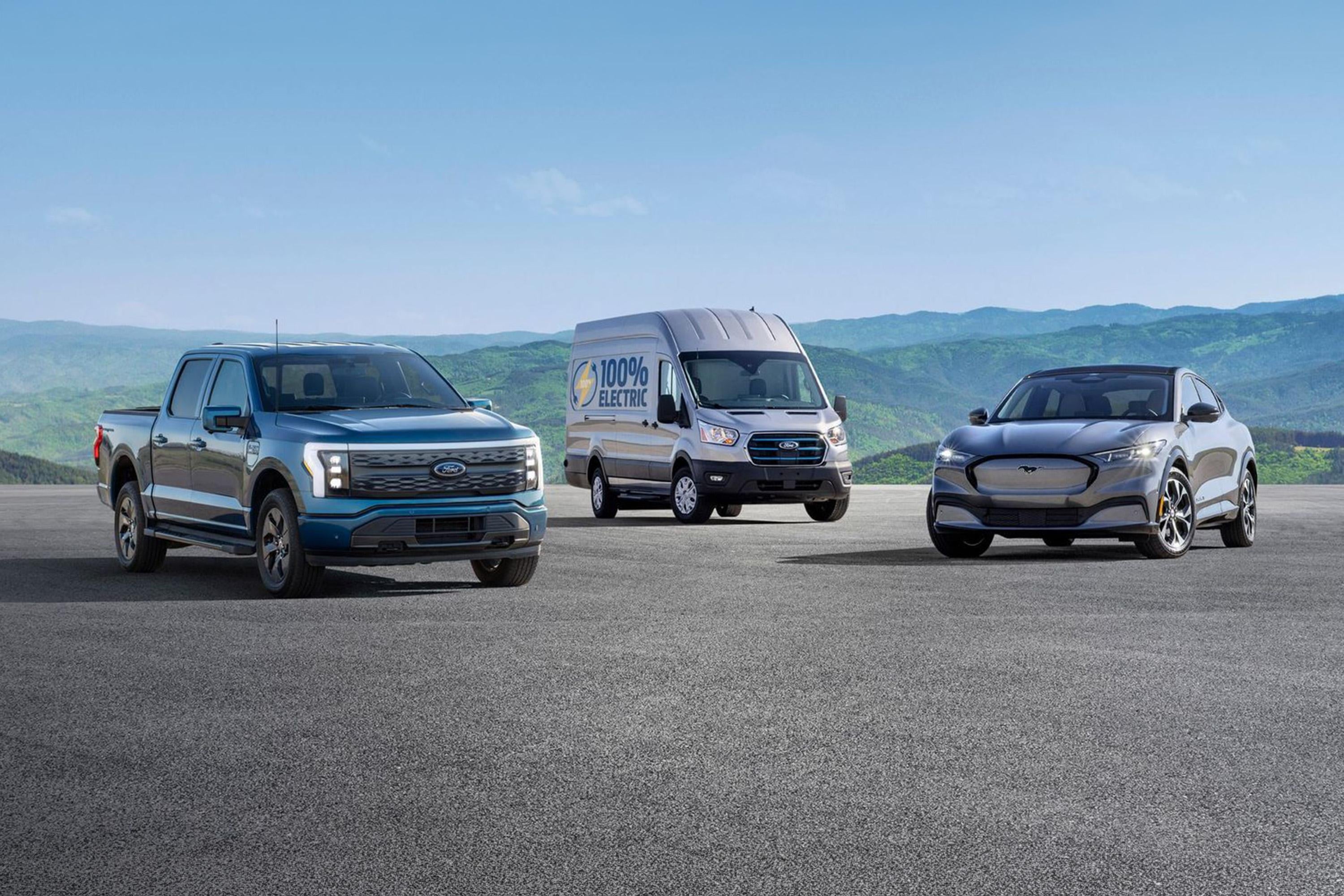
Last year, Ford announced both the cancellation of the electric Ford F-150 Lightning – with a range-extender version set to replace it – and the introduction of a new ‘Universal Electric Vehicle’ platform designed to underpin a number of ‘affordable’ EVs from 2027.
Last year, Ford dropped the Escape SUV, its cheapest model and a rival to the Toyota RAV4, in the US as the average price of a new car in that market rose to US$50,000 (A$69,498).
Mr Farley has said he regrets how the automaker executed its previous EV plan.
“I totally would’ve done it differently. I mean, look, we didn’t know what we didn’t know,” the Ford CEO told Car &Driver when questioned about whether the F-150 Lightning electric pickup program was properly executed.
Mr Field’s departure comes as Ford announced a new ‘end-to-end’ organisation integrating its EV, digital and design teams with its ‘global industrial system’.
The new organisation will be led by Ford chief operating officer Kumar Galhotra, who said in a statement, “This creates an end-to-end team with accountability for the entire product creation process.”
Ford said 70 per cent of its global model lineup will be refreshed between now and 2030.
By 2030, Ford will also offer 90 per cent of its global nameplates as hybrids, EVs, or extended-range electric vehicles (EREVs).
The US car giant still expects to lose as much as US$4.5 billion (A$6.28 billion) on EVs in 2026 despite a recent uptick in sales, driven by record fuel prices.
Mr Farley has previously said the removal of EV tax incentives in the US from October 1, 2025 could lead to a collapse in EV sales in North America.
While sales of new EVs in the US are down 24.7 per cent year-to-date, March 2026 figures were up by 20.3 per cent year-over-year.
The upward trend is expected to continue as petrol rises from an already high US$4/gallon to as much as US$8/gallon in parts of the US.
Record prices in Australia, too, have prompted Ford to offer a $4000 fuel card here with some Ranger purchases.
The Australian Government has signalled its intention to keep the current Fringe Benefits Tax (FBT) exemption for EVs following a review in April 2026, a decision made easier by high fuel prices and the resulting spike in EV sales.
Ford Australia’s EV sales have been slow, led by its E-Transit Custom and E-Transit commercial vans.
Its only EV at present that isn’t a van, the Mustang Mach-E SUV, has posted 89 sales between January and March, down 43.3 per cent year-on-year. MORE: Explore the Ford showroom