














Opel/Vauxhall will be the first brand in the Stellantis stable to develop a model based on Leapmotor hardware, but this will come as small comfort to the engineers that will leave the marque by the end of 2027.
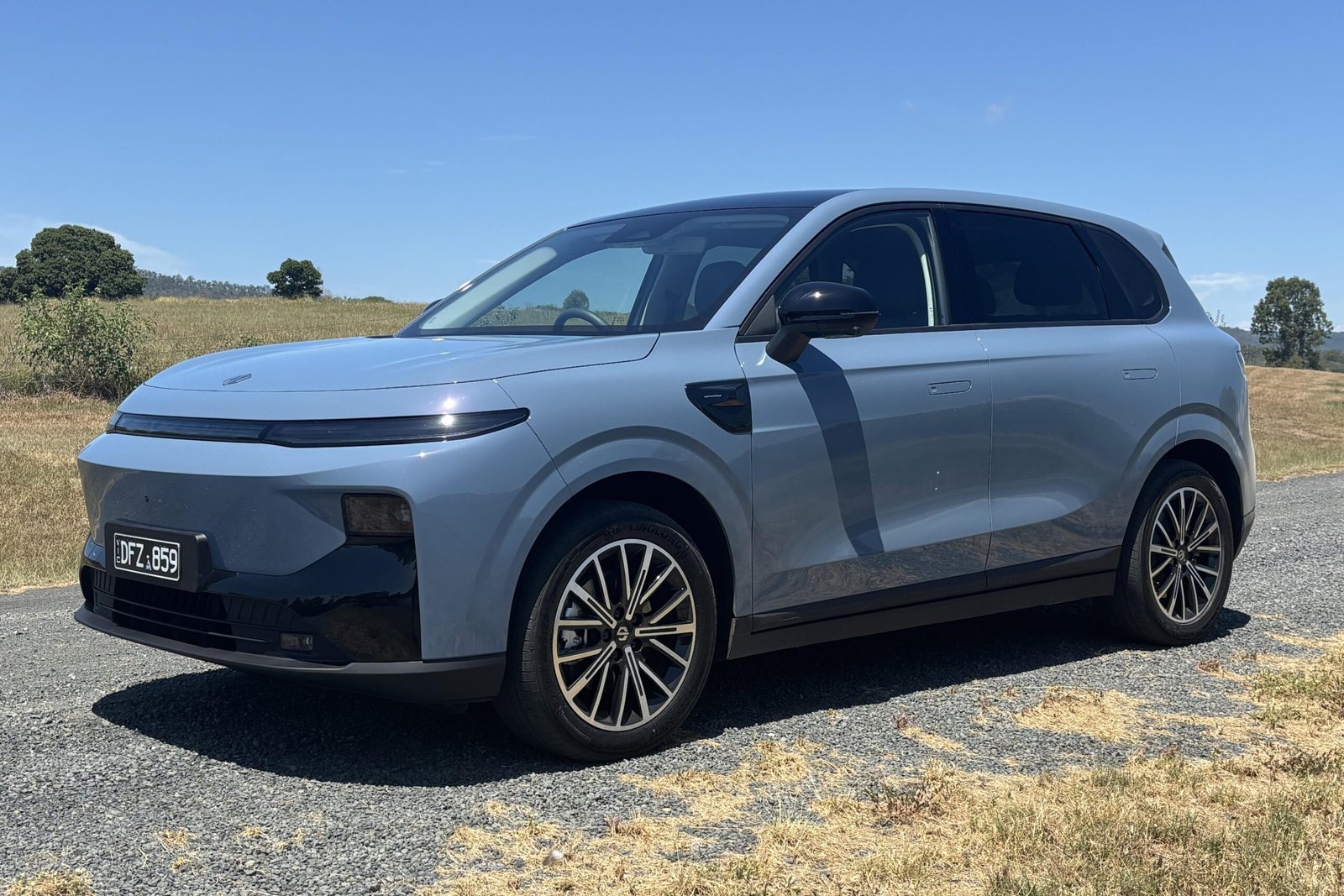
Overnight Stellantis confirmed it will begin building the Leapmotor B10 at its factory in Zaragoza, Spain, possibly as early as this year.
It will be the first Leapmotor vehicle to be made in Europe, and will allow the B10 to avoid EU tariffs on made-in-China EVs, which can be as high as 35.4 per cent.
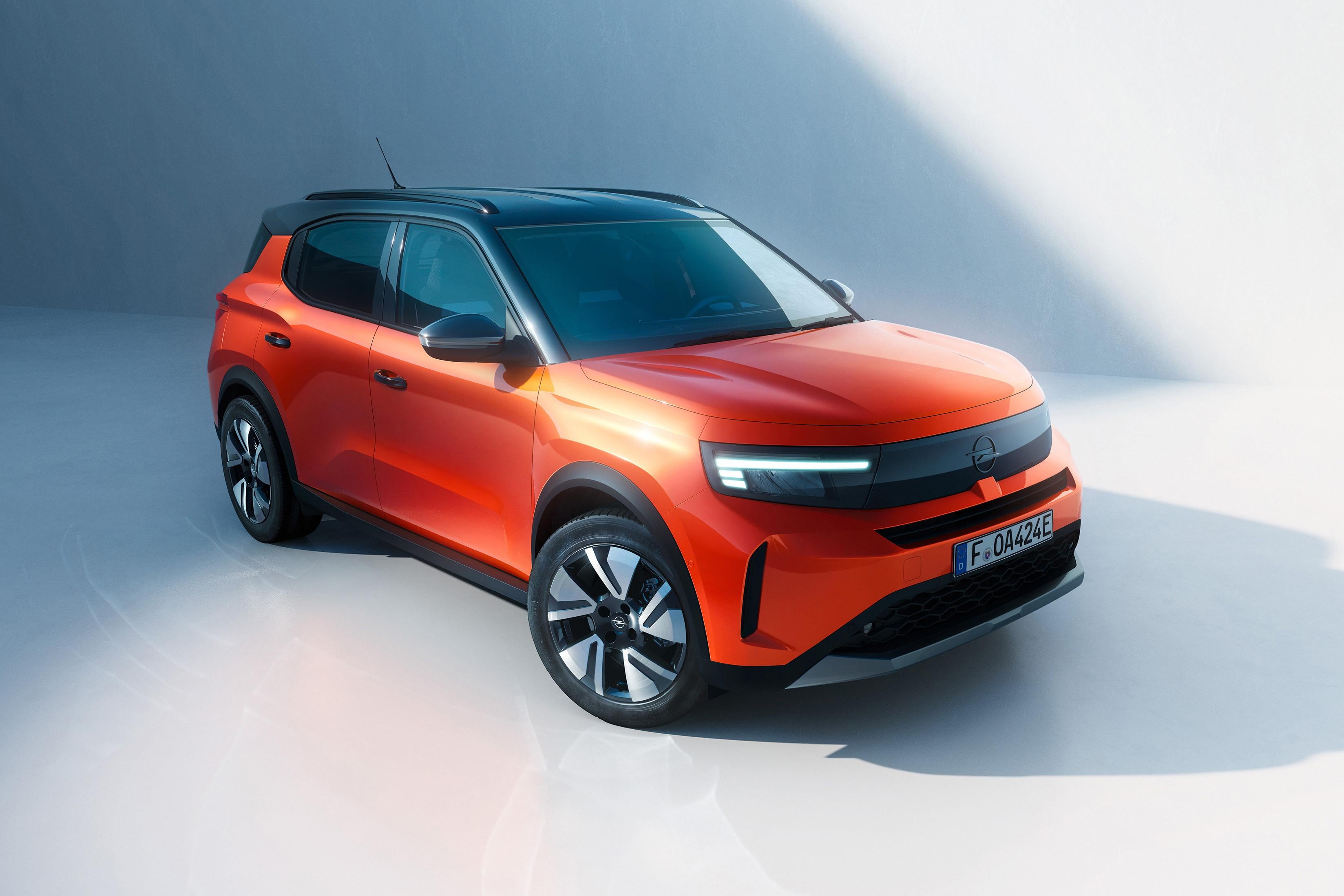
The companies are also working together on an electric SUV for Opel. The SUV’s design will be done by Opel at its headquarters in Rüsselsheim, Germany, but engineering will be done in both Germany and China.
CarExpert can save you thousands on a new car. Click here to get a great deal.
According to the firms, the new SUV will combine the “latest Leapmotor electric architecture and battery technology” with Opel design and its “on-board experience, chassis engineering as well as lightning and seating technology”.
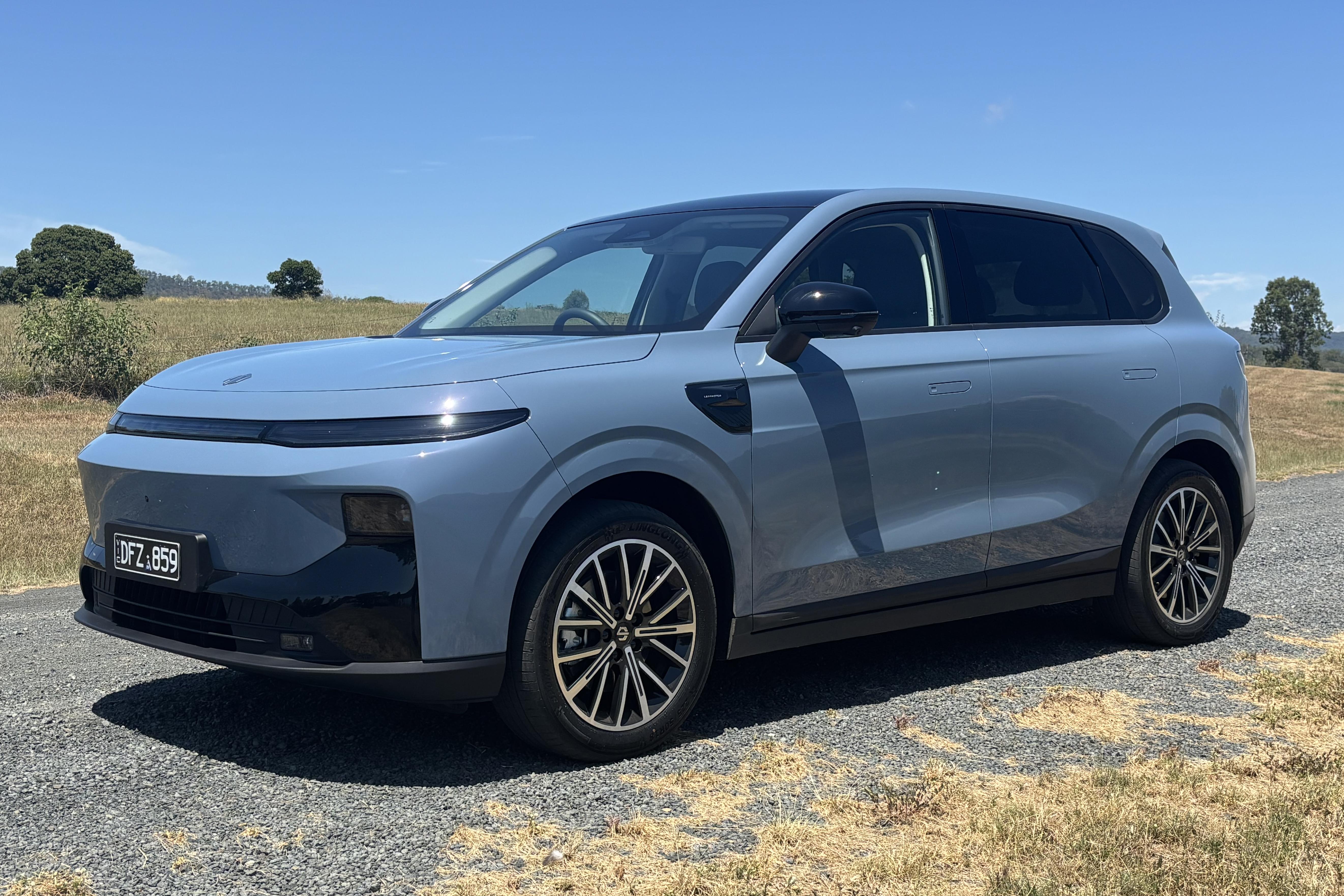
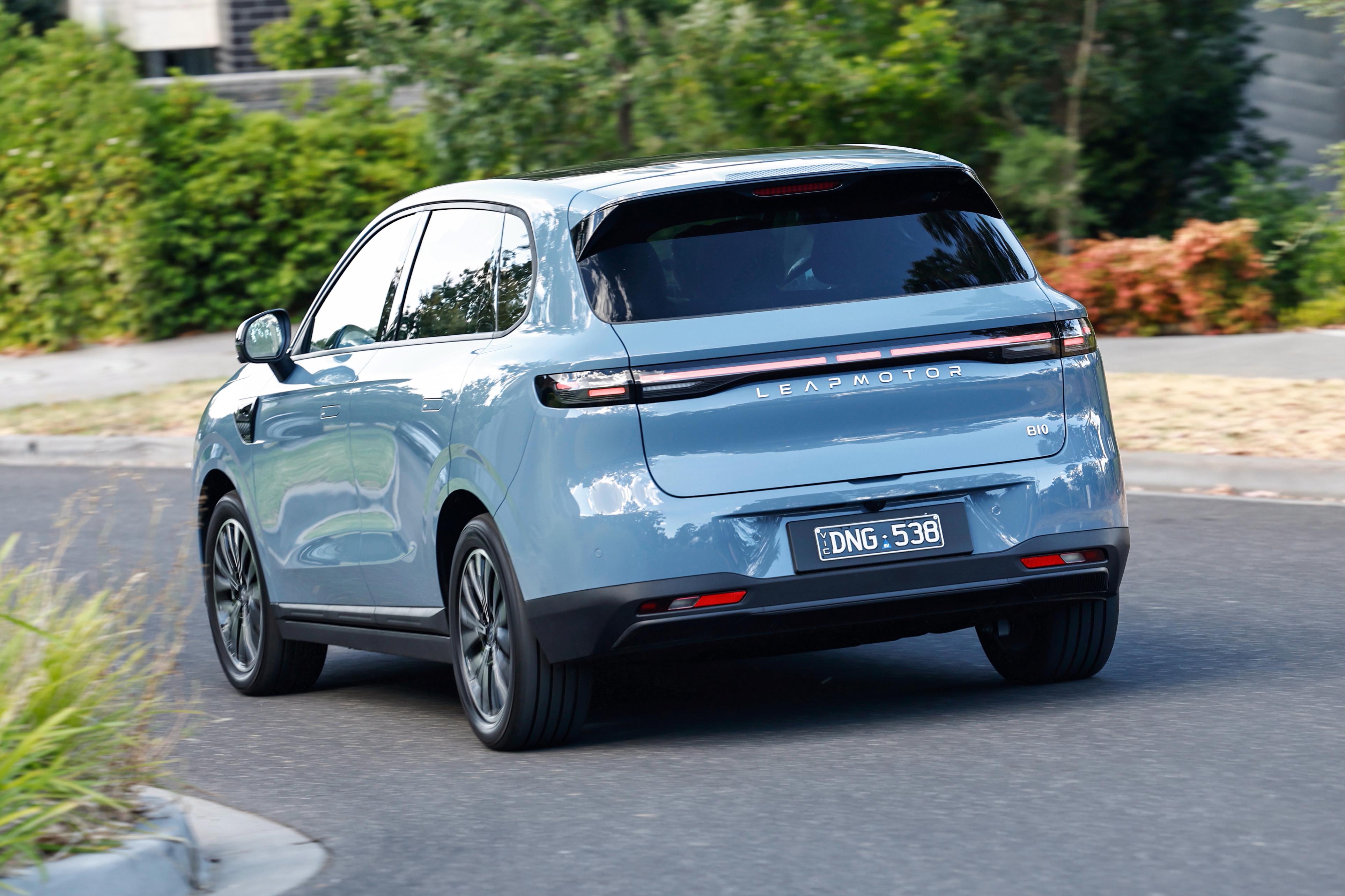
From Opel’s teaser image, it appears the new SUV shares its silhouette and door apertures with the B10, but will have unique sheet metal and the brand’s visor face.
Given the B10 and the unnamed Opel SUV will be produced in the same plant, it’s probably safe to assume the two cars will share a platform, motors and battery tech. At present the B10 has either a 132kW/175Nm or 160kW/240Nm motor driving the rear wheels, and the choice of a 56kWh or 67kWh battery.
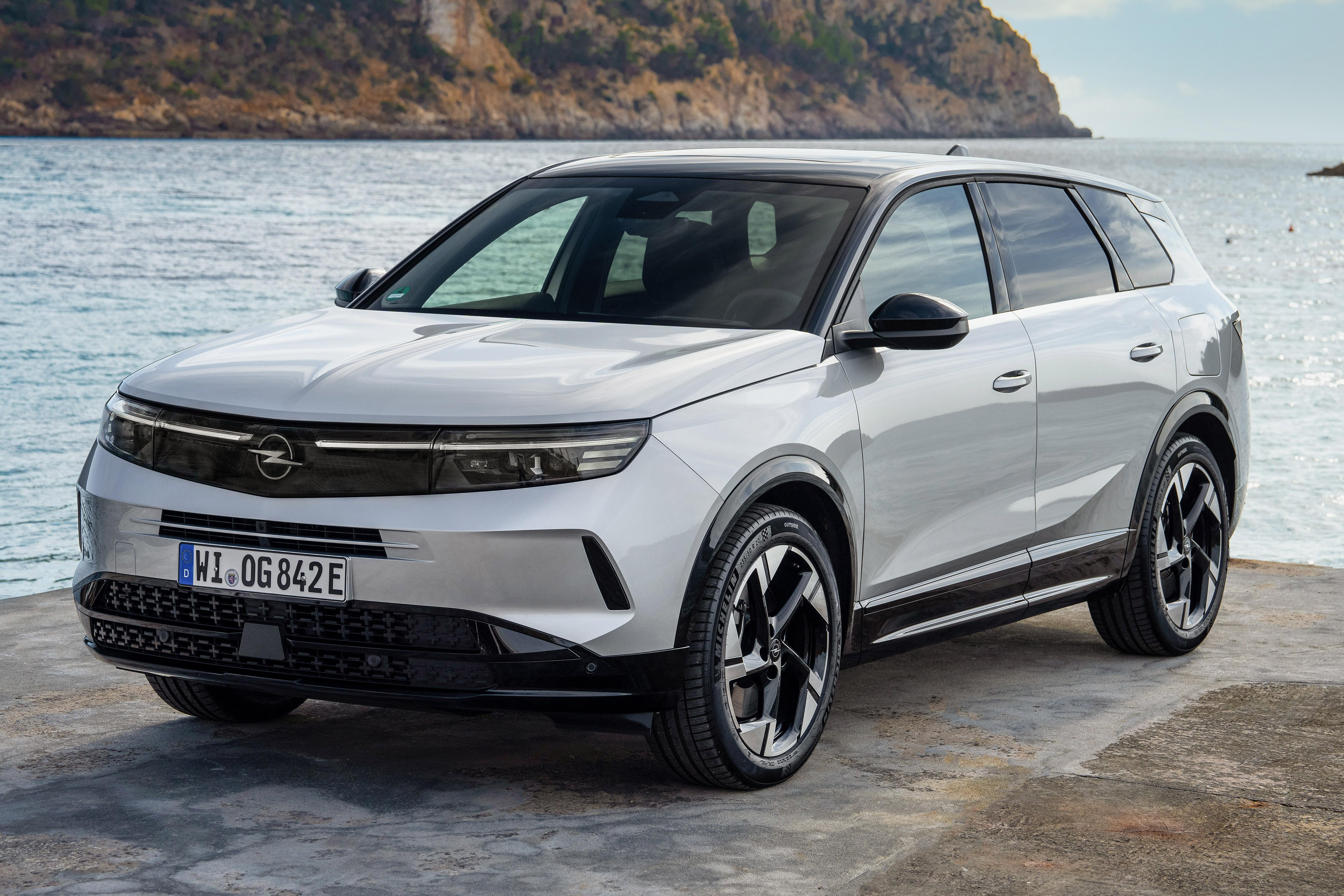
The B10 is 4.5 metres long, meaning if the Opel SUV is around the same length, it will fall neatly between the Frontera and Grandland (bottom), the latter of which is available with a battery-electric drivetrain.
Opel and its unions have confirmed to WardsAuto the brand will axe 650 engineering jobs in Germany, leaving around 1000 people to concentrate on artificial intelligence, lighting, driver assistance, software and battery technology.
Prior to its purchase by the PSA Group, Opel employed around 7700 engineers, and was GM’s R&D hub for the European market, as well as small cars. Last month a report emerged claiming Stellantis won’t cull any of its marques, but will move to focus on four core global brands: Jeep, Ram, Peugeot and Fiat.
Currently the Zaragoza plant produces the Peugeot 208, Lancia Ypsilon, and Opel Corsa, all of which are based on the Common Modular Platform (CMP).
General Motors inaugurated the plant in 1982 a few years before Spain joined the European Economic Community, the forerunner to today’s European Union (EU), and it has been the home to all six generations of the Opel Corsa, some of which were exported to Australia as the Holden Barina.
Other Opel vehicles made in Zaragoza include the Kadett, Astra, Tigra, Meriva, Combo and Crossland. After Opel/Vauxhall was sold to the PSA Group in 2017, it began producing models for other brands, including the Citroen C3 Aircross.
Zaragoza might not be the only European Stellantis factory to produce a Leapmotor model, with an unspecified model likely to be made in the company’s plant in Madrid from 2028. This factory currently only produces the Citroen C4, the lifecycle for which is scheduled to conclude around 2028.
Unlike Zaragoza, Stellantis is considering selling the Madrid factory to Leapmotor. Stellantis went into partnership with Leapmotor in 2023, purchasing a 21 per cent stake in the automaker and becoming its largest single shareholder.
The two companies also formed a joint venture, in which Stellantis has a 51 per cent share, which is responsible for the brand outside of China.
MORE: Explore the Leapmotor showroom