














Mazda won’t discard the CX-3 nameplate that has proved enduringly popular in Australia, with a second generation set to enter production next year.
The Japanese automaker has confirmed in a financial results presentation that the “next-generation CX-3 (compact SUV)” will enter production next year at the AutoAlliance Thailand plant.
This facility is part of a joint venture with Ford, and produces a number of vehicles including the current Mazda CX-3.
Mazda aims to “steadily capture the volume segment” with the new model.
CarExpert can save you thousands on a new car. Click here to get a great deal.
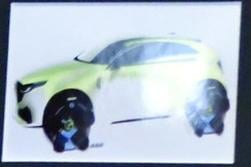
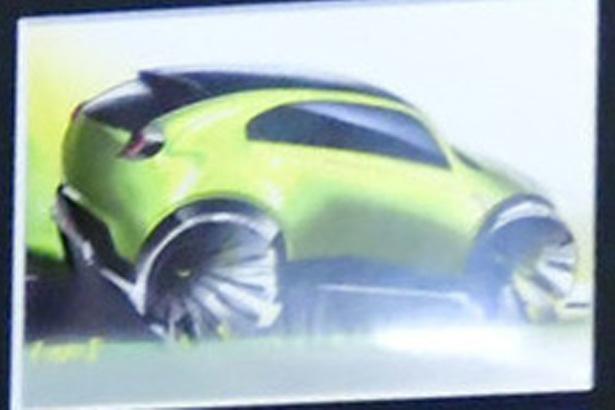
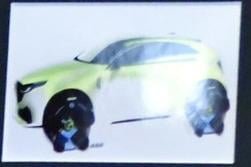
It previewed what appears to be the new CX-3 in sketches released in 2025, when it announced it was investing 5 billion Baht (A$233.8 million) in its Thai operations to produce electrified small SUVs.
This likely means the next CX-3 will offer some kind of mild-hybrid or hybrid powertrain, with Mazda having committed to launch four new hybrids this decade, starting with the CX-5 in 2027.
“The vehicles to be produced will be high performance compact SUVs that meet international standards, both in terms of environmental friendliness and hybrid technology,” Mazda CEO Masahiro Moro said at the time.
The sketches show a small, rounded SUV with similar headlights to the new CX-5, plus small, rounded tail-lights and what appears to be Mazda lettering across the tailgate.
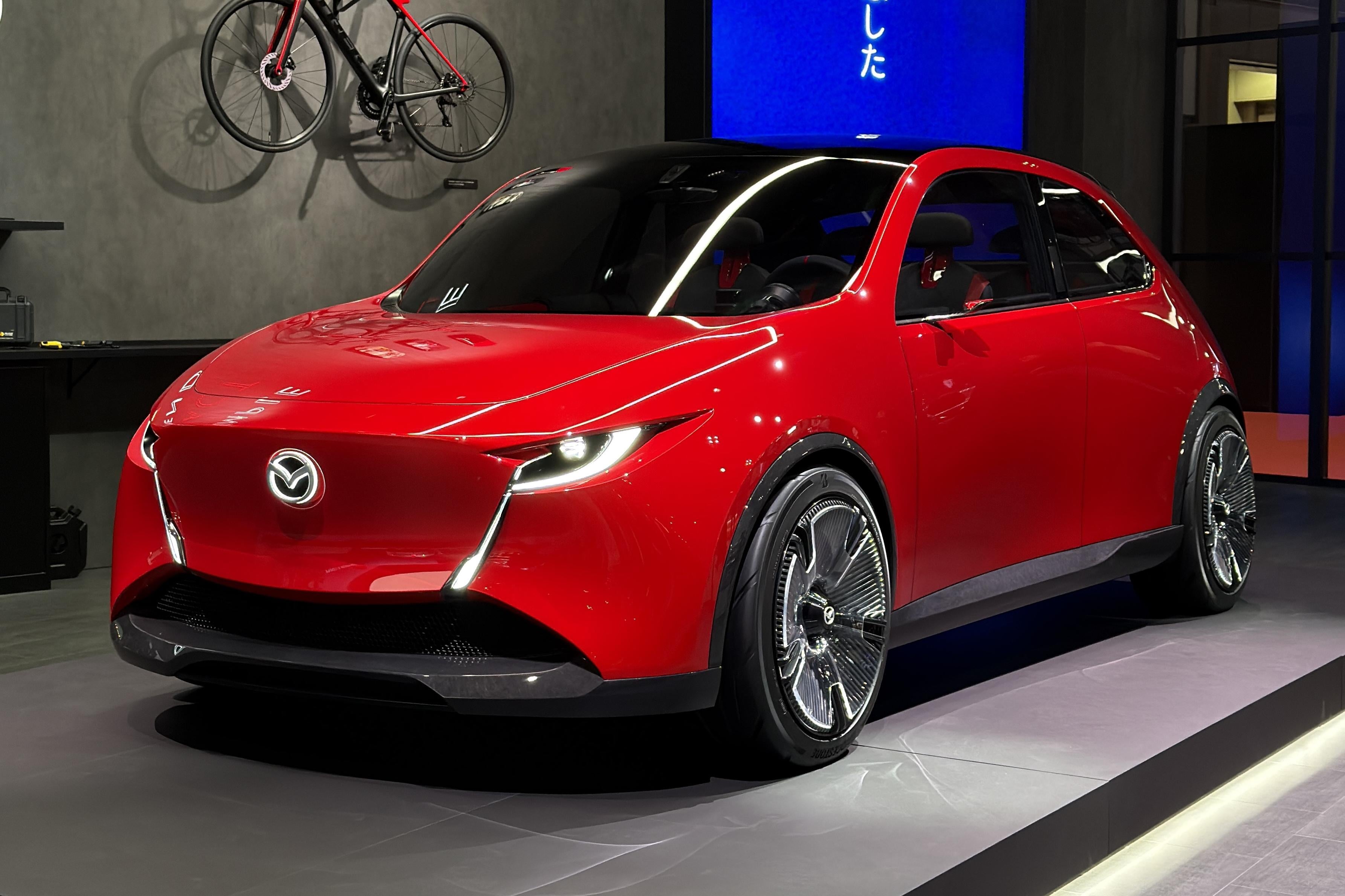
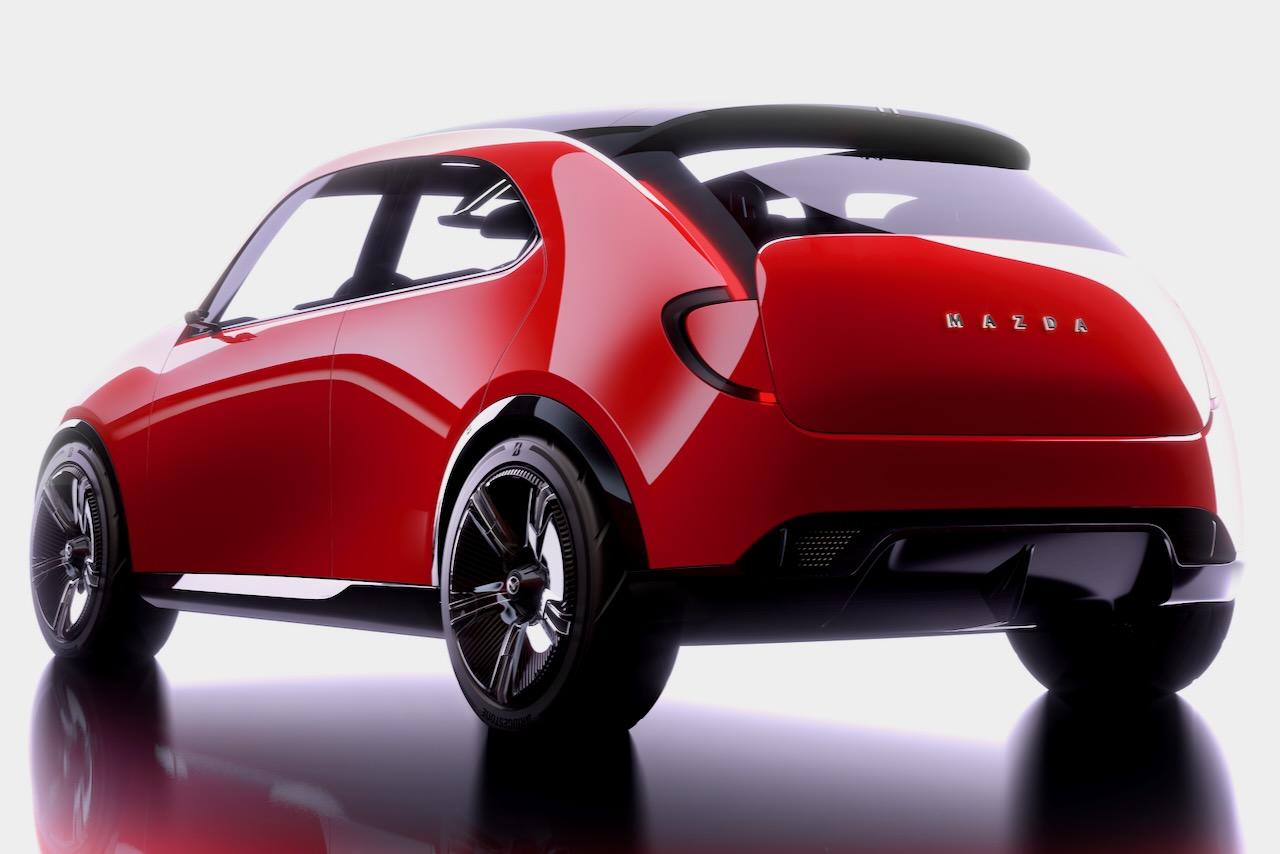
Subsequently at the 2025 Tokyo motor show, Mazda revealed the very similar-looking Vision X-Compact, which appeared to preview a Mazda 2 successor.
The current CX-3 remains a huge seller in Australia. With 15,429 deliveries last year, it comfortably outsold the Toyota Yaris Cross – despite being down 16.4 per cent on its 2024 tally – to retain the title of best-selling light SUV in Australia. It was also Mazda’s second-best-seller after the CX-5.
However, the CX-3 has been withdrawn from many major markets. It was discontinued in Europe and the US in 2021, and production for the Japanese market ended in February this year.
It has, however, lived on in Southeast Asia and Mexico, where it’s also built.
Mazda Australia has ruled out withdrawing the CX-3 from this market anytime soon.
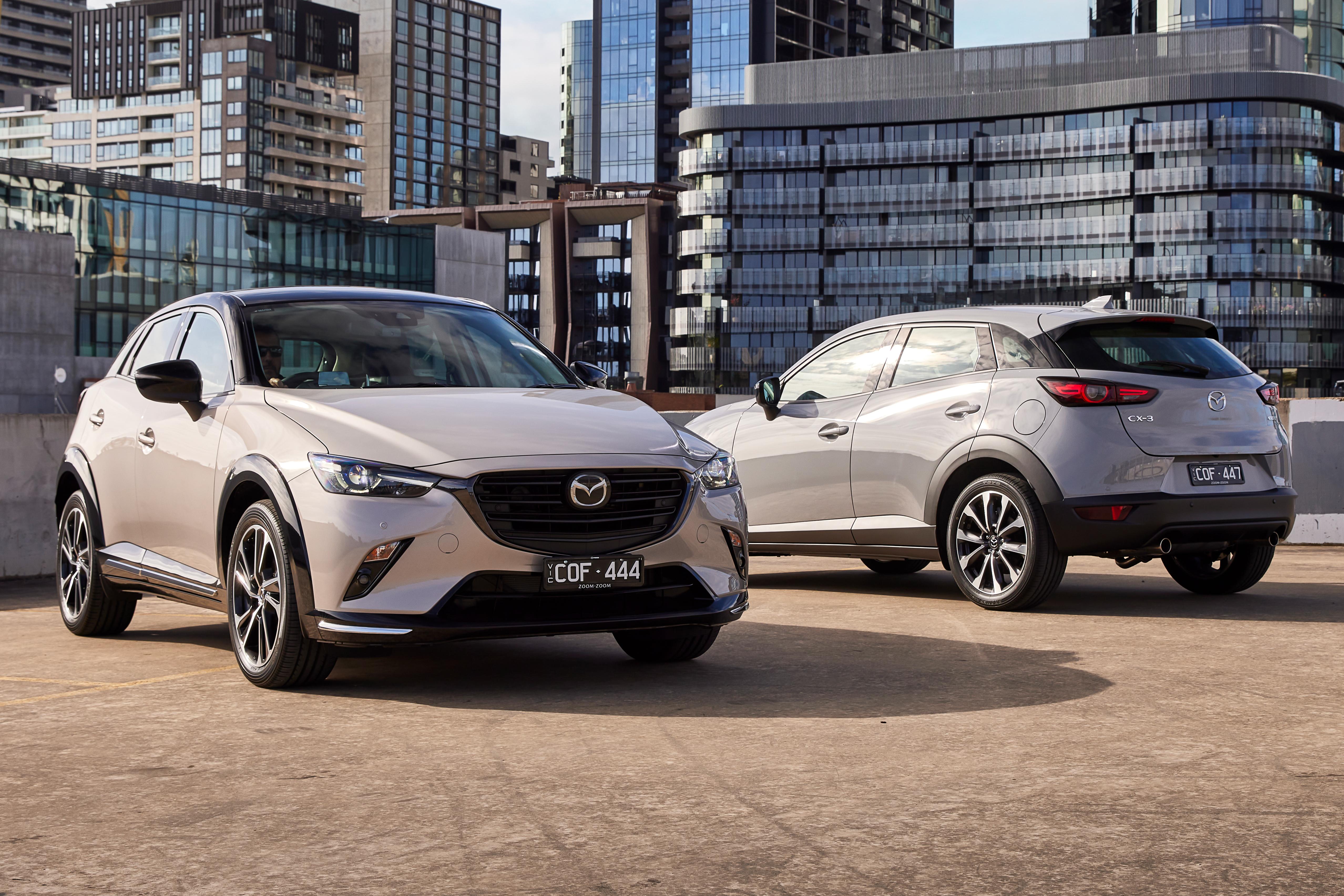
“There are some articles floating around that [Mazda 2 and CX-3] are coming to an end, and I can confirm Mazda 2 and CX-3 will be in our portfolio this year, they’ll be in our portfolio next year, and it’s an important segment for us,” Mazda Australia managing director Vinesh Bhindi told CarExpert earlier this year.
“At some stage there could be replacements, but right here right now those two cars, those two nameplates, are here to stay in our portfolio because they will comply with [Australian Design Rules], they will continue to be manufactured in our Thailand facility, and therefore we have access to [them].”
Mazda’s global general manager for marketing and sales, Manabu Osuga, wouldn’t confirm whether both the current CX-3 and Mazda 2 – which entered production in 2014 – will be replaced.
“Whether we go with making the size [of the new vehicle] Mazda 2 equivalent or Mazda 3 equivalent, or we prioritise the price coverage, that is the discussion we are having [at a global level],” said Osuga-san.
“So [I’m] not necessarily naming the successor of the Mazda 2 or CX-3, [but] our commitment is we will cover the customer base and consumers’ needs in the individual market.”
MORE: Explore the Mazda CX-3 showroom