















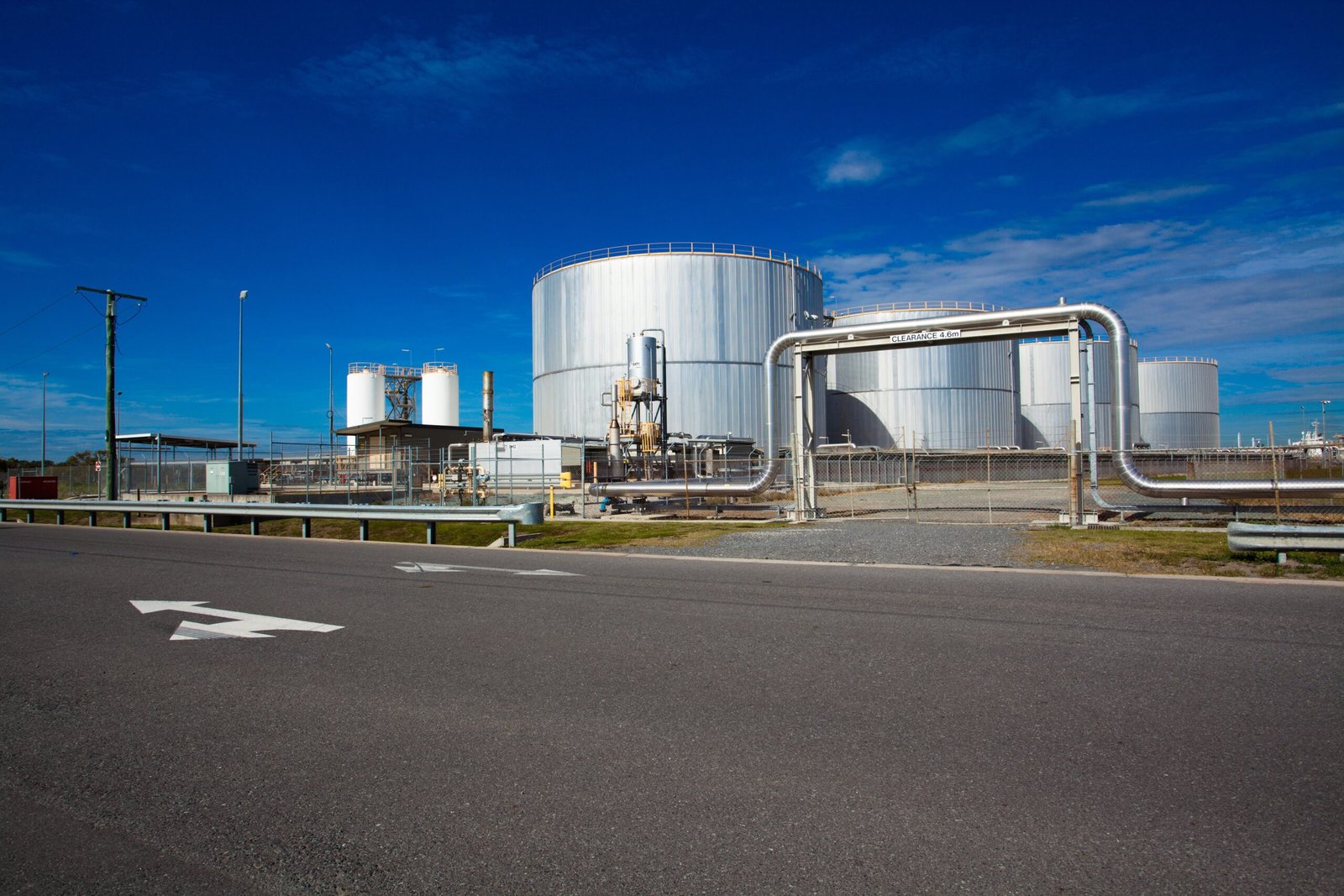
The Australian Government has announced commitments to increasing Australia’s fuel reserves, ahead of the release of the Federal Budget next week.
The 2026-27 Budget will include a new $10.7 billion Australian Fuel Security and Resilience package, aimed at expanding our nation’s onshore fuel reserves after recent interruptions to domestic fuel supply and price spikes due to conflict in the Middle East.
Of this, $7.5 billion is earmarked for the establishment of a Fuel and Fertiliser Security Facility to increase the supply and storage of fuel and fertiliser, with the government providing financial support through loans, guarantees and other measures.
The government is also pledging $3.2 billion to establish the Australian Fuel Security Reserve, which it will own, to increase long-term diesel and aviation fuel supply and storage, holding around a billion litres of fuel.
CarExpert can save you thousands on a new car. Click here to get a great deal.
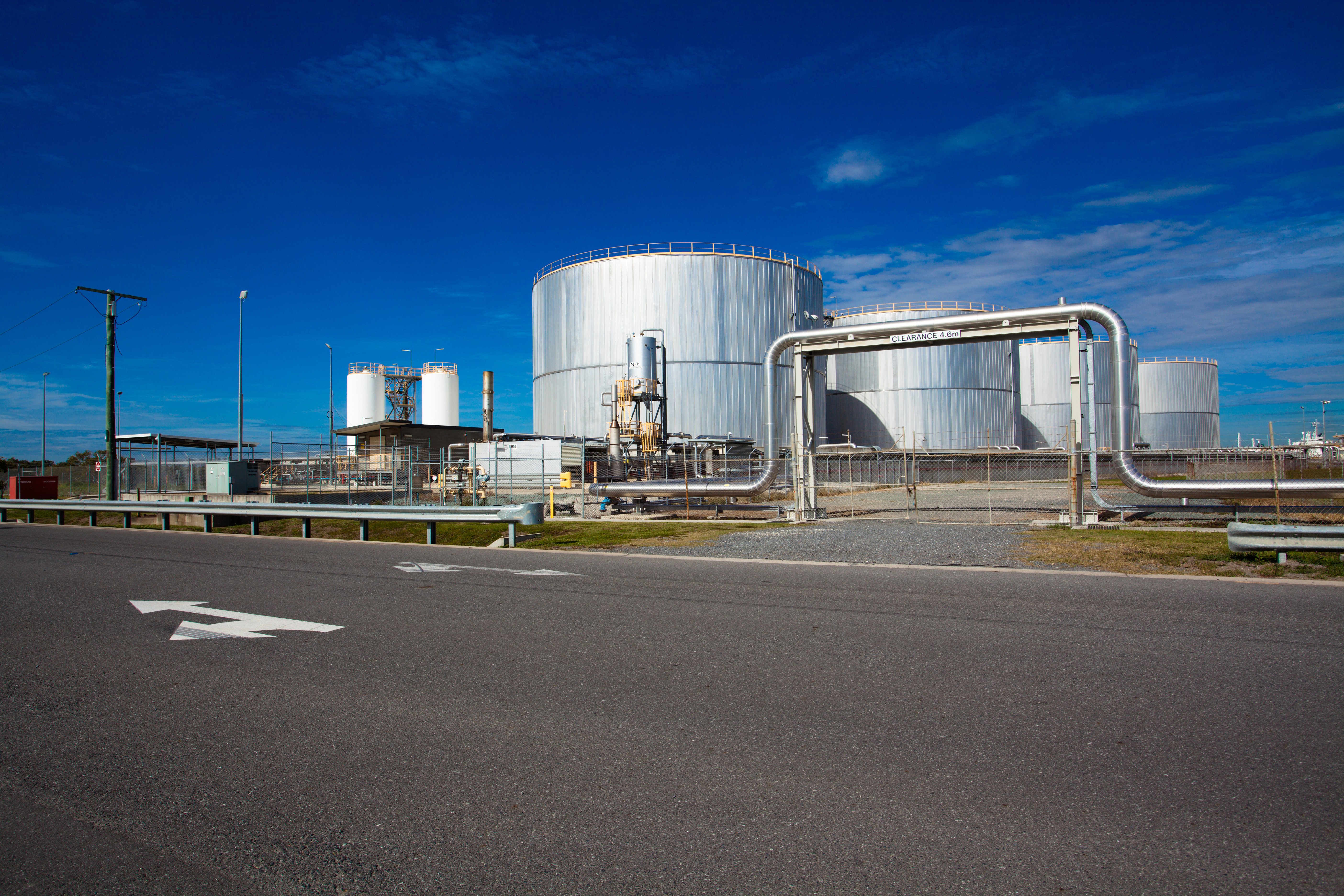
As part of this, it wants to lift the Minimum Stockholding Obligation for each type of fuel by around 10 days, lifting our nation’s critical fuel reserves to 50 days.
As of April 28, 2026, and based on the normal rate of consumption, they were sitting at 43 days for petrol and 33 days for diesel.
Compared to the last quarter of 2025, total stocks under the minimum stockholding obligation were 38 days for petrol and 32 days for diesel, so overall local supply has actually increased somewhat.
However, member countries of the International Energy Agency (IEA) are required to ensure oil stock levels of at least 90 days of net imports. Of the IEA’s 32 members, Australia is the only nation that does not currently meet the 90-day requirement, and hasn’t done so since 2012. Some countries have exceeded the minimum stockholding obligation, with Japan sitting at 250 days.
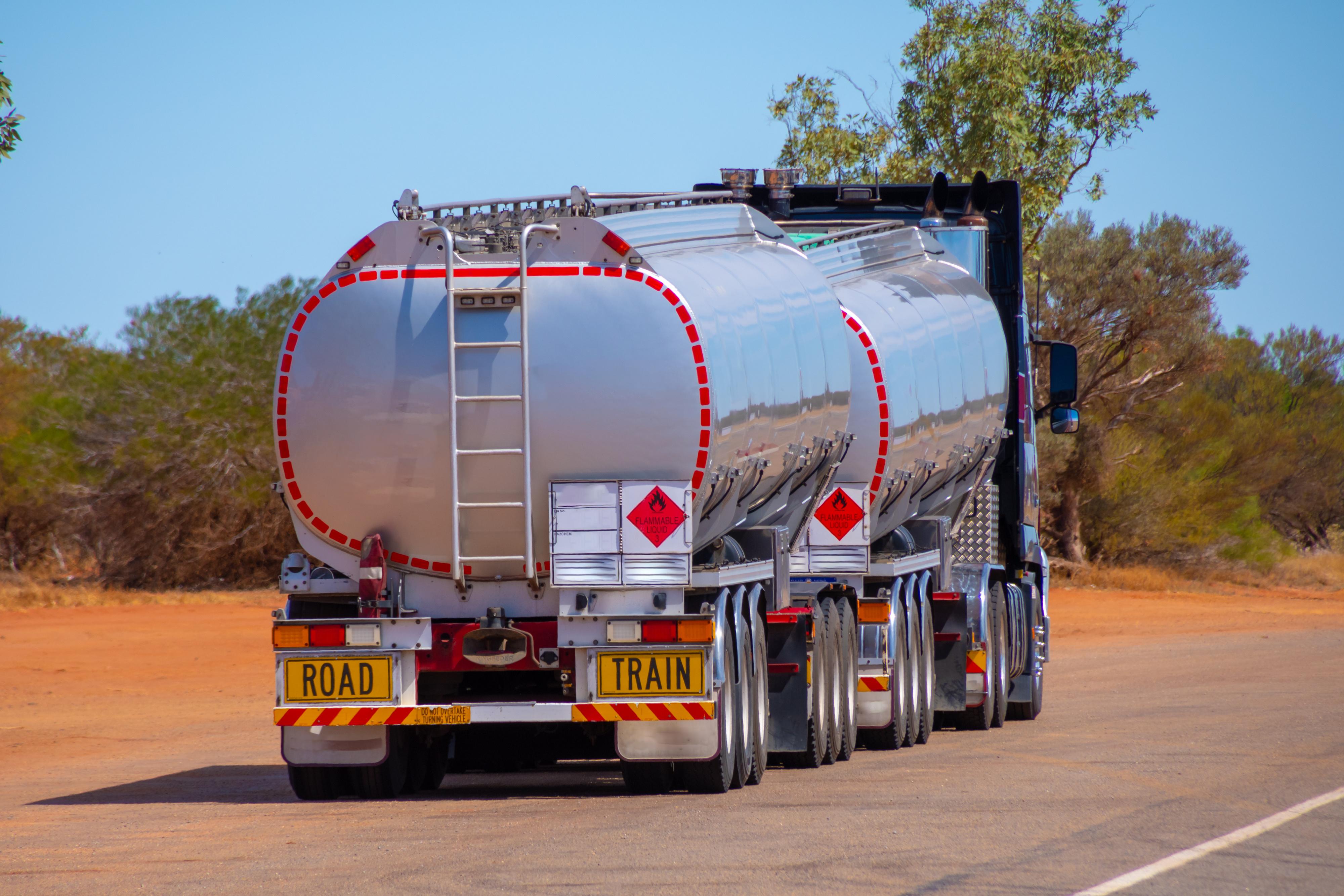
Australia is heavily reliant on oil imports, and we have just two refineries to process foreign oil (in Brisbane and Geelong), one of which .
With the Strait of Hormuz off the coast of Iran being closed since late February 2026, fears of a lack of fuel supply in Australia spurred a rash of panic-buying which saw hundreds of service stations run out of one or more types of fuel.
The Australian Government says it “will consult on implementation of the fuel reserve to enable the ability to underwrite or purchase fuel, support storage, and trade stocks as needed to ensure our fuel security during severe or prolonged fuel supply disruption”.
It’ll spend $34.7 million over four years to “support ongoing management of Australia’s fuel security, including Government engagement with industry to plan the uplift in fuel holdings”, which includes increasing current requirements on refiners and importers holding fuel stocks.
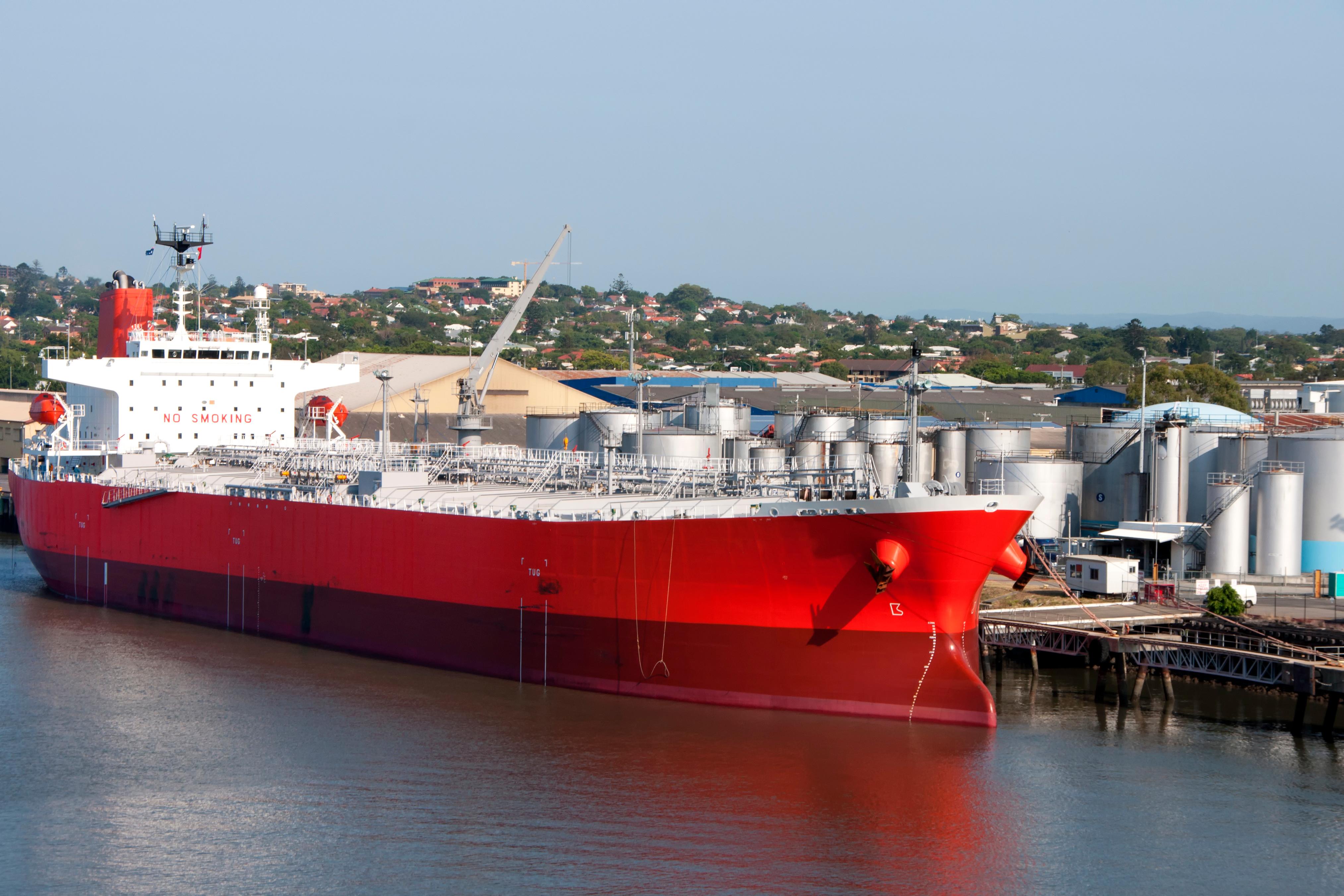
In addition to increasing our domestic fuel supply, the Australian Government has earmarked $10 million to support feasibility studies “into new or expanded fuel refining capabilities, to be co-funded with state and territory jurisdictions”.
It has also called out the need to invest in new and refurbished fuel storage.
The federal opposition has criticised the government, accusing it of inaction, and called for the Taroom Trough, an onshore petroleum and gas exploration area in Queensland, to be designated a National Strategic Priority Project.
It also wants to abolish the Safeguard Mechanism, which calls for increasingly stringent emissions caps for heavy industrial emitters, arguing it’ll cost Australia’s two remaining refineries around $165 million by 2029-30.
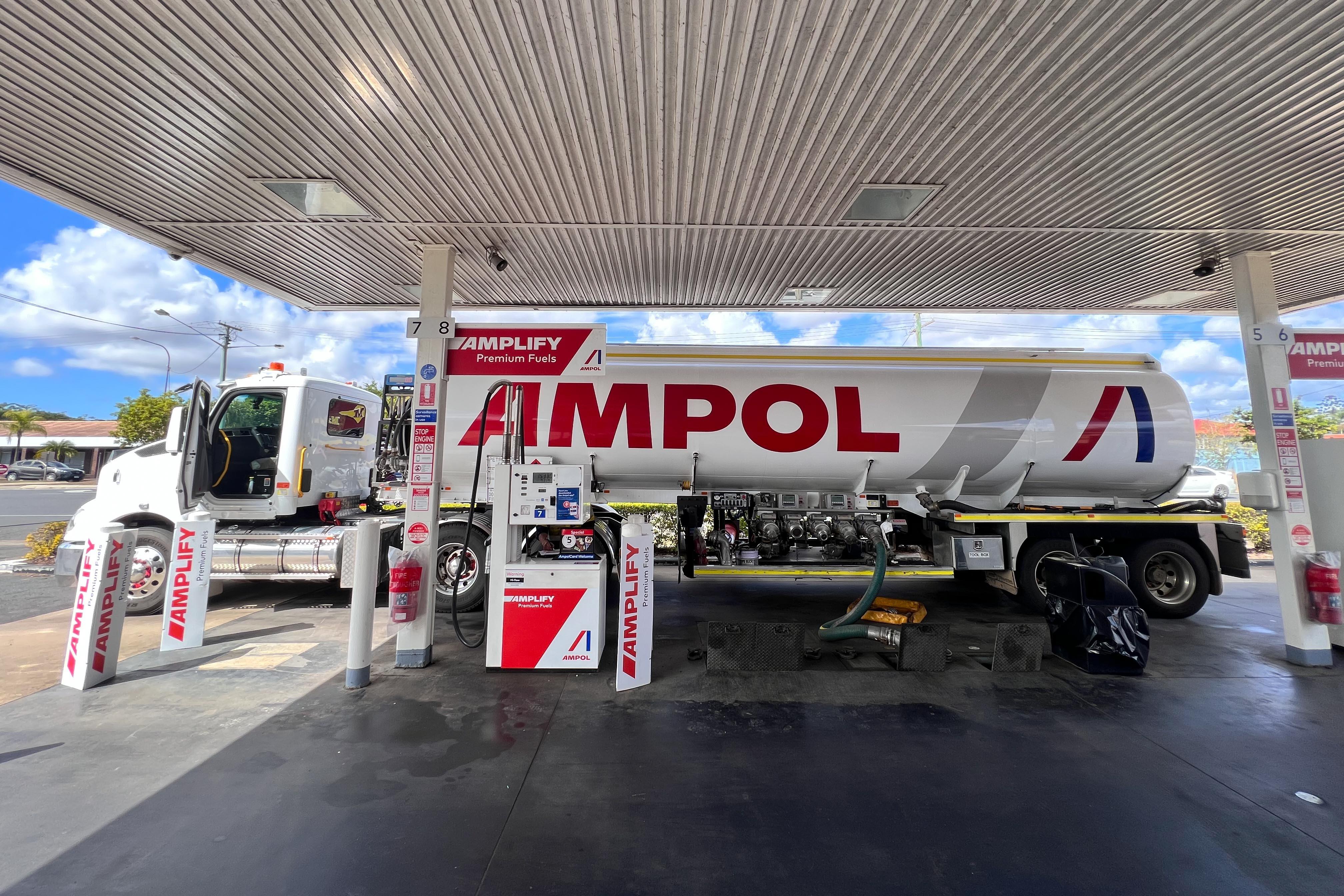
The Liberal Party also announced in April it wants to increase minimum stockholding levels to 60 days for critical fuels, and establish an $800 million Australian Fuel Security Facility to unlock over one billion litres of new storage capacity.
Since Iran blocked the Strait of Hormuz in February, leading to price spikes and fuel shortages, the Australian Government announced it was reducing the fuel excise for three months, halving it from 52.6 cents per litre to 26.3cpl from April 1, 2026. This was quickly followed by state and territory governments across the country discounting fuel by 5.7cpl, funded by revenue raised from the goods and services tax.
The government also temporarily amended Australia’s fuel quality standards to return to higher sulfur levels from March until May, allowing for around 100 million litres a month of new petrol supply, and lowered the flashpoint for diesel fuel to allow for more supply options.
Other moves by the government include: a three-month removal of the heavy vehicle road user charge for vehicles with a gross vehicle mass (GVM) of over 4.5 tonnes; the underwriting of oil shipments; and the appointment of a Fuel Supply Taskforce Coordinator.
MORE:
MORE:
MORE: Petrol prices fall as diesel rises despite excise cut
MORE: Fuel prices cut again in Australia after GST deal
MORE: The fuel excise has been cut, so why aren’t petrol and diesel prices cheaper?
MORE: Record fuel prices spark gouging probe as government threatens crackdown
MORE: Australia’s fuel rationing plan revealed: $40 fuel cap explained