









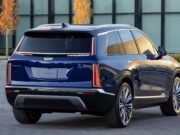

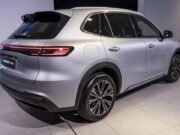

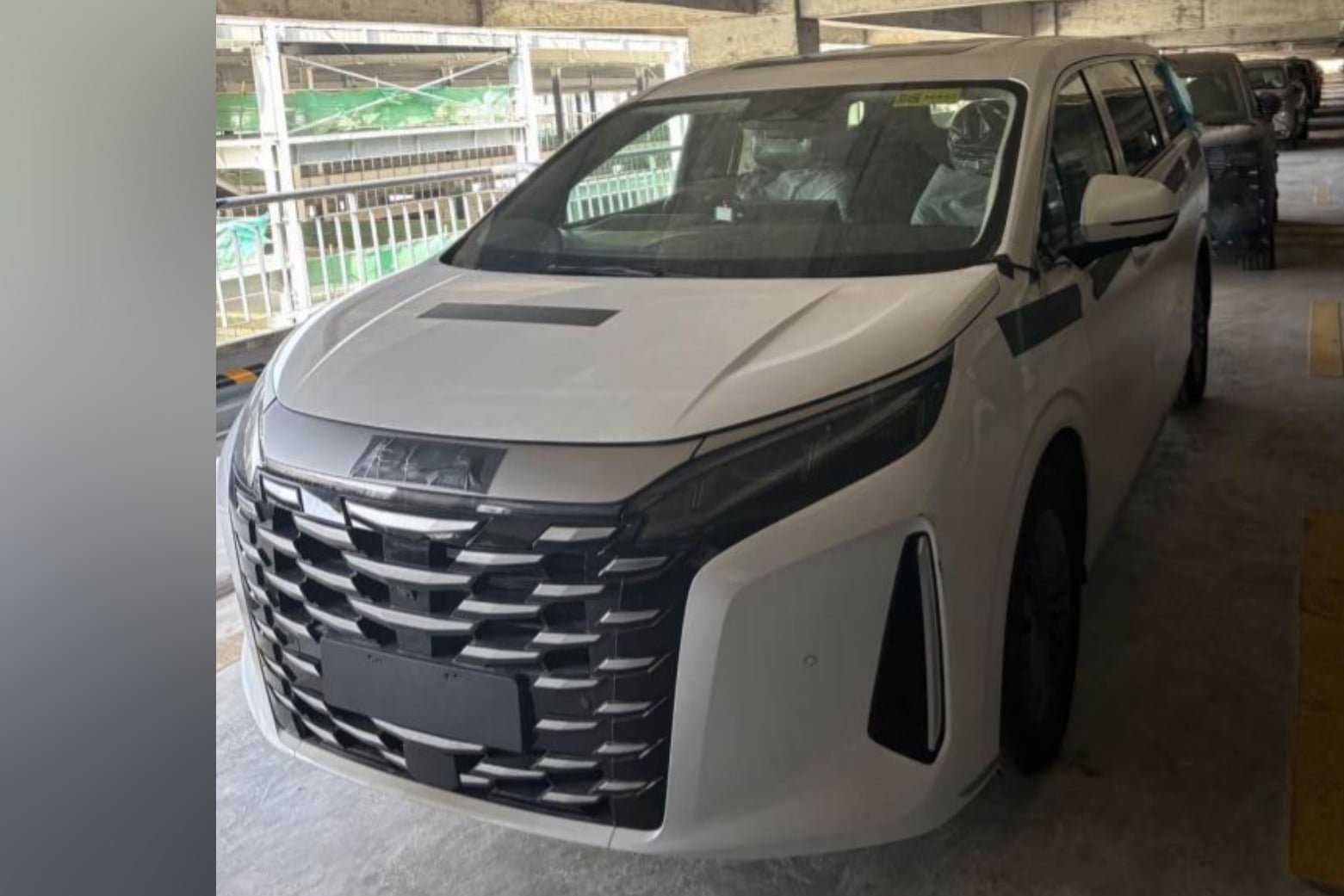
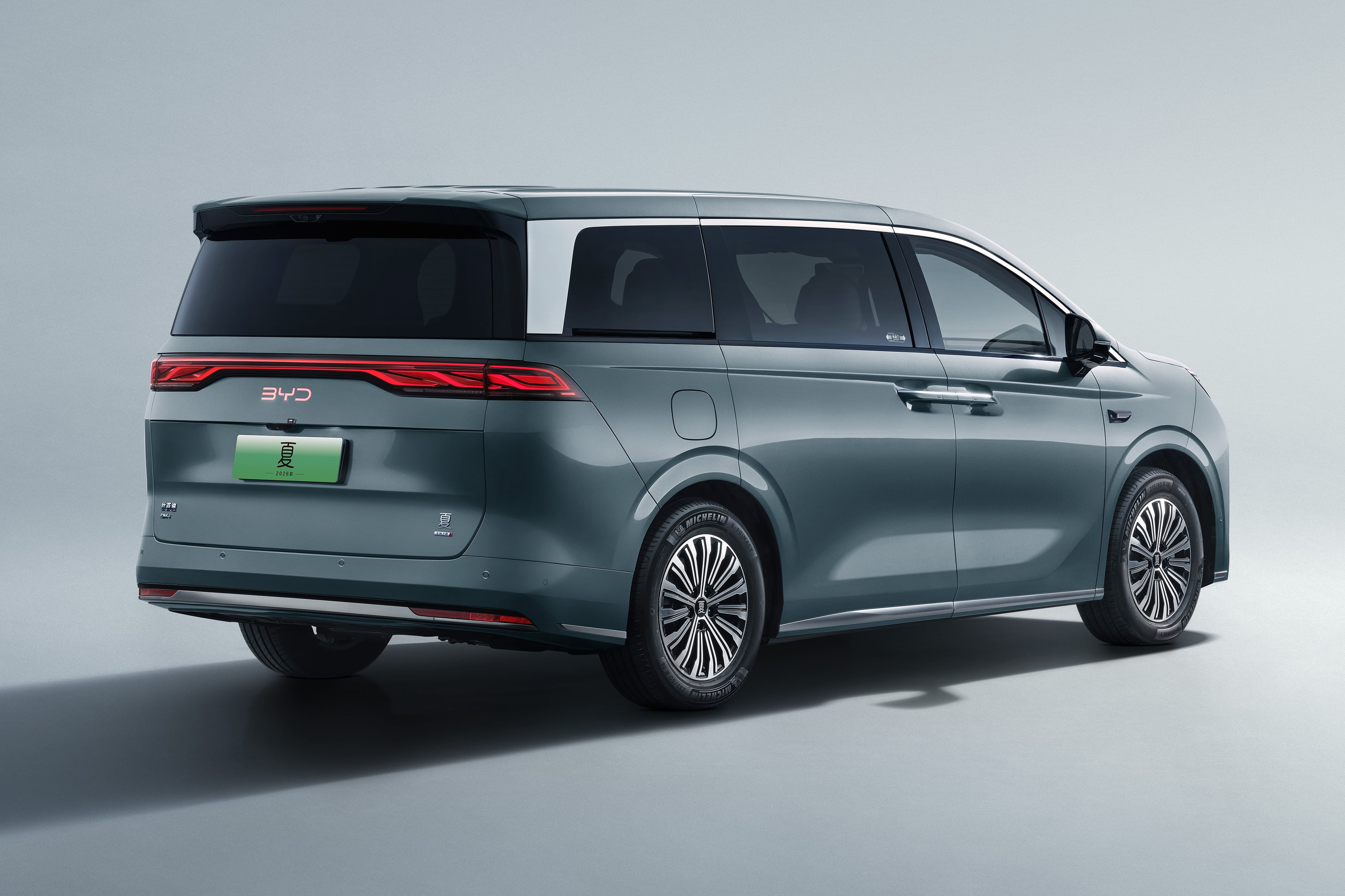
BYD is one step closer to launching its first seven-seat people mover in Australia, with the M9 appearing in government approval documents.
There’s been a flurry of Chinese brands entering the people mover market in Australia, but almost all of them have been chasing more luxurious models like the Mercedes-Benz V-Class. That’s because in their homeland, these people movers are seen as prestige or halo models, and often come loaded with technology and luxury features.
With BYD’s luxury Denza brand tackling this end of the people mover market with its D9, that could leave the new BYD M9 – known in China as the Xia – to take on the top-selling Kia Carnival, which is priced from $54,300 to $76,630 before on-road costs.
We’ve contacted BYD Australia to confirm when the M9 will arrive in local showrooms.
CarExpert can save you thousands on a new car. Click here to get a great deal.
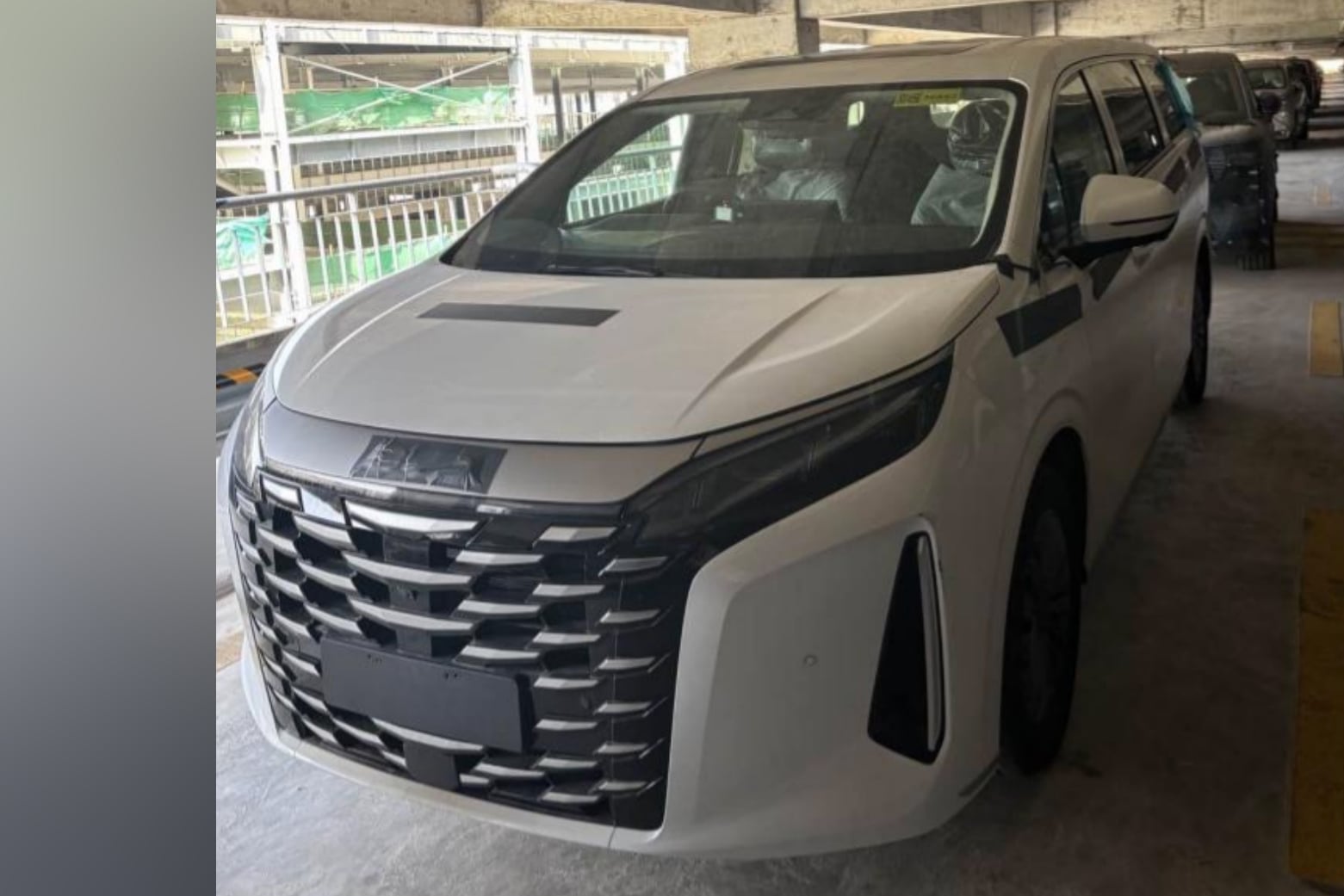
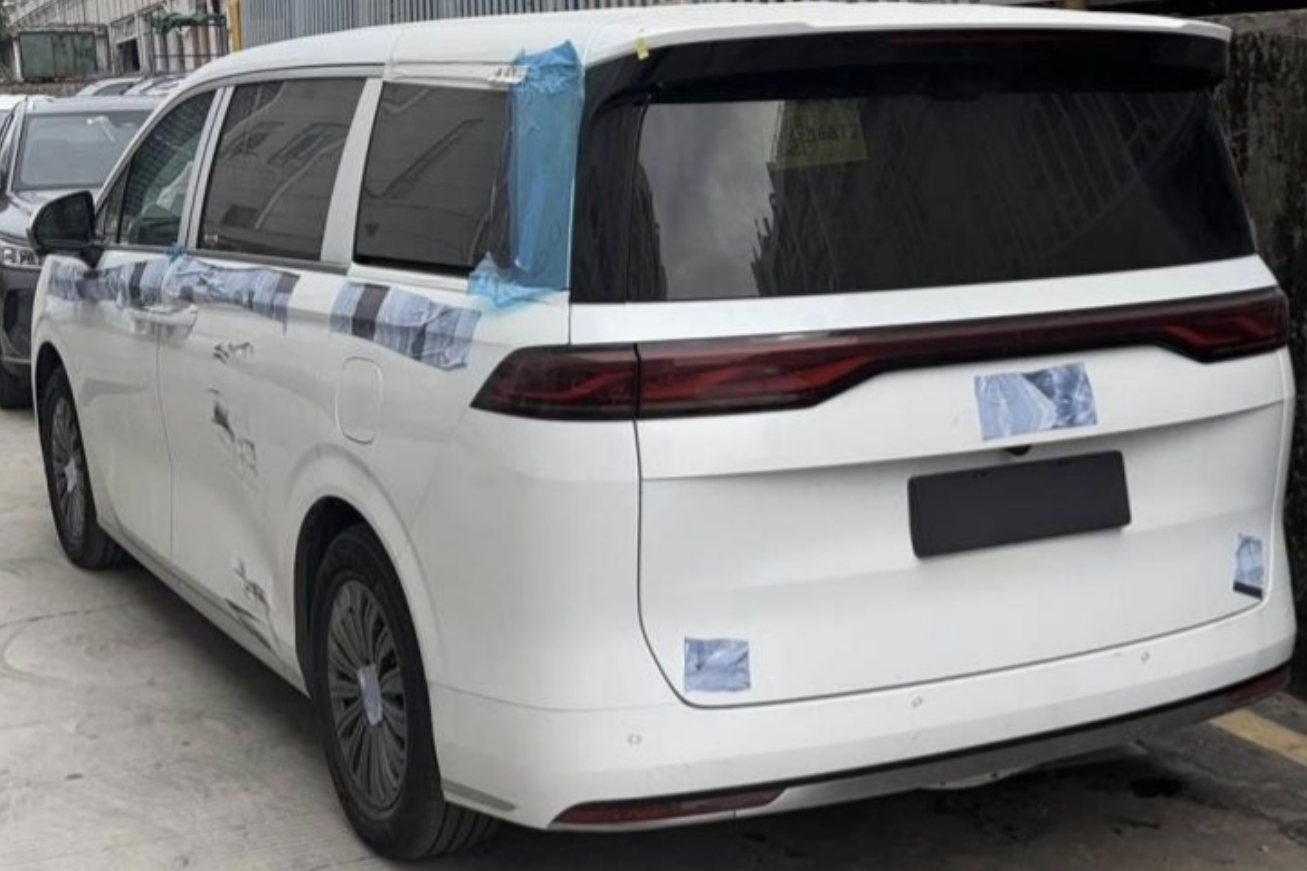
In China, the 2026 Xia is priced from between 206,800 to 269,800 RMB (~A$42,000-$54,750), down from 249,800 to 309,800 RMB (~A$50,700-$62,900) for last year’s model.
In contrast, the Sealion 8 sold in Australia is priced from 229,800 to 285,800 RMB (~A$46,600-$58,000) in China, where it’s known as the Tang L DM, while the electric Sealion 7 is priced from 189,800 to 239,800 RMB (~A$38,500-$48,700).
Australian approval documents list a choice of two plug-in hybrid powertrains, both of which incorporate a turbocharged 1.5-litre four-cylinder petrol engine. Power and torque outputs are listed as 191.4kW and 218.2kW, respectively.
The only plug-in hybrid people mover available in Australia at present is the GAC M8, with the Carnival offered only as a conventional hybrid alongside a popular diesel powertrain.
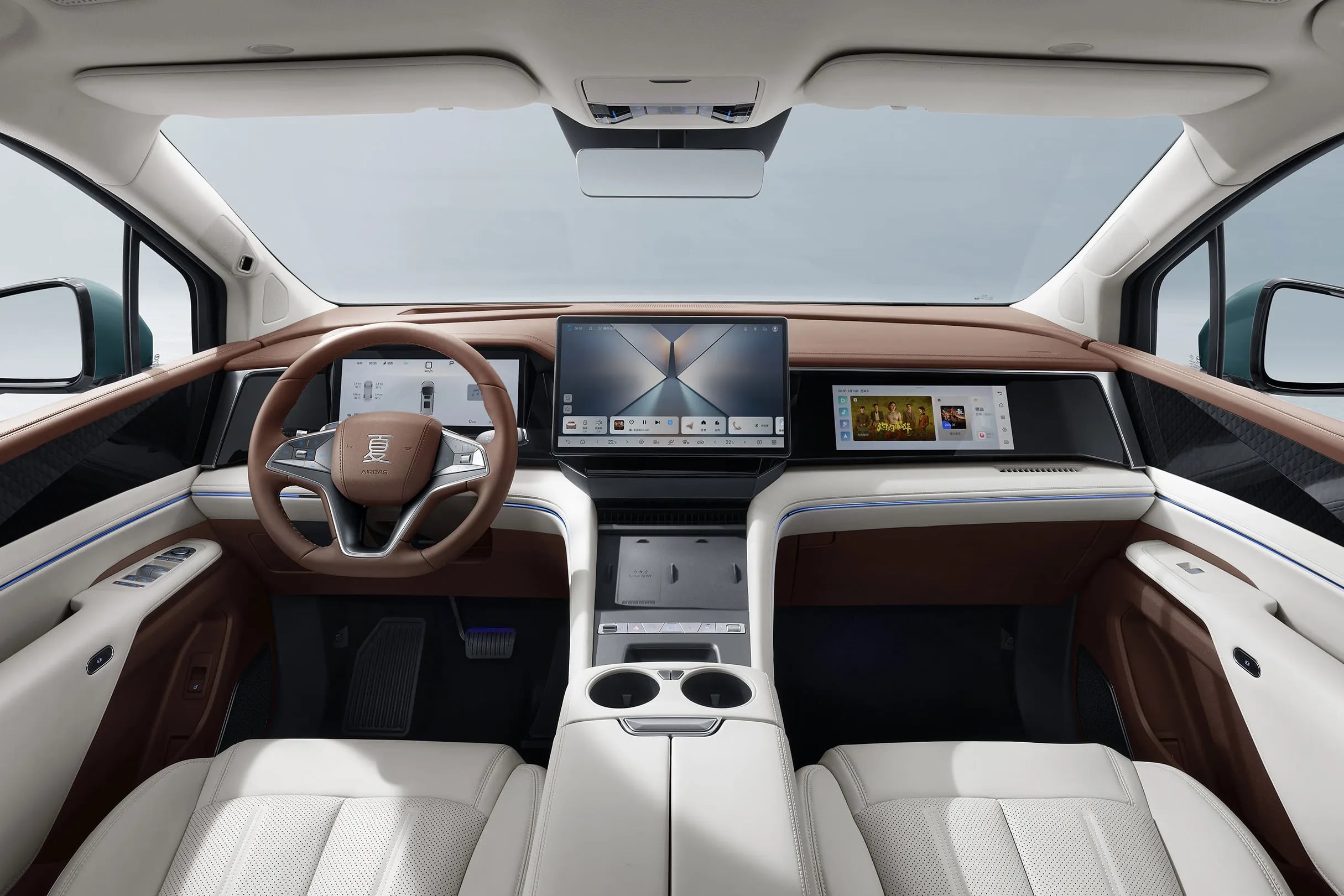
Payload is 654kg across the range and braked towing capacity is 1500kg, with the M9 measuring 5145mm long, 1970mm wide and 1805mm tall on a 3045mm wheelbase.
That makes it 10mm shorter, 25mm narrower and 30mm taller than the Carnival on a 45mm shorter wheelbase.
Australian approval documents don’t list all technical specifications, but a look at BYD’s Chinese website breaks down the Xia’s powertrain options.
The combustion engine produces 115kW of power and 225Nm of torque, while the electric motor produces 200kW and 315Nm.
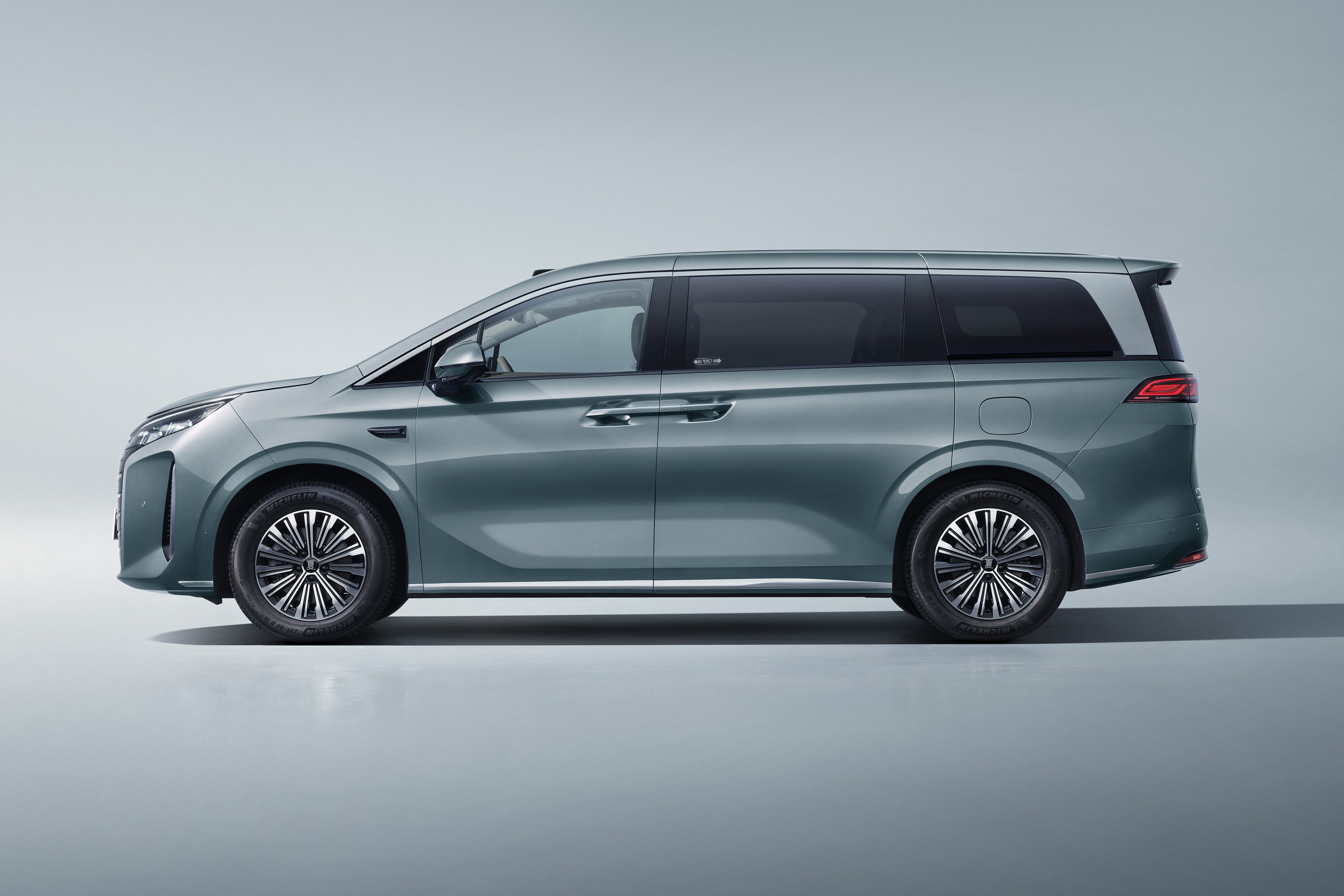
The standard 20.39kWh battery provides 100km of electric driving range on the CLTC cycle and has a peak DC fast-charge rate of 41kW, while the 36.6kWh battery boosts range to 203km or 218km, and can be charged at up to 73kW.
Fuel consumption is between 4.9L/100km and 5.0L/100km on the NEDC cycle for all Xia variants.
The Chinese-market 2026 Xia rides on MacPherson strut front and multi-link rear suspension with DiSus-C adaptive dampers.
Inside, there’s a 15.6-inch touchscreen infotainment system with sentinel and karaoke modes plus various games, as well as a 12.3-inch digital instrument cluster, a 12-speaker sound system, tri-zone climate control, and heated, ventilated and power-adjustable front seats.
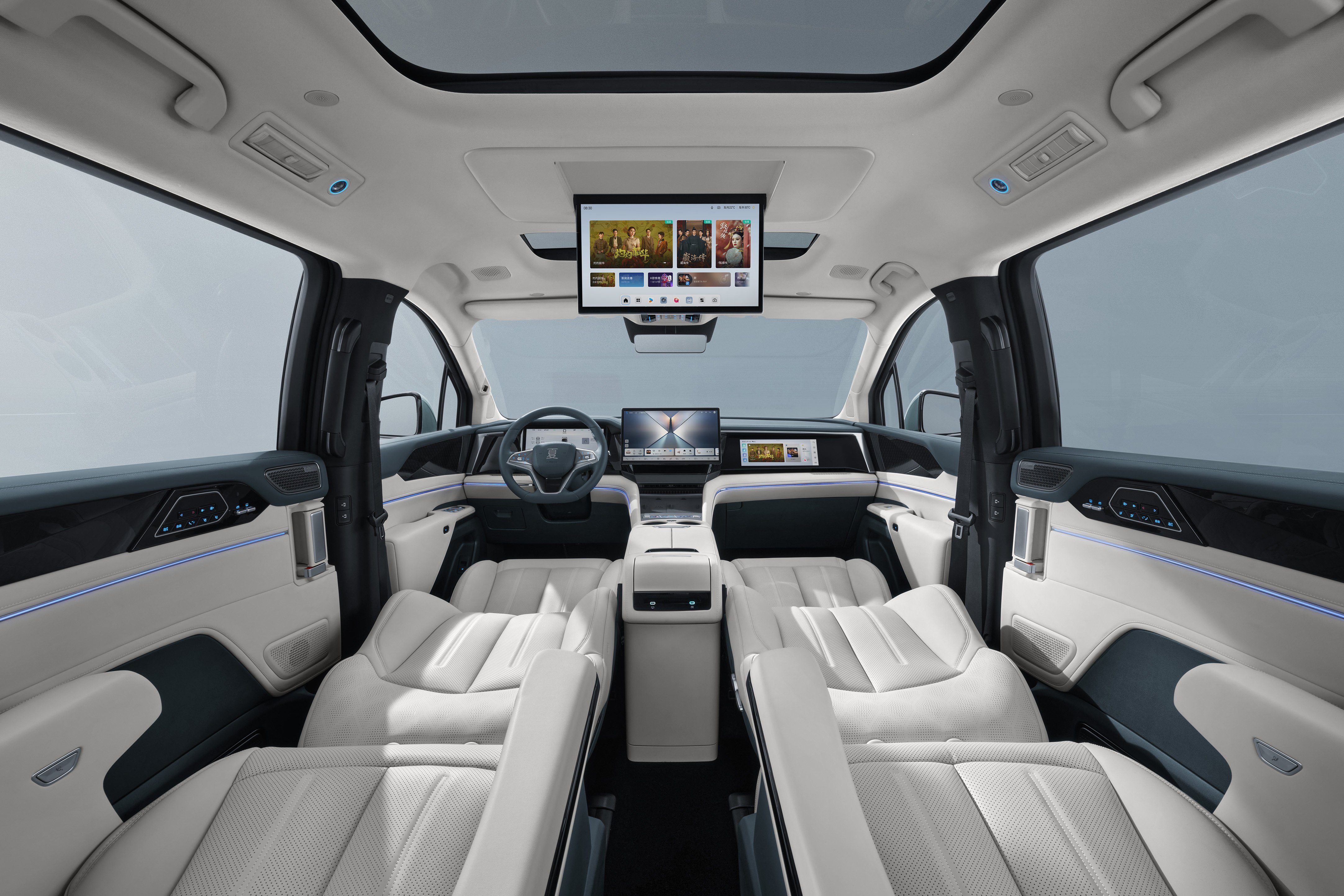
A panoramic sunroof and massaging front seats are available higher up in the range, as are “first-class” second-row seats with massaging, but all bar the base Xia come with heating and ventilation plus power-adjustable leg rests in the second row.
The flagship ups the ante with a 26-inch head-up display, a 15.6-inch rear screen, a 24-speaker sound system with Dolby Atmos, a digital rear-view mirror, and a ‘Children’s Space’ with AI voice interaction.
Standard active safety and driver assist technology across the range includes adaptive cruise control, autonomous emergency braking, rear cross-traffic assist and safe exit warning.
Available active safety and driver assist technology includes highway and city Navigation on Autopilot systems, remote parking assist, traffic light recognition, and front cross-traffic assist.
Only one Chinese brand has tried to directly take on the top-selling Carnival – which last year claimed a whopping 73.4 per cent of Australia’s overall people mover market – and that was the LDV Mifa.
However, LDV Australia confirmed last year it had “paused” sales of the Mifa and said it was continuing to monitor the people mover market in Australia.
Kia has secured even more of a stranglehold on the people mover market as once-popular nameplates from Toyota and Honda have been withdrawn, while new fare like the Ford Tourneo and Hyundai Staria haven’t come close to its sales numbers – even though the latter is mechanically related.
MORE: Explore the BYD showroom