













Mazda is so content with plugging holes in its electric vehicle (EV) lineup with products developed by its Chinese joint venture with Changan that it has delayed its next in-house, dedicated EV by another two years to 2029.
In contrast with Honda, which pulled the plug on a range of EVs it had already revealed almost production-ready versions of and indefinitely delayed new EV and battery production facilities, Mazda has delayed EVs it apparently hadn’t even meaningfully committed resources to.
“Did we have to impair or write off any facilities? We have not,” said Mazda CEO Masahiro Moro during an earnings call on May 12, per a report from Automotive News.
“We made the decision before we started. For battery EVs we were always careful.”
CarExpert can save you thousands on a new car. Click here to get a great deal.
The delay has been blamed on tougher tariffs, weaker emissions standards, and defunct EV incentives in the US.
After pledging in 2022 to invest 1.5 trillion yen (A$13.14 billion) in electrification through 2030, a figure later revised to 2 trillion yen (A$17.52bn) to account for inflation, Mazda says it has now adjusted this figure to 1.2 trillion yen (A$10.5bn).
“This is not merely a cutback, but a strategic optimisation – a process of selection and concentration,” the company says in its fiscal year March 2026 financial results.
“We conducted a thorough review of our in-house BEV program. We streamlined our battery, electric drive, motor, and product lineups. We are also considering how to optimise launch timing based on market trends.”
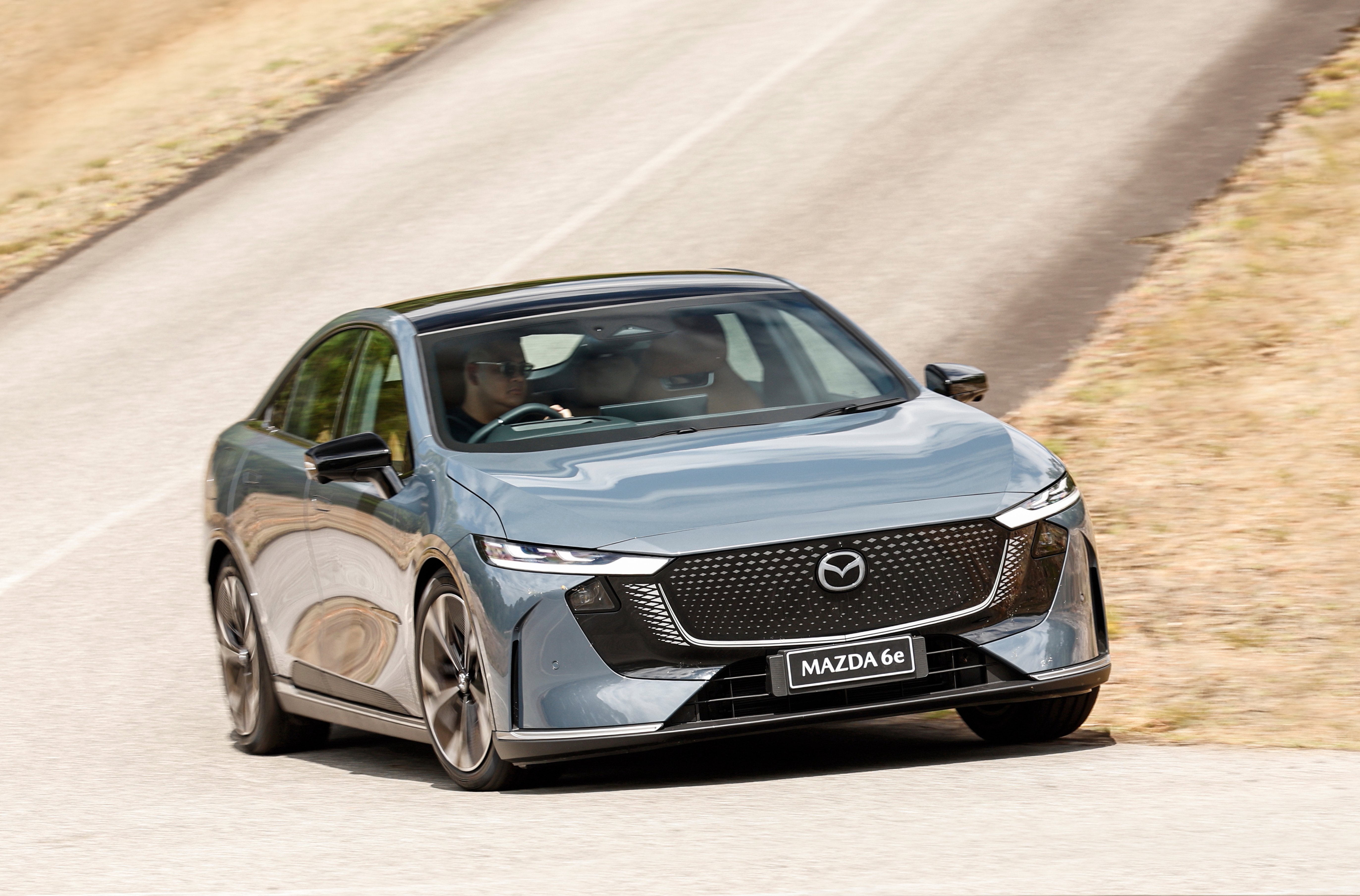
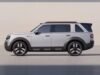
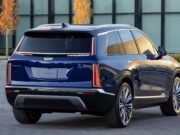
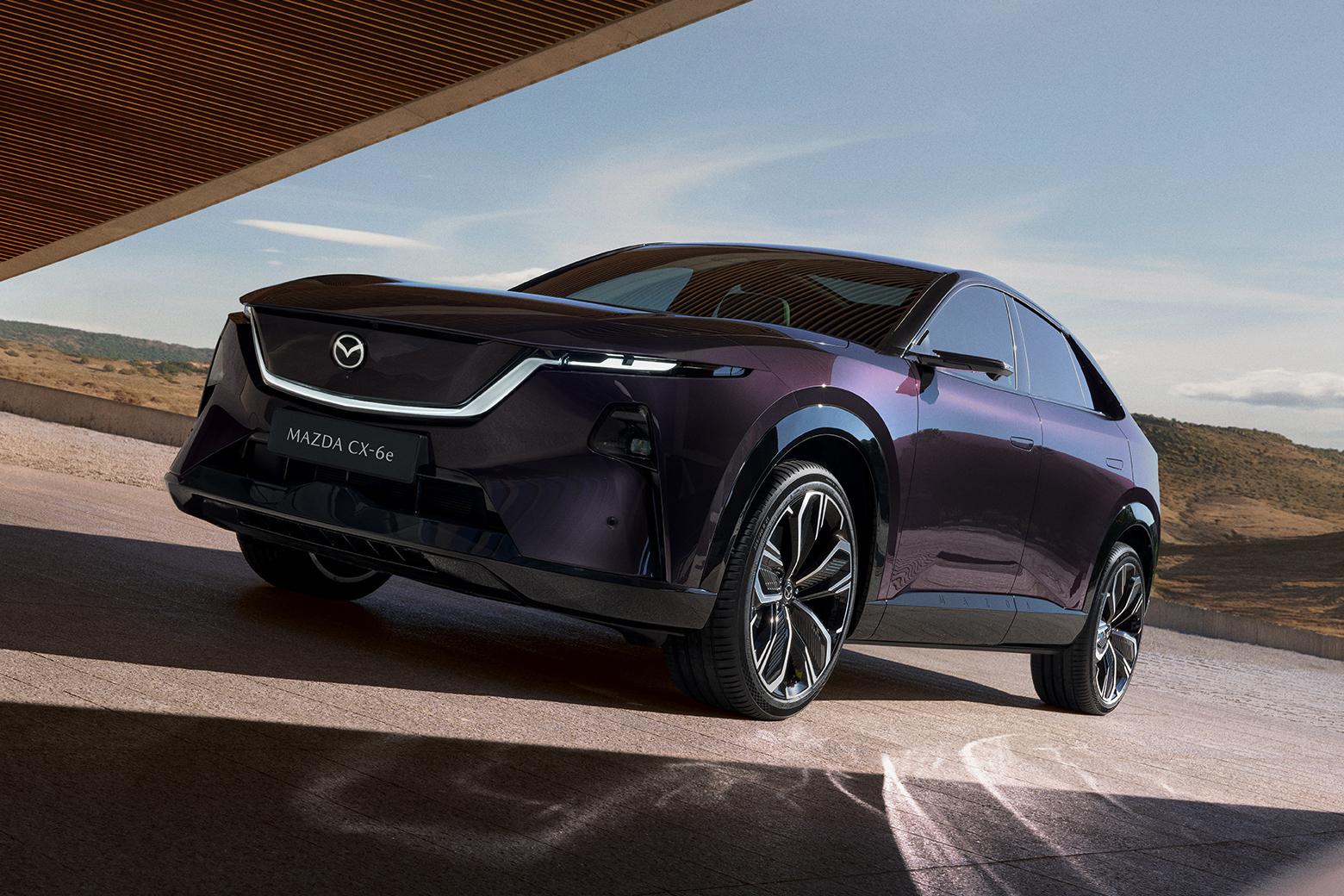
Mazda still has EVs coming, but they’ll be sourced from its joint venture with Chinese automaker Changan. It’s planning four in total, with the 6e sedan and CX-6e SUV already revealed; these two models have already been confirmed for a 2026 launch in Australia.
It says this is part of its ‘Lean Asset Strategy’, whereby it’ll “actively and flexibly” utilise assets from its partners instead of being wholly self-reliant.
In addition to its Changan tie-up, it also works closely with Toyota – which owns around five per cent of Mazda – and has sourced technology (the CX-50’s hybrid system) and even whole vehicles ().
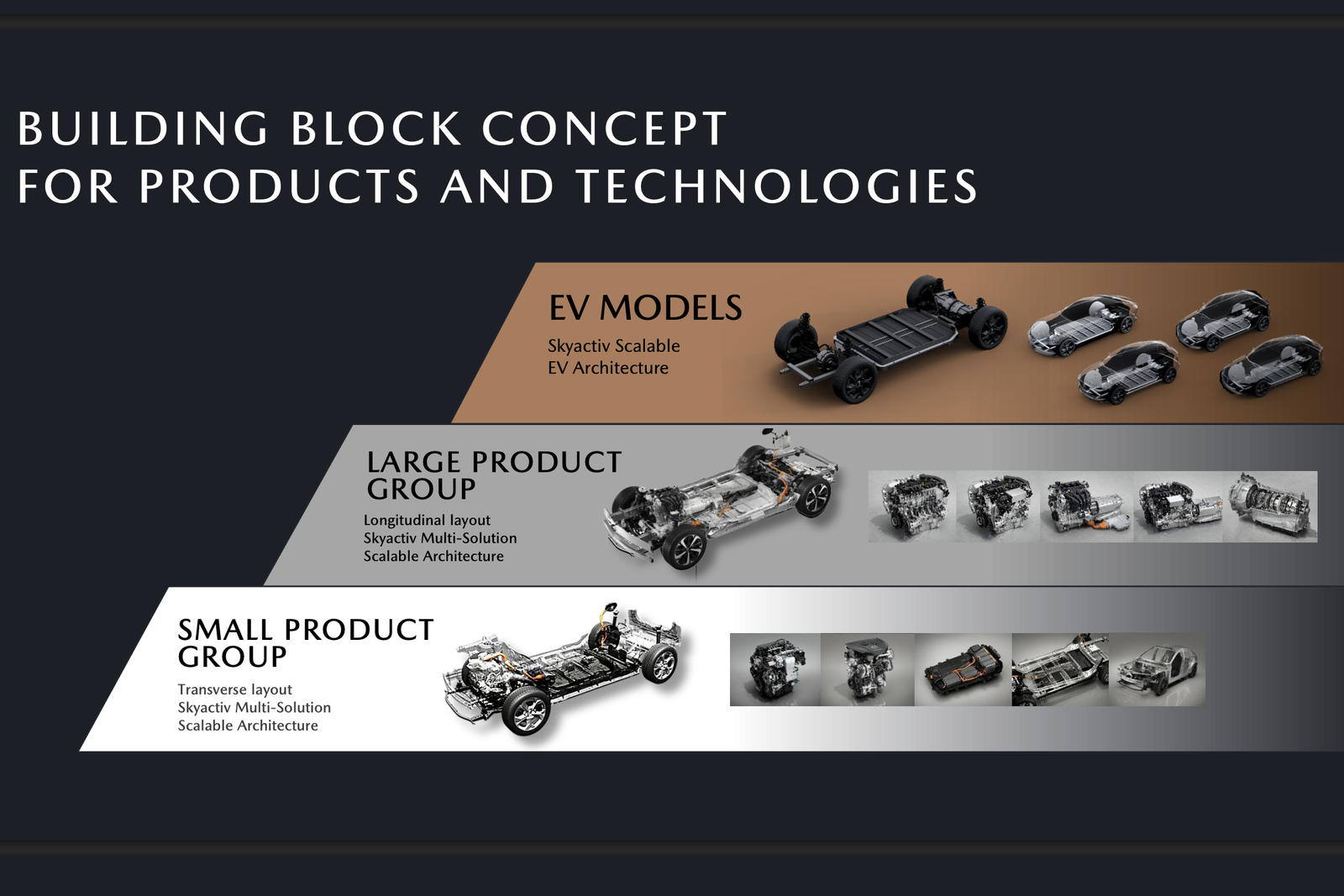
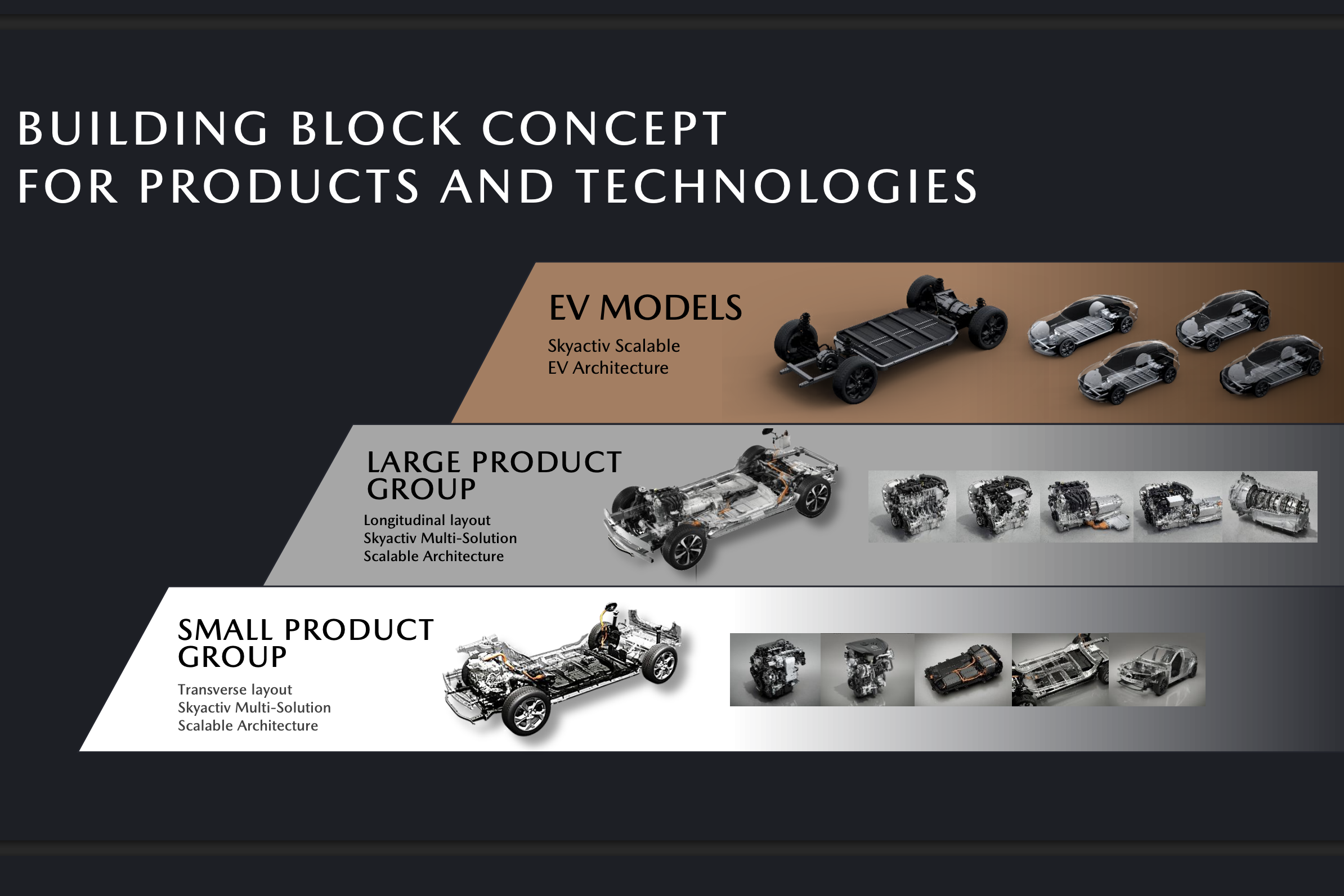
Mazda announced its SkyActiv Scalable EV Architecture in 2021, and at the time it said the first model based on the platform would be launched in 2025, but this was later pushed out to 2027. A report earlier this year indicated this had been pushed out to 2028.
Like other automakers such as Toyota, Mazda is committing to a ‘multi-pathway’ powertrain strategy. Depending on the market, it offers combustion-powered, mild-hybrid, hybrid, plug-in hybrid and electric vehicles.
It says it’s “intensively” allocating resources to “areas that create unique brand value” including investment in its Large Architecture family of vehicles which comprise the CX-60, CX-70, CX-80 and CX-90, plus investment in internal-combustion engines and hybrids.
While it uses Toyota hybrid powertrains in its CX-50, the new CX-5 will debut a new in-house-developed hybrid system, likely in 2027, which will be one of three new hybrids due by 2030.
It expects electrification to accelerate in full scale after 2030, and between now and the end of 2028 it intends to prioritise resources towards next-generation batteries and plants in which to assemble them, while still developing internal-combustion powertrains and expanding its hybrid lineup.
By 2030, it’s aiming for EVs to account for 15 per cent of its global sales, or 200,000 to 250,000 units. However, its new Changan Mazda EVs thus far are only locked in for certain global export markets, including Australia and Europe, with no sign yet they’ll be offered in North America or Japan.
MORE: Explore the Mazda showroom