












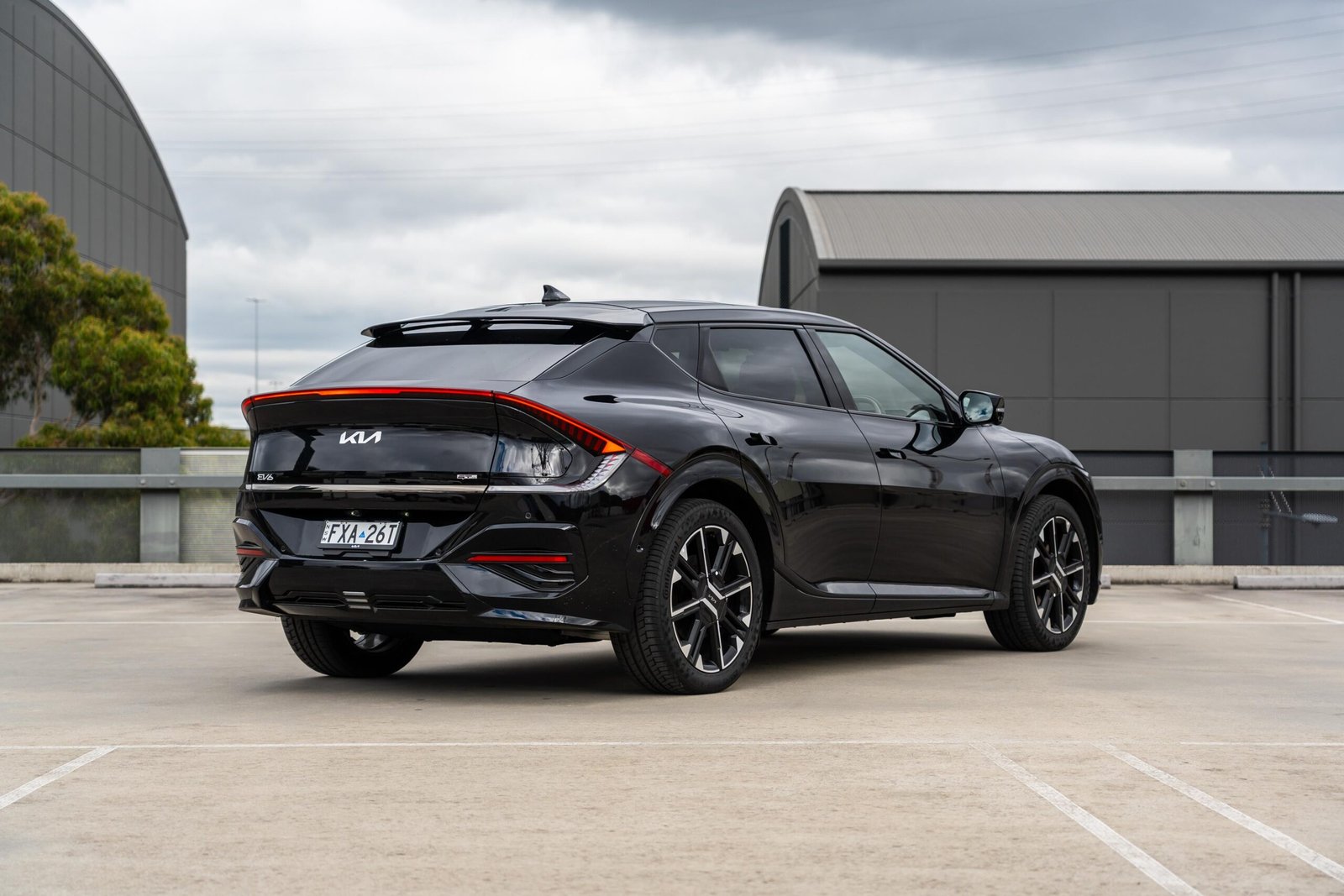
The updated Kia EV6 is finally here, and its 2024 reveal now feels like a lifetime ago.
Headlining the changes for the large electric SUV is a new 84kWh lithium-ion battery replacing the old 77.4kWh unit, which boosts claimed WLTP driving range from 528km to 582km in the base rear-wheel drive Air. As before, it can be charged from 10 to 80 per cent using a 350kW ultra-fast DC charger in roughly 18 minutes.
Its shock absorbers have been tuned, there’s more sound deadening around the rear-view mirror, and body rigidity has been increased by thickening the B-pillars. Side airbags have also been added for the second row.
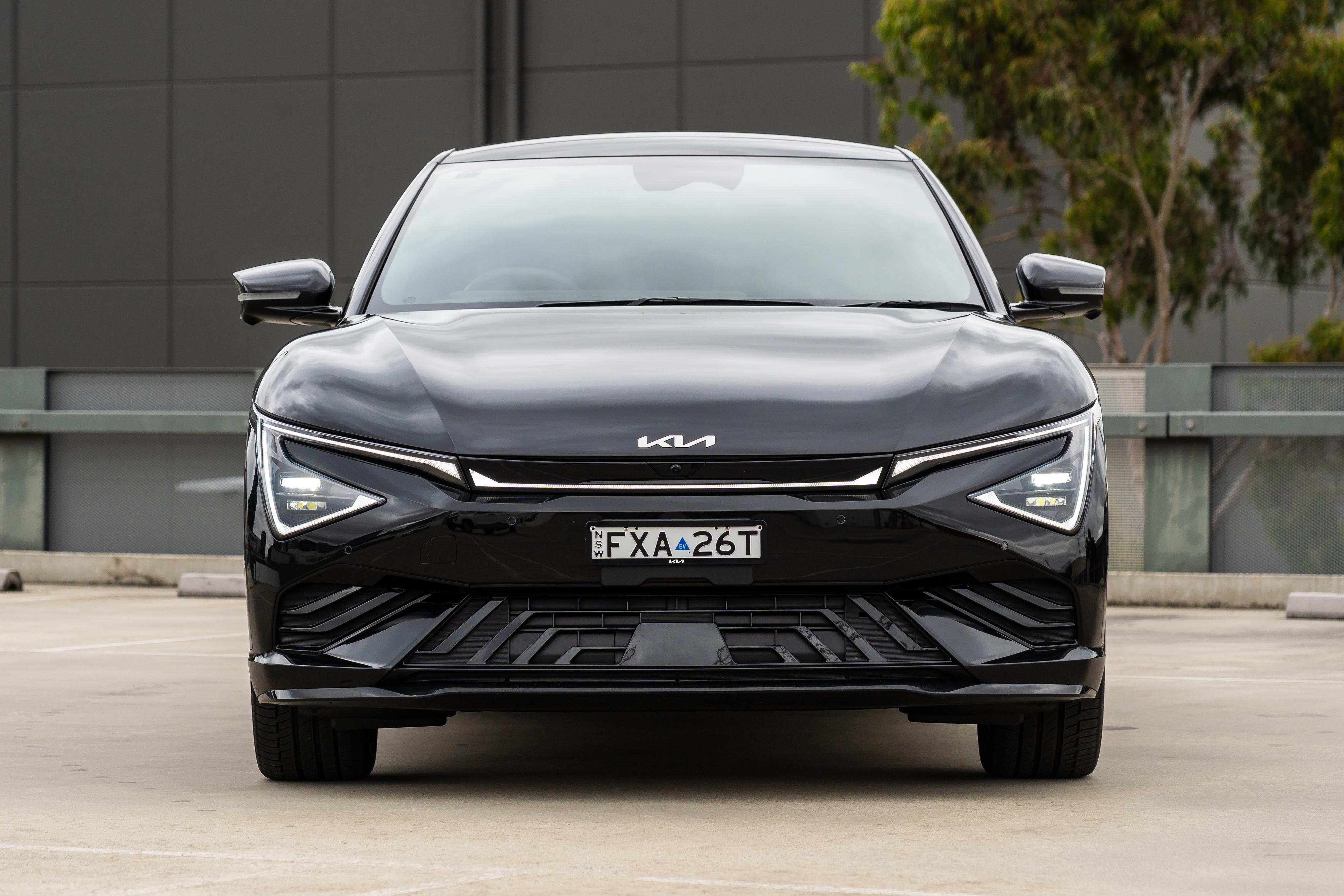
Inside, there’s a new steering wheel, a redesigned centre console, and new software for both its infotainment system and instrument displays. Additionally, all variants come with a new fingerprint authenticator as standard, and a redesigned wireless charging pad that better holds your phone in place.
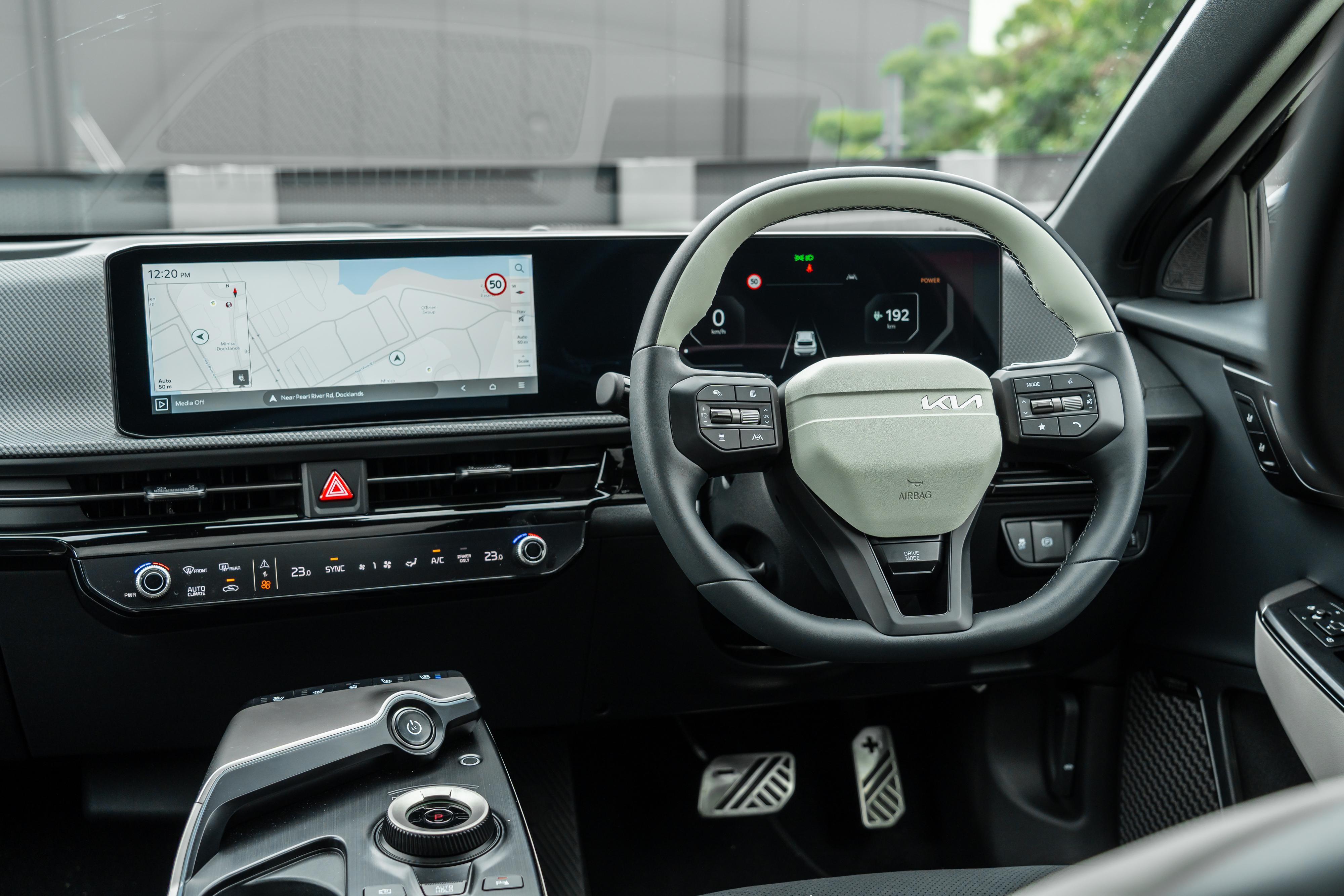
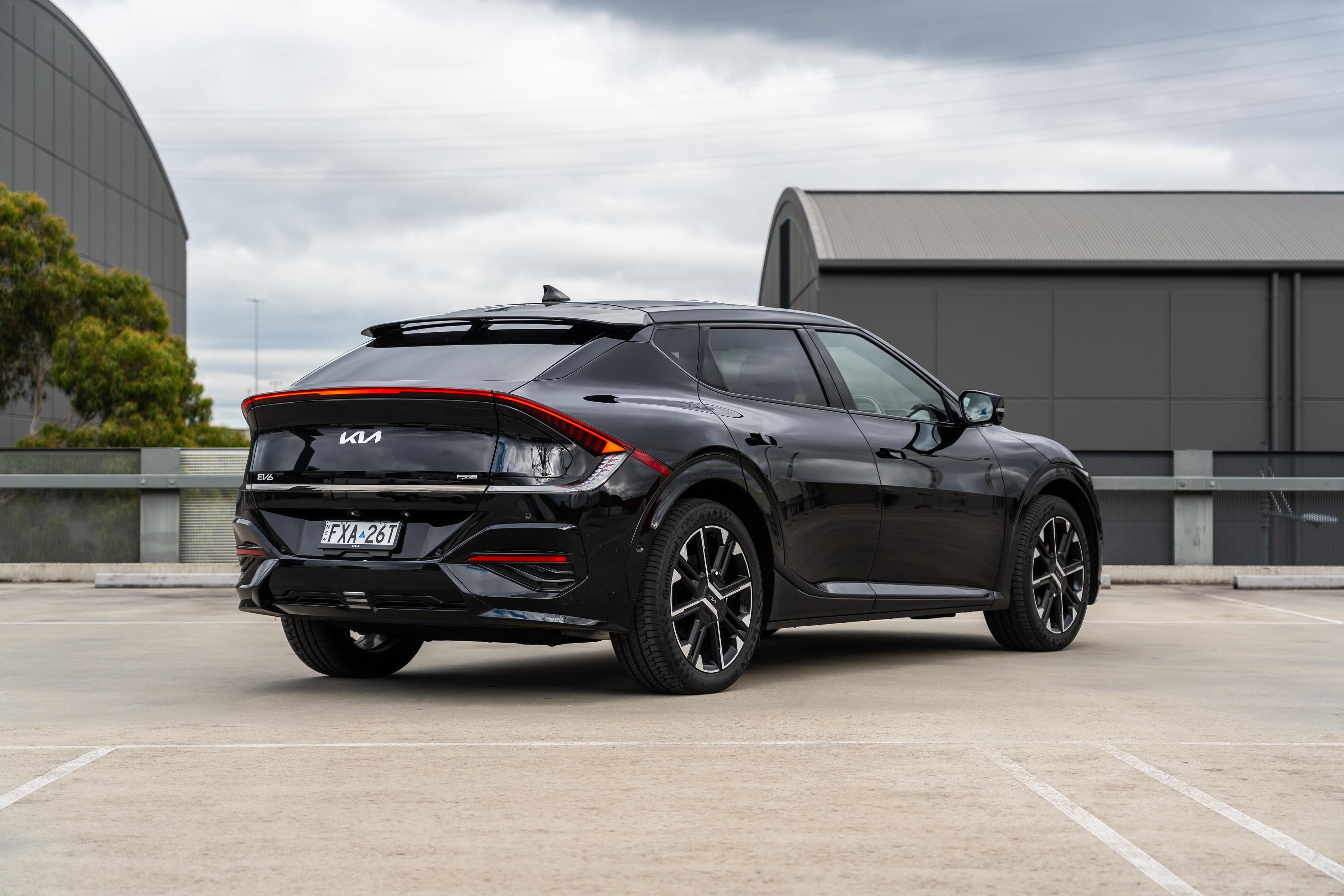
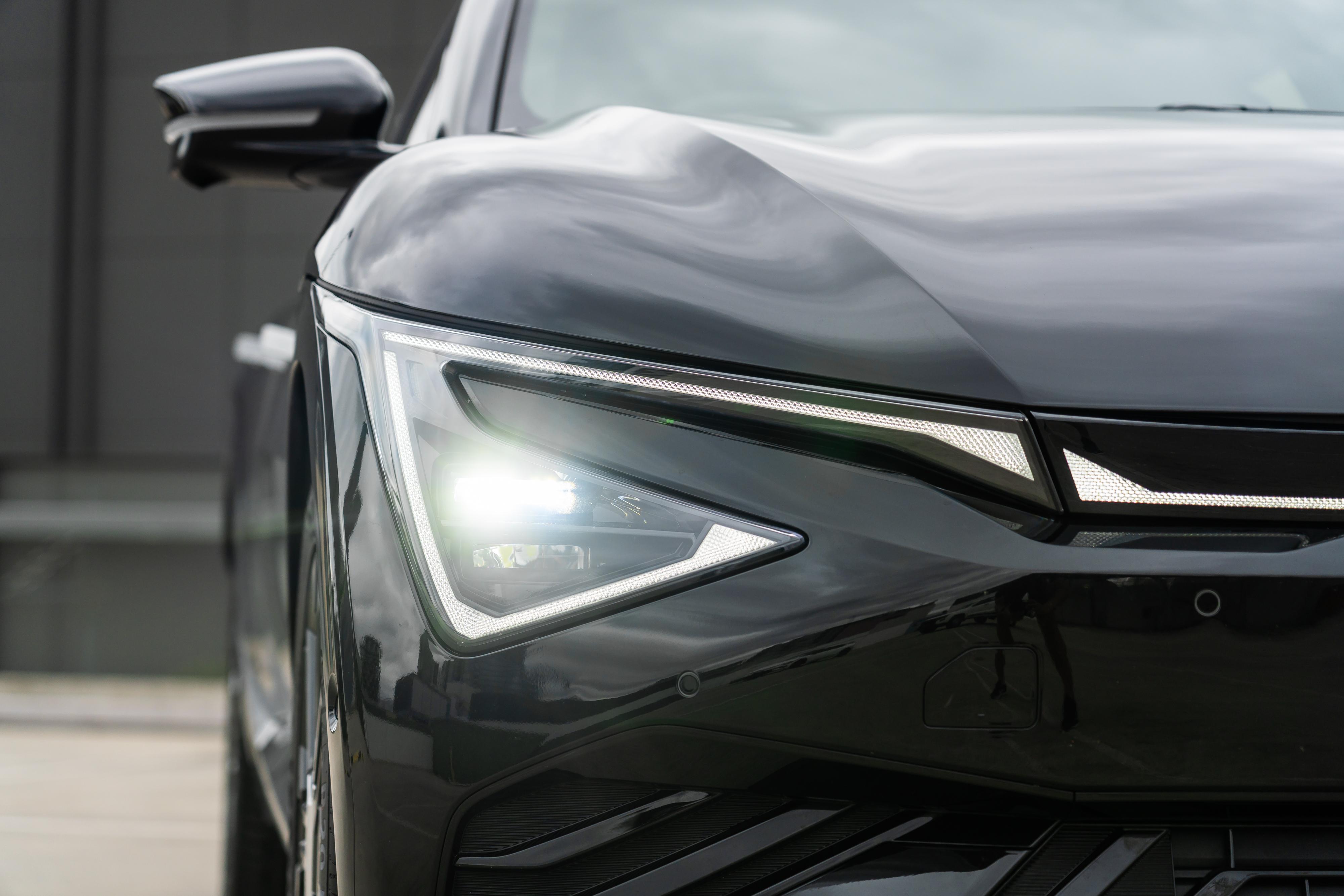
Outside, the front-end has been heavily redesigned to visually align the EV6 with the rest of Kia’s catalogue – a necessary move, given it was the brand’s first dedicated electric vehicle (EV) when it was launched in 2022 and it was already starting to look out of place.
All that sounds good on paper, but whether it will resonate with buyers remains to be seen. In the first four months of 2025, the EV6 chalked up 201 sales, so that will likely be a benchmark as the facelifted model settles in over the coming months.
On test here is the 2026 Kia EV6 GT-Line RWD – how does it stack up now it’s been brought up to date?
How much does the Kia EV6 cost?
The GT-Line RWD is the second-cheapest variant in the EV6 lineup, priced at $79,660 before on-road costs.
| Model | Price before on-road costs |
|---|---|
| 2026 Kia EV6 Air RWD | $72,660 |
| 2026 Kia EV6 GT-Line RWD | $79,660 |
| 2026 Kia EV6 GT-Line AWD | $87,660 |
| 2026 Kia EV6 GT AWD | $99,660 |
All grades are more expensive than their pre-facelift counterparts, albeit by a nearly imperceptible $70.
The EV6 competes in Australia’s large SUV segment, in which it has just a few close electric rivals. One is the Lexus RZ, which itself was just updated and now costs between $84,500 and $105,000 before on-roads, while another is the Ford Mustang Mach-E, which costs between $65,990 and $98,490 before on-roads.
You might also consider the new wagon-like Subaru Trailseeker, priced at either $67,990 or $73,990 before on-road costs, or its Toyota bZ4X Touring twin, which is slightly cheaper like-for-like.
Additionally, the MG IM6 tops out at $80,990 drive-away, and it’s important to consider the related Hyundai Ioniq 5, which costs between $76,200 and $115,000 before on-roads.
To see how the Kia EV6 stacks up against the competition, use our comparison tool
What is the Kia EV6 like on the inside?
As with the rest of this facelift, the EV6’s cabin has been treated to a raft of subtle tweaks that translate into big improvements when it comes to actually living with the car.
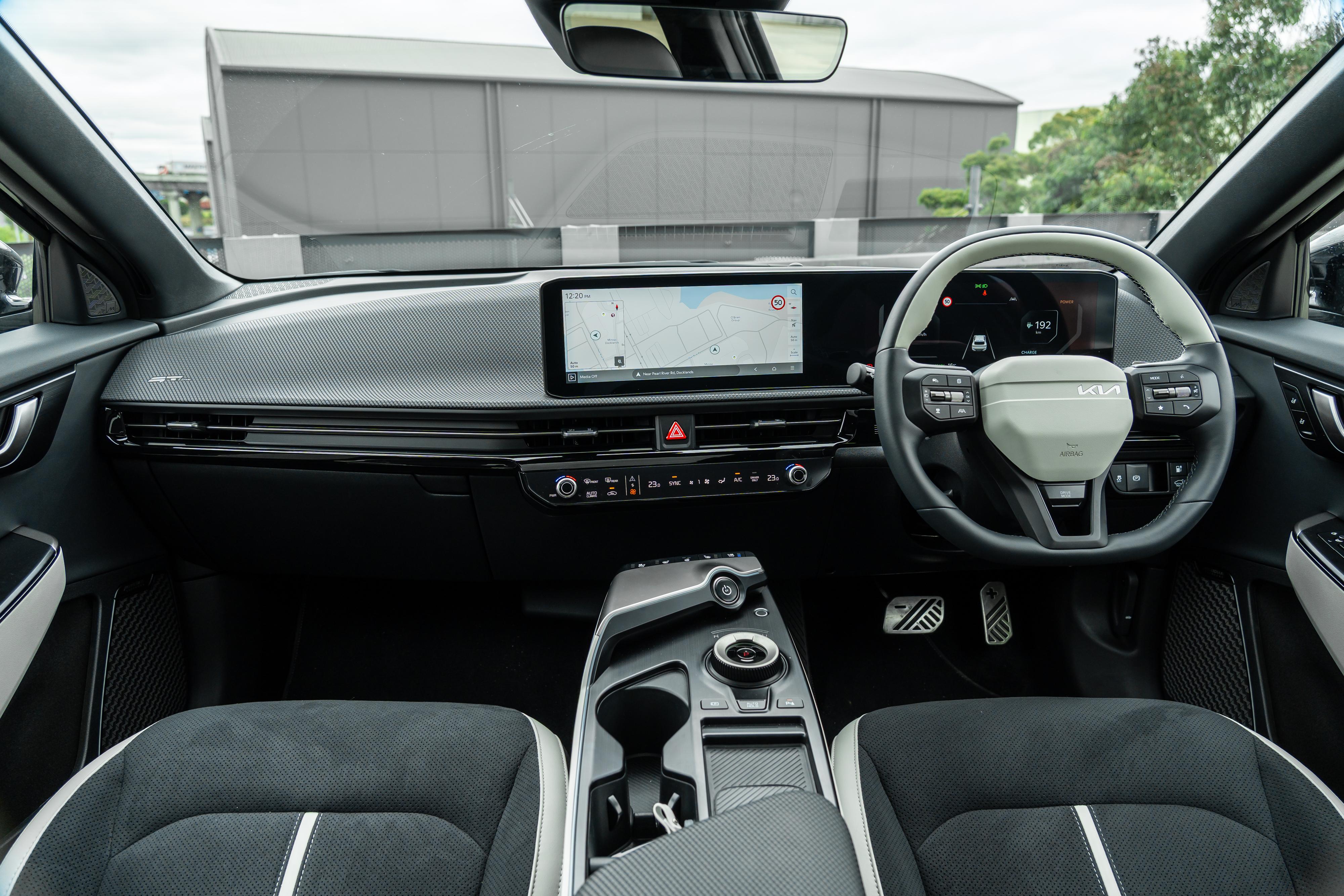
The most obvious changes are the infotainment/instrument displays and the steering wheel. As before, the infotainment system and instrument cluster are both situated on 12.3-inch screens that share the same curved housing, though the unit has been squared off and now looks a bit less in-your-face.
Importantly, the screen on the left now runs Kia’s newest ccNC (Connected Car Navigation Cockpit) infotainment system, which immediately looks far slicker than the setup it replaces. Wireless Apple CarPlay and Android Auto are standard, while over-the-air software updates are also supported – handy for keeping the in-built sat-nav up to date.
It’s sharp, demonstrates no input lag, and is now better aligned with the rest of Kia’s modern systems. The same is true of the instrument cluster, which has arguably received a greater visual upgrade than the refreshed infotainment setup.
The old screen didn’t sit well, and its graphics/theme looked dated, so we’re glad to see it’s been replaced by a simple, clean look with a somewhat understated elegance. Sure, it’s taken straight from the Kia parts bin, but what it lacks in visual character, it makes up for with vastly improved integration.
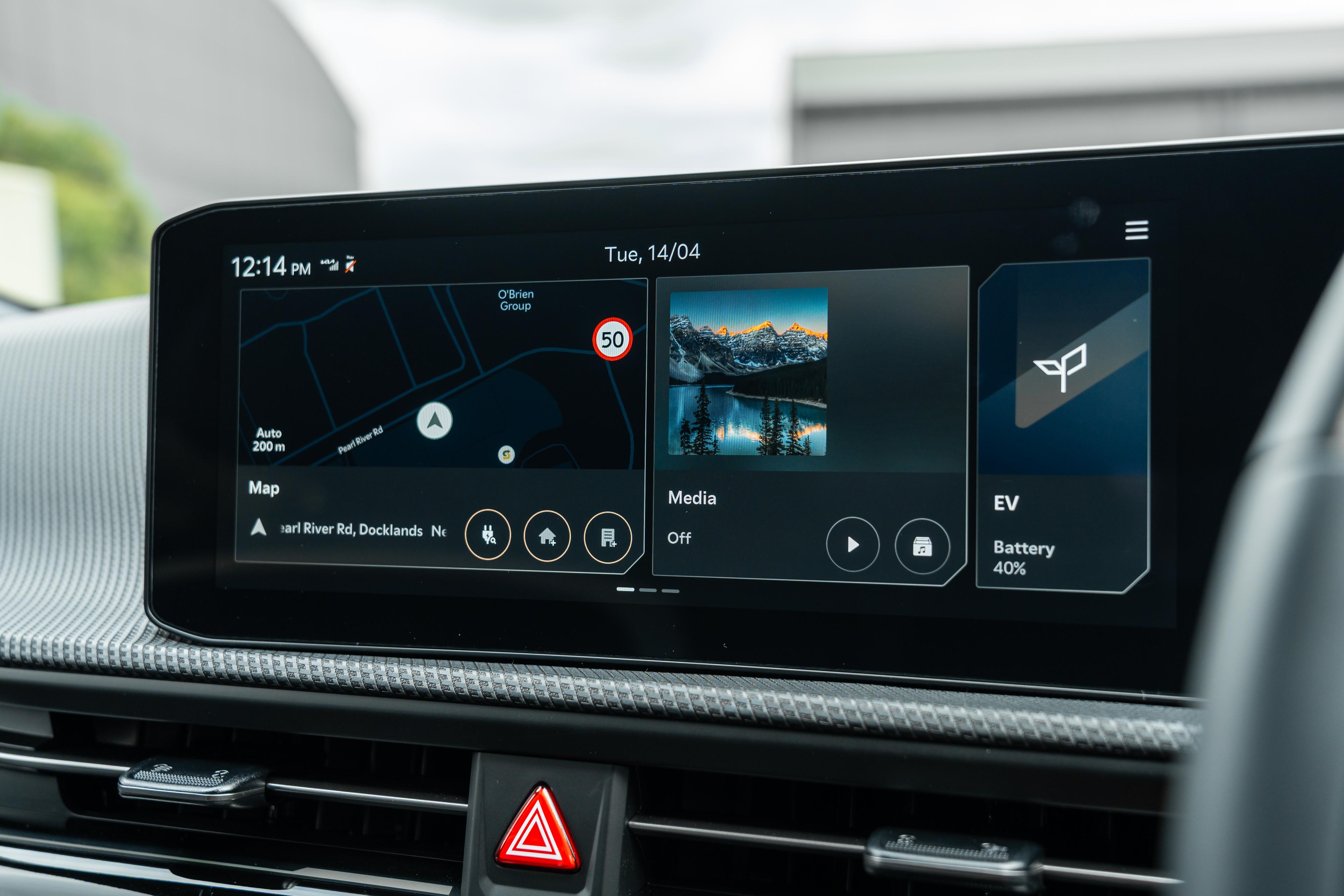
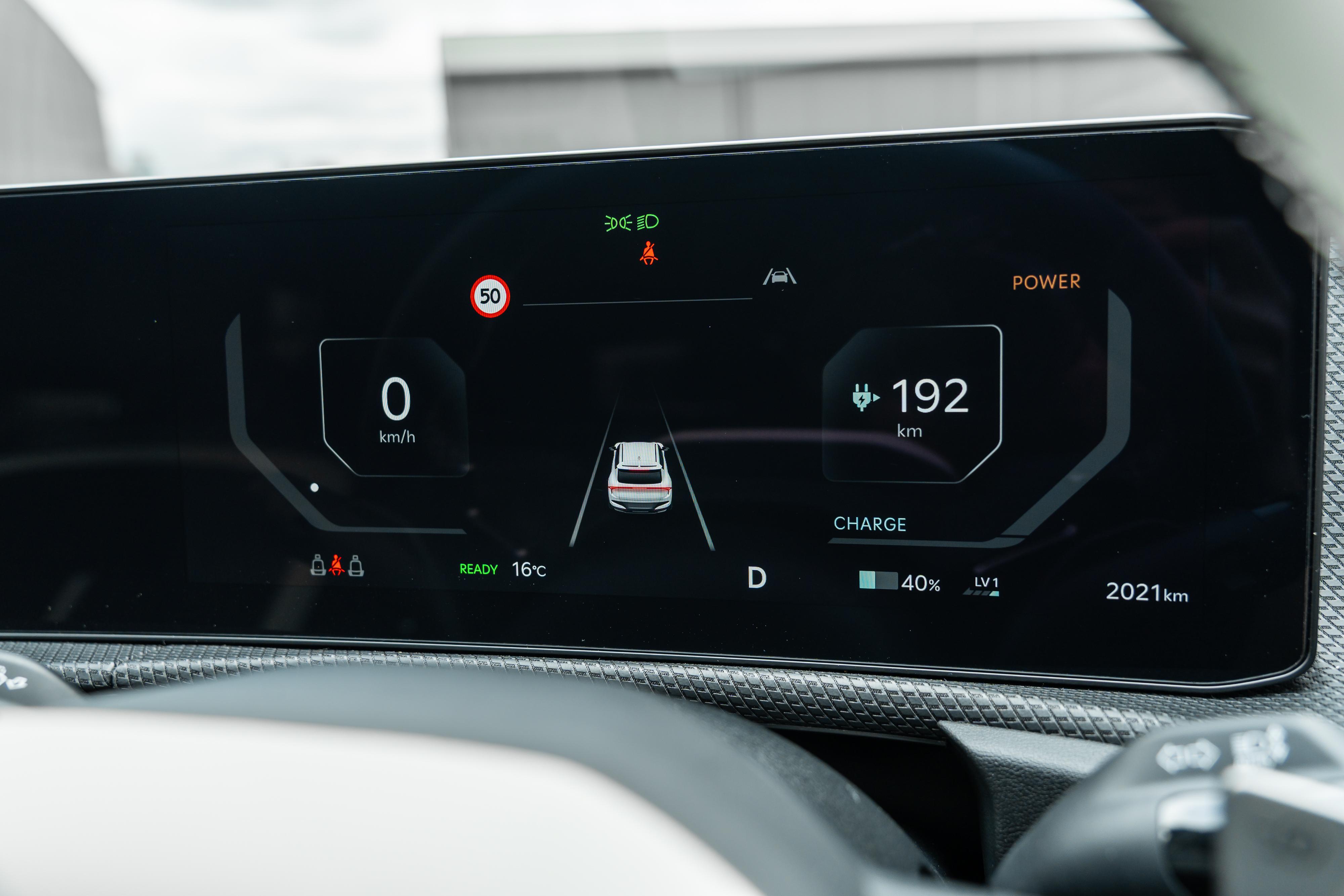
Being the latest Kia tech, both screens are clearly legible and easy to navigate. There are multiple pages in the infotainment system, each populated with large shortcut cards for the car’s various apps and features.
The instrument cluster, meanwhile, is navigated using buttons on the steering wheel and displays a variety of vehicle information across multiple menus. It never feels particularly intimidating, and we like that its theme changes depending on the drive mode. It’s all quite well-considered.
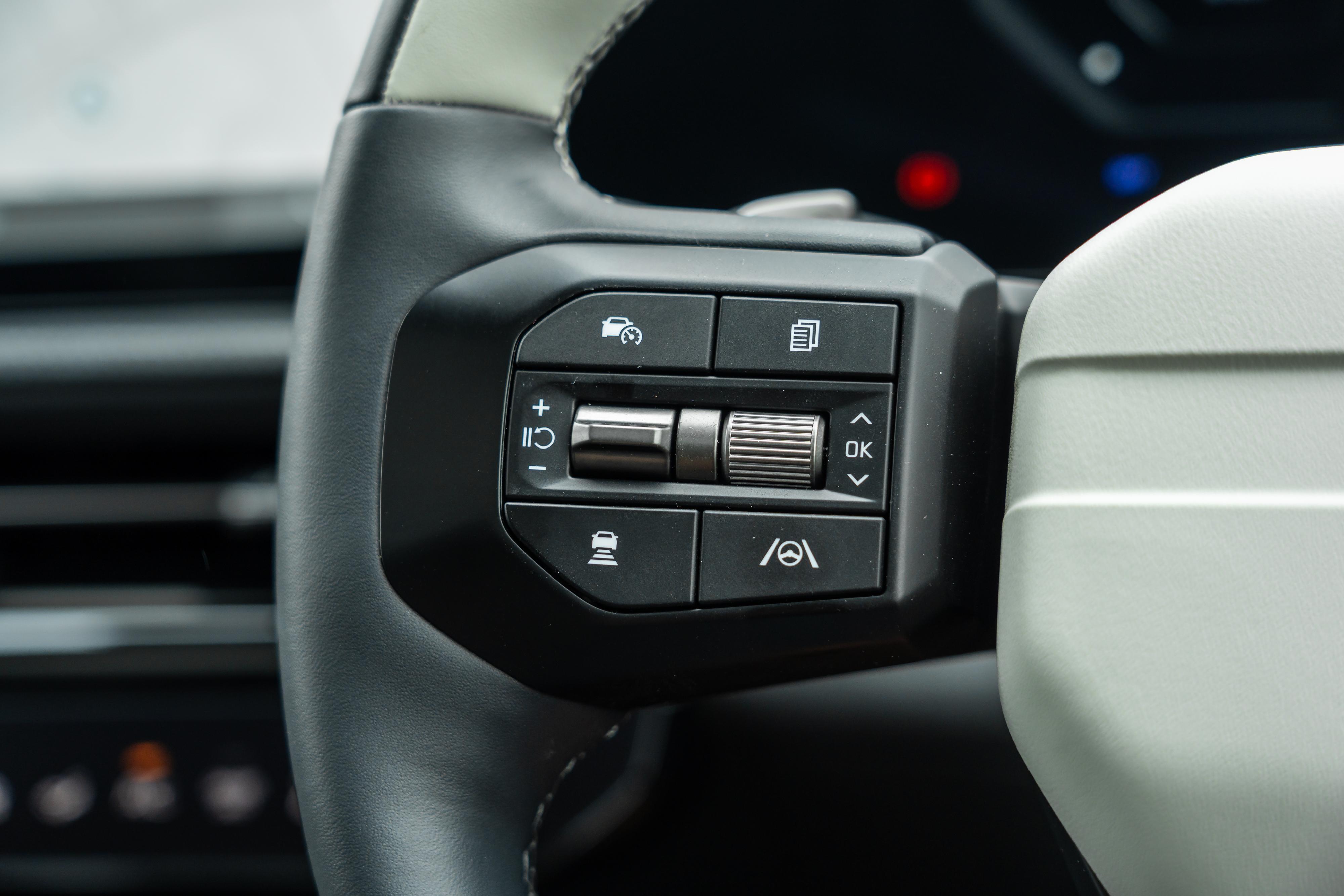
As for the steering wheel, it retains much of the same functionality as before, but looks far better than the subjectively drab unit it replaces. It’s fairly chunky, and while it’s also found in several other Kia models (K4, EV4, and Stonic, to name a few), it’s a good fit for the EV6’s character.
We should mention that this three-spoke wheel is only found in GT-Line variants (and the GT, but with more green), much like the way it’s only fitted to higher-spec versions of those other Kias. The base Air gets a two-spoke version instead.
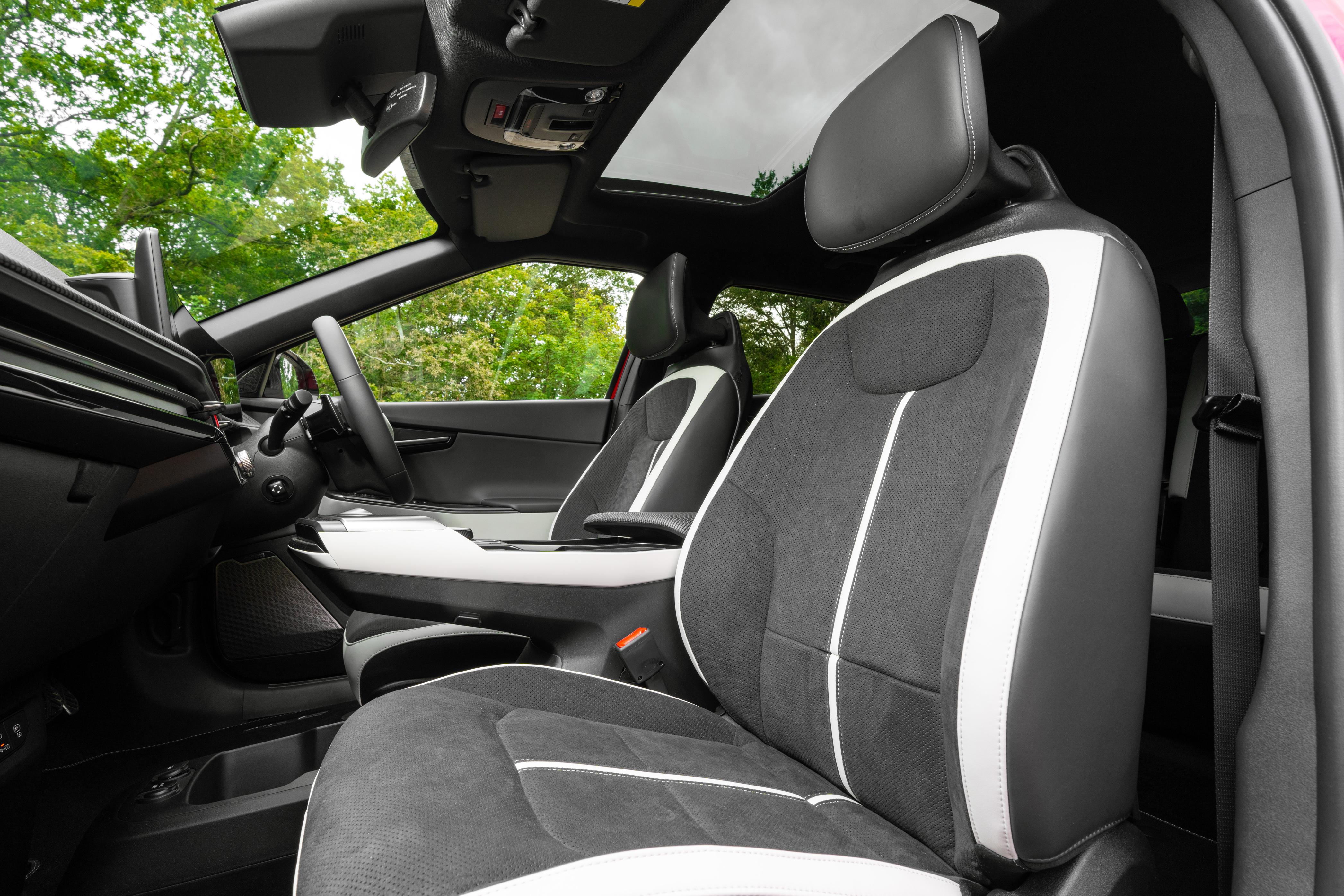
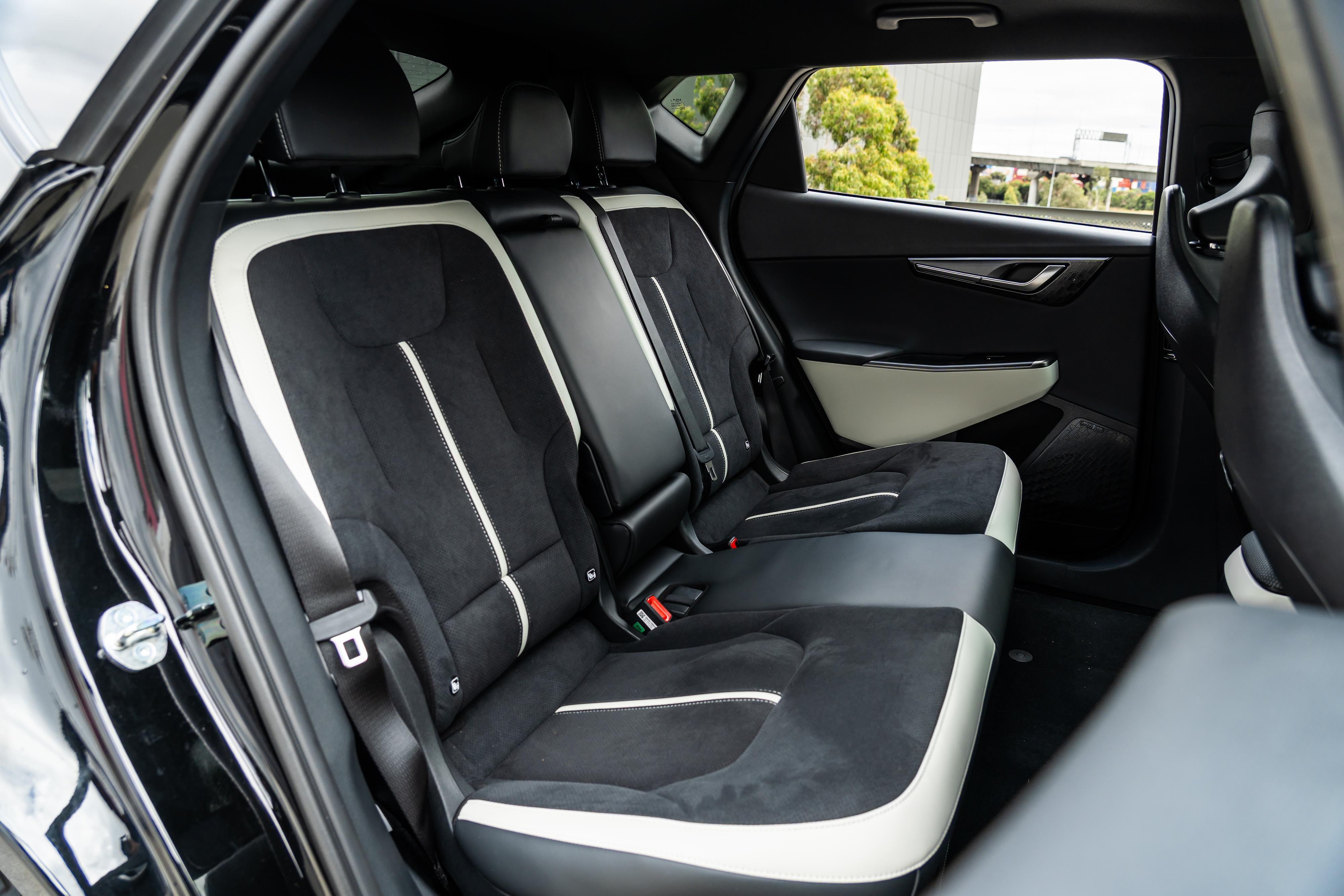
Also exclusive to the GT-Line is its unique black-and-white upholstery. It’s unusual to see white accents on the seats, centre console, and steering wheel of any car, but they make a neat point of difference here.
They don’t at all feel like Kia is trying to inject some artificial luxury into the EV6, either. Unlike the somewhat childish N-inspired bits that Hyundai bolts onto the related Ioniq 5 N Line, Kia’s GT-Line additions feel mature while still helping the EV6 stand out from the crowd.
Similarly, the seats are very comfortable and look the part with their suede-like upholstery and white trim. There’s a wide range of powered adjustment, plus heating and ventilation, and they’re biased towards daily comfort while still offering sport cornering support. Again, they fit the car perfectly.
The result of all of this is a cabin that feels cohesive and decidedly premium. That’s aided by the fact that, while the EV6 cabin is appropriately spacious, it still feels somewhat like a cockpit from behind the wheel – its proportions give the impression of a wagon much more than an SUV.
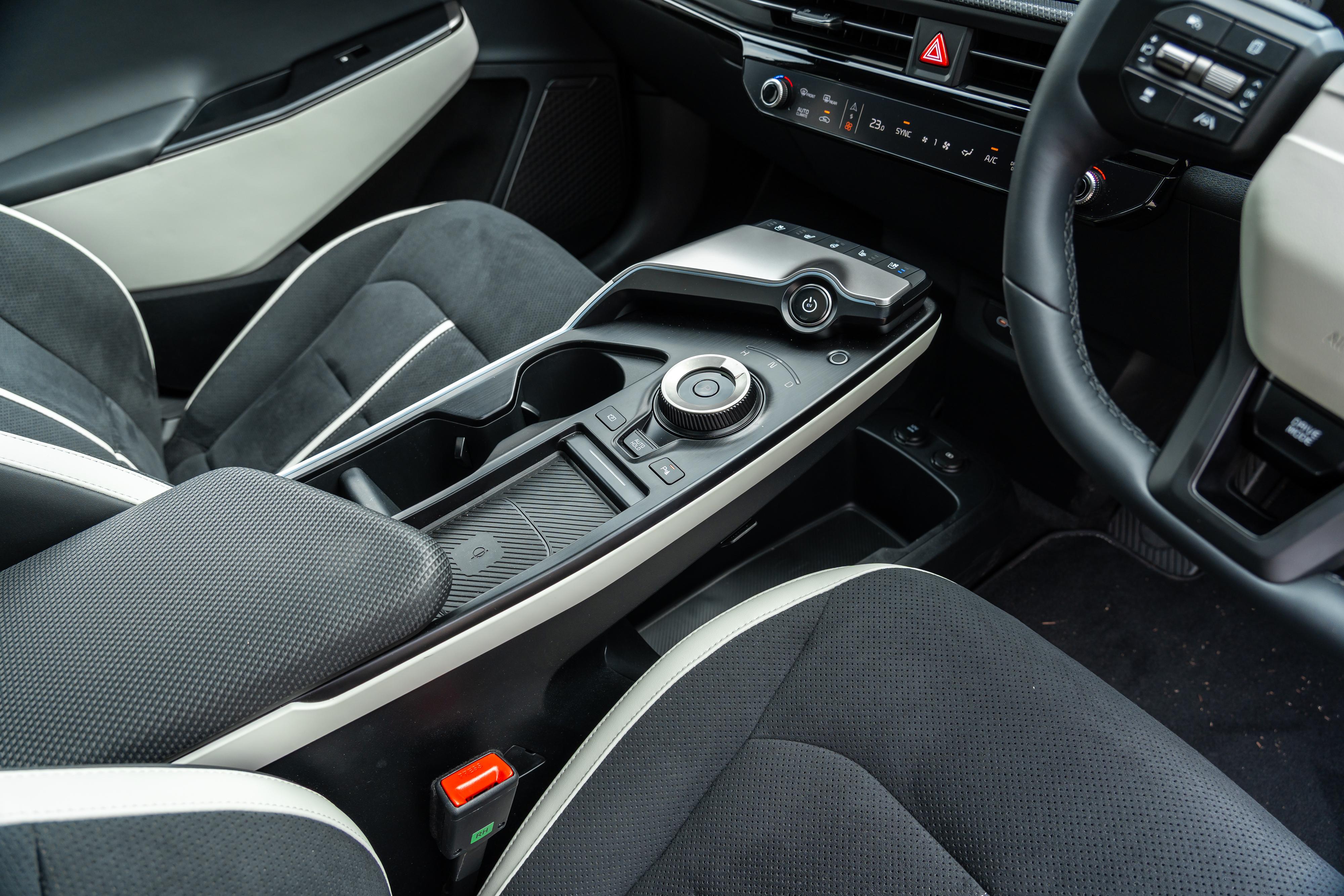
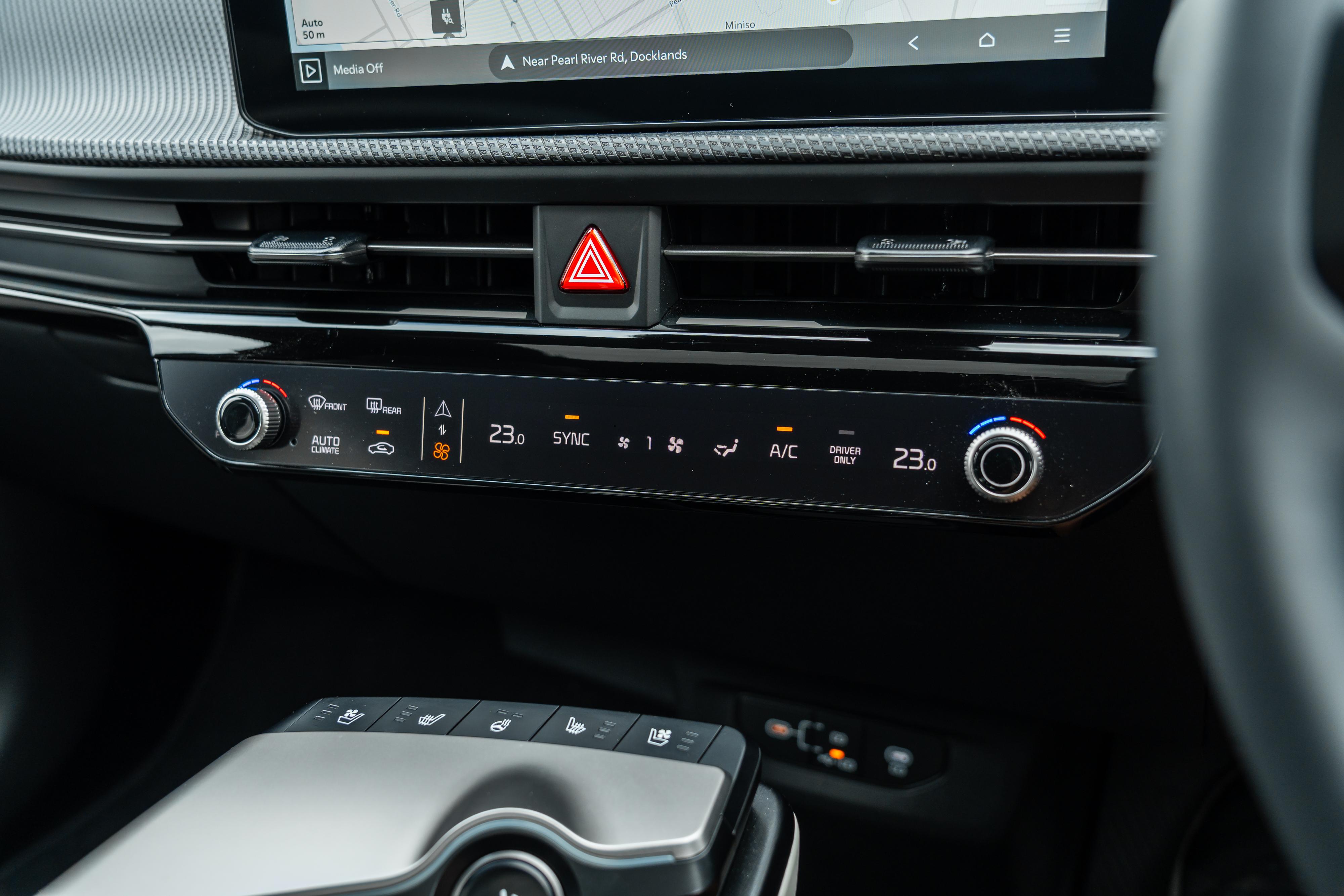
The floating centre console has been carried over, yet its size and placement make it look like it’s attached to the bottom of the climate system. This console sits high and is therefore comfortable to lean on, there’s plenty to poke and prod, and it looks stylish yet purposeful.
On the topic of that climate system, it’s a fairly typical Kia unit. We don’t love that it’s effectively a touchscreen, but we can appreciate that means it can flip to an array of infotainment hotkeys at the press of a button – a clever feature already implemented on cars like the Sportage. Clever, but still somewhat fiddly.
You’ll notice that under the floating centre console is a large storage tray, much like in the related Ioniq 5. The difference here is that it doesn’t feel like there’s an expanse of emptiness under the dashboard, and the angular EV6-specific dashboard helps make the car feel fuller.
The central charging ports (USB-C and 12V) are still miles away and unreachable while driving, though. That’s obnoxious, but at least there’s a conveniently placed wireless phone charging pad on the centre console as an alternative, along with a new fingerprint scanner for driver recognition.
Storage up front is decent, with two central cupholders, a reasonably sized box under the middle armrest, and that large tray we mentioned earlier. There are also bottle holders in the front doors, and a normal passenger-side glovebox.
The second row of the EV6 is incredibly spacious. Legroom is the real highlight, with acres of space between the rear seats and front seatbacks, regardless of how tall the occupants are. The fact the roofline, while comparatively low, only slopes behind the passenger compartment means headroom is also pretty good.
The rear bench seat is treated to the same fake suede as up front, and it’s well-cushioned. This all makes the second row a pleasant place to spend time in, thanks in part to a soft armrest in the middle and a large sunroof above.
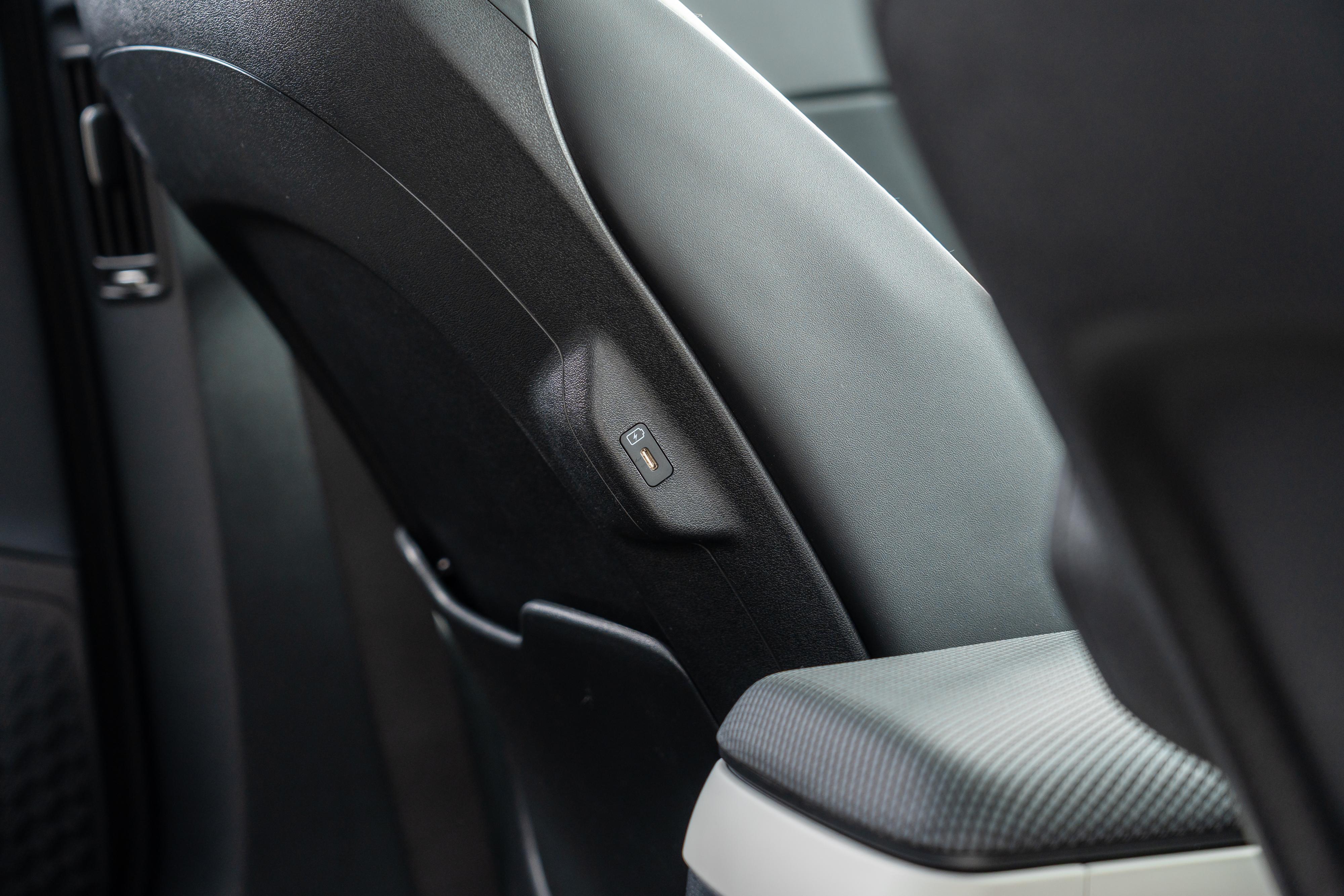
The plastic front seatbacks – the only real sub-par material back here – are also where you’ll find USB-C ports and map pockets. Air vents are also present, but not on the back of the centre console – they’re on the B-pillars instead, albeit with no third climate zone.
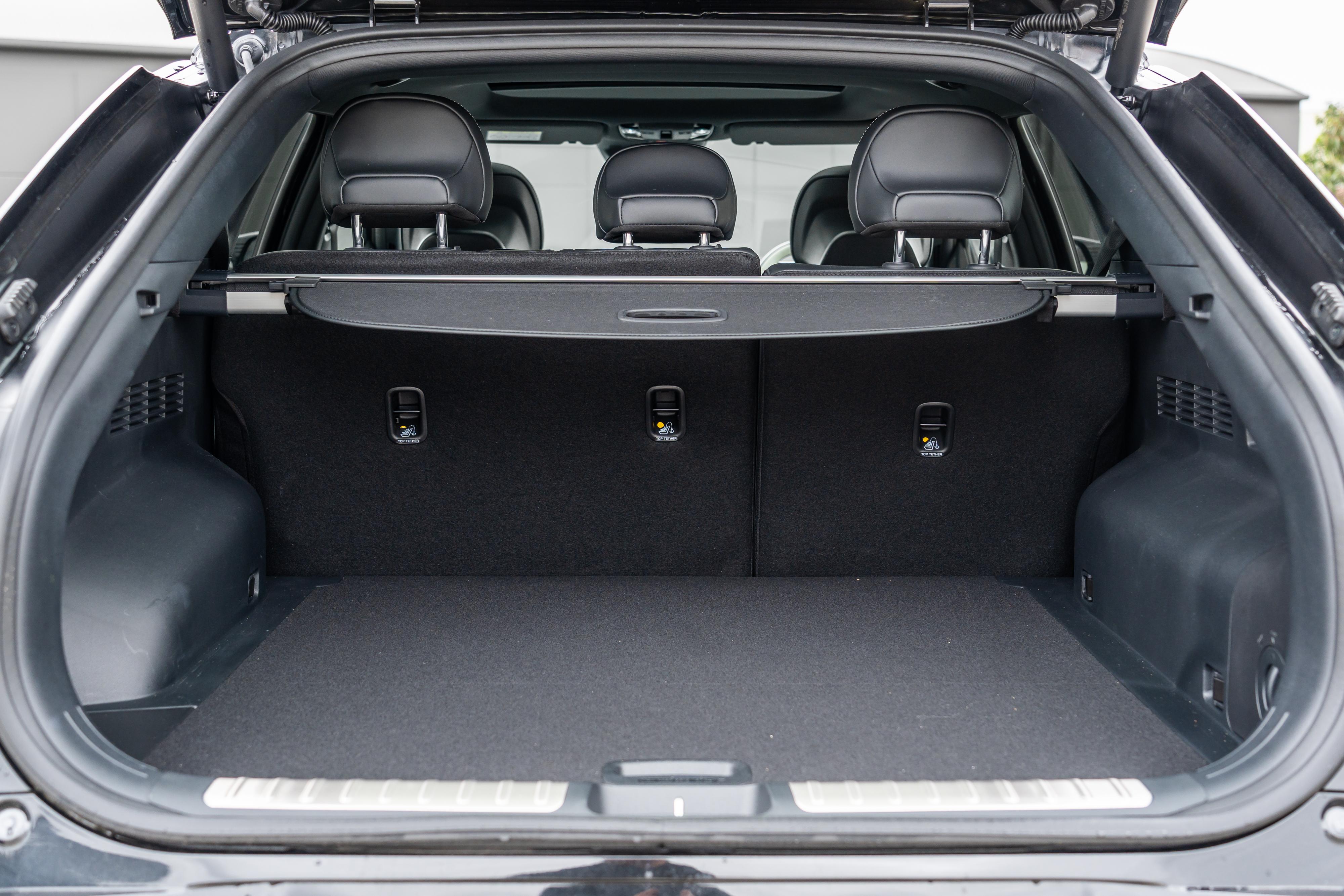
The only real compromise from the EV6’s low-ish roofline is boot space, and even then it’s hardly cramped. Sure, its 480 litres of seats-up capacity is less than that of the Lexus RZ’s 522L and the Mustang Mach-E’s 519L, but those cars are both larger.
The caveat to that is the EV6’s cargo hold is smaller than the Ioniq 5’s, which is slightly smaller on the outside. Vertical space is also compromised by the aggressively sloped roofline, but there’s plenty of space below the cargo cover thanks to the large, square floor.
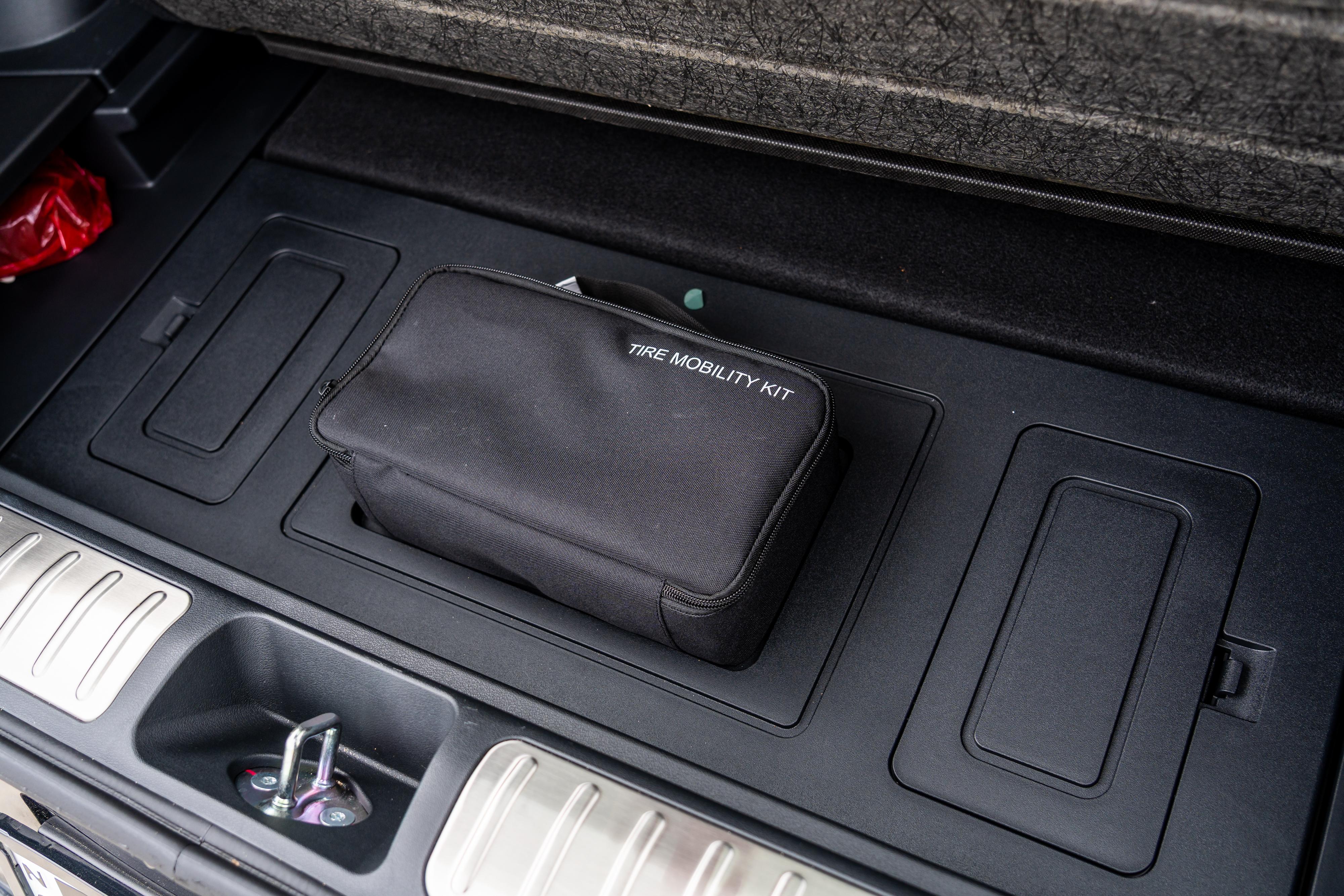
Being the GT-Line, our tester also featured a hands-free power tailgate, and we found the boot to be appropriately practical during our loan. As is common with EVs, though, there’s no spare wheel under the floor – you’ll have to make do with a tyre repair kit.
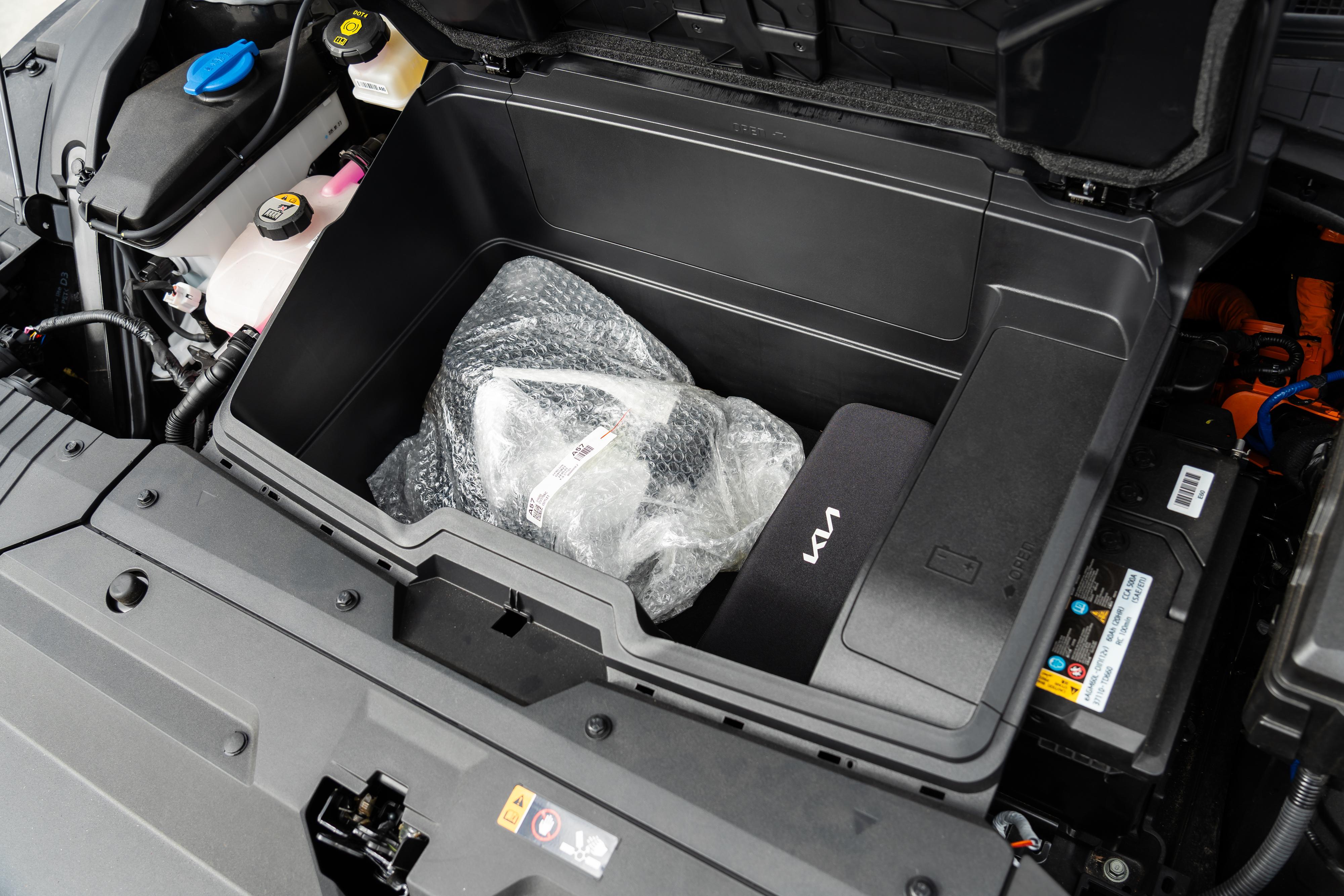
Fortunately, the EV6 packs an under-bonnet storage box that’s far more generous than the one offered by its Ioniq 5 platform-mate.
| Dimensions | Kia EV6 GT-Line RWD |
|---|---|
| Length | 4695mm |
| Width | 1890mm |
| Height | 1550mm |
| Wheelbase | 2900mm |
| Cargo capacity (VDA) | 480L (rear seats up) 1250L (rear seats folded) 52L (under-bonnet storage) |
To see how the Kia EV6 stacks up against the competition, use our comparison tool
What’s under the bonnet?
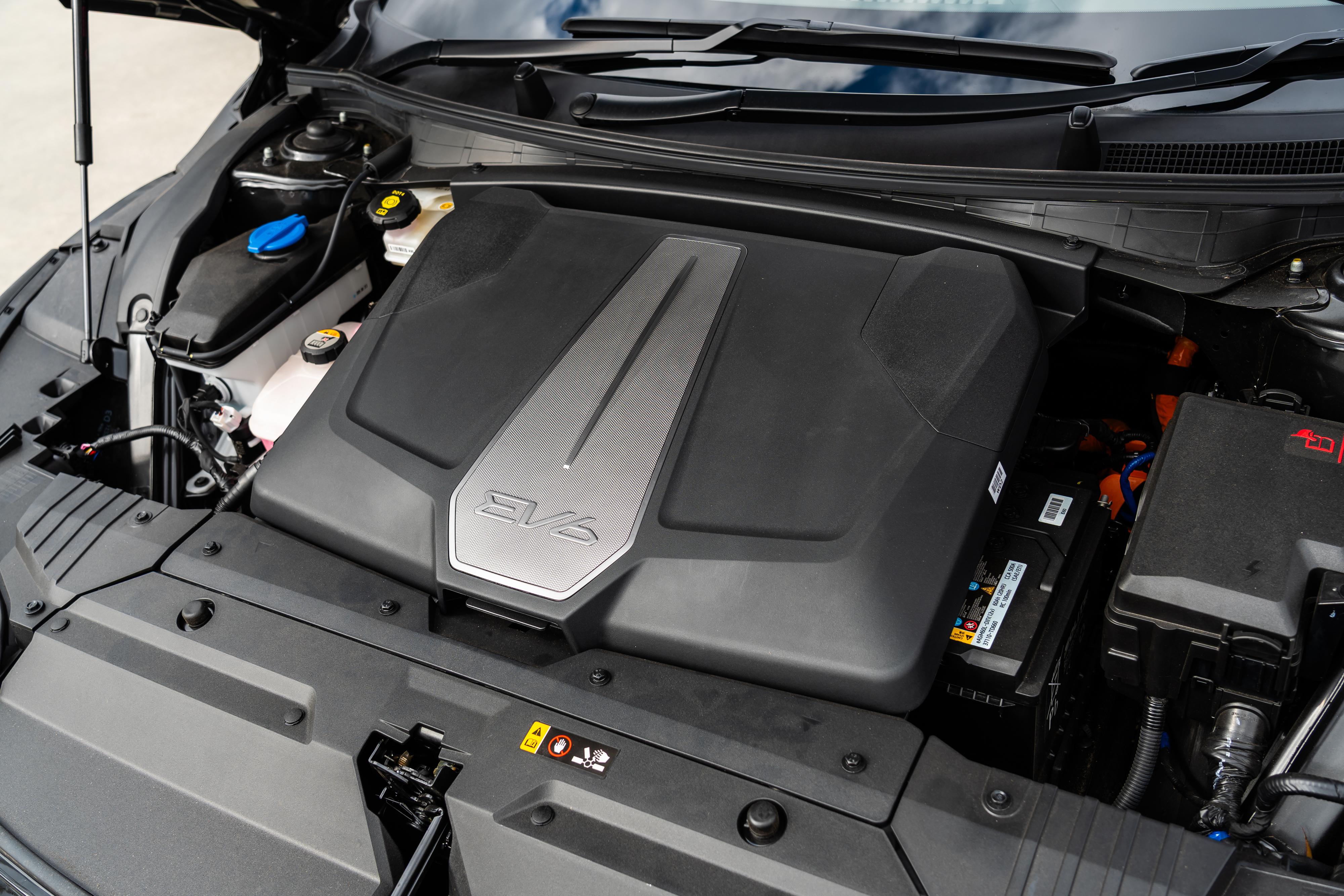
Powering the rear-drive EV6 GT-Line is a single rear-mounted electric motor producing 168kW and 350Nm. It’s now fed by a new, more energy-dense 84kWh lithium-ion battery, up from 77.4kWh previously.
| Specifications | Kia EV6 GT-Line RWD |
|---|---|
| Drivetrain | Single-motor electric |
| Battery | 84kWh li-ion |
| Peak power | 168kW |
| Peak torque | 350Nm |
| Drive type | Rear-wheel drive |
| Tare mass | 2065kg |
| 0-100km/h (claimed) | 7.7 seconds |
| Energy consumption (claimed) | 16.9kWh/100km |
| Energy consumption (as tested) | 17.2kWh/100km |
| Claimed range (WLTP) | 560km |
| Max AC charge rate | 10.5kW |
| Max DC charge rate | 350kW (10-80% 18min) |
Our week with the car was dominated by highway commuting, but even some more energy-intensive high-speed cruising didn’t push energy consumption all that high.
To see how the Kia EV6 stacks up against the competition, use our comparison tool
How does the Kia EV6 drive?
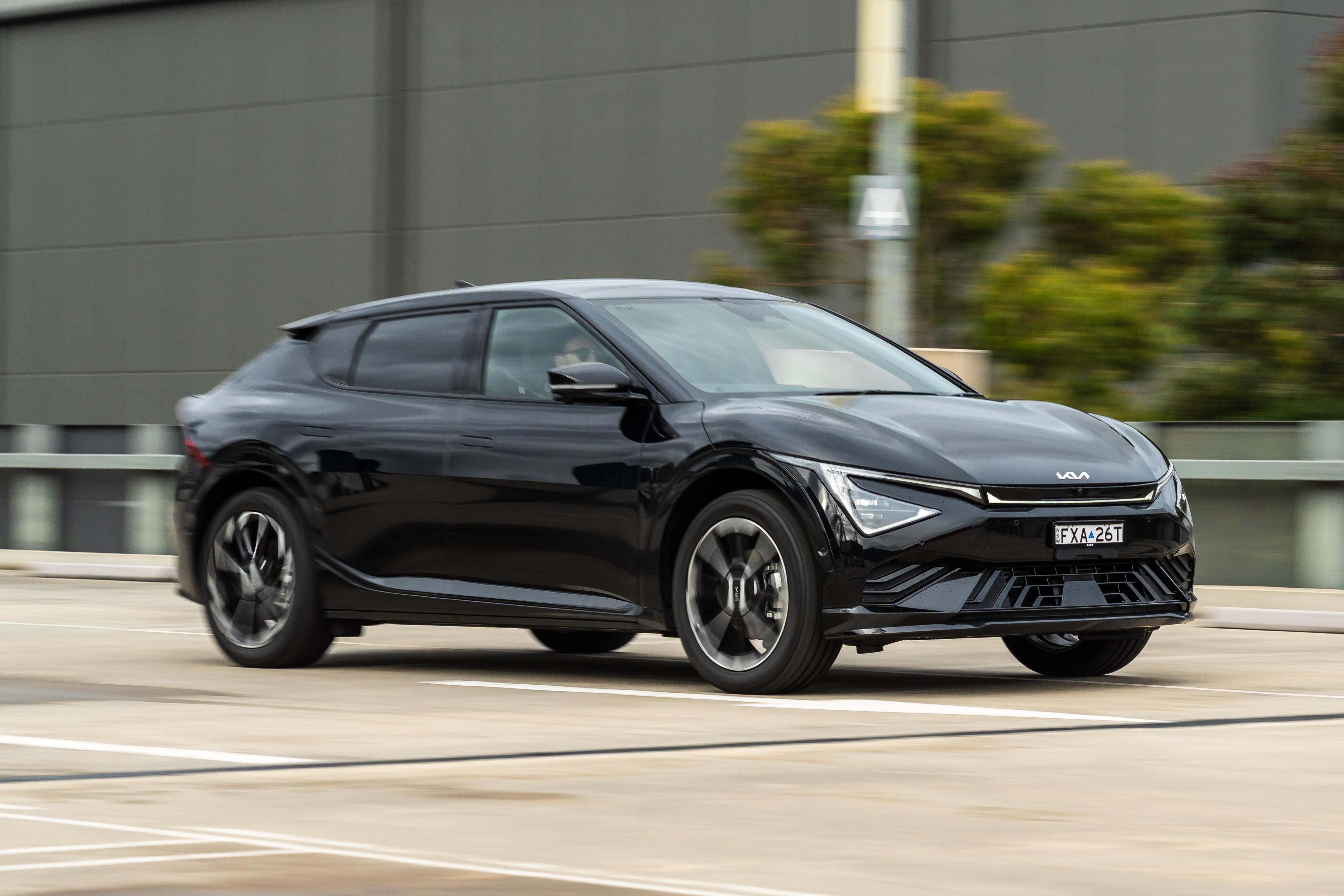
We said the EV6 GT-Line felt ‘mature’ inside and, perhaps by coincidence, that’s also how we’d sum up the driving experience.
One of this EV’s most direct rivals is of course the Ioniq 5, which I drove immediately prior to the EV6, proving a handy back-to-back comparison. Even better, both cars I drove were in their ‘sports lite’ trims: the Ioniq 5 N Line and this EV6 GT-Line.
The EV6 is hands-down the EV I’d rather live with, and there are many reasons why. The most important one is perhaps the simplest – the driving position, because the EV6 feels fantastic from behind the wheel.
You can position the driver’s seat lower than you’d expect in an EV, and when you combine that with the car’s low-slung roofline, you could almost be convinced you’re driving a slightly lifted wagon rather than something classed as an SUV. That makes it feel sporty and sharp, even without anything overtly trying to convince you it’s sporty.
The EV6 comes across as level-headed and quietly confident in its capabilities, which really exaggerates the boy-racer nature of the Ioniq 5 N Line with its generous but somewhat misplaced N branding.
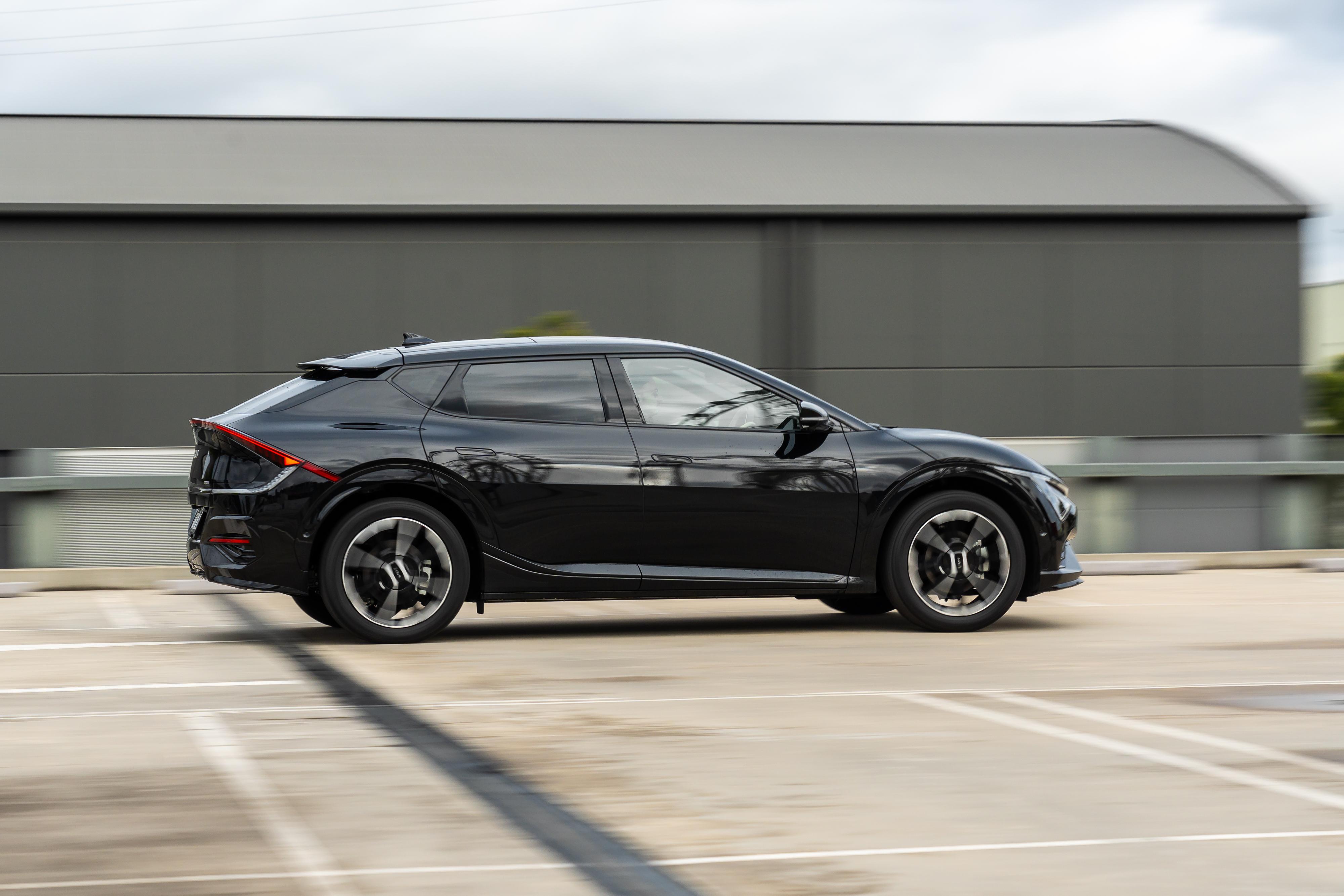
But we’re not here to compare – the EV6 is more than capable of standing up for itself. Powertrain-wise, the rear-drive GT-Line is one of the best versions of Kia’s updated EV, mostly because its power output is sensible yet still enjoyable, and it’s lighter than its AWD equivalent (by some 100kg) since there’s no front motor.
Even if it’s still a two-tonne vehicle, it doesn’t feel all that lardy. It’s fairly nimble on its feet, with very good body control, while its sole electric motor has no issue getting things moving when you lay into the throttle. Mind you, acceleration is nowhere near as brutal as it can be in other EVs.
In ‘Normal’ mode, throttle response is on the docile side, as power builds gradually to stop you spinning the rear wheels or giving your passengers whiplash. That’s most noticeable when accelerating from a standstill, as planting the throttle when you’re already rolling does indeed provide that instant EV torque.
Switching to Sport mode (by pressing the button at the bottom of the steering wheel) ensures instant power is always on tap. The car feels much more alive as a result, and it’s possible you’ll notice more rear-end movement – it’s not nearly as leery as a Mustang, but it isn’t a complete square either.
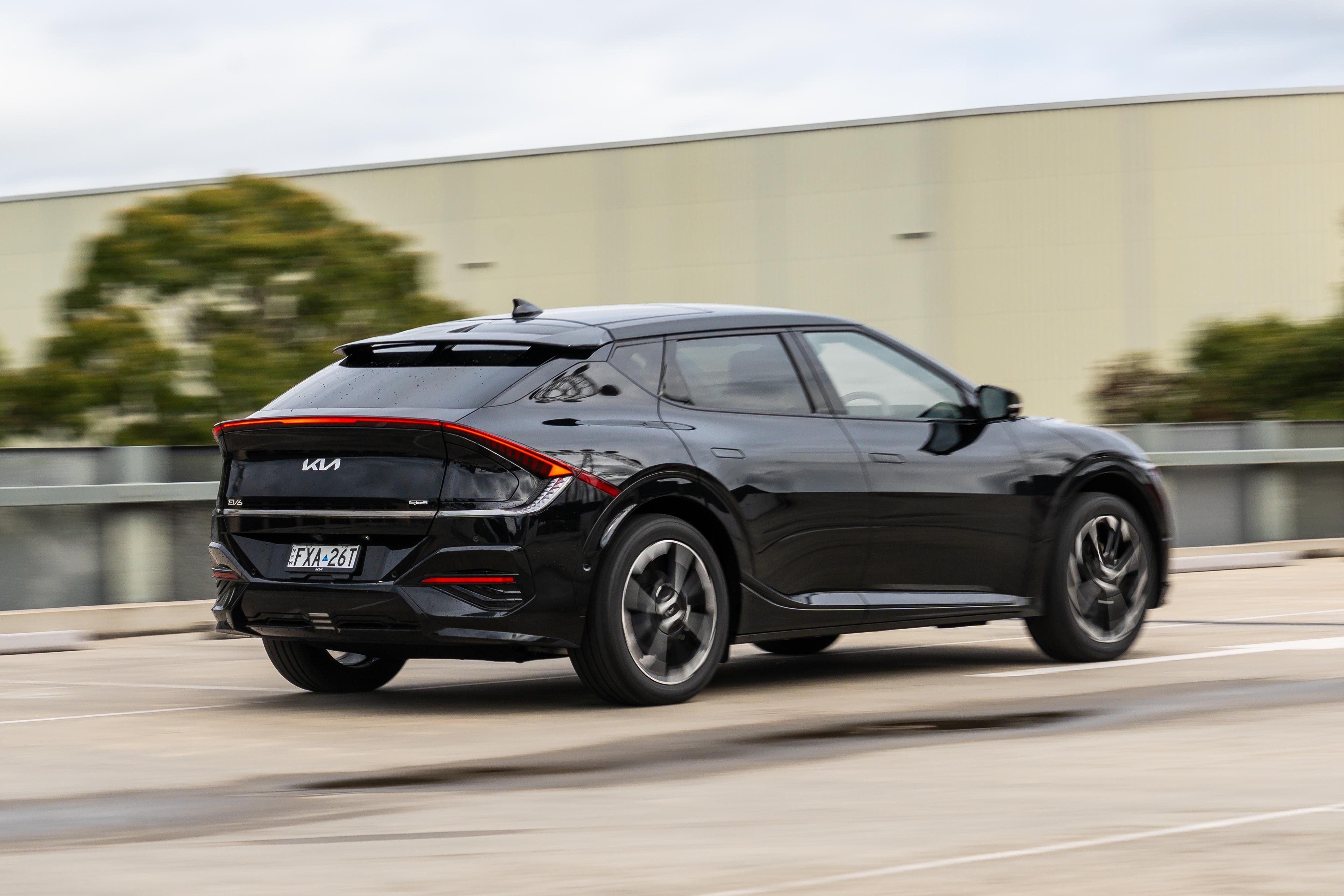
In any case, 168kW of power is a perfectly appropriate amount for this application. It may not sound like much on paper, but it’s important to remember that because this is an EV the near-instant application of its 350Nm torque peak always makes it feel nice and zippy on the road.
It picks up speed without issue, and it’s consistently able to push you back into your seat when it’s time for an overtake. Combine that with strong braking via either the well-calibrated pedal or multi-strength regenerative system (which includes a good one-pedal function), and you have an EV that’s a pleasure to drive.
The EV6 also makes it exceptionally easy to feel comfortable once you’re on the move. There may well be a learning curve with the screen-heavy interior, but the EV6’s solid on-road behaviour means it feels mostly like a car rather than a spaceship.
Its steering is similarly good. ‘Normal’ mode weighting is logical, which is to say it feels substantial without making the steering wheel a chore to throw around. Sport mode makes it heavier, but stops short of feeling artificial or numb.
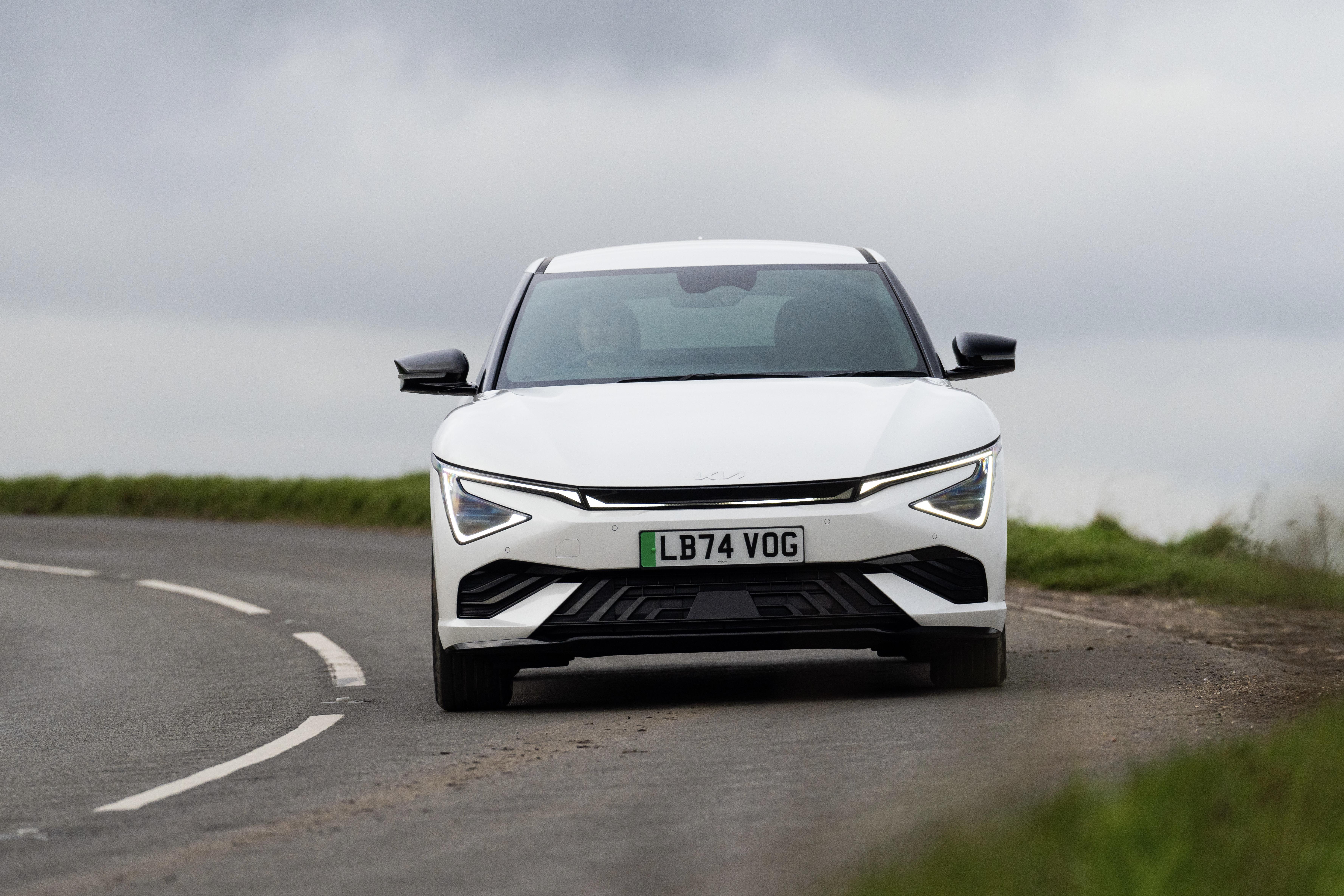
Likewise, the EV6’s handling is confident and predictable. The GT-Line lacks the adaptive damping setup of the GT, but it doesn’t necessarily need it – as mentioned, body roll is nicely managed, and it’s certainly possible to have some fun darting down a bendy mountain road.
The sports-oriented suspension setup doesn’t diminish ride quality, either. It’s reasonably supple in daily driving, and has no issue soaking up expansion joints on the freeway or tram tracks in the city. By no means is it excessively plush, but it never left me with a sore back.
On top of all that, we found cabin refinement to be a highlight. Road noise is muffled surprisingly well – something important in an EV where there’s no engine to mask some of the noise – and wind noise is no issue unless you’re driving on a blustery day.
Whether it’s a result of the increased sound deadening or the thicker B-pillars, that’s especially impressive given the GT-Line rides on larger-than-average 20-inch wheels. We’d expect the entry-level Air to be even quieter.
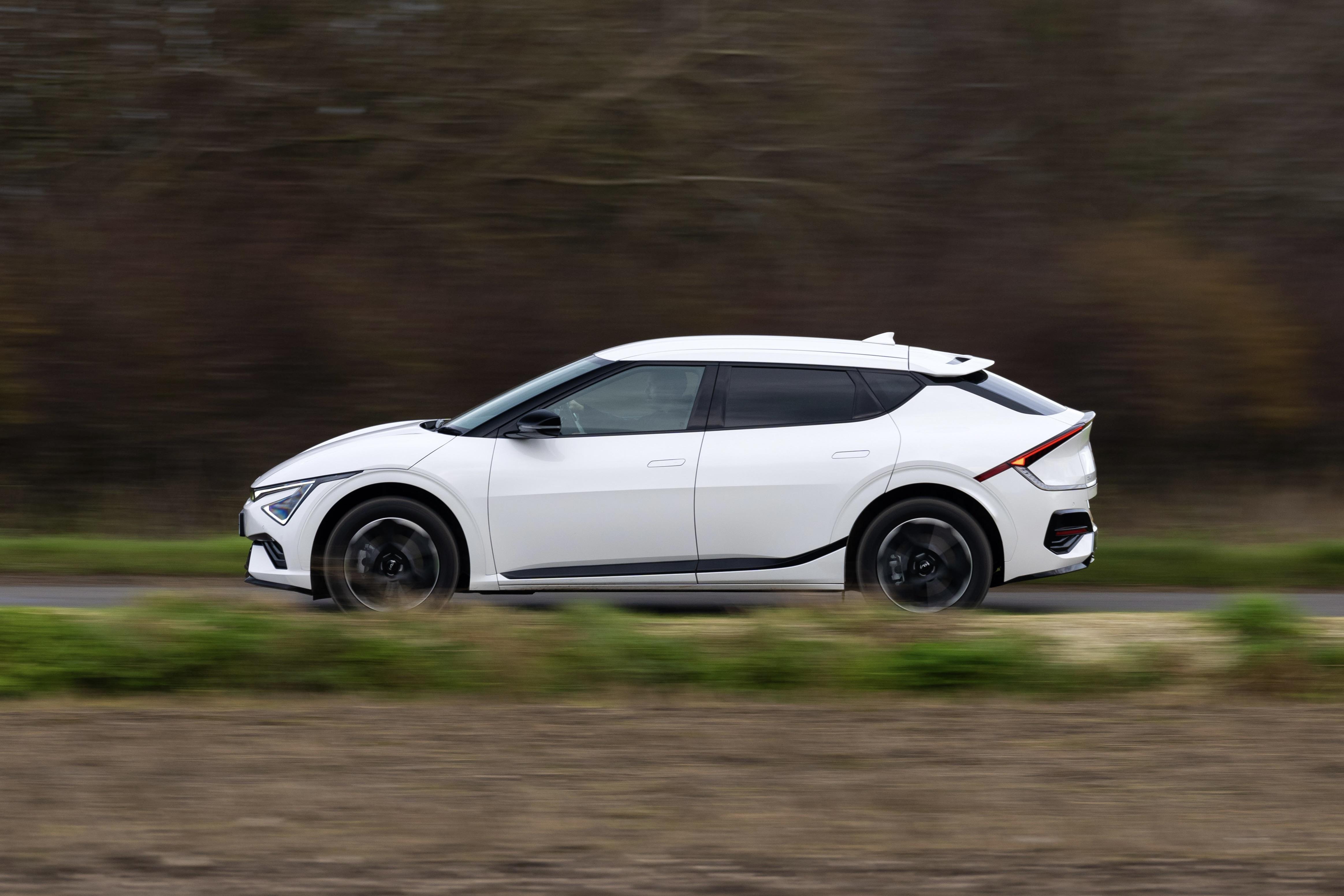
There’s only one true flaw we could find in the EV6’s road manners, and it has to do with its safety gear. The speed limit warning function has long been a sticking point for us with Hyundai and Kia models, and it’s unfortunate there are still imperfections here.
A beep sounds when you’re over the speed limit, which can be turned off by pressing and holding the volume scroller on the steering wheel for a few seconds. That’s a simple enough workaround, but as with every other car with this annoyance, you have to do it every time you set off.
That’s a shame, because the EV6’s other safety systems are all helpful and reliable. The adaptive cruise control and lane-centring both work as intended, and we like that a side camera view will appear on the instrument cluster when you indicate, to show you what’s alongside.
All said, the EV6 offers a polished, well-rounded driving experience that makes it a joy to live with – even if it still has those safety-related Kia-isms.
To see how the Kia EV6 stacks up against the competition, use our comparison tool
What do you get?
There are three grades of the updated Kia EV6 on sale in Australia.
2026 Kia EV6 Air standard equipment highlights:
- 19-inch alloy wheels
- Tyre repair kit
- 325mm ventilated front brake discs
- 325mm solid rear brake discs
- Auto LED headlights (reflector type)
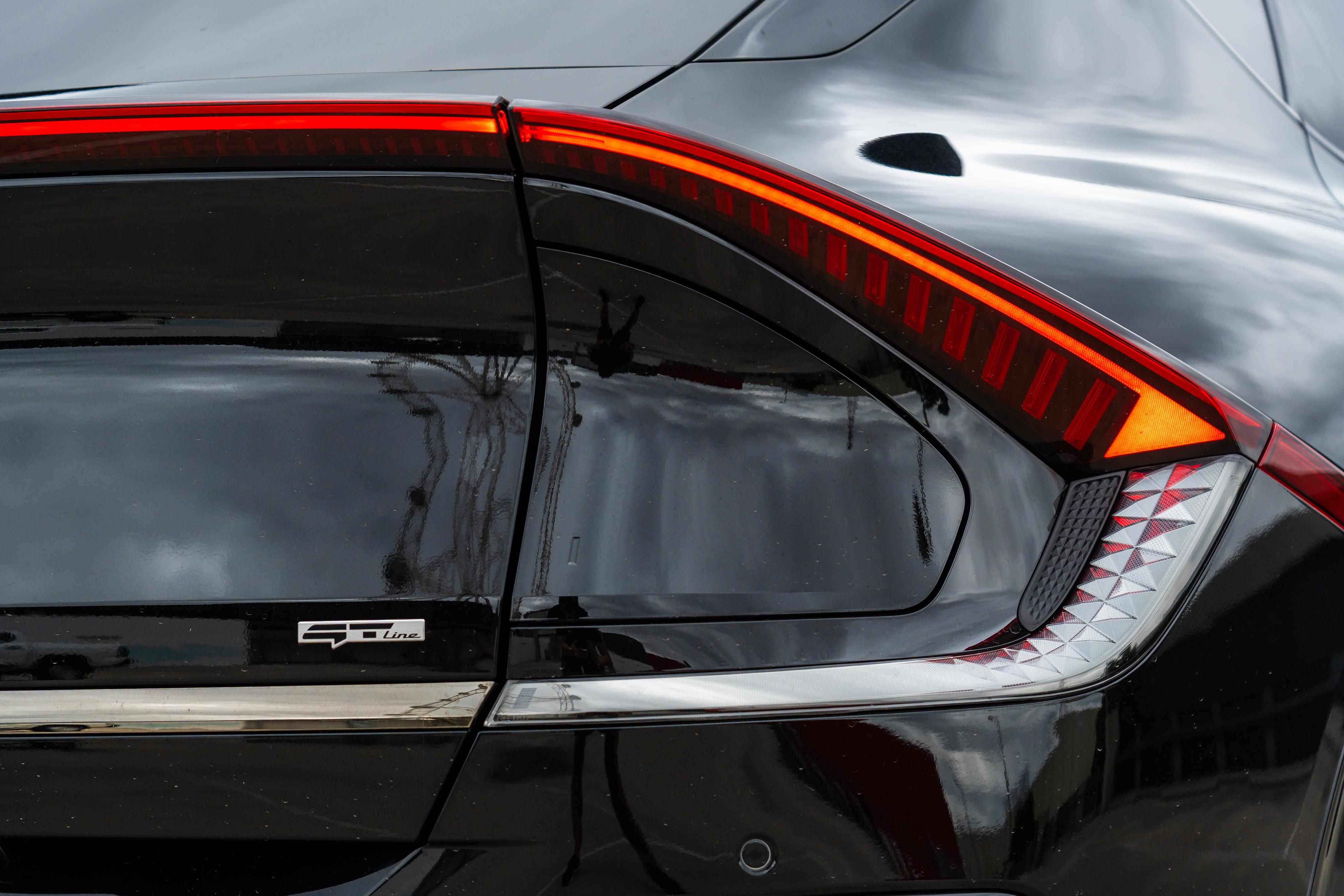
- LED tail-lights
- Rain-sensing wipers
- Gloss-black wheel-arch cladding
- Flush door handles
- Power-folding, heated side mirrors
- Auto-dimming rear-view mirror
- Synthetic leather upholstery
- 6-way manual driver’s seat with lumbar
- 6-way manual front passenger seat
- 2-spoke leather-wrapped steering wheel
- Steering wheel regen paddles
- 12.3-inch digital instrument cluster
- 12.3-inch touchscreen infotainment system
- Wireless Apple CarPlay and Android Auto
- DAB+ digital radio
- Satellite navigation
- Bluetooth connectivity
- Kia Connect
- Over-the-air software updates
- 3 x front USB-C ports
- 2 x front seatback USB-C ports
- Wireless phone charger
- 6-speaker sound system
- Dual-zone climate control
- 5 drive modes:
- Normal
- Eco
- Sport
- Snow
- MyDrive
- i-Pedal one-pedal driving
- V2L interior socket
EV6 GT-Line adds:
- 20-inch alloy wheels
- Auto LED headlights (projector type)
- GT-Line exterior styling
- Body-coloured wheel-arch cladding
- Auto-folding flush door handles
- Metal scuff plates
- Alloy sports pedals
- Synthetic black suede/vegan white leather upholstery
- White interior stitching
- 8-way power driver’s seat with lumbar and position memory
- 8-way power front passenger seat with lumbar
- Heated and ventilated front seats
- 3-spoke leather-wrapped steering wheel
- Heated steering wheel
- Head-up display
- 14-speaker Meridian sound system
- Hands-free power tailgate
- Sunroof
- Rear privacy glass
- Interior ambient lighting
- Fingerprint authenticator
- V2L exterior adaptor
EV6 GT adds:
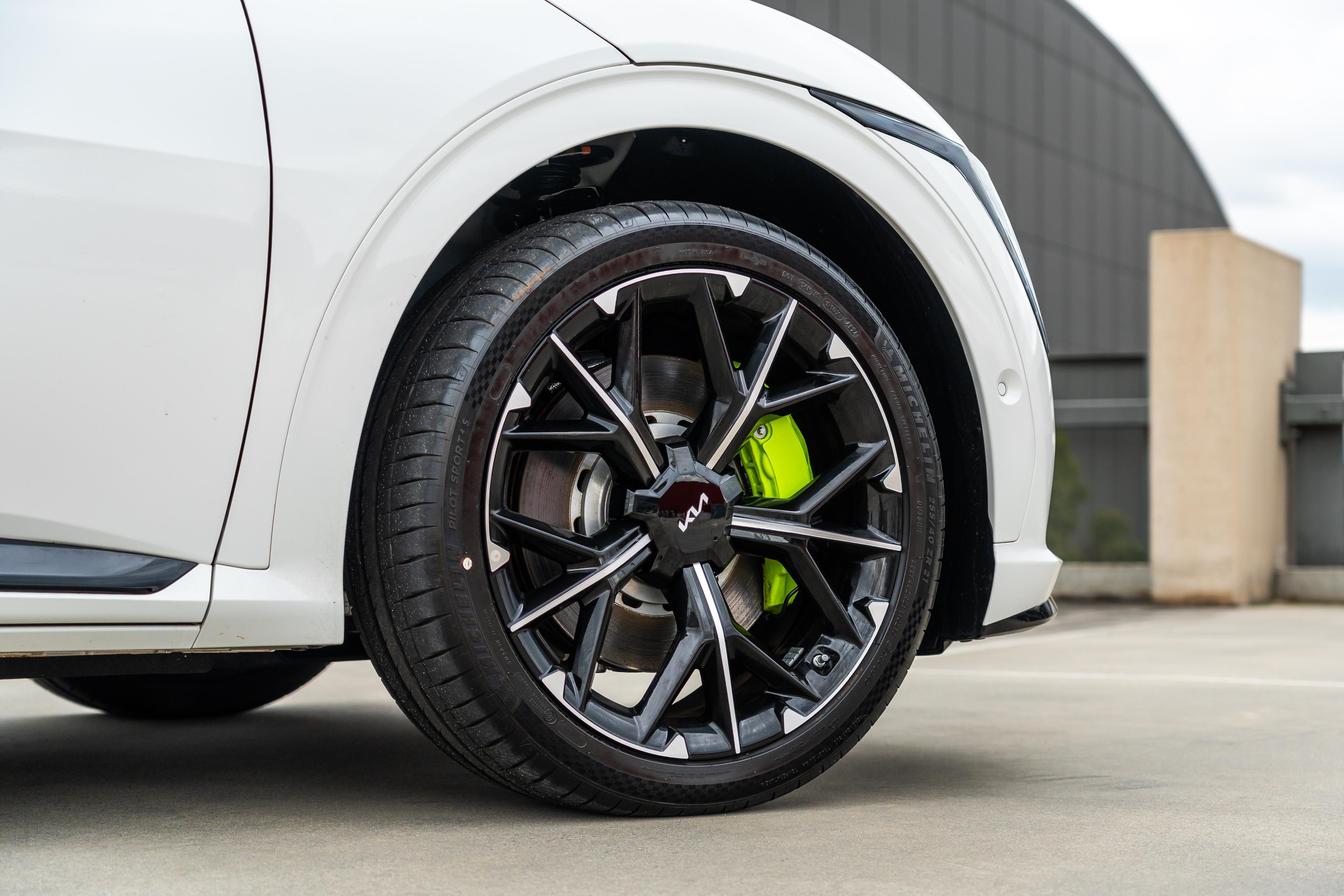
- 21-inch alloy wheels
- Adaptive damping
- 380mm front ventilated brake discs
- 360mm rear ventilated brake discs
- Intelligent LED headlights
- GT exterior styling
- Neon green brake calipers
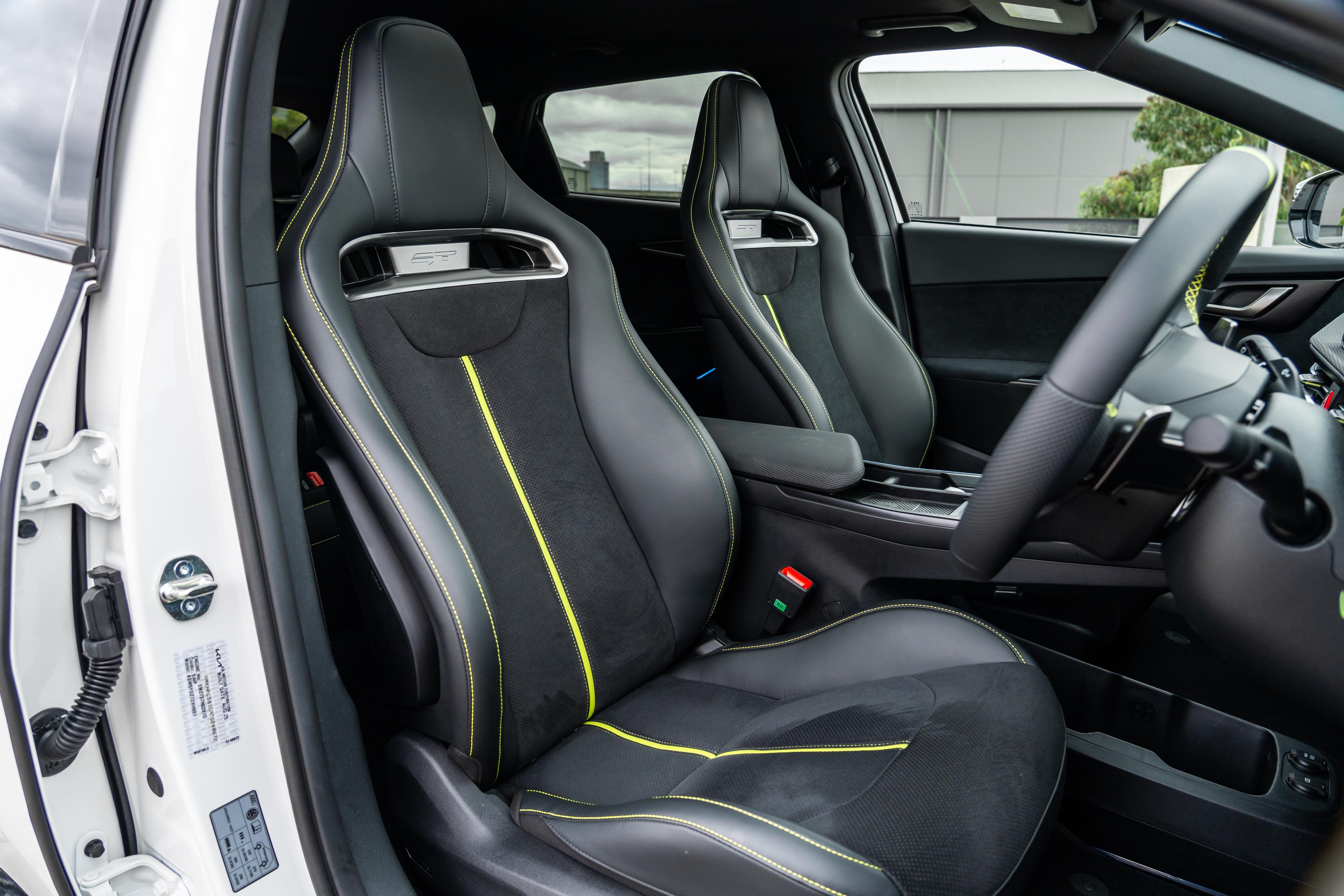
- Synthetic suede/synthetic leather upholstery
- Green interior stitching
- GT bucket front seats
- Power steering wheel adjustment
- Heated rear outboard seats
- 2 x rear USB-C ports (removes front seatback ports)
- 6 drive modes:
- Normal
- Eco
- Sport
- Snow
- MyDrive
- GT
To see how the Kia EV6 stacks up against the competition, use our comparison tool
Is the Kia EV6 safe?
The Kia EV6 has a five-star ANCAP safety rating based on testing conducted by Euro NCAP in 2022.
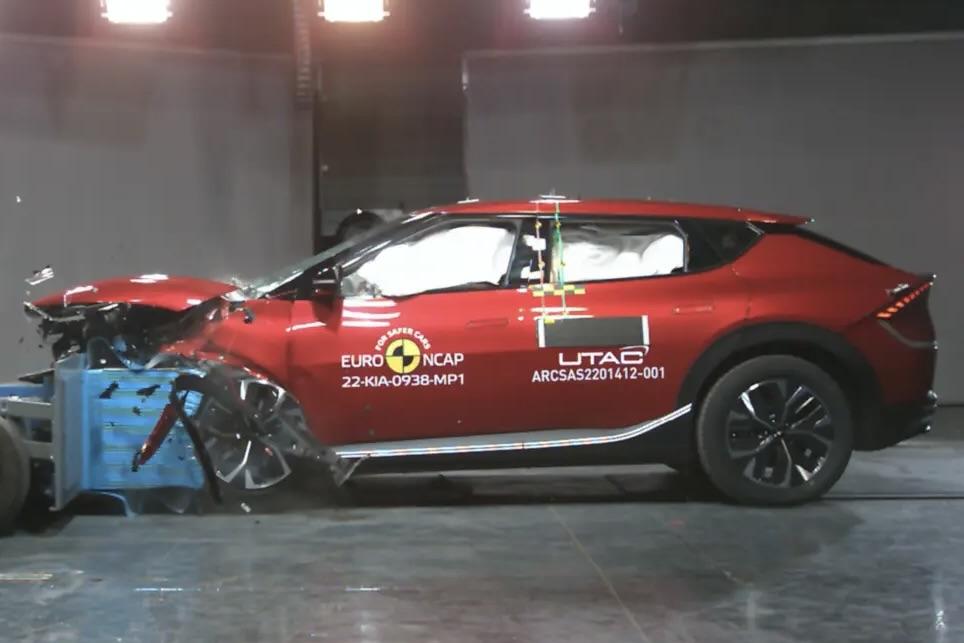
| Category | Kia EV6 (excl. GT) |
|---|---|
| Adult occupant protection | 90 per cent |
| Child occupant protection | 87 per cent |
| Vulnerable road user protection | 64 per cent |
| Safety assist | 88 per cent |
Standard safety equipment highlights:
- 7 airbags, incl:
- Centre side
- Front side
- Curtain
- Adaptive cruise control with stop/go
- Autonomous emergency braking
- Pedestrian detection
- Cyclist detection
- Blind-spot monitoring
- Driver attention monitoring
- Front and rear parking sensors
- Lane-centring
- Lane-keep assist
- Junction assist
- Safe exit warning
- Rear cross-traffic alert
- Reversing camera
- Tyre pressure monitoring
EV6 GT-Line adds:
- Blind-spot view monitor
- Parking collision avoidance
- Safe exit assist
- Surround-view monitor
- Remote Smart Park Assist 2
To see how the Kia EV6 stacks up against the competition, use our comparison tool
How much does the Kia EV6 cost to run?
Kia Australia backs its range with a seven-year, unlimited-kilometre warranty. Service costs for the brand’s EVs are covered by prepaid plans, with maintenance required every 12 months or 15,000km – whichever comes first.
| Servicing and Warranty | Kia EV6 |
|---|---|
| Warranty | 7 years, unlimited kilometres |
| Roadside assistance | Service-activated, up to 8 years |
| Service intervals | 12 months or 15,000km |
| Capped-price servicing | Prepaid plans |
Service plan pricing for the EV6 is as follows:
| Prepaid plan | Kia EV6 Air, GT-Line | Kia EV6 GT |
|---|---|---|
| 3 years | $728 | $842 |
| 5 years | $1391 | $1570 |
| 7 years | $2055 | $2319 |
In terms of rivals, the Mustang Mach-E costs $790 to service over five years, while maintenance for the Subaru Trailseeker costs $984.18 over the same period. The updated Lexus RZ is still too new to have service info.
Rear-drive versions of the MG IM6, meanwhile, cost $2815 to service over five years.
To see how the Kia EV6 stacks up against the competition, use our comparison tool
CarExpert’s Take on the Kia EV6 GT-Line RWD
The Kia EV6 is a standout model in Australia’s EV market, and its subtle upgrades all hit the spot.
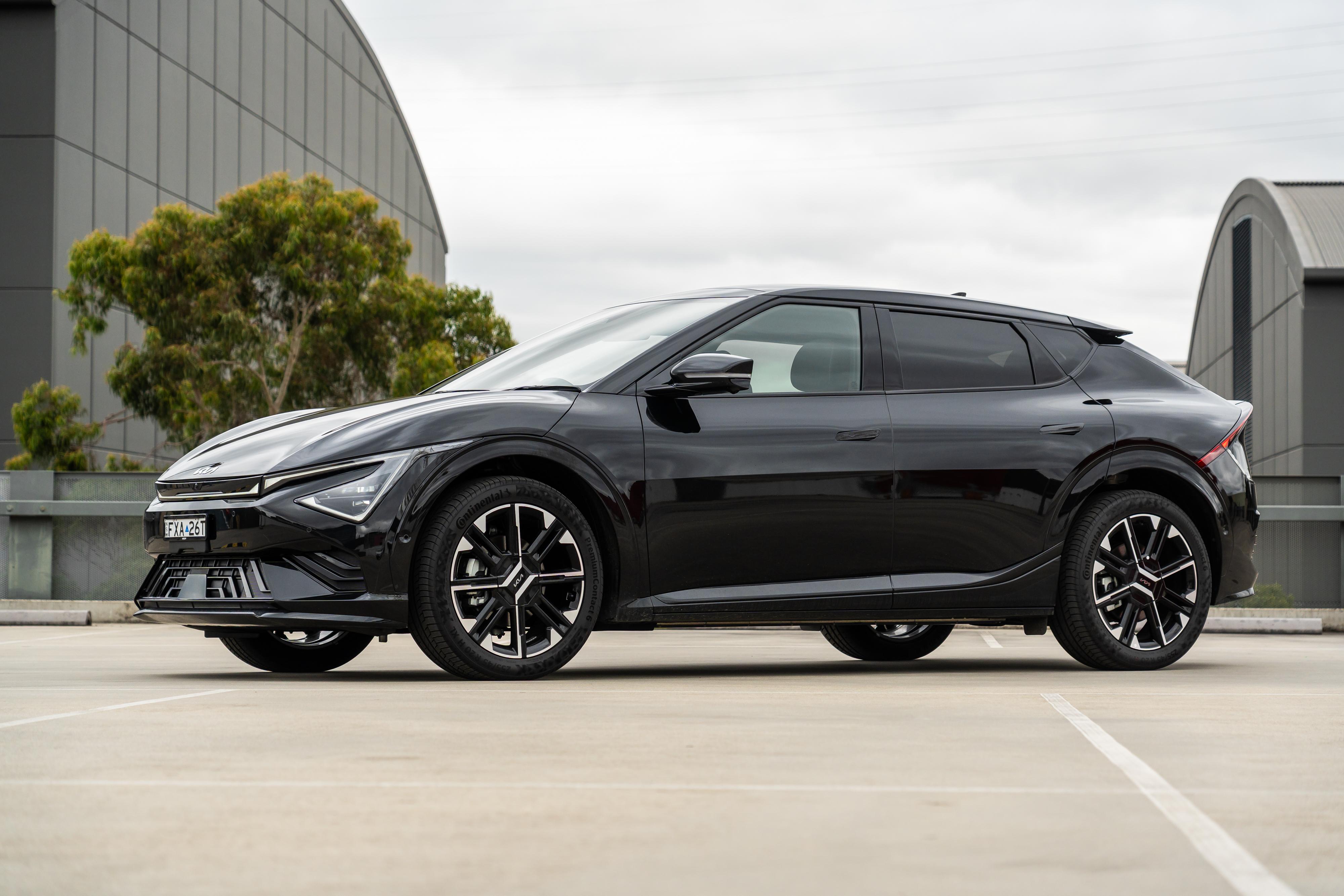
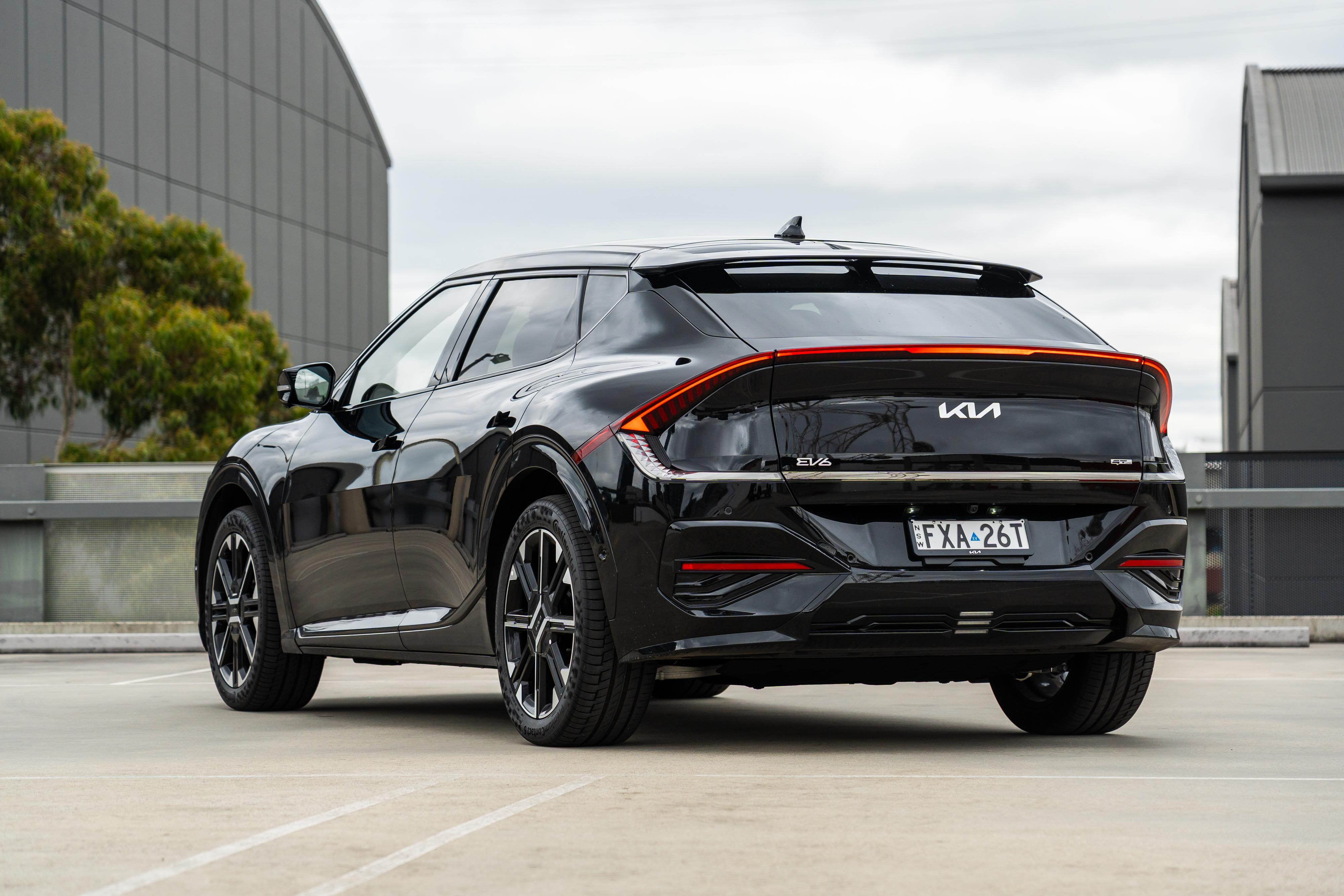
What was already a stylish and well-mannered vehicle, as distinct from the growing crowd of blob-like EVs, is now even more polished, underscored by an interior that matches or betters many of its rivals. There’s an understated premium aura about it; a classy look and feel that isn’t ruined by the GT-Line extras.
Indeed, those GT-Line bits are actually improvements both inside and out, helping the EV6 to stand out without going over the top. The fact they’re added to a sensible rear-drive powertrain that makes this a lovely car to drive is another plus in a seemingly endless list of positives – including the longer driving range from that new battery.
Of course, there are a few downsides. The most annoying is the speed limit warning, but the most prohibitive is the price. There’s no getting around the fact that, even with one motor, the EV6 is an expensive vehicle. Couple that with the fact it has a smaller boot than the cheaper EV5, and some potential customers may not look twice.
But they’d be wrong to overlook the EV6, because it deserves attention. While it’s among the more niche offerings in Kia Australia’s current EV catalogue, the GT-Line RWD is a solid demonstration of just how good an electric Kia can be.
CarExpert can save you thousands on a new Kia EV6. Click here to get a great deal.
Click the images for the full gallery
MORE: Explore the Kia EV6 showroom