












Australia’s new-car market is barely growing, but what we are buying is changing. Petrol and diesel are losing share, while hybrids, plug-in hybrids and battery-electric vehicles now account for almost 30 per cent of new light-vehicle sales.
Between January and November 2025, Australians bought 1,097,992 new passenger cars, SUVs and light commercial vehicles. That is up from 1,090,594 in the same period in 2024, an increase of 7398 vehicles, or about 0.7 per cent.
Inside that almost flat market, the mix is shifting away from traditional fuels.
Petrol’s share of the light-vehicle market has fallen from 44.7 per cent in 2024 to 40.1 per cent in 2025. Diesel has eased from 31.3 to 30.6 per cent over the same period. Electrified drivetrains have filled the gap.
CarExpert can save you thousands on a new car. Click here to get a great deal.
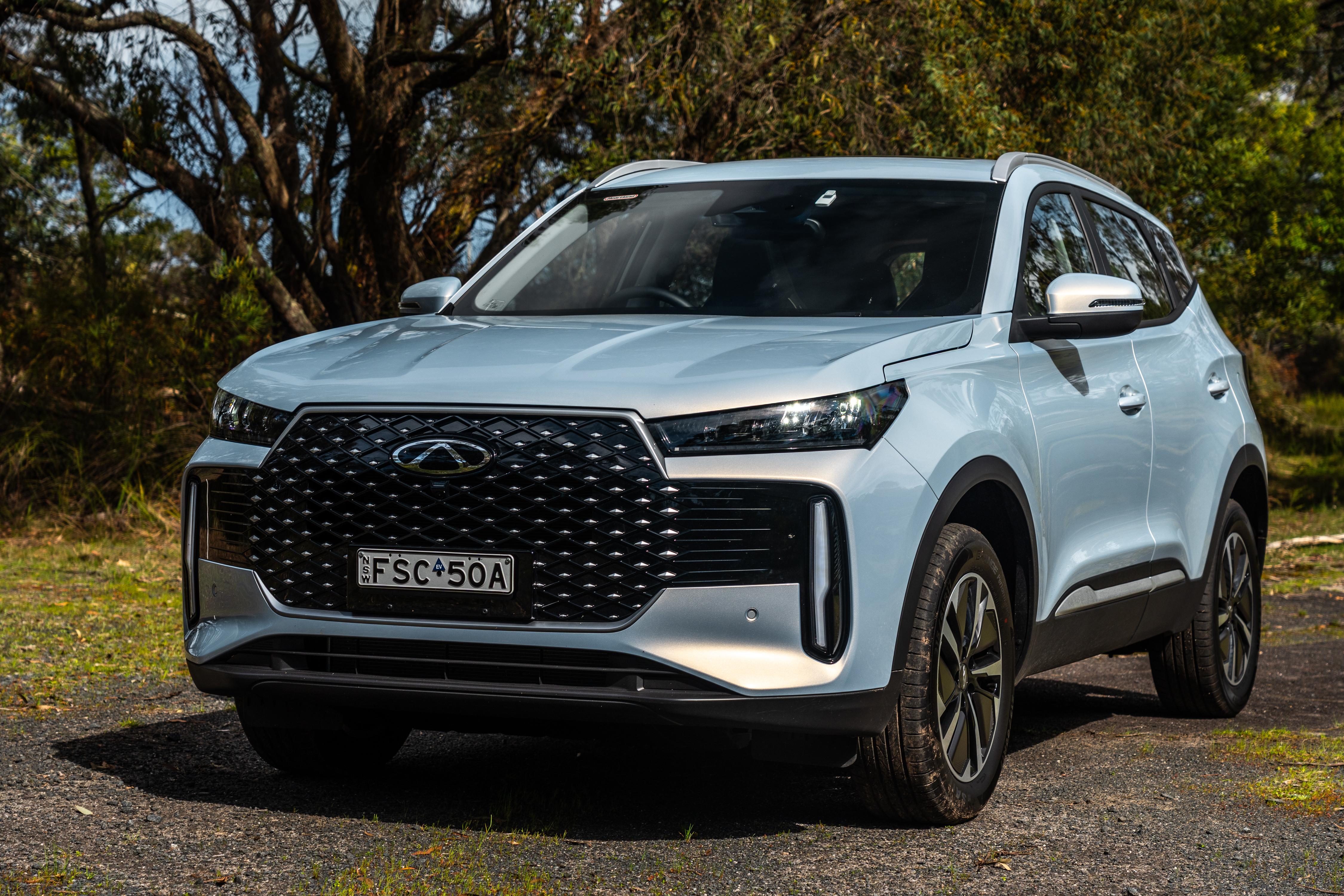
Electric vehicles have risen from 82,960 sales in the first 11 months of 2024 to 92,886 sales in the same period of 2025. EV market share has increased from 7.6 to 8.5 per cent of new light-vehicle sales.
Plug-in hybrids (PHEVs) and conventional hybrids are growing even faster. Over the same January to November period, PHEVs have jumped from 20,631 to 47,565 sales, an increase of 130.6 per cent, while hybrids have grown from 158,241 to 180,378 sales, up 14.0 per cent.
Put together, electrified vehicles – EVs, PHEVs and hybrids – now account for 29.2 per cent of all new light-vehicle sales year to date, up from 24 per cent in the same period last year. Petrol and diesel are still doing most of the heavy lifting, but the shift in share is clear.
The November 2025 snapshot underlines how quickly that change is showing up month to month.
VFACTS recorded 93,228 deliveries of new passenger, SUV and light commercial vehicles for brands that report to the FCAI in November. Tesla and Polestar add another 2702 and 167 deliveries respectively, taking the true November light-vehicle market total to 96,097 vehicles.
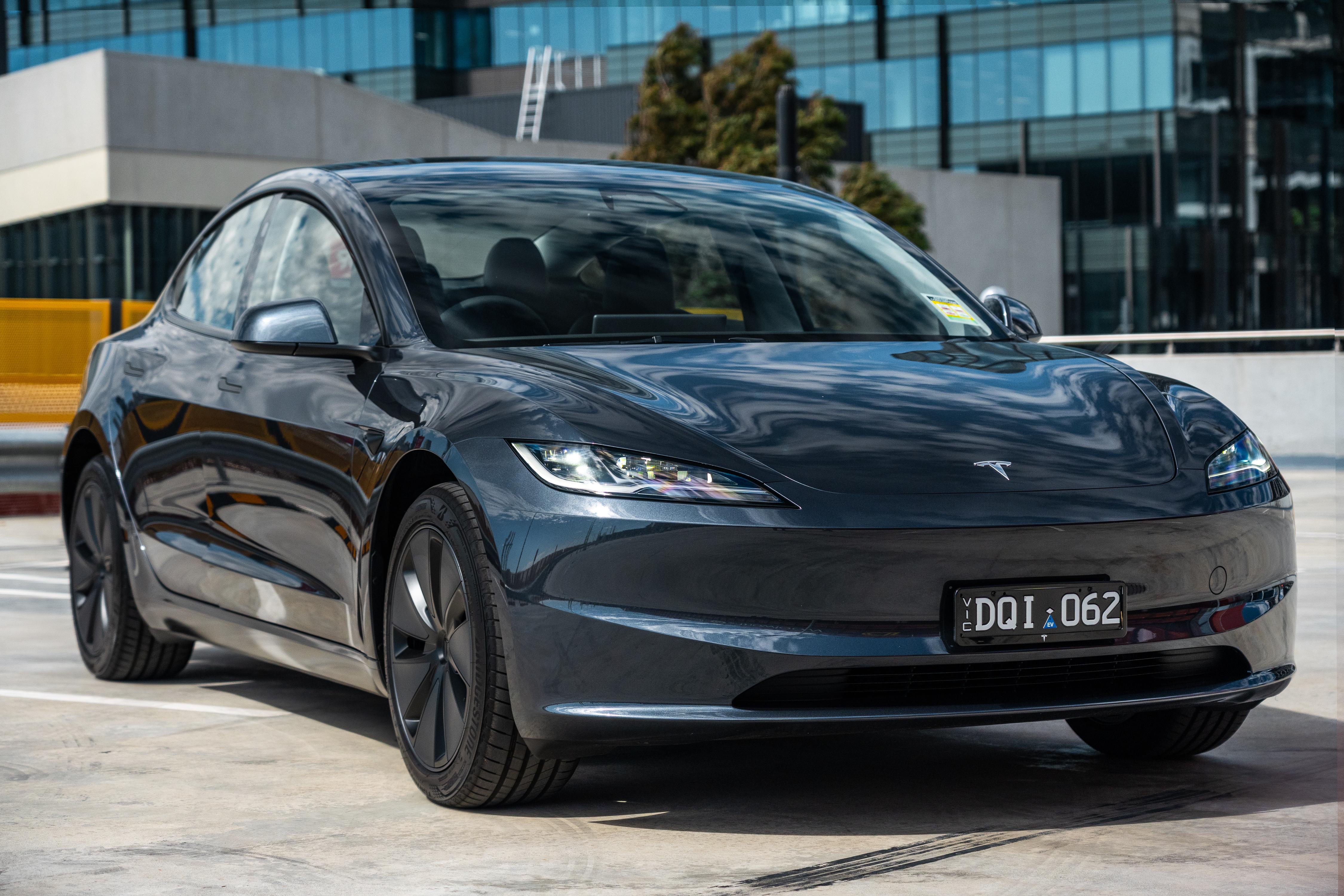
Once those extra EVs are included, EVs account for 9081 sales in November, or 9.4 per cent of the market. PHEVs contribute 4768 sales (5.0 per cent) and conventional hybrids 18,952 sales (19.7 per cent). All up, 34.1 per cent of new vehicles sold in November carried some form of electrification.
That is the “one in three” line the industry has been talking about for years.
The detail inside the EV segment is more nuanced than headline Tesla numbers suggest.
According to EV Council data, Tesla deliveries fell from 34,754 vehicles in January to November 2024 to 26,271 vehicles in the same period of 2025, a drop of 24.4 per cent. Polestar went from a low base of 1535 to 2189 vehicles, an increase of 42.6 per cent.
Given total EV volumes of 82,960 in 2024 and 92,886 in 2025, Tesla accounts for 28 per cent of Australia’s EV volume so far this year (26,271 of 92,886 vehicles), down from about 44 per cent (36,289 of 82,960) in 2024.
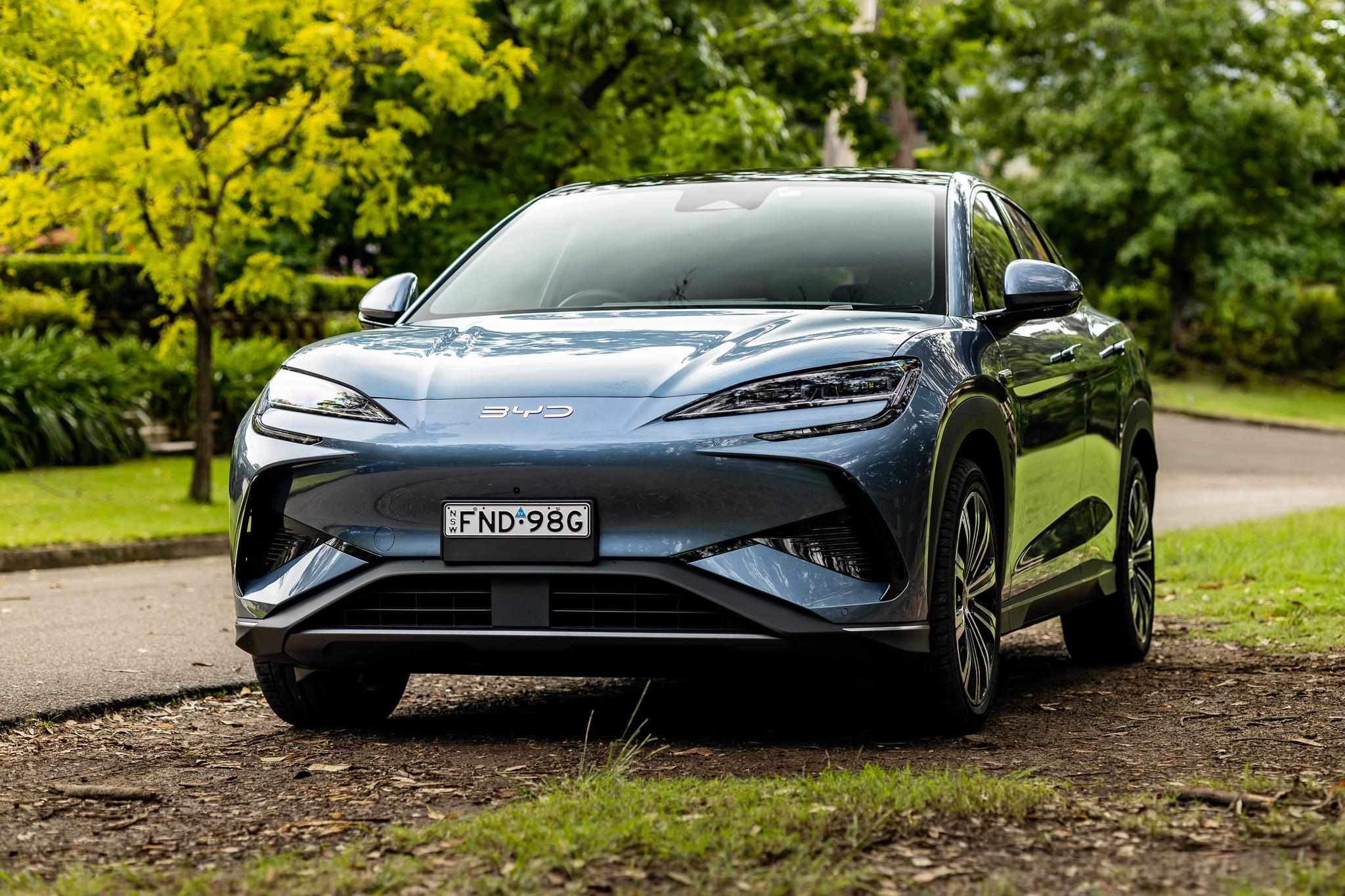
The rest of the EV market is growing strongly. VFACTS shows EV sales from all other marques rising from 46,671 to 64,426 year on year, an increase of 38.0 per cent. In other words, non-Tesla EVs are where most of the BEV growth is coming from.
Looked at alongside the petrol and diesel declines, the picture is clear. The overall market is almost flat, but:
- Petrol has lost 4.6 percentage points of share
- Diesel has slipped slightly
- EVs have gained almost one percentage point of share
- Plug-in hybrids and conventional hybrids have picked up the rest, lifting the electrified share of the market from 24.0 to 29.2 per cent
With the significant influx of cheap electrified vehicles and many new brands competing in that same space, the trend toward electrification is set to continue in 2026.