















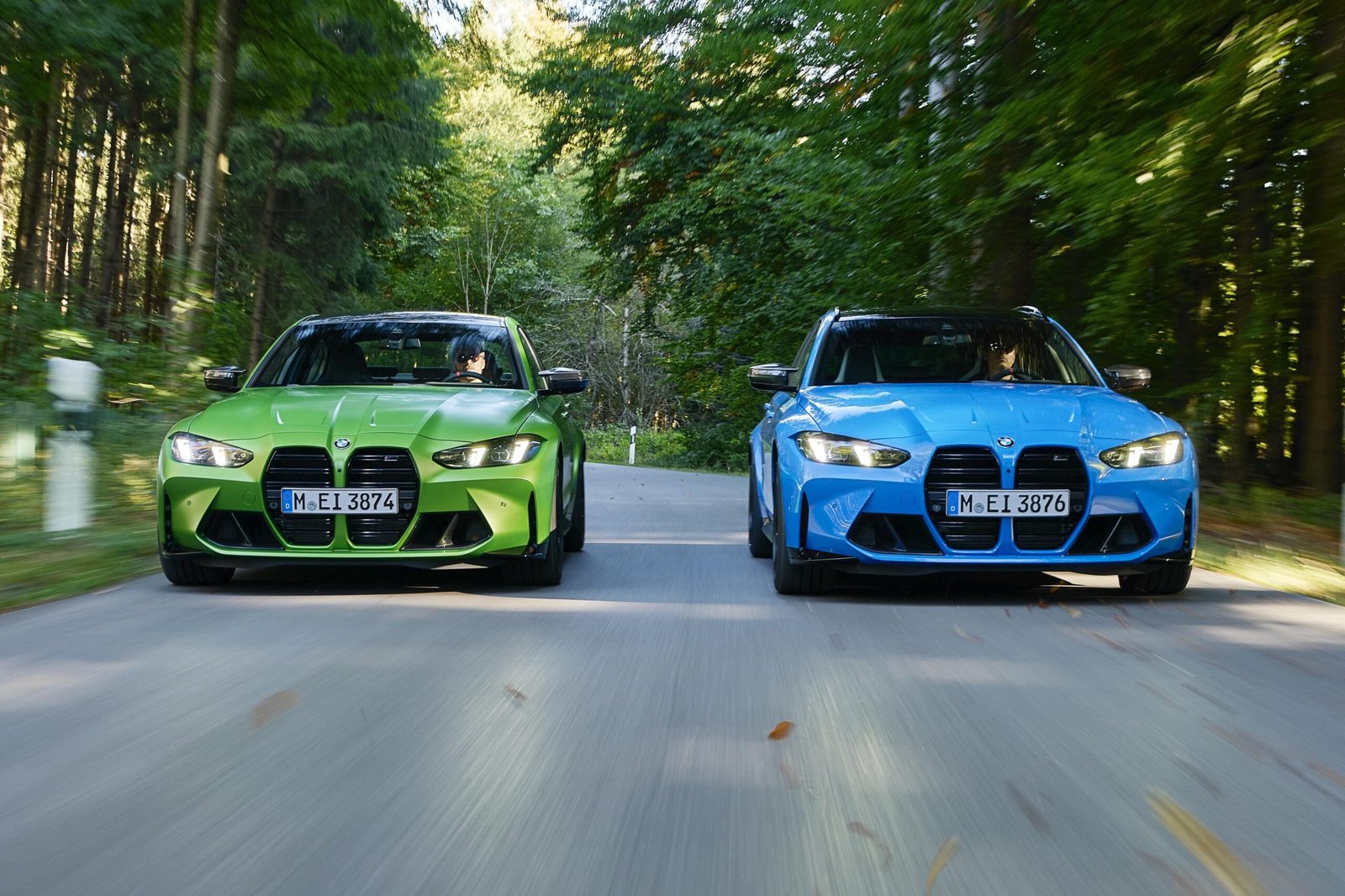
Free-trade agreement (FTA) discussions between Australia and the European Union could soon bear fruit, and one of the outcomes could be the scrapping of the controversial Luxury Car Tax (LCT).
“The Ministerial level engagement was constructive and positive and allowed the two sides to converge positions on a range of issues,” reads a joint statement released on Friday (February 13) by the federal Minister for Trade and Tourism, Don Farrell, as well as the European Commissioner for Trade and Economic Security, Maroš Šefčovič, and Commissioner for Agriculture and Food Christophe Hansen, following talks in Belgium.
“Good progress was achieved in narrowing gaps on a small number of outstanding matters. The principals will now report back to their Leaders.”
CarExpert can save you thousands on a new car. Click here to get a great deal.
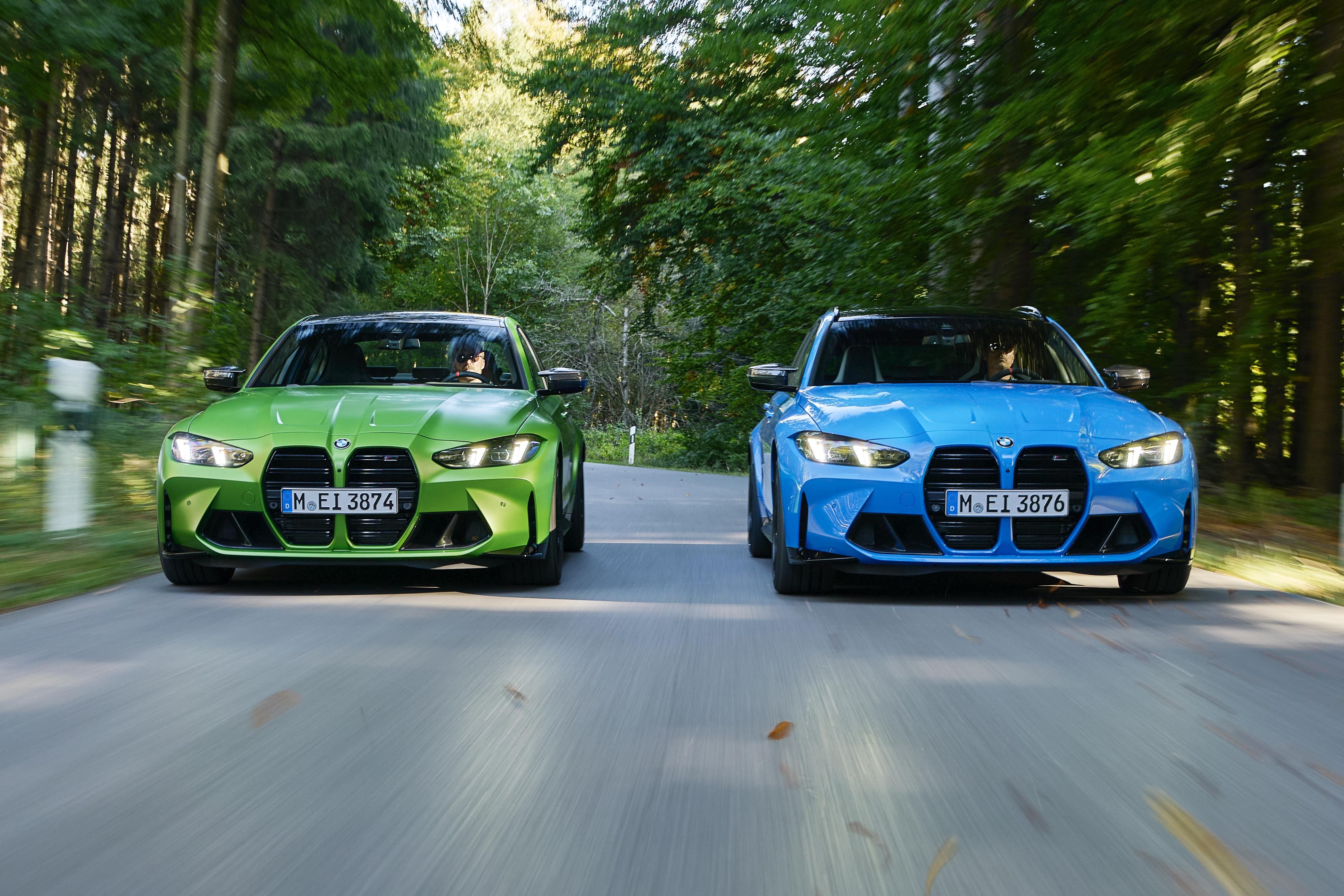
The ABC further reported word from sources that “the deal was now close”, with just one outstanding issue – understood to be around meat exports – to be resolved before a deal can be signed.
It’s understood the EU wants Australia to axe its LCT, while Australia is arguing for greater access to the European market for its agricultural exports.
The latter had been a sticking point when previous Australia-EU negotiations on an FTA collapsed in 2023.
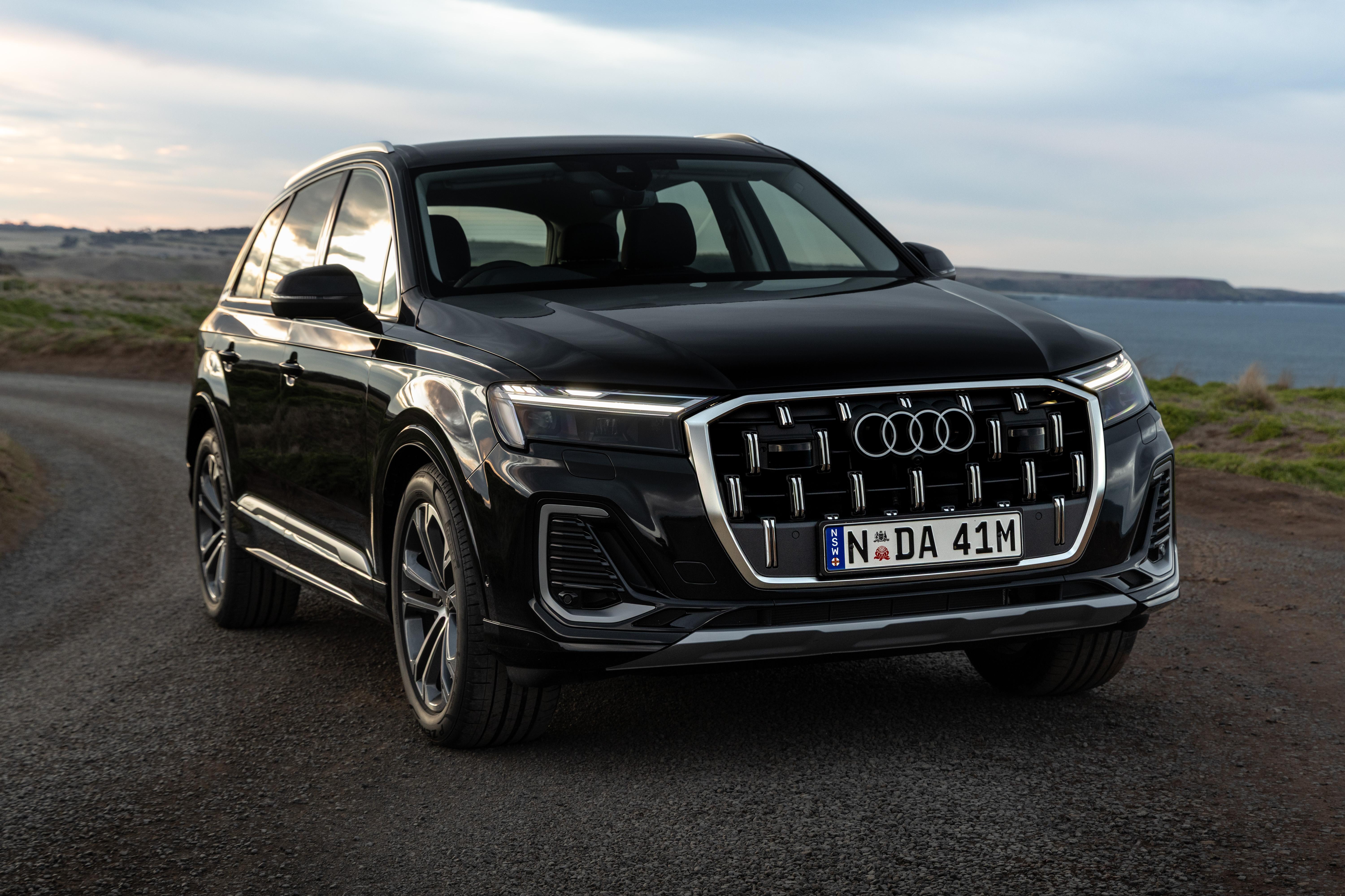
Australia and the EU trade over $100 billion in goods and services each year, which makes the bloc Australia’s third largest trading partner.
In the absence of a free-trade agreement between Australia and the EU, European vehicles are also subject to a five per cent import tariff.
That’s in contrast with the top four sources of new vehicle imports to Australia – Japan, China, Thailand and South Korea – for which vehicles aren’t subject to any import tariffs.
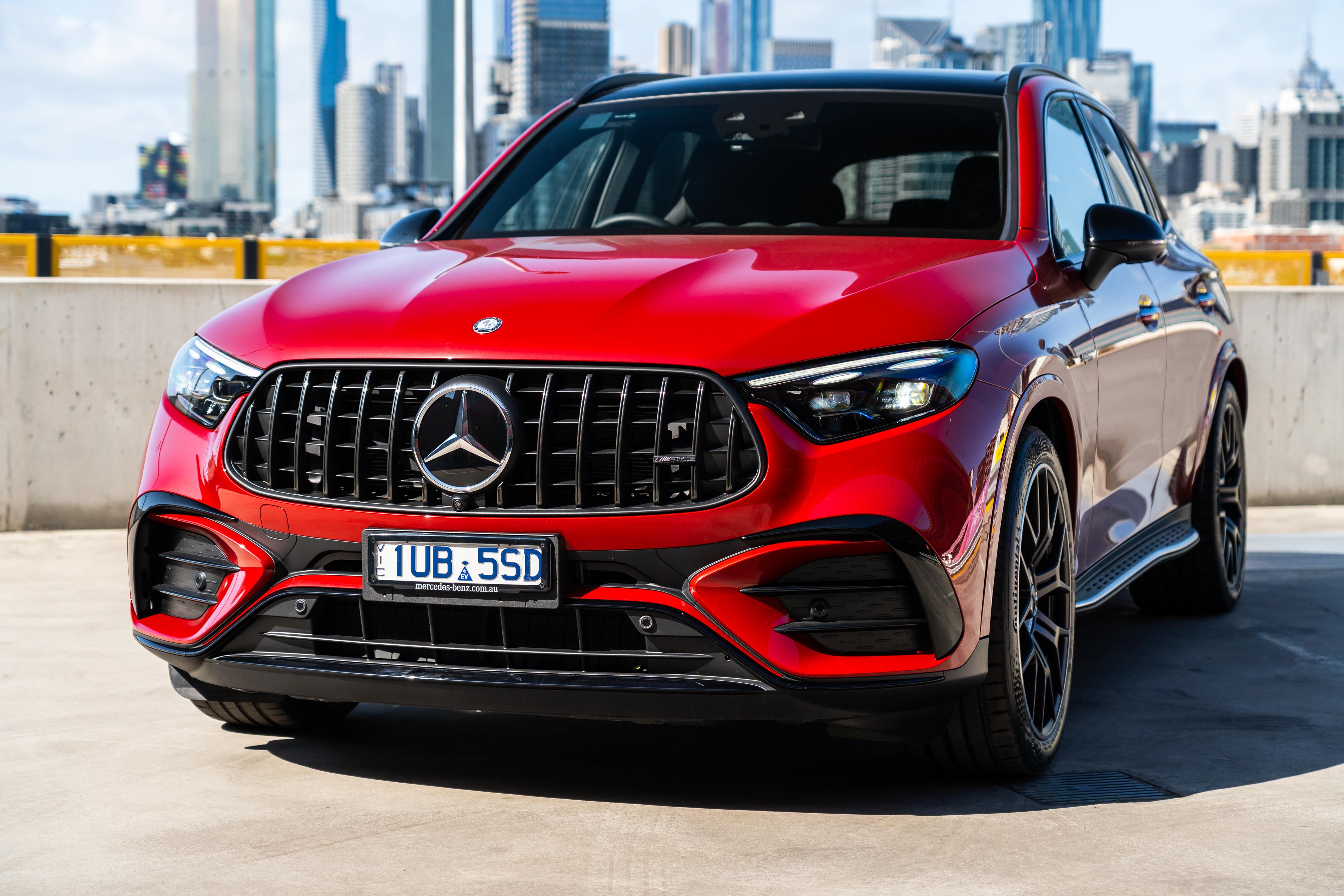
According to The Australian, around 40 per cent of the revenue from LCT comes from sales of European cars.
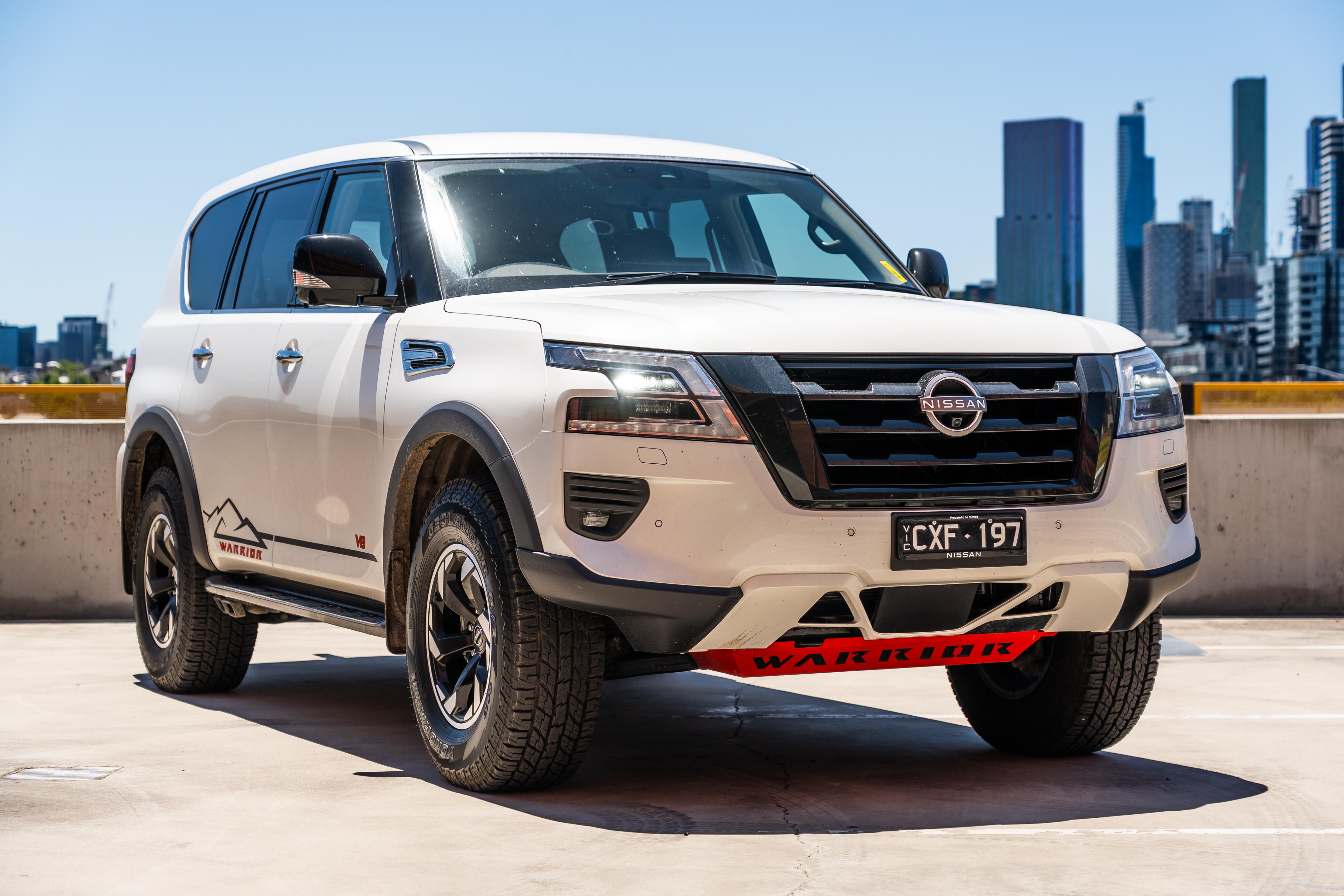
Despite the name, the LCT also applies to Aussie staples such as the Toyota LandCruiser 300 Series and Prado and Nissan Patrol.
The LCT is expected to cost Australian new-car buyers $1.21 billion in the 2025/26 financial year.
It adds 33 per cent to any part of a vehicle’s price above the LCT threshold, which is currently $91,387 for fuel-efficient (ie: vehicles with fuel consumption of under 7.0L/100km) and electric vehicles (EVs), or $80,567 for all other vehicles.
Thresholds are set annually by the government and are indexed to the Consumer Price Index (CPI).
From July 1, 2025 the definition of a fuel-efficient vehicle changed to one with fuel consumption of under 3.5L/100km following the passing of the Treasury Laws Amendment (Tax Incentives and Integrity) Act 2025, a move designed to drive uptake of more environmentally friendly vehicles.
The Australian previously reported in May 2025 the federal government was assessing a progressive lowering of the LCT instead of axing it in one fell swoop, after car dealers and automakers warned its sudden removal could spark a rapid collapse in vehicle resale values.
The Australian Automotive Dealer Association (AADA), the peak body for car dealers in Australia, called again for the removal of the tax in its pre-budget submission last year or, at the very least, for reforms to be made including a higher threshold and the exemption of low-emission vehicles.