











Honda has unveiled two key components of its next wave of vehicles: a modular mid-size architecture, and a V6 hybrid drivetrain for its large vehicles.
The new mid-size architecture will make its production debut in 2027, and thanks to “new engineering design methods” it’s said to be 90kg lighter than today’s mid-size platform. For reference, the current Civic weighs between 1300kg and 1460kg.
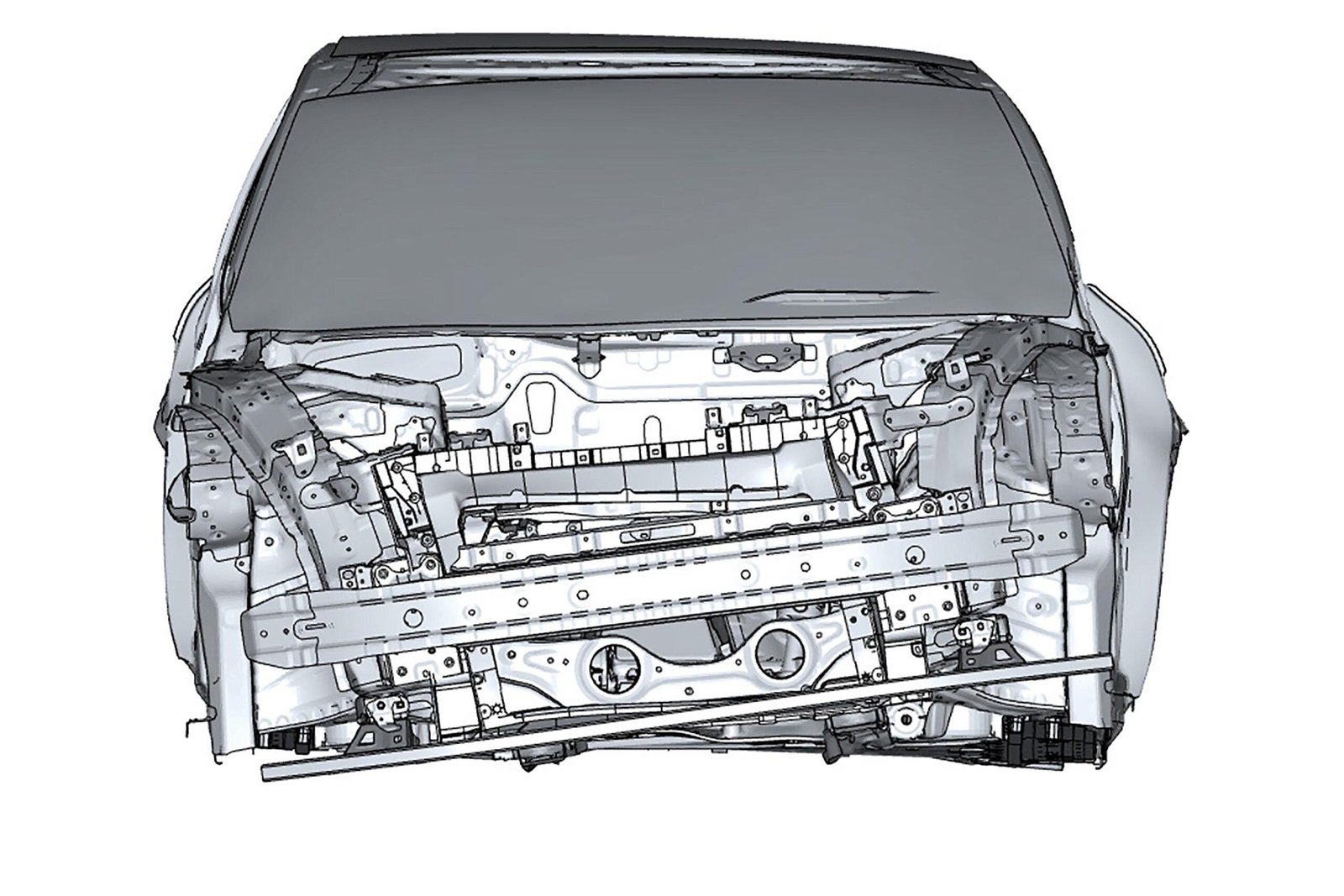
As with most modern vehicle platforms, this one supports cars of different sizes and aims to maximise parts commonality. Highly sharable components, such as the engine bay and rear underbody, are kept separate from customised sections, such as the rear cabin.
CarExpert can save you thousands on a new car. Click here to get a great deal.
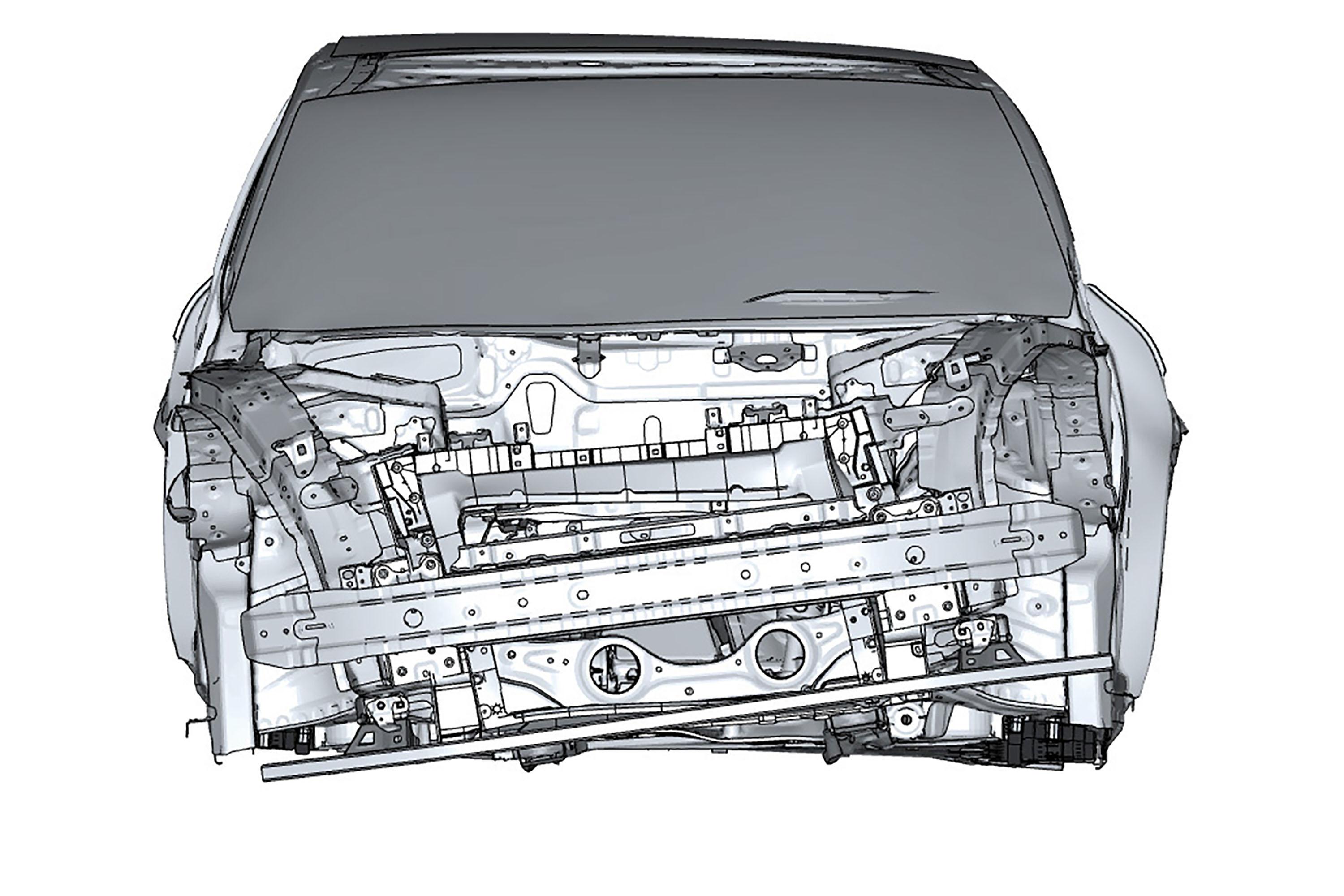
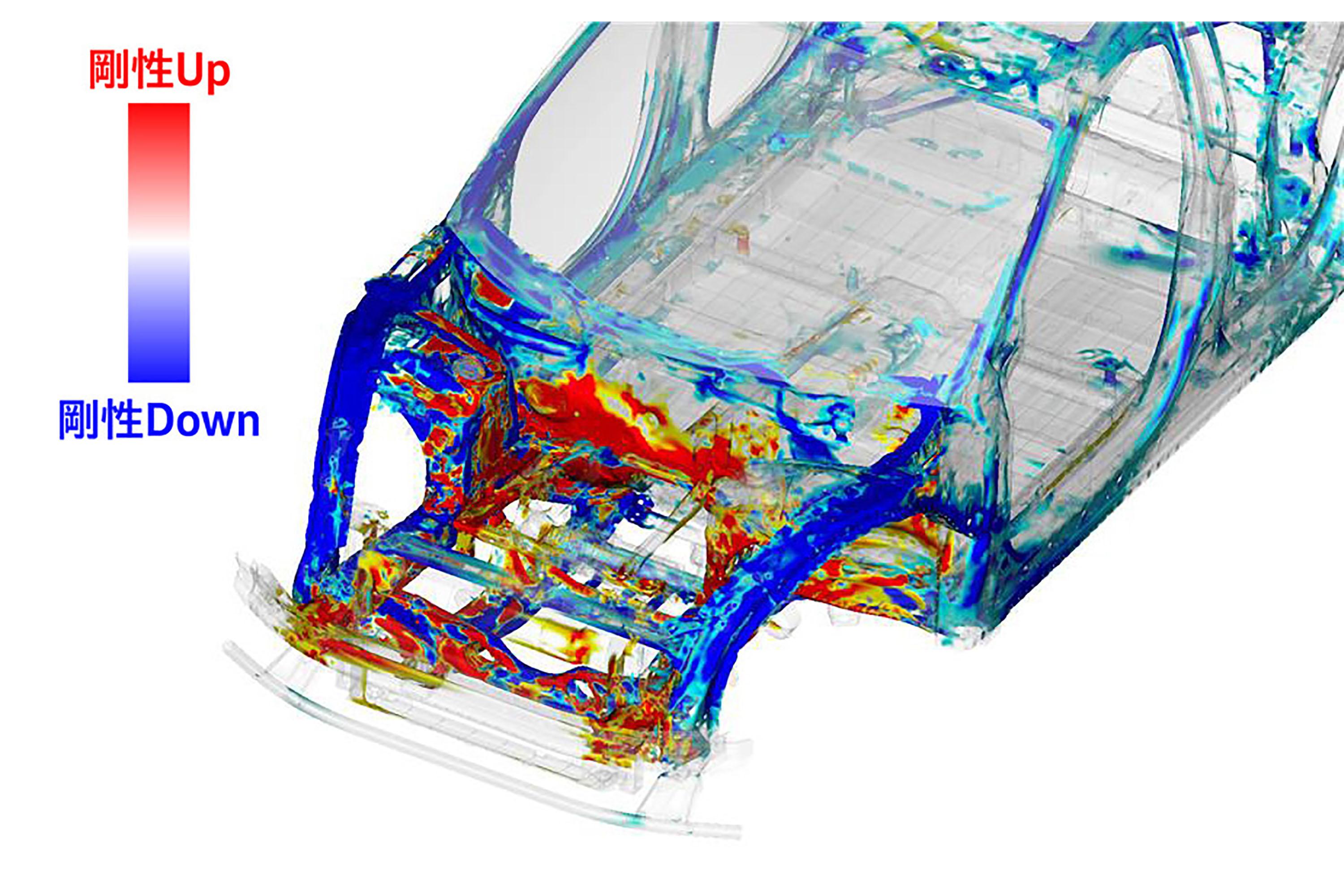
Perhaps the new architecture’s most interesting feature is that it has been designed to generate “vehicle behavior as if the body flexes during cornering” and the “load put on each tyre will be controlled to improve roadholding performance”.
Honda says it will apply this design to next-generation EV platform, which is presumably the one that underpins the small Honda 0 α, as well as the larger Honda 0 SUV and Honda 0 Sedan.
Models based on the new mid-size platform will be available with Motion Management System and a pitch control system to “further enhance the ‘joy of driving’”.
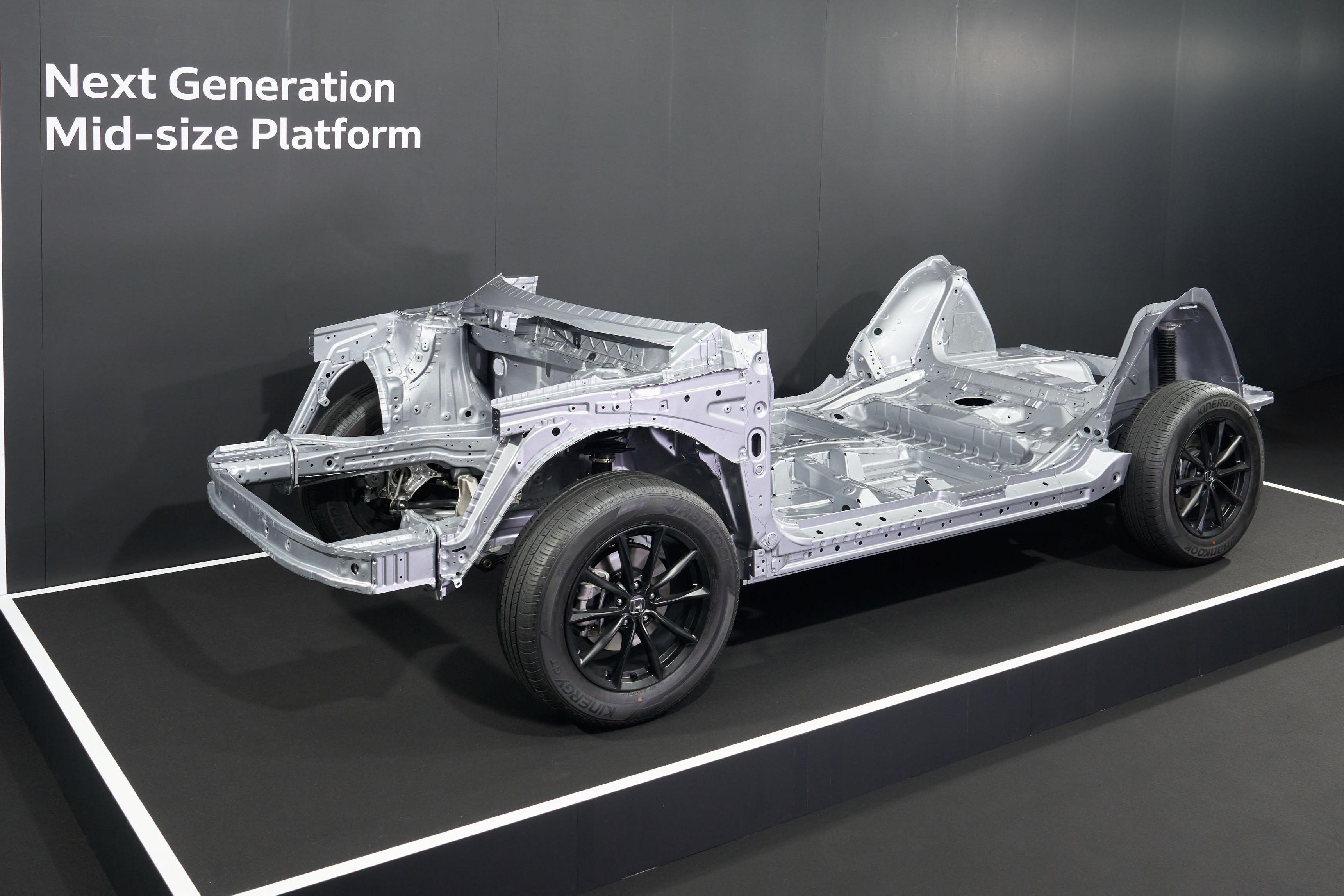
Given Honda generally releases a new Civic every five to six years, and with the current generation making its global debut in 2021, it’s possible new mid-size platform will debut on the 12th-generation Civic. On top of this, Honda has been testing the new platform on an elongated and widened version of today’s Civic.
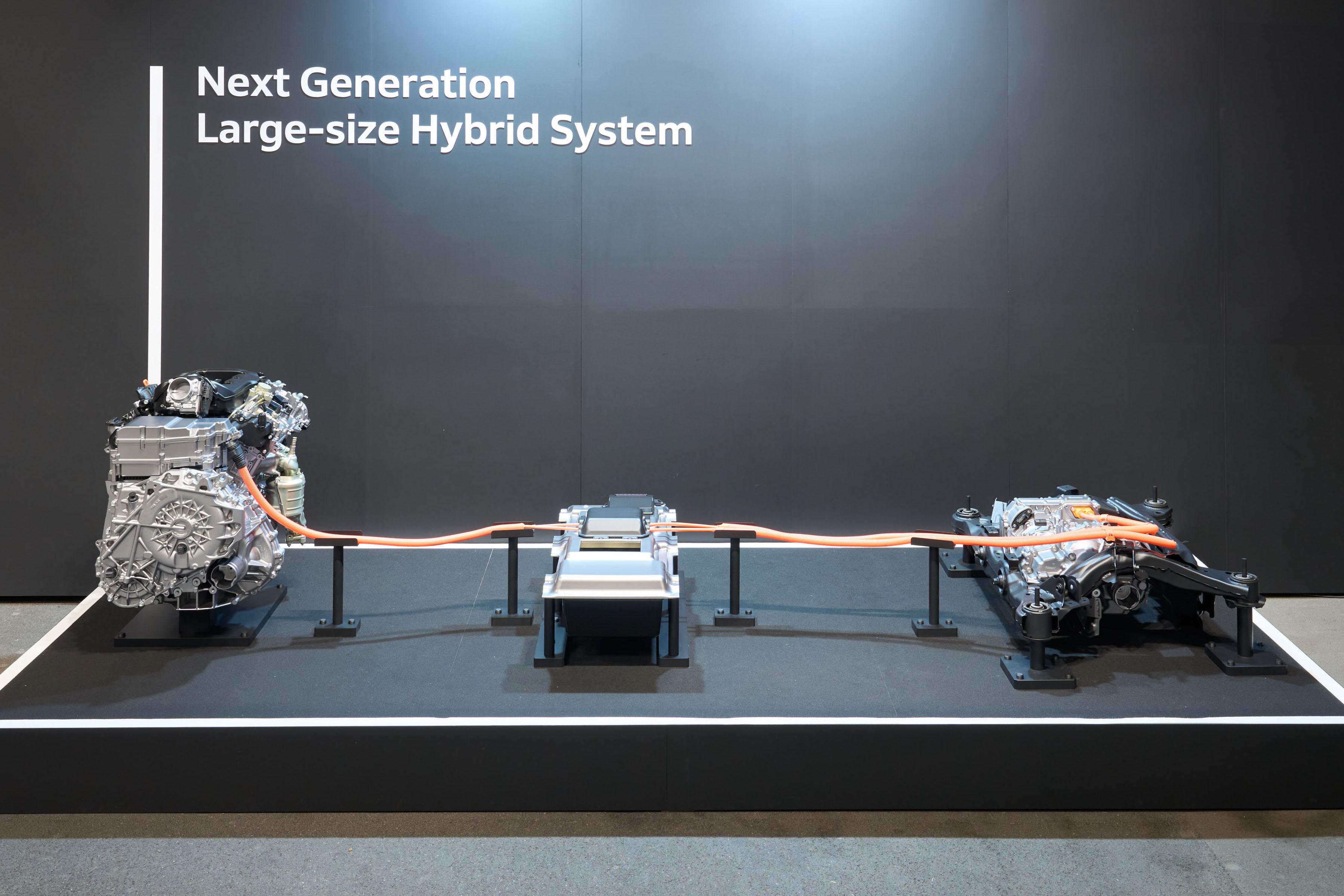
The V6 hybrid drivetrain will be used for the company’s large vehicles, which are currently only sold in North America and the Middle East.
These vehicles include the Passport two-row SUV, the Pilot three-row SUV, the Ridgeline dual-cab ute, and the Kia Carnival-sized Odyssey people mover.
Unlike their competitors from Toyota, which are available with four-cylinder hybrid powertrains, Honda’s large vehicles are currently powered exclusively by a naturally-aspirated 3.5-litre petrol V6 making 213kW and 355Nm.
The V6 drives either the front or all four wheels via a 10-speed automatic transmission. The all-wheel drive Pilot has a combined fuel economy rating of 11.2L/100km.
Honda hasn’t provided specifics about the new V6 hybrid, nor has it revealed the drivetrain’s power output. It does claim the V6 hybrid system delivers 10 per cent faster acceleration than today’s non-electrified V6.
The company also says the hybrid will be 30 per cent more fuel-efficient, which would mean an all-wheel drive Pilot hybrid would consume around 7.4L/100km.
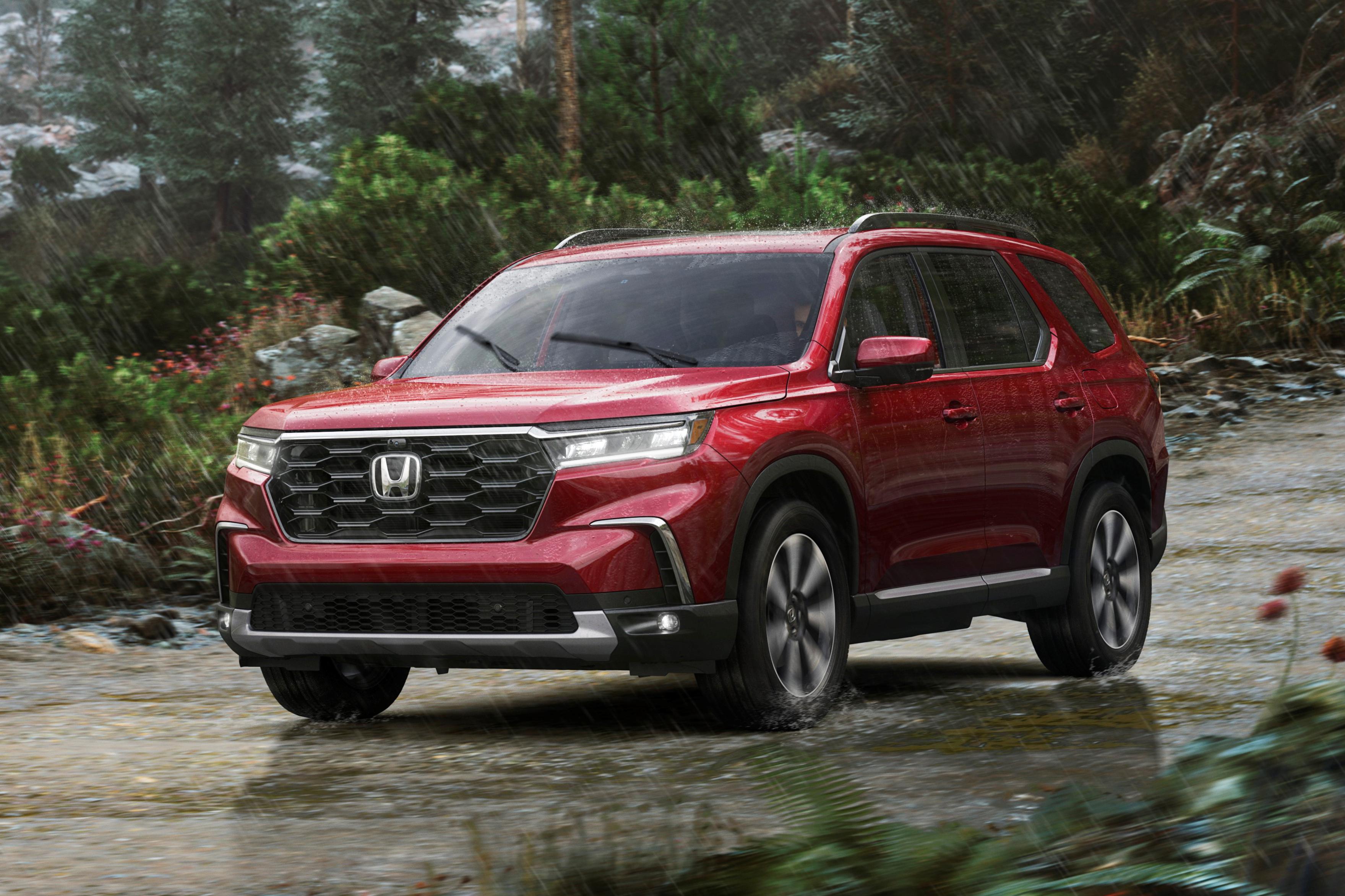
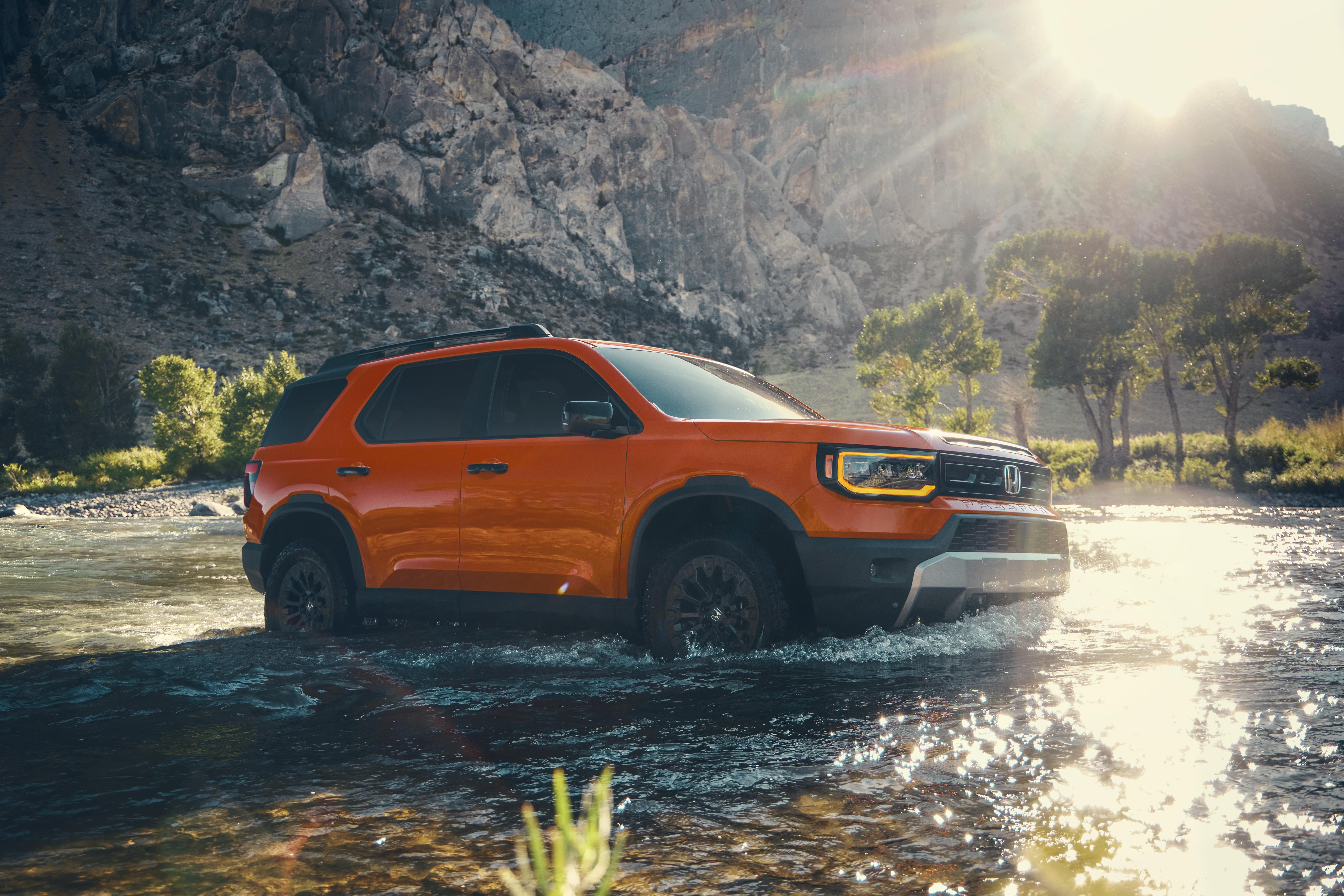
Like the mid-size platform, the V6 hybrid will make its production debut in 2027 in a next-generation model. This means it will be first deployed in the new Odyssey, the current generation of which was launched in 2018, or the new Ridgeline, which in its current guise debuted in 2017. The Pilot and Passport SUVs were redesigned in 2023 and 2025 respectively.
While the new mid-size platform will certainly make an appearance in Australian showrooms, it’s unlikely we’ll see the new V6 hybrid powertrain Down Under. Honda’s large vehicles are designed and built in the US, and haven’t been offered in right-hand drive for many-a-moon.
Honda Australia’s last V6 model was the NSX supercar, and prior to that the last V6 engines available here were in the 2013 Accord and Legend sedans.
MORE: Explore the Honda showroom