













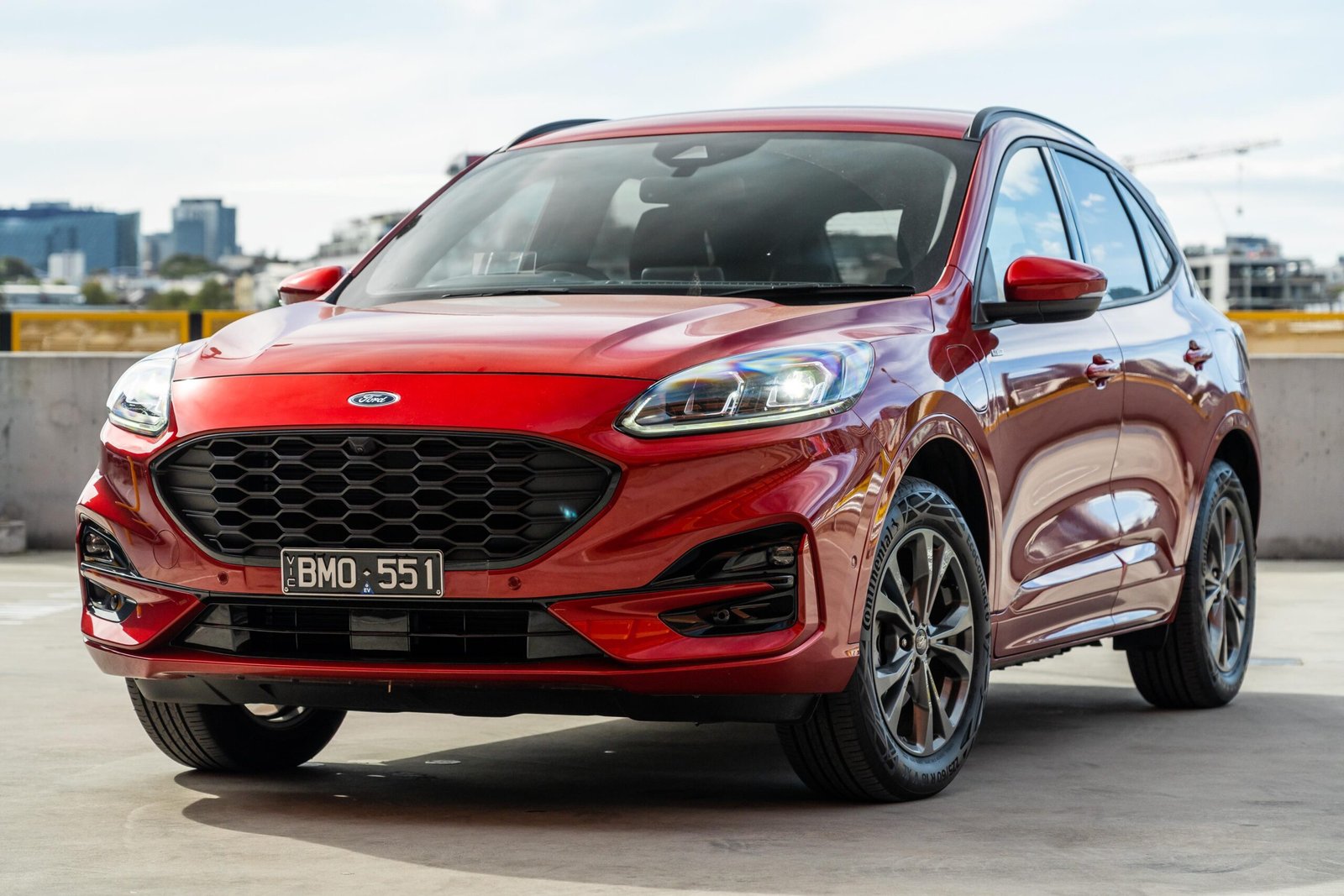
Ford will offer five new models priced below US$40,000 ($57,850) in the United States after ending production of its entry-level Escape SUV last December.
The arrival of new models could give Ford Australia an opportunity to cater for buyers seeking more affordable vehicles, following the axing of the Escape, Puma and small passenger car lineups in recent years – contingent, of course, on whether these vehicles are built in right-hand drive.
Speaking at the National Automobile Dealers Association (NADA) Show in Las Vegas, Nevada, Andrew Frick – who leads the automaker’s Ford Blue business division and its electric Model e division – promised dealers an expanded range of lower-priced models.
“It will be across our lineup of cars, trucks, SUVs, vans, and it will be multi-energy,” Mr Frick told Automotive News.
CarExpert can save you thousands on a new car. Click here to get a great deal.
“That’ll start to fill in the product side, but we have work to do to help affordability in the near term more tactically.”
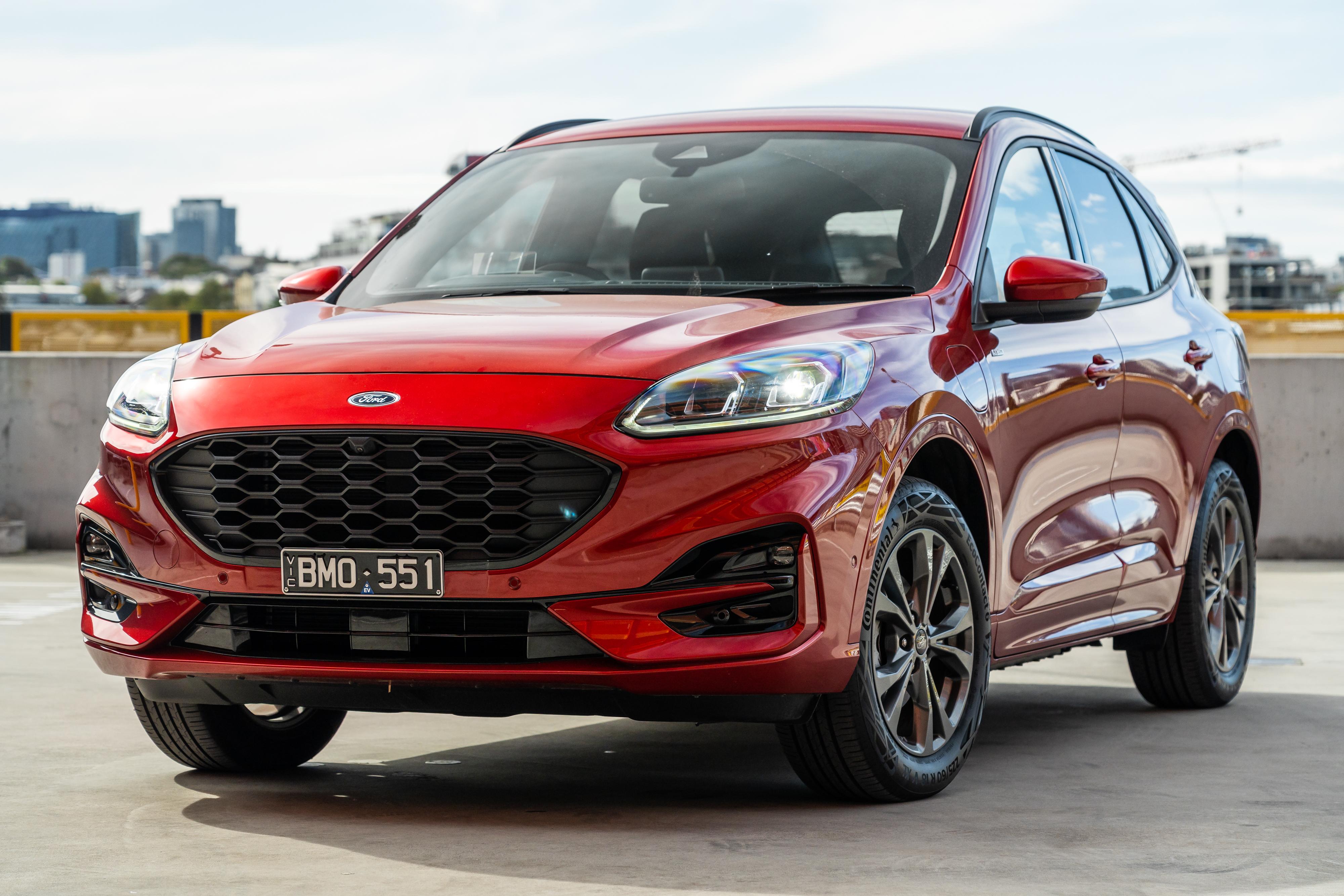
At the time it was axed, the Escape was the brand’s cheapest SUV in the US, starting at US$30,350 (~A$43,150) before on-road costs. Ford no longer offers any passenger cars in the US market, apart from the Mustang.
Now, the mid-size Bronco Sport – which uses the same C2 underpinnings as the Escape – is the most affordable Ford SUV in the US, priced from US$31,845 (~$45,300), while the also Escape-based Maverick is its cheapest pickup (and cheapest vehicle overall) at US$28,145.
Neither model is sold in Australia, as they’re both produced exclusively in left-hand drive. Ford has never sold the Puma, its entry-level model in Europe and formerly in Australia, in the US market.
“We understand we’ll be selling Escape into this year, but at some point we’ll run out; that does not mean we cannot continue to drive profitable growth through the nameplates we have,” Mr Frick said.
The Ford executive told Automotive News the five models will be new nameplates, rather than redesigns of existing vehicles currently on sale.
Ford announced midway through 2025 it was refocusing its electric vehicle (EV) development on “super affordable” models, which will start reaching US showrooms from 2027.
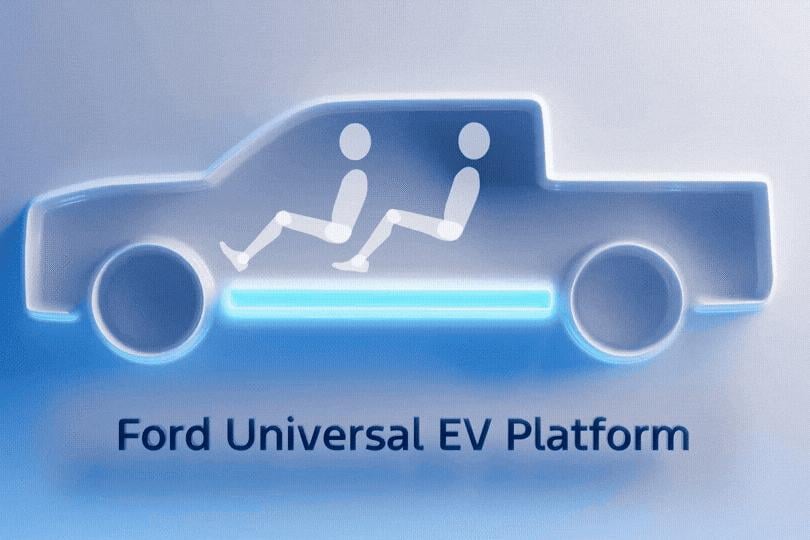
This is set to include a new affordable electric pickup using the new ‘Universal’ platform announced in 2025, which is also expected to feature upgraded autonomous driving technology.
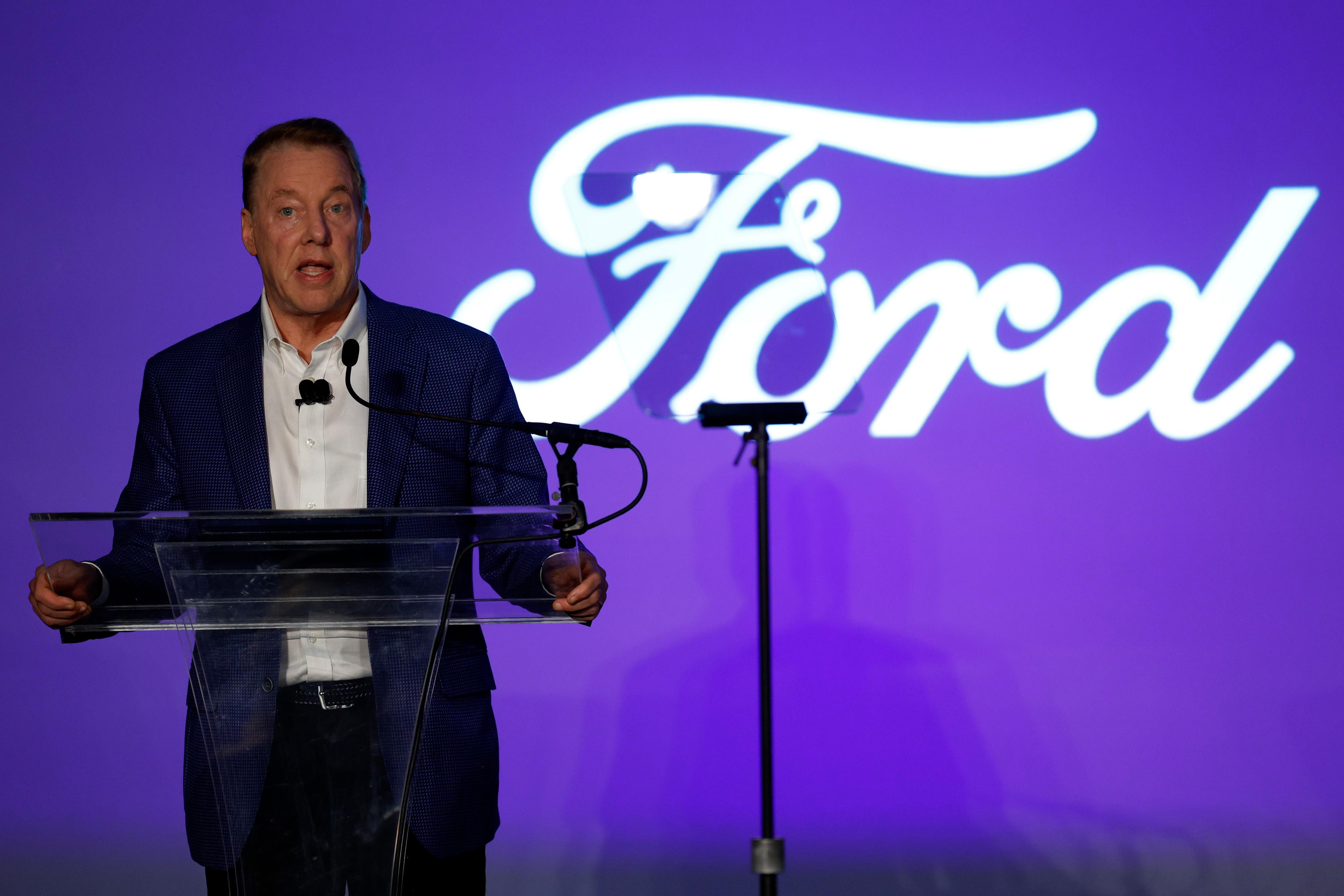
Bill Ford, chairman of the automaker founded by his great-grandfather Henry Ford in 1903, said last year the brand needed to lift its passenger car game, saying Ford was not as “robust” as it needed to be.
Ford president and CEO Jim Farley – who controversially said he hated ‘two-row SUVs’ like the Escape – has said the brand will not be a full-line manufacturer, arguing it cannot compete directly with Toyota and Hyundai.
Instead, Ford plans to lean into its heritage by expanding iconic nameplates such as Bronco and Raptor into sub-brands, though Raptor variants will remain at the higher end of the price spectrum.
Mr Farley also created headlines by promising the company would no longer make ‘boring’ cars.
In addition to the five new models, Mr Frick said the plan will also include cheaper model grades of the Explorer and Bronco – neither of which are sold in Australia – which currently start at US$38,465 (~A$54,690) and US$39,995 (~$56,860) before on-road costs respectively.
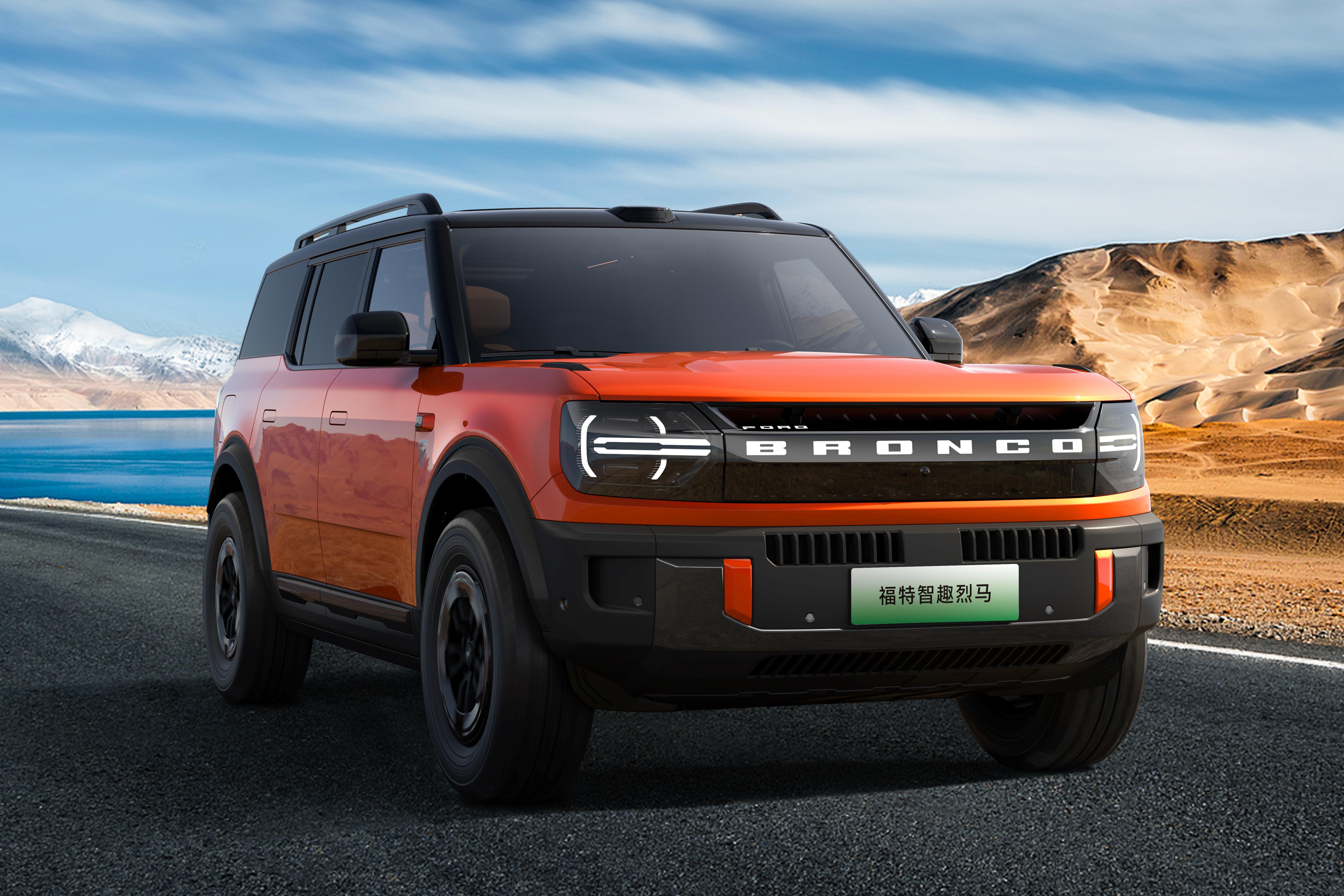
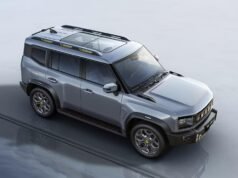
Ford Australia faces a similar lack of affordable entry-level models, a challenge compounded by the growing presence of Chinese brands offering lower-priced vehicles locally. It has left the door open for Chinese-sourced models, and CarExpert understands at least one – the new Bronco New Energy – is headed for our market.
It’s unclear if other Chinese Fords, like the more affordable Equator Sport, will follow.
Chinese brands such as BYD aren’t sold in the US due to tariffs and ongoing trade disputes impacting the industry. Ford sells only one Chinese-built vehicle in the US, under its luxury Lincoln brand.
Ford Australia introduced cheaper, entry-level grades of the Ranger-based Everest SUV in 2025, with the Everest Ambiente now the cheapest passenger vehicle in its Australian lineup at $59,490 before on-road costs.
This followed the Escape being axed in Australia in 2023 without a replacement, despite its key rival the Toyota RAV4 remaining Australia’s most popular SUV and the Mazda CX-5 continuing to sell strongly into the first month of 2026.
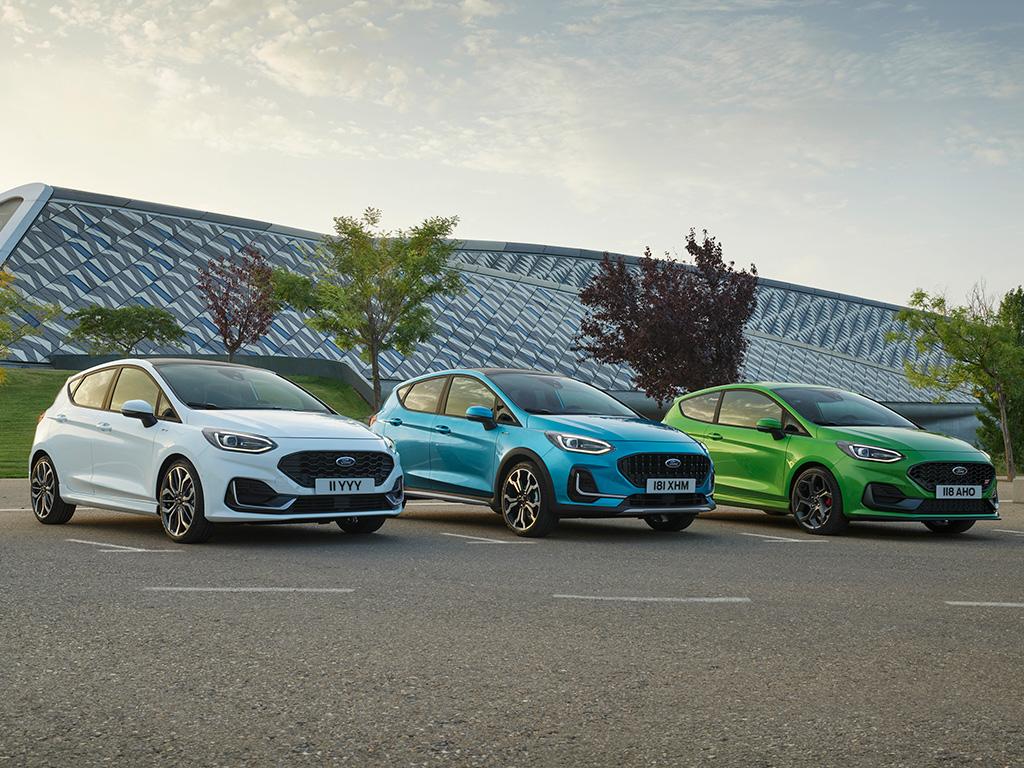
The Ford Puma small SUV – a rival to the hot-selling Mazda CX-3 – was also dropped from Australian showrooms in 2024, having been the cheapest passenger vehicle in Ford’s local lineup at $30,840 before on-road costs.
Ford Australia also lost the Fiesta and Focus light and small cars after they were discontinued globally, despite the Fiesta dominating sales in the United Kingdom, where both models were consistent top-four best-sellers for decades.
As part of a 2025 announcement around affordability, Ford also flagged a return to smaller vehicles, particularly for Europe and the UK. MORE: Explore the Ford showroom