













Buying a new car is always exciting. And auto brands go to great lengths – and spend billions of dollars in myriad ways – attracting customers into showrooms to entice them into something shiny and new.
But after the deal is done, owning a car can be a different story altogether.
Some brands invest just as much effort in aftersales support and customer care to ensure the ownership experience lives up to expectations.
Here, we sit down with Honda Australia’s general manager of ownership experience, James Greenwood, to find out what goes on behind the scenes – and after the contract is signed – at the Japanese automaker’s local division.
CarExpert can save you thousands on a new car. Click here to get a great deal.
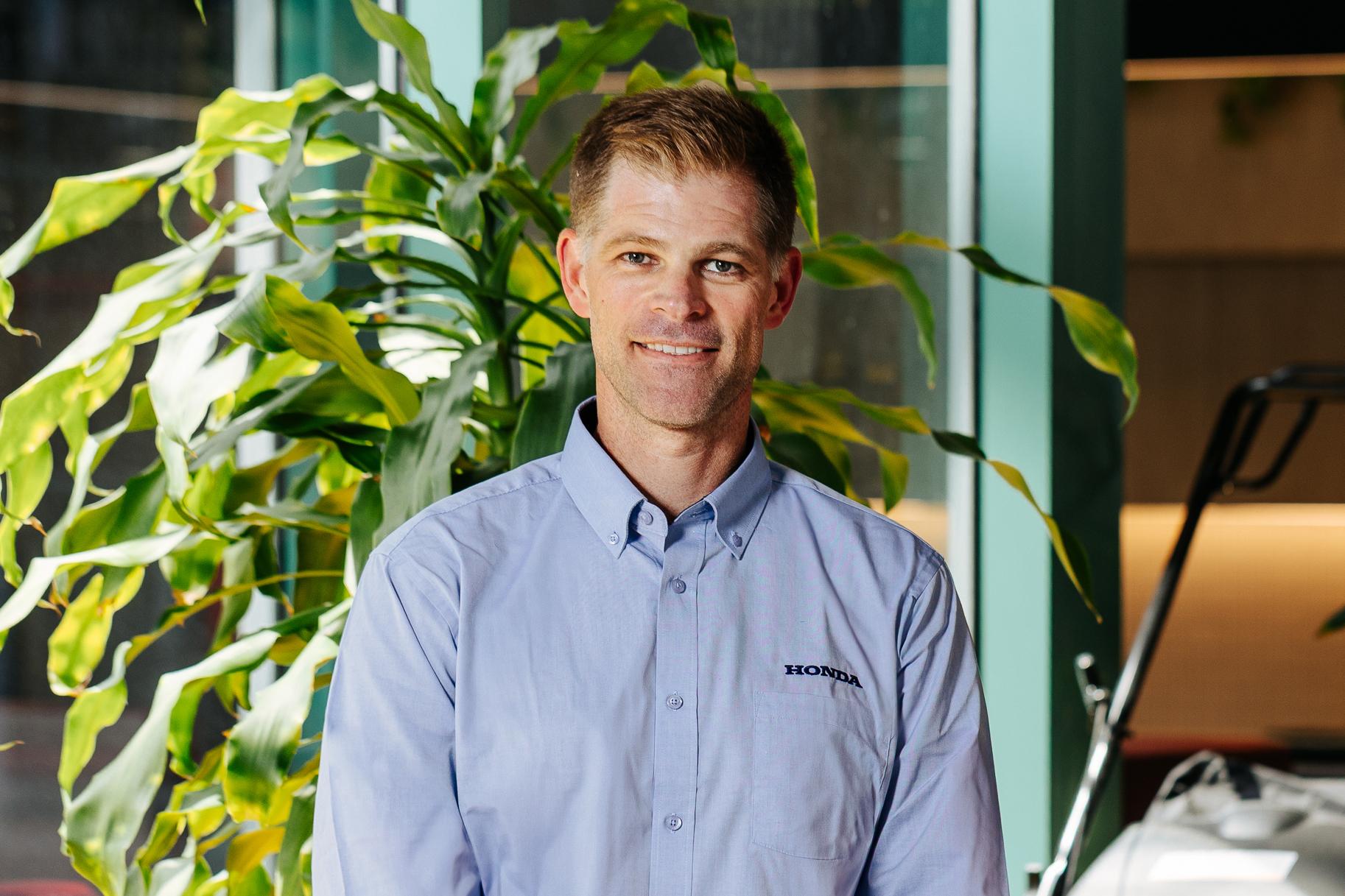
What is your background and what does your role as the boss of ownership experience entail?
I have been with Honda Australia for almost 12 years now, and most of my role has been in the Ownership Experience division and various leadership roles.
Before that I worked at Holden for 10 years in roles across marketing, export, pricing, vehicle distribution and finance. I eventually ended up in the global purchasing and supply chain finance space before I came across to Honda.
It took me some time to adjust from an American-centric company to a Japanese company culture, but it didn’t take too long to start to really see Honda’s way of doing things, from the culture and the philosophy to the global might of one of the world’s truly amazing companies.
I feel like the ethos of the company, its commitment to looking after our customers and its challenging spirit comes out in everything we do.
Recently my role expanded to oversee the Ownership Experience elements for all of Honda in Australia including our motorcycle, power equipment and marine businesses.
My experience up to this point has given me a great view of the customer from multiple touchpoints and now I get to put it altogether in ownership experience.
If you’re unclear on what ownership experience is exactly, it’s basically everything other than selling the product – that’s the easiest way to describe it. From service and spare parts, all the supply chain elements, customer care, quality, compliance, and all our technical support for the networks as well.
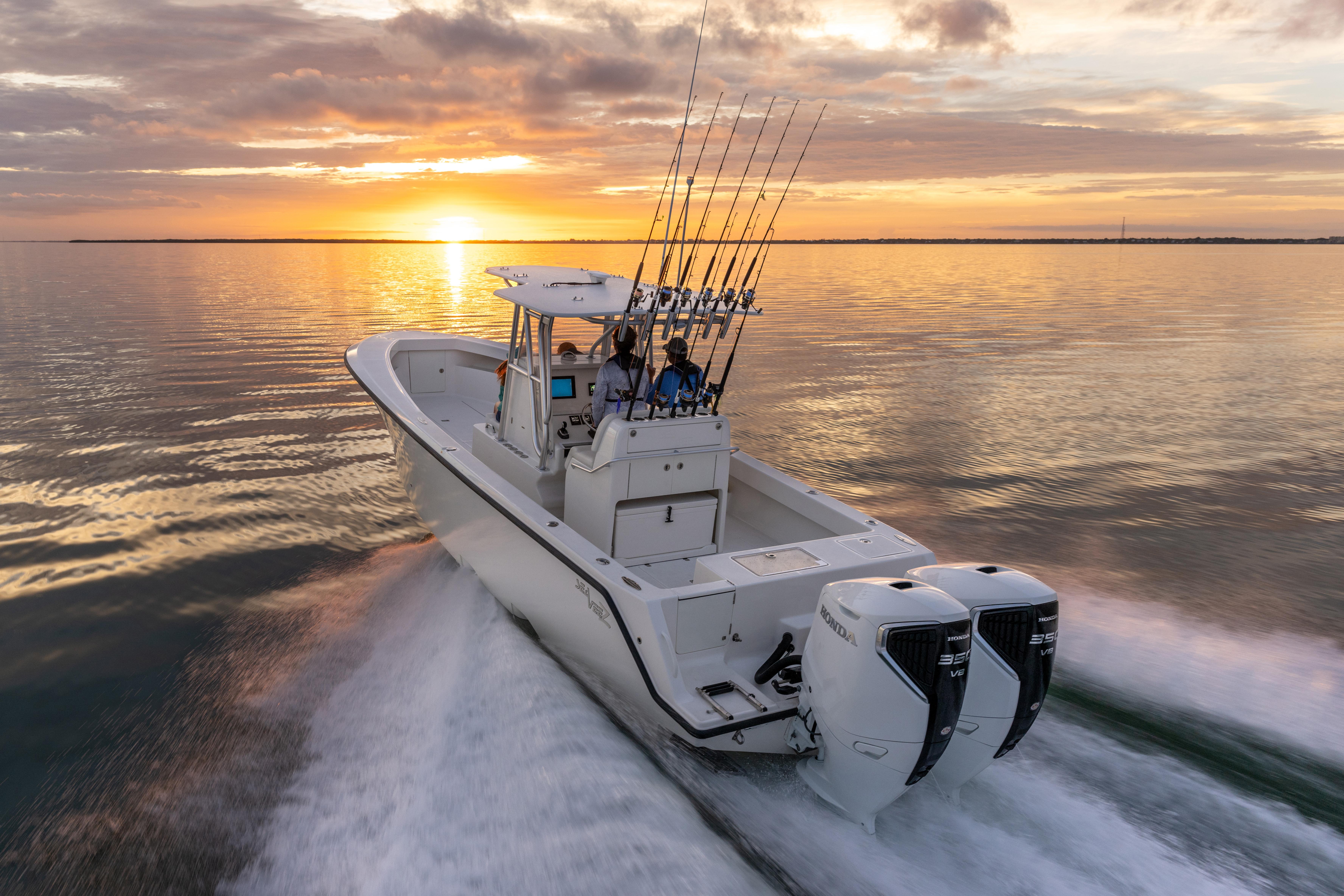
In Australia, Honda sells vehicles, motorcycles, power equipment, and marine engines – so you might see us on land, sea, or at your local Bunnings. About two and a half years ago, we started to do some unification work to bring those business units together, which means I now look after all of Honda’s products in Australia.
Having that diversity of product and customer has meant it’s been a really, really exciting couple of years getting to be exposed to different sides of the business after many years focusing on automotive only.
So, what’s your favourite part about working for a brand like Honda?
Other than the day-to-day, I have an absolute love for Honda, and it is a core reason why I’m still here after more than a decade.
The brand has provided me with a lot of opportunity and personally I’ve had a lot of growth during my 10-plus years. I love the way things are done. Again, the Honda philosophy we’ll talk about really sings to me as well.
I grew up on a farm and could ride motorbikes before I could walk and then drive cars before I could do anything else. Anything that had an engine had a Honda in it including our pumps, cherry pickers and motorbikes. Everything was Honda.
So it was nice to be able to have that connection from early years, and to actually work for a company that really looks after its customers and produces such a good product.
Not many brands offer the breadth of products that Honda does and, with some really fun products on the way this year like Prelude and Super-One, it’s clear that we’re heading into a real purple patch with our future product.
What are some of the key metrics that you measure success by in terms of quality and customer expectations?
A customer might spend hours researching before buying a motorcycle, or a car or any product from our power equipment and marine divisions, but they spend years and years owning it. So, the touchpoints are crucial.
Ultimately, the biggest measure of success is how we deliver an exceptional ownership experience and retain our customers. To that end, Honda has been in Australia for 57 years now and across the country it still sees many customers handing their Honda products down in the family, rather than selling.
Looking long term, we know that if we provide that excellence in consistent experiences, it will give us the best possible chance to be on the shopping list again when customers come back to buy a car, motorcycle, power equipment, or marine outboard engine.
What are the most important elements consumers expect from Honda after they’ve purchased a car? Obviously, if they’ve done their research, they know what they’re getting, but what are the expectations after that?
Firstly, you think of the product and its quality, durability and reliability. And I think now more than ever that is something that we really need to lean into in such a competitive market.
When people get behind the wheel of a Honda, we know they fall in love pretty quickly – they can touch and feel the quality – and we need to keep that feeling alive through ongoing day-to-day ownership, not to mention fun!
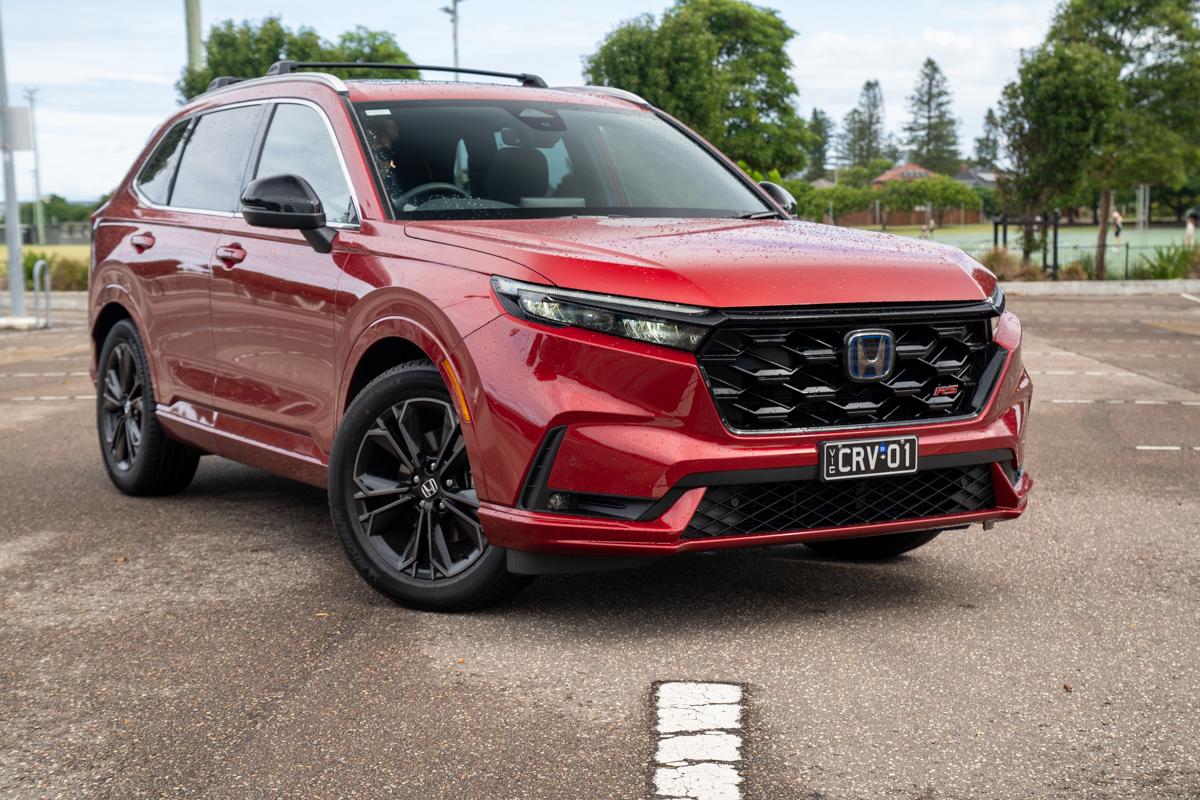
As a brand, we work extremely closely with our Honda Centre and dealer networks because they are the face and the touchpoint for our customers. We see success as having a true partnership with them and consistently delivering Honda’s brand values and demonstrating our unique product in a way that helps people understand it.
When it comes to supporting our customers with everyday ownership, we have a well-oiled supply chain machine that’s been in place for almost 60 years now in Australia that is focused on ensuring we have the right parts in the right place at the right time.
That’s another key strength of ours – the peace of mind for our customers that if something doesn’t go their way we will have your back.
Have you seen quantitative changes in the customer experience since Honda’s move to an agency sales model?
That’s a really good question and the simple answer is yes, we absolutely have.
A big part of moving to a new business model was a new approach to the ownership value proposition. It’s not just the price of the car – it’s the whole value offering for our customers.
That is why Honda developed its market-leading Honda Low Price Service offering. Our five low-price services have provided immense ownership value for our customers and, in return, has generated record customer retention.
My role in the business model transition was to focus on nurturing our existing customer base, which initially was quite challenging. However, along the journey we learnt a lot and we’re now in a position of strength and geared to grow.
What are some of the things that surprise or delight new owners about the ownership experience of a Honda?
Well for me personally, it’s really around the value that they have in buying and owning a new Honda.
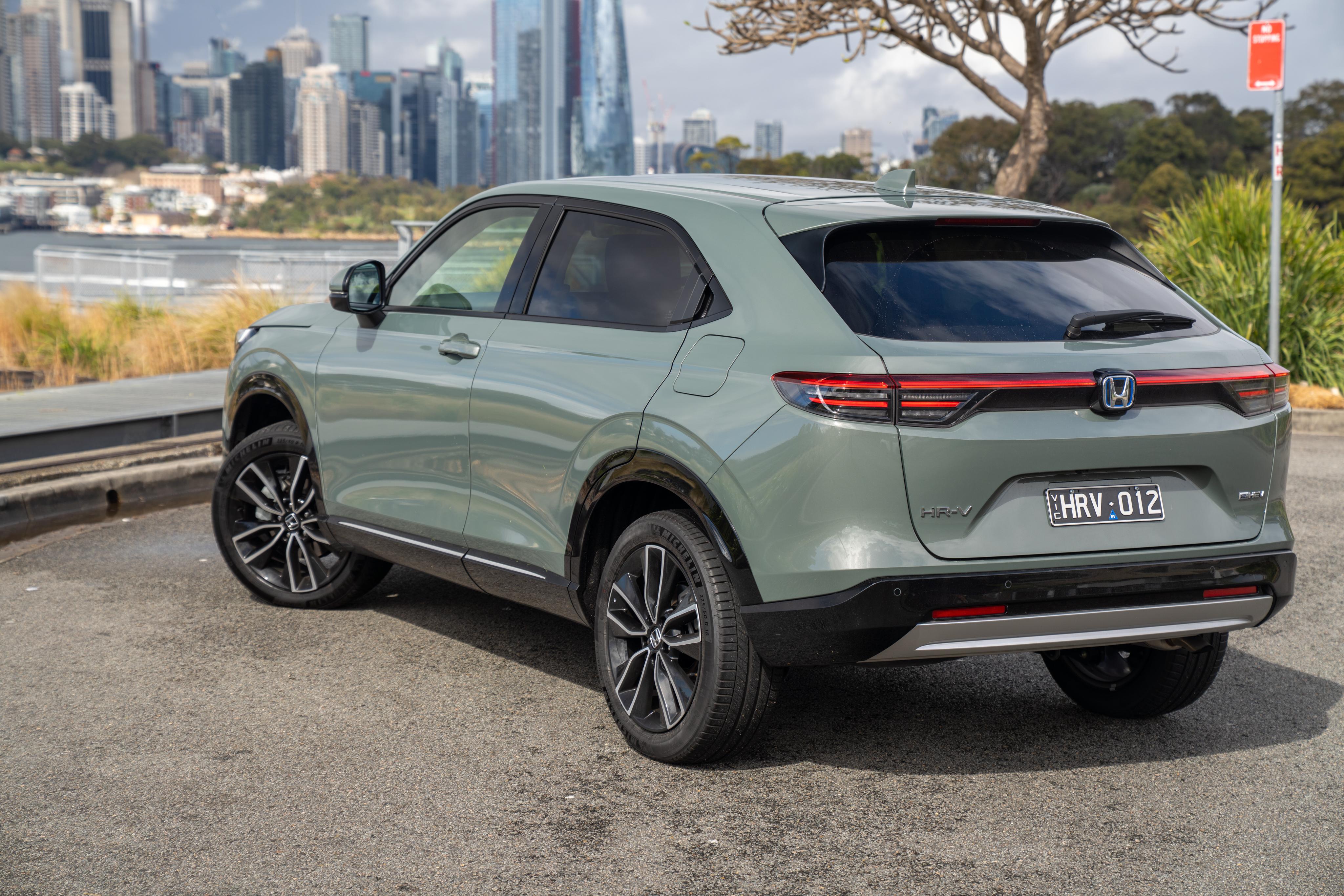
When we introduced the new concept of five low-price services with five years of factory warranty and five years of premium roadside assist included with every new Honda, we wanted to underline the great ownership value customers get when they purchase with us.
But we didn’t want to stop there – we launched our Honda Extend program in 2024, which delivers eight years of Honda factory warranty and eight years premium roadside assist (five years factory with three years service-activated).
So that was another way for us to assure our customers that we’re standing behind our product.
Are there any differences in the aftersales experience or expectations for customers of your different model lines? Does a Civic Type R owner demand more from you or anything different than, say, a CR-V or HR-V owner?
It’s a good question. I think in terms of what our automotive products are, there is real consistency in our ownership experience. And that was by choice and by strategy to make everything simple, clear and transparent no matter what the car was.
Same service price, same warranty, same ownership value propositions, no matter which Honda car. The value proposition is exactly the same.
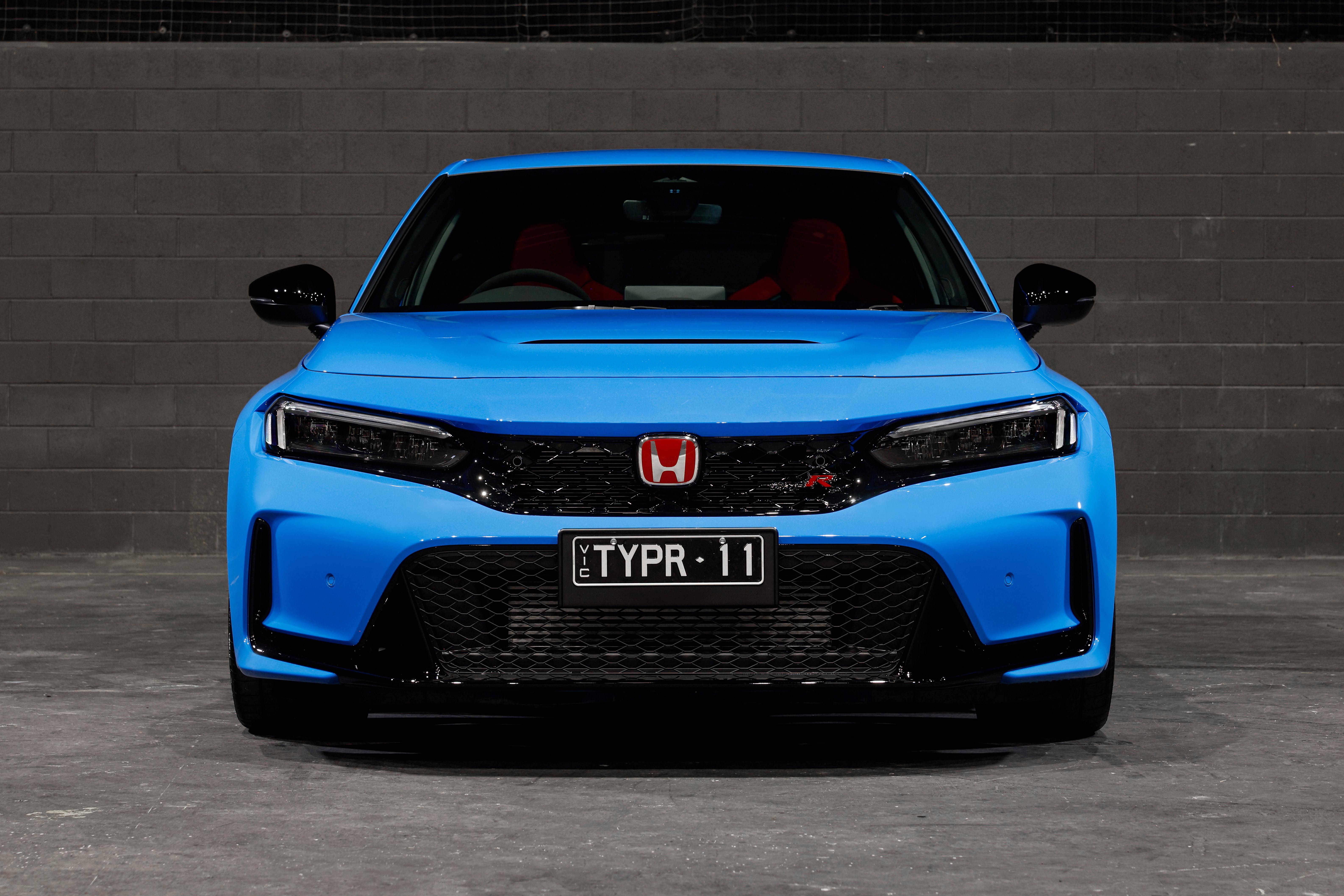
But if you think about the expectations of a Type R owner, for example, they may have higher expectations of the level of quality of experience they get, especially for maintaining such a performance-oriented vehicle.
Nationally we continuously support our Honda Centre network in training, technician support and, again, having all the required parts available at any point in time.
So while the value proposition is consistent, the role our network plays in delivering on our promise and looking after our customers is absolutely crucial… because no one customer is the same.
And similarly for other Honda products like motorcycles, power equipment and marine, are there any differences or unique attributes that those customers require?
Yes, there is. And I’ve learned a lot about this in the last few years running the business from that perspective. While we all come back to the core of being a global company – it is one business – we have different products in widely varying markets, which means our customers are unique and their expectations are different as well.
We’re always looking at ways to improve our business no matter what product it is, and while we still need to stay true to the uniqueness of the products and the customers, the same rules apply everywhere: have a really great value proposition, treat the customers well, over and over again, earn their trust, and give them every reason to come back and buy another Honda.
On the topic of motorcycles, you obviously run the HART (Honda Australia Rider Training) centres in Victoria and NSW. What role do they play and how important are they?
Yeah, really important. 1989 is when we introduced HART in Australia. Personally, I took my son and a group of his friends to do the first little learner course last year at our HART facility in Somerton and they absolutely loved it!
I absolutely believe HART is something that really adds value to the community. Not only are you teaching road safety and skills to ride a motorcycle in the right way, but you can also see the joy that is on everyone’s faces when they go through the process.
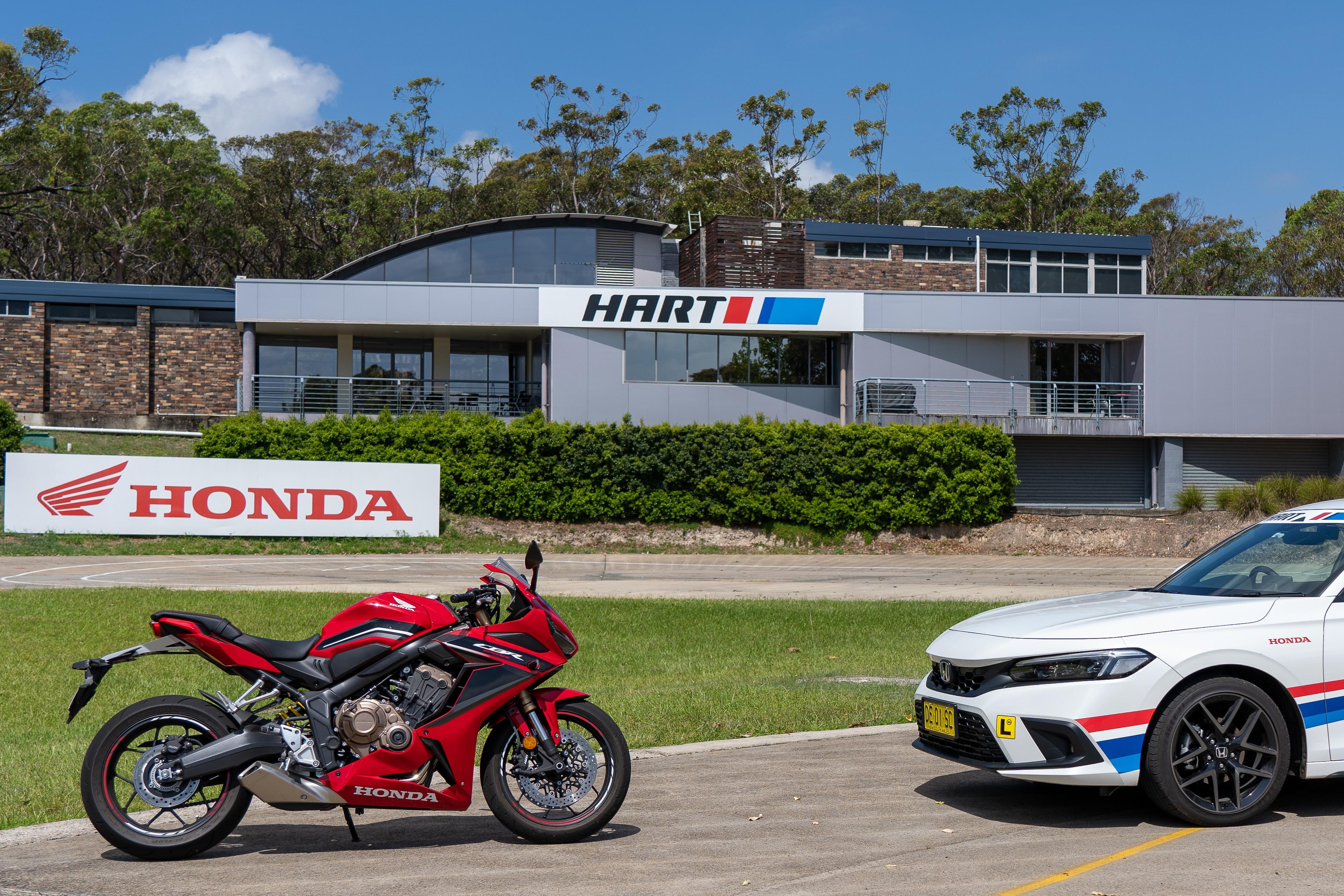
Honda has a global vision to have zero fatalities across the world on our products by 2050. In Australia, HART plays a really crucial role in that first connection with Honda and building a great experience in order to make them safe on the roads.
At our HART facility in St Ives, New South Wales, we also have vehicle driver training courses as well… anything from learner to advanced.
Honda is renowned for its reliability and quality. How does that stack up in reality? What measures do you have that justify that reputation?
We absolutely do. Our reputation for quality, durability and reliability has been decades in the making. It is a large responsibility I hold very close to me to ensure we not only continue to hold this reputation but enhance it as well.
The reputation is also built on the quality of experience our customers have with us. For many years now I have really encouraged my customer care team to proactively work with customers, to listen to them and work on proactive solutions.
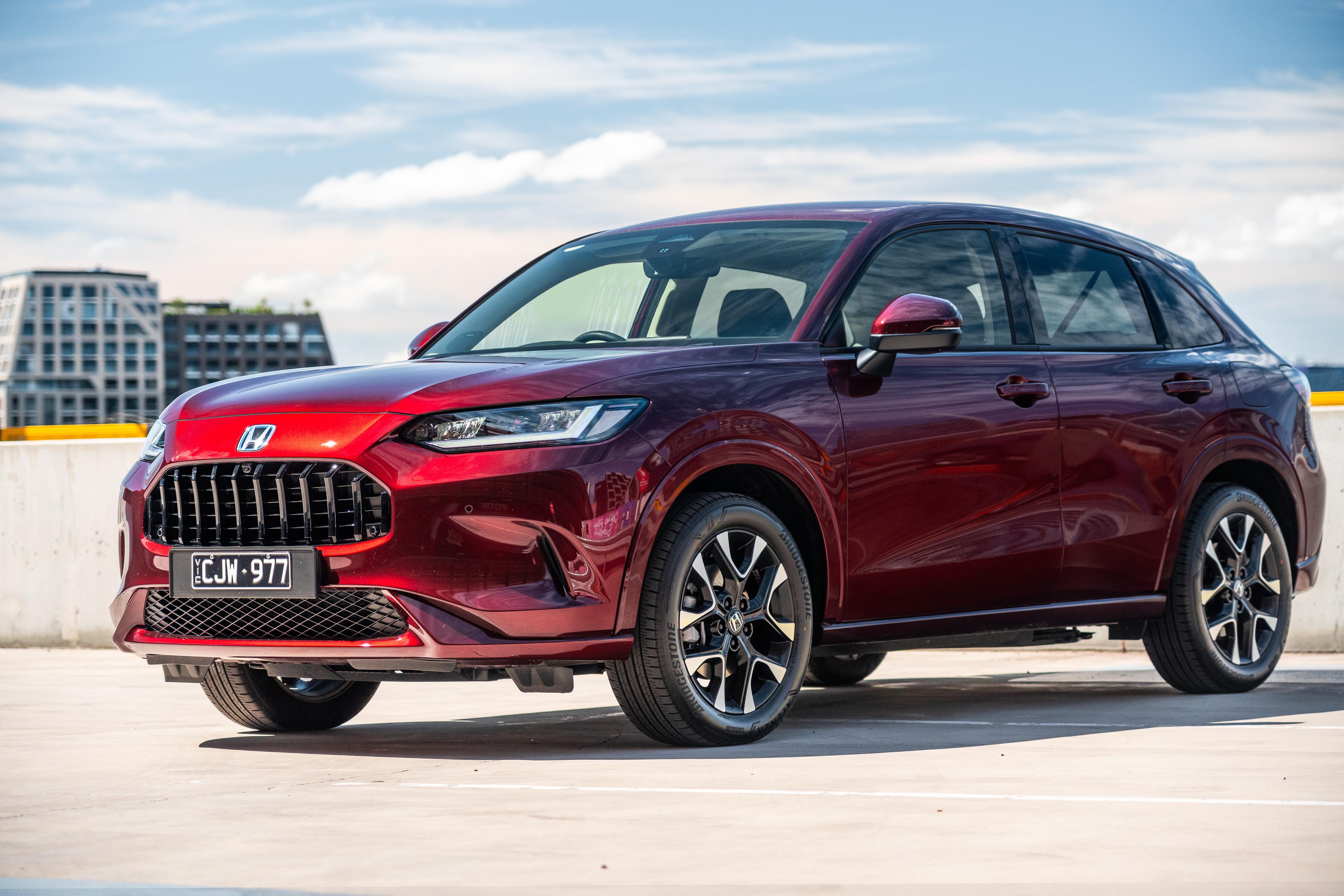
With this customer centric approach, it’s amazing how you’re able to turn a really unfortunate customer situation into an extremely positive one, just by the way we’re listening to them and dealing with them. It’s been a really good success and another way we build trust with our customers.
What is the most reliable product in the Honda range? Obviously, things like lawnmowers and generators have to run for hours at a time…
It’s hard to say which one, to be honest! The number of stories you hear about the extreme reliability of Honda, no matter what product, has been amazing.
Our four-stroke power equipment engines, for example, are a staple and just run all day, no matter what it’s put on. They’re amazing.
How do you adopt ‘The Honda Philosophy’ into the ownership experience?
Every Honda employee gets this book when they start working for the company and it’s the original manifesto written by Soichiro Honda and Takeo Fujisawa, the original founders of Honda.
It is amazing, and I keep it with me all the time. I have used it so many times, either in a really challenging situation or if I’m trying to think differently about something.
I’ll take out the book and read through it… and nearly every time I find a reference that provides me with some guidance to get me back along the right path.
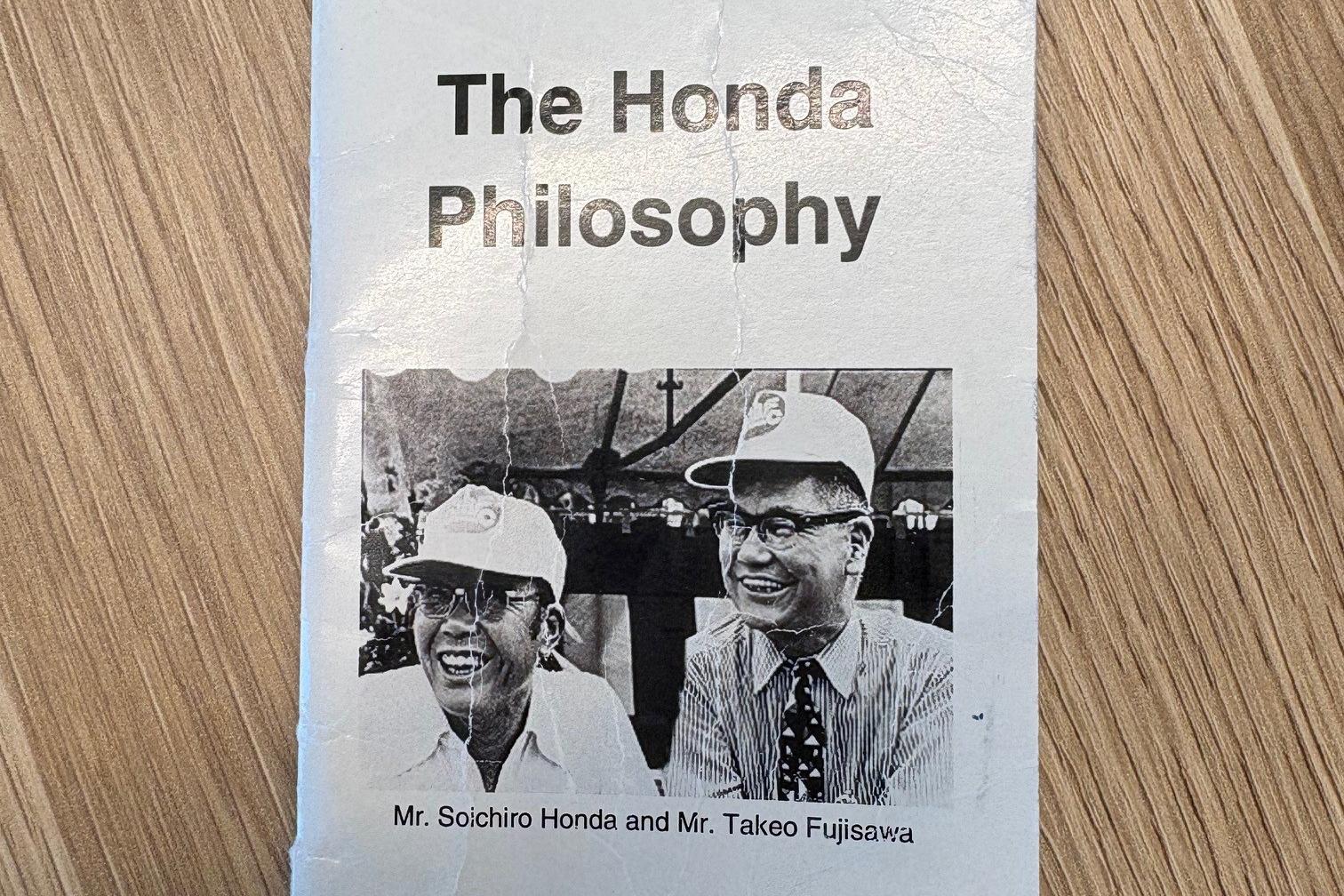
The beauty is in its simplicity, the way it’s ingrained through our culture and the way we work. And I’ve been to many different Honda countries and Honda offices, and it is in every one of them. It is a true global Honda Philosophy.
It centers around what people will most likely reflect on is the three joys: the joy of buying, the joy of selling, and the joy of creating. And you see the order is important… the joy of buying is first. This is done to ensure we are putting the customer at the centre of everything we do.
I’ll give you another one here: the 3S principle. Now, there’s three Ss in Japanese, but one is a C in English, which is Simplicity, Concentration and Speed. You can apply this to anything really, from special projects or trying to find solutions for challenges, short-term, long-term strategies… it is endless.
You’ve mentioned Honda’s low-price service policy is a market leader for mainstream manufacturers. How important is that, first as a selling tool to get people into Hondas, and then obviously afterwards to maintain that relationship?
I think it’s really important. We know buying a car can be a real emotional journey, forming a real connection with the car.
And while sometimes ownership costs are not something that can be in front of mind at the beginning, the reality is customers may spend hours buying a car but they spend years owning a car and that’s our opportunity to build trust with our customers.
Our customers value the simplicity and transparency of our value proposition, and it is reflected in our customer retention… we’re proud of how we can bring to market to such a great value proposition.
On the nuts-and-bolts side of things, literally how do you manage spare parts inventory to meet those customer expectations when it comes to vehicle maintenance and repair?
I think that our core advantage here is the experience that is built up over having a strong business for nearly 60 years in Australia. The tried and tested processes, systems and the experienced people we have – our parts business is a foundation for looking after our customers.
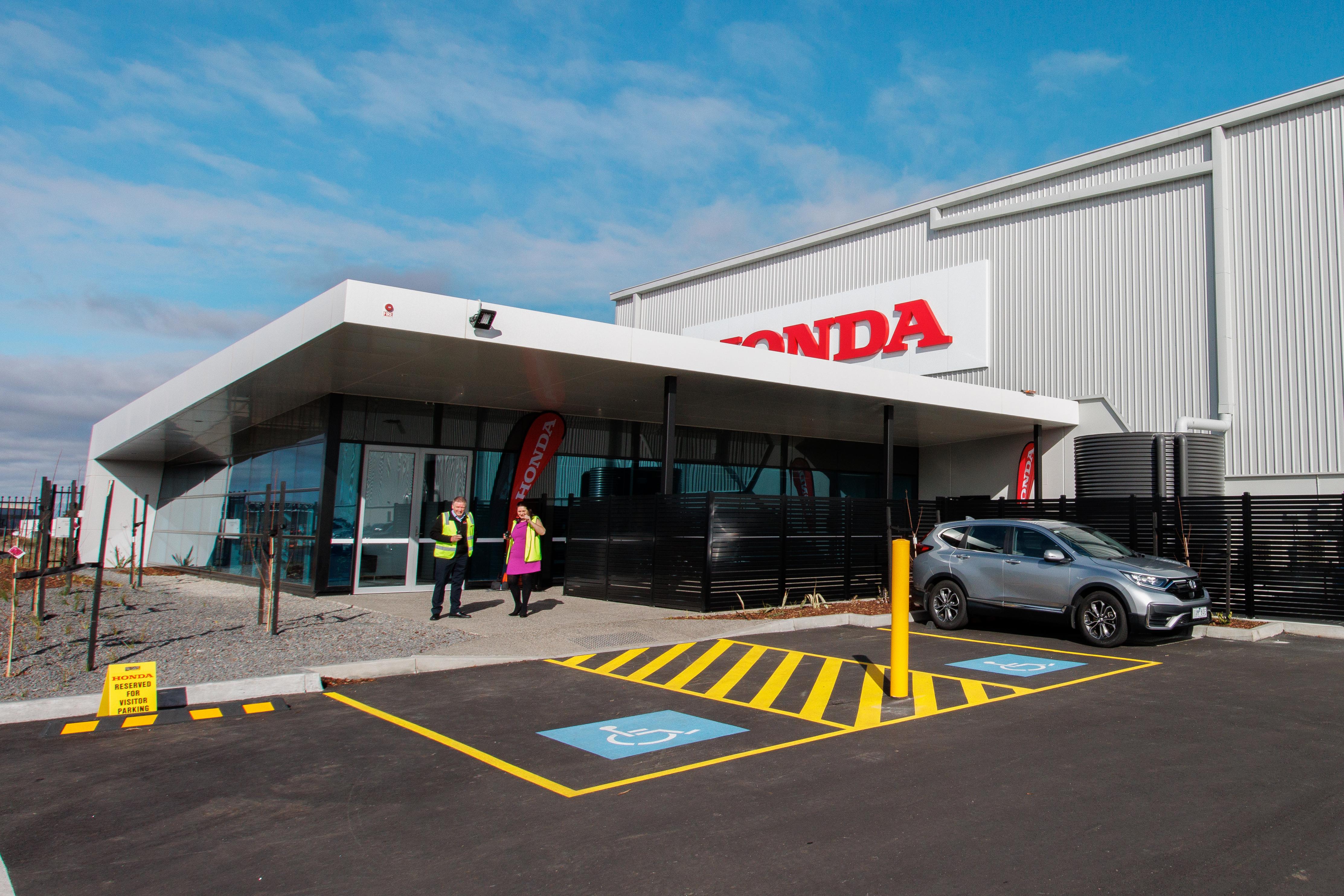
We opened up a new National Parts Distribution Centre in Melbourne three years ago, where we can stock all of our parts for every product, so we’re able to have a lot of synergies and improve the way we run the business as well, which has been fantastic. And ultimately, our dealers and customers get the result of that.
Lastly, Honda Australia has a couple of new models arriving this year including the Prelude and the Super-One as a dedicated electric vehicle. How does that change things in terms of sales, service training and specific customer care?
It’s a really good question and we’ve had a lot of discussion around it being the first EV. From a technical perspective, a lot of our vehicles already feature high-voltage batteries in our hybrids so it’s just the size of the battery that changes.
From that aspect, our dealerships are already set up to manage high-voltage batteries and have the skills and knowledge to work on them.
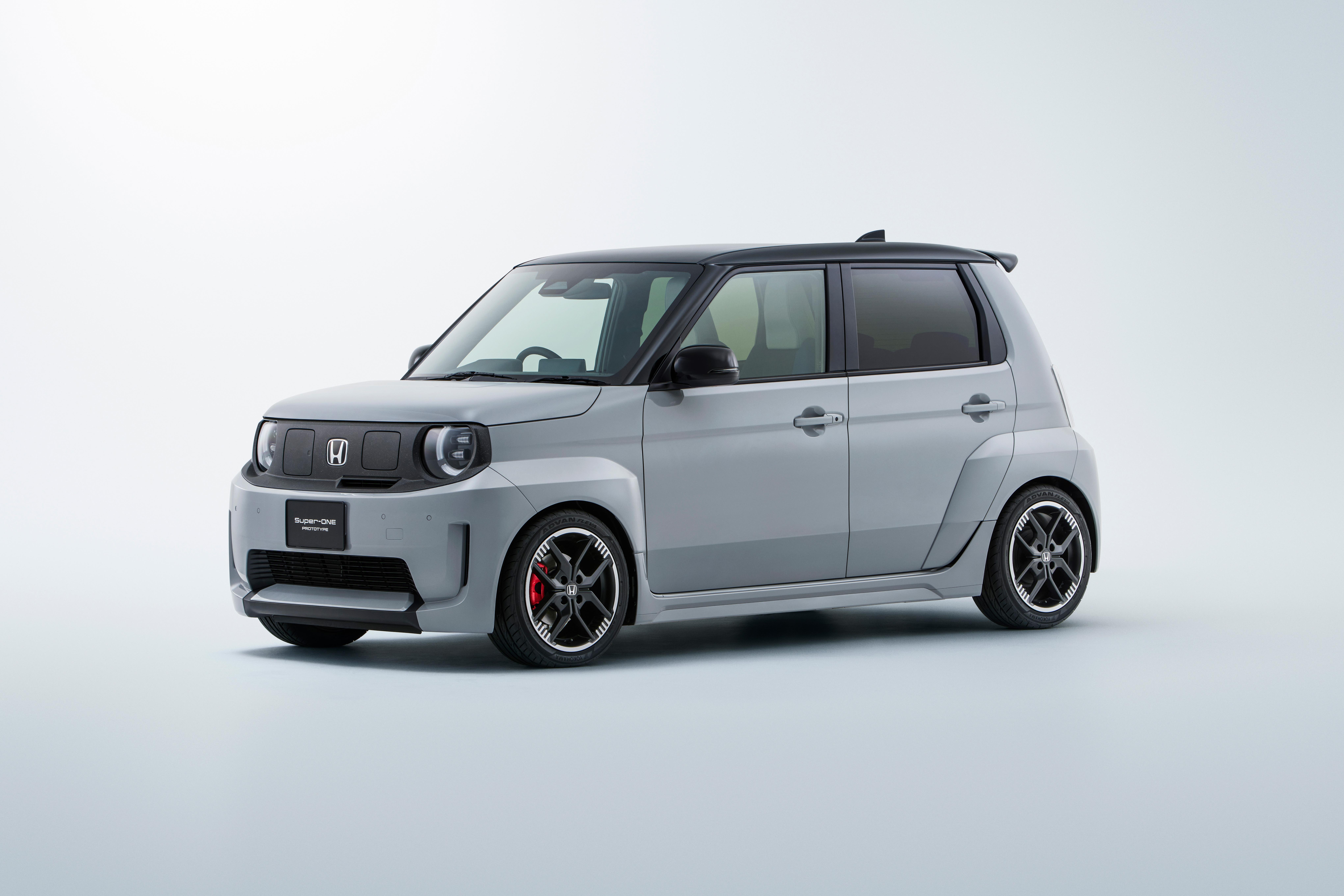
We’ve had a lot of great discussions around the actual experience we want for our EV customers, including the important ownership value proposition. We’re working through finalising that at the moment.
The Honda Super-One is very exciting and is going to be a very cool car. And then there’s the return of Prelude, which appeals to the more enthusiast end of market.
What are you looking forward to with the Prelude from a customer expectation point of view?
It’s such a legendary nameplate. I’ve heard so many stories that people have about Prelude when you talk to them. There’s so many people that I’ve met over the years who say things like “Oh, my brother used to have this Prelude. It was awesome… four-wheel steering… we loved that car”.
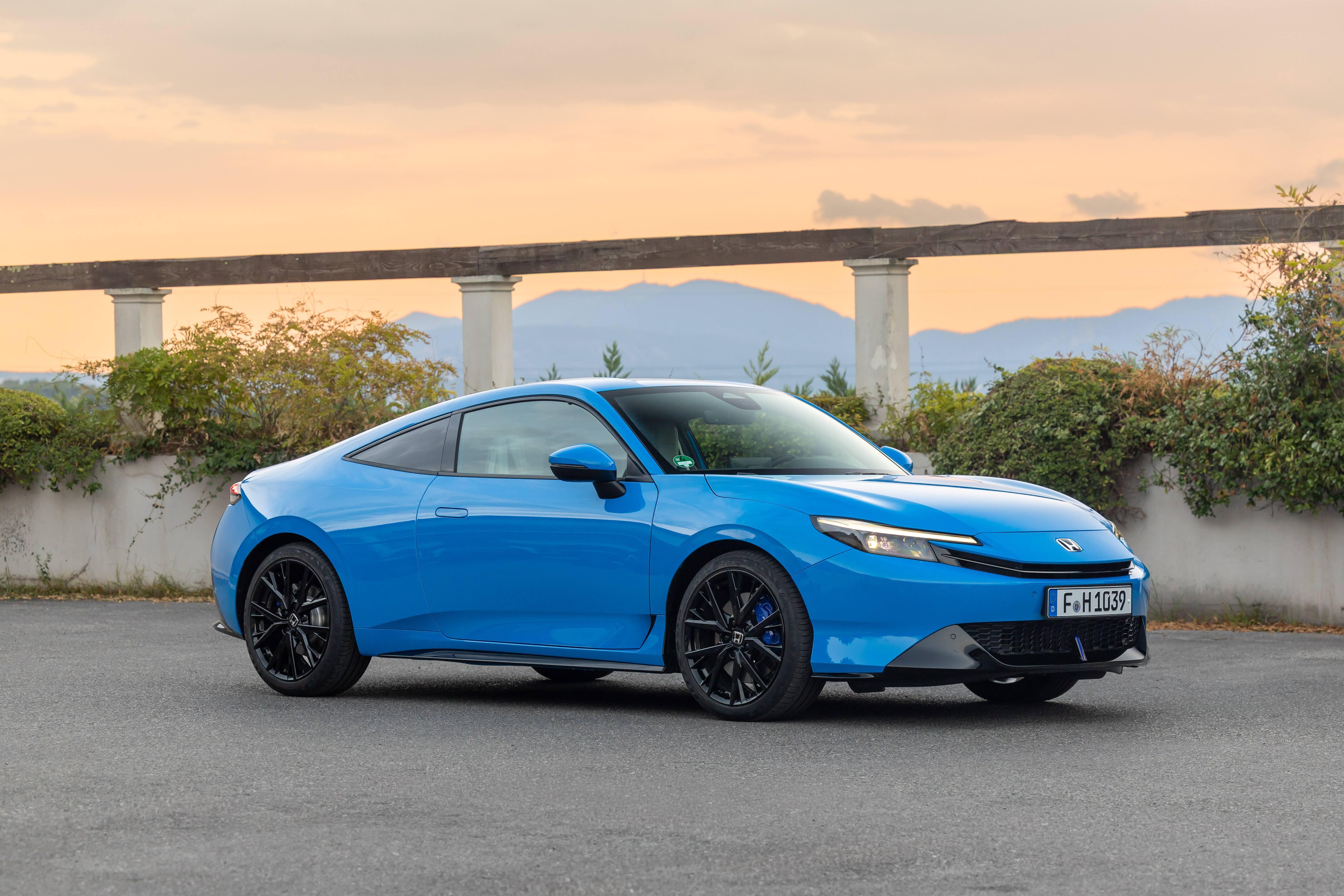
I feel very privileged to be able to work here at this time when the icon of Prelude is coming back.
While that’s creating a bit of a buzz, we can’t forget about the rest of our model range and some other exciting product launches over the next 12 months as well. More models and more customers experiencing the joy of owning a Honda… I am super-excited!
MORE: Explore the Honda showroom