















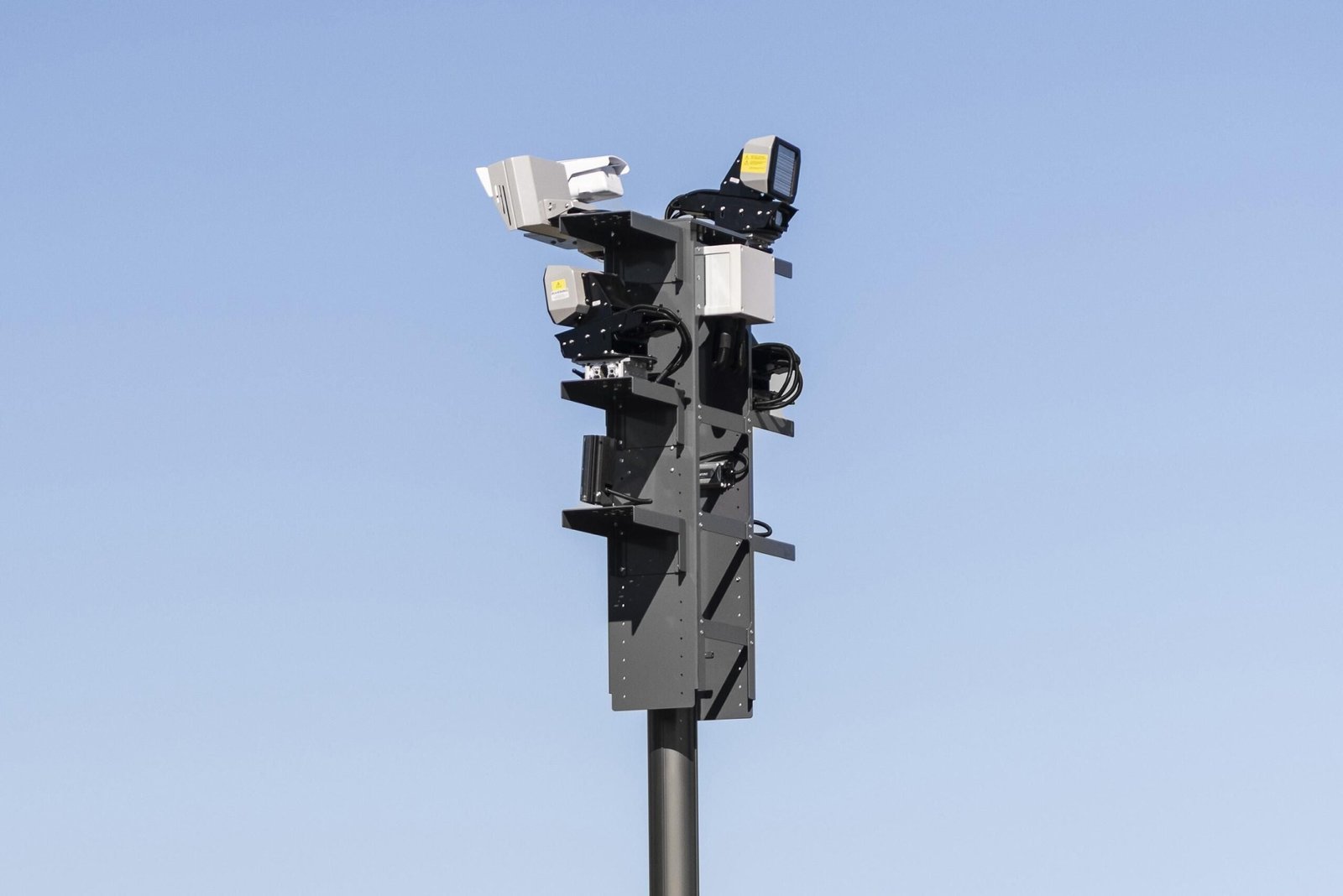
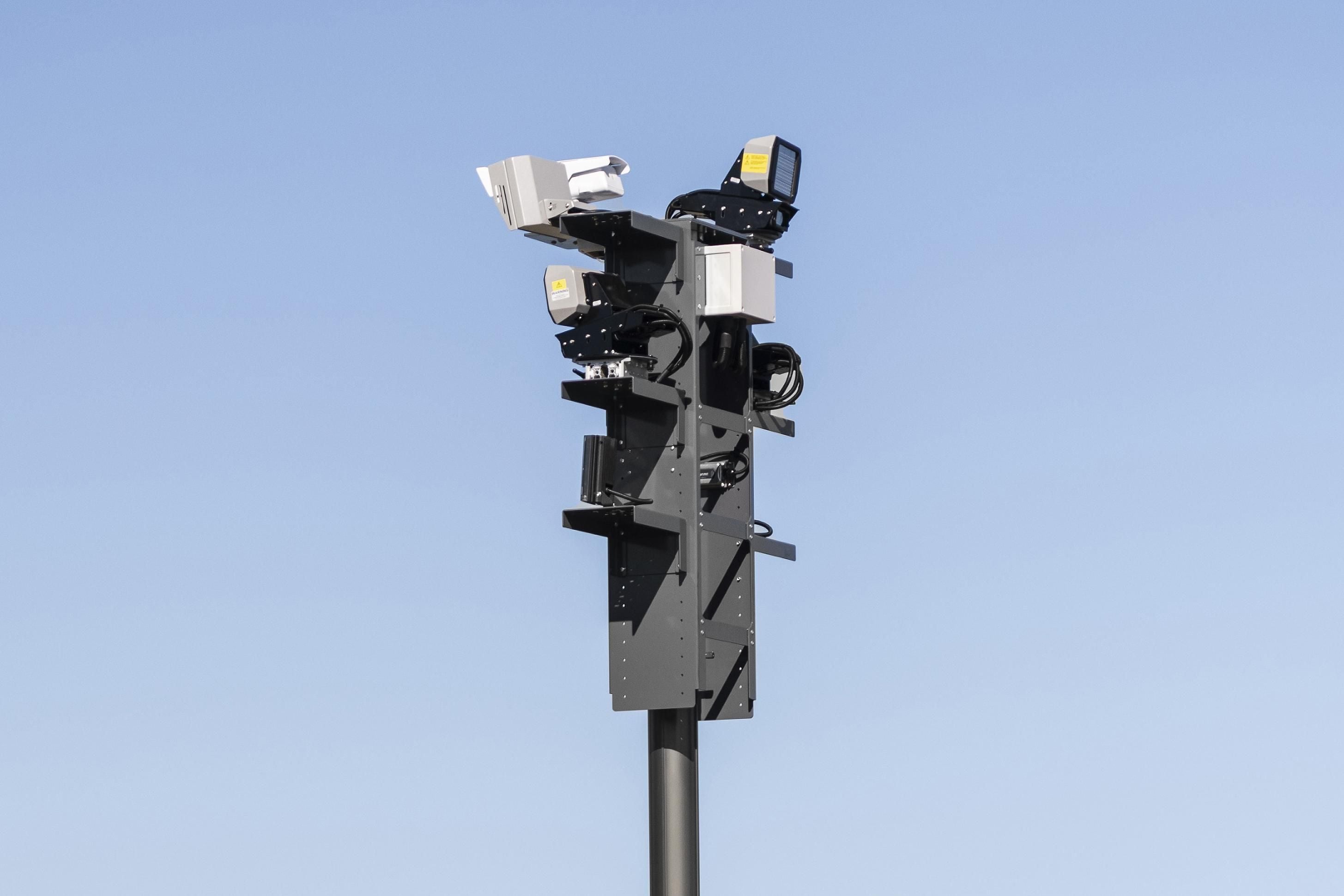
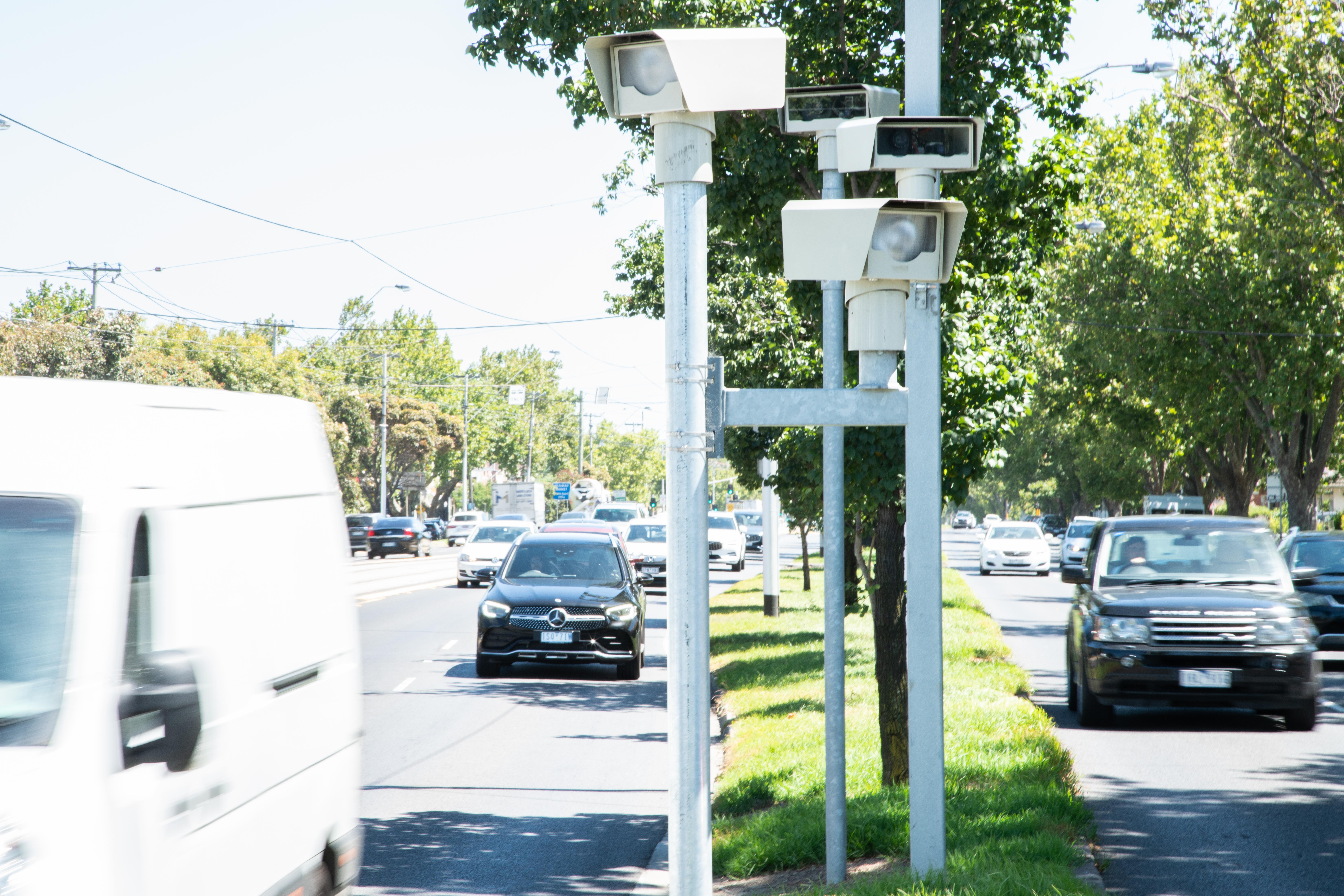
The Victorian Government has announced it will spend $28.3 million upgrading to ‘smart enforcement traffic cameras’, bringing ‘all-in-one’ tech to catch more drivers speeding, using mobile phones or not wearing a seatbelt.
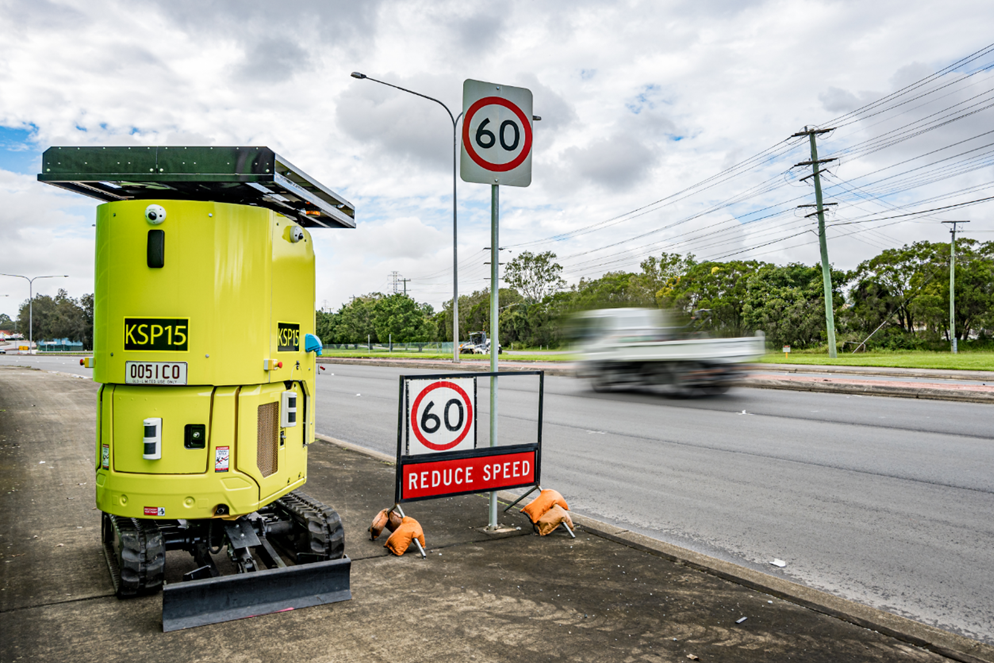
The five-pillar plan includes new portable trailers for use as mobile cameras which can detect speeding, including average speed detection, red-light, bus-lane and seatbelt offences, as well as number plate recognition.
While not mentioning artificial intelligence (AI) specifically, the announcement included a new ‘Automated Enforcement Plan’ for traffic fines, with the new tech enabling “longer deployments” and “more flexible enforcement” of infringements.
CarExpert can save you thousands on a new car. Click here to get a great deal.
“Speeding, distraction and failing to wear a seatbelt continue to put lives at risk on our roads,” said Ros Spence, Minister for Roads and Road Safety, in a statement.
“This investment delivers stronger enforcement technology to help target dangerous driving behaviour and improve safety.”
The mobile trailers, made by Verra, were part of a four-week non-enforcement trial late last year.
Unlike fixed enforcement cameras, trailer-based and relocatable systems can be deployed virtually anywhere – urban streets, rural highways, or high-risk zones – and moved at short notice.
“This flexibility creates an important psychological effect; drivers never know where a unit might be positioned,” said the senior vice president and managing director of Verra Mobility, Steven Crutchfield.
“Uncertainty changes behaviour. When drivers understand that speed limits could be enforced anywhere at any time, they are far more likely to slow down – not just at camera locations, but across their entire journey.”
The news comes only weeks after the Western Australian Government waived more than $1 million in fines generated by AI-assisted cameras six months after they were introduced.
CarExpert has asked the Premier’s office to clarify if the cameras coming to Victoria will rely more heavily on AI, with some current cameras already in use utilising the tech.
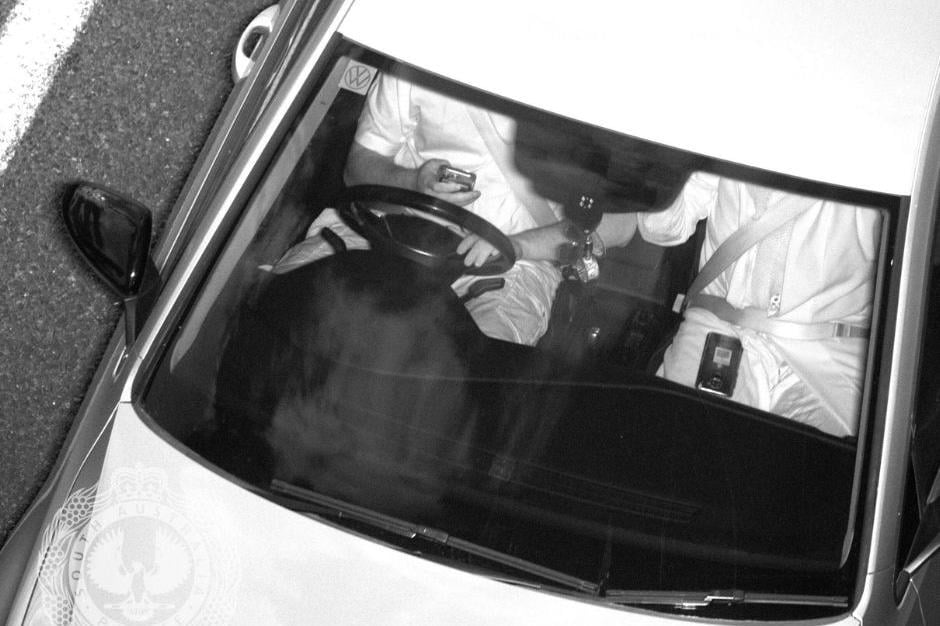
In 2023-24, the most recent figures released by the government, a total of 38,887 infringements were issued to drivers in Victoria touching a portable device – ie a mobile phone – while behind the wheel.
A total of 111,334 fines were issued for motorists using a phone, not wearing a seatbelt or driving an unregistered vehicle over the same period.
The newly announced upgrades will be made to cameras on the Western Ring Road, which includes one of the state’s top 10 highest infringement-issuing cameras, with 11,350 fines issued in the latest 12 months according to government figures.
The Transport Accident Commission (TAC) will be responsible for the rollout of the upgrades, with TAC statistics revealing fatalities across the state are down 7.3 per cent in 2026 to 273 over the past 12 months.
This still remains above the five-year rolling average of 258 annual lives lost and includes an increase in cyclist and passenger deaths.
Rural areas of Victoria have seen more deaths year-on-year (153), while metropolitan and city areas have posted fewer fatalities (120).
Victoria posted 290 deaths in 2025, up from 285 the previous year, with increases for the full year also recorded in New South Wales, Tasmania and Queensland.
Queensland’s increase came off the back of a near tripling of revenue from infringements in 2023-24, despite 30 per cent fewer fines being issued.
Australia’s road toll in 2025 increased 1.7 per cent to 1314 deaths – the fifth consecutive year of increases – compared to 1292 in 2024.
This also makes it more difficult to achieve the federal government’s plan to reduce road deaths by 50 per cent and severe injuries by 30 per cent from 2018-2020 figures by the end of this decade.
The sombre result prompted the Australian Automobile Association (AAA) to slam the federal government for what it said was a failure to properly evaluate the cause of deaths.
“The AAA is calling on the Commonwealth to extend its powers to conduct no-blame investigations of transport fatalities beyond aviation, rail, and maritime incidents, to also examine the factors driving up our road toll,” AAA managing director Michael Bradley said in a January 2026 statement.
MORE: ‘Secret’ safety ratings released, revealing some of Australia’s most dangerous roads