













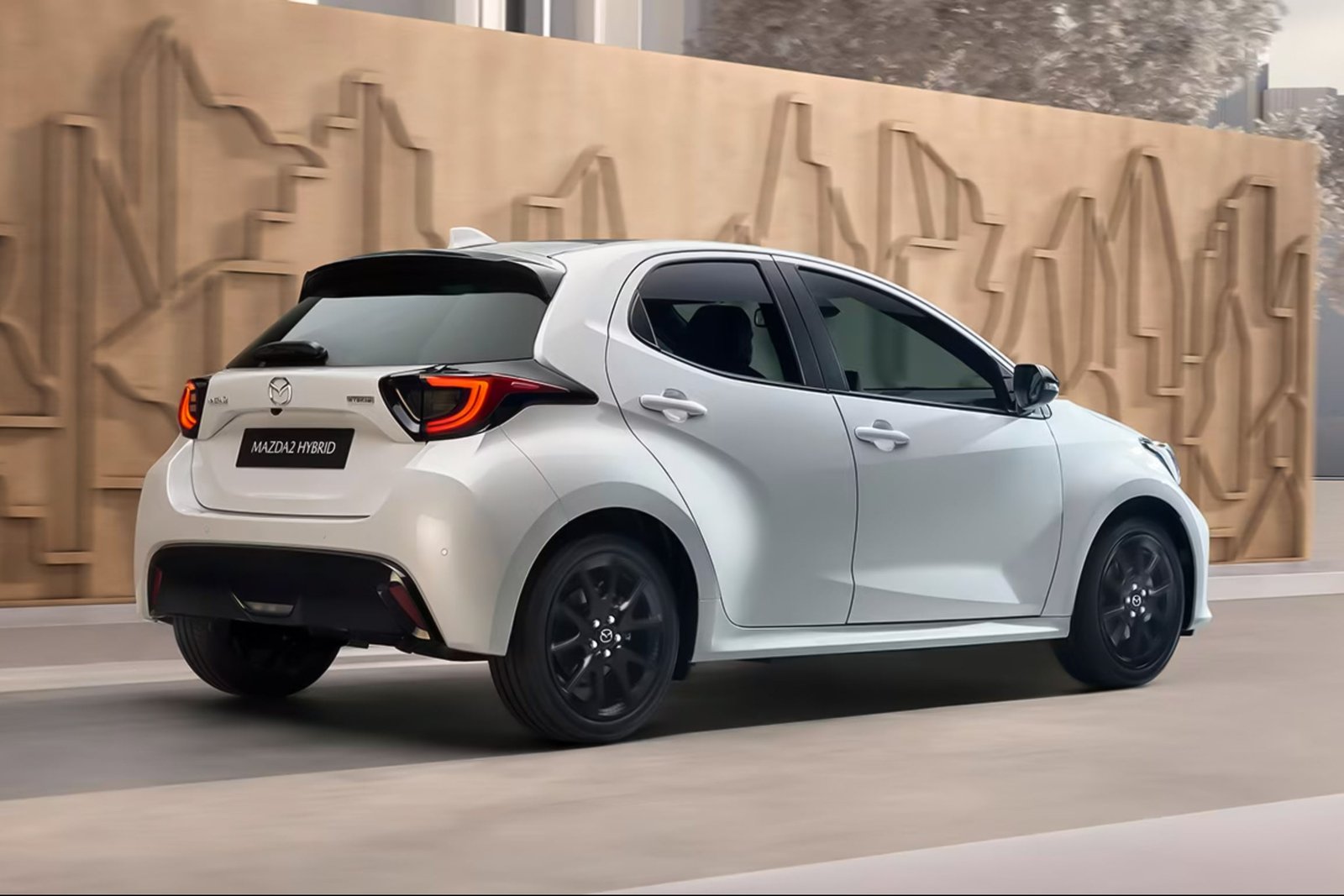
Mazda Australia might be a little short on hybrids and electric vehicles relative to the competition at the moment, but the Japanese brand’s local boss won’t look to rebadging Toyotas like it’s done in Europe and the UK.
Speaking with CarExpert recently, managing director Vinesh Bhindi said that while Mazda Australia is committed to affordable cars in entry-level segments, it won’t look to add a Mazda 2 Hybrid similar to the Toyota Yaris-based model available in Europe and the UK.
“No, we are not considering the Toyota hybrid, the partnership that’s in Europe. It’s sourced in Europe, it’s for the European market only,” Mr Bhindi said.
CarExpert can save you thousands on a new car. Click here to get a great deal.
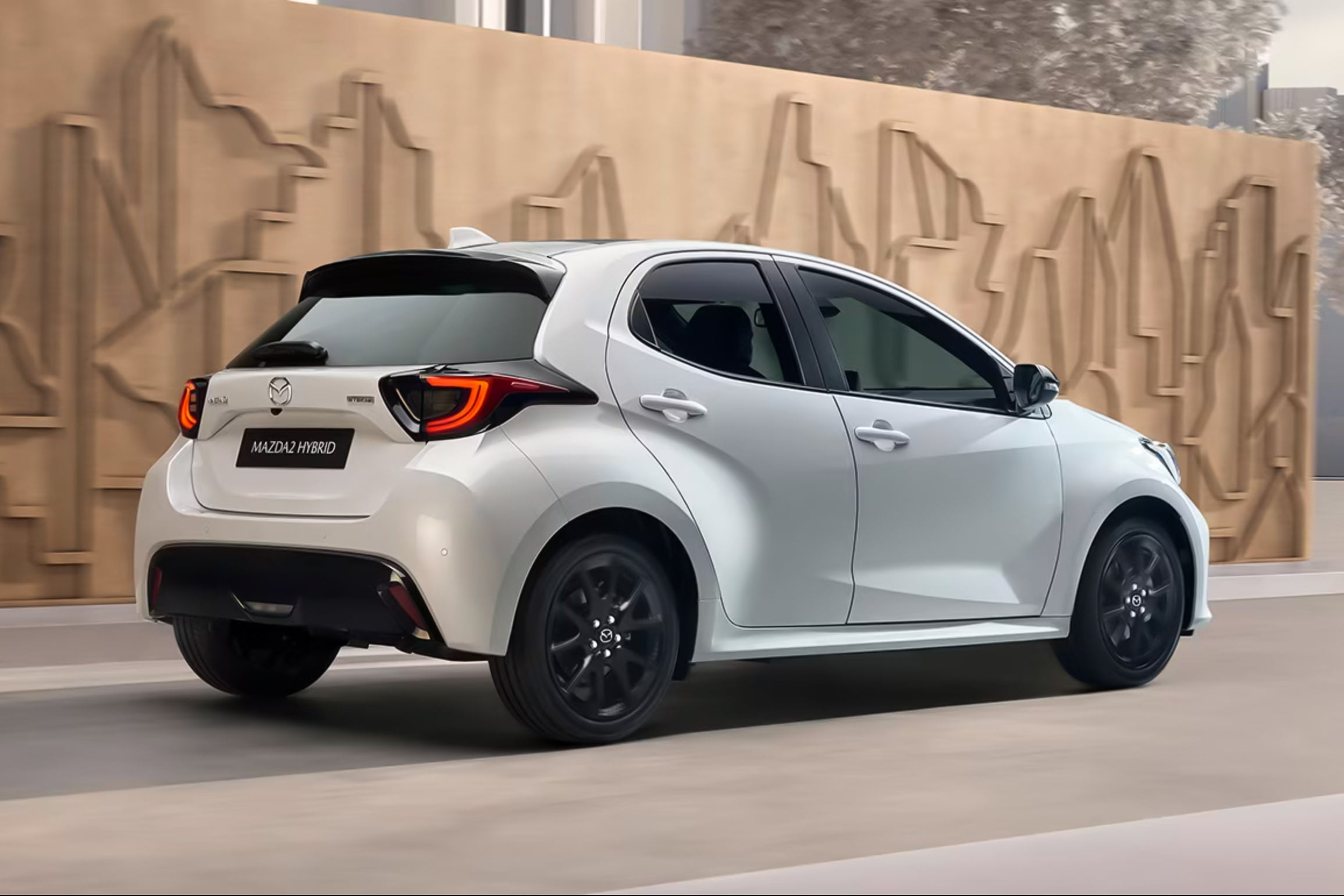
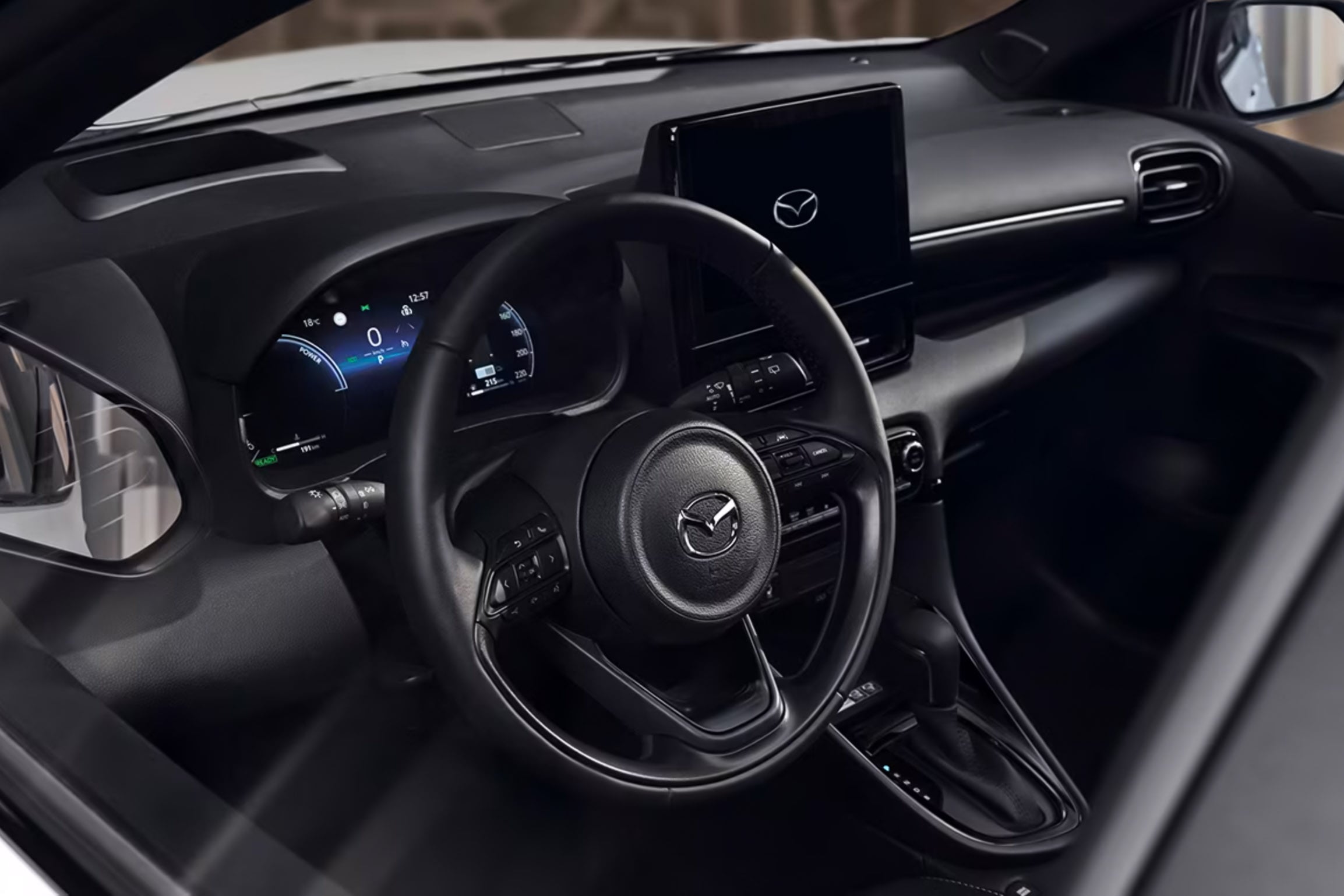
Mazda Europe sells a rebadged version of the Toyota Yaris Hybrid under the Mazda 2 moniker, which has had little differentiation to the exterior and interior designs save for the Mazda badge being applied where Toyota ones used to be.
As mentioned by Mr Bhindi, the Yaris for Europe is made by Toyota’s European operation in France, as is the Mazda 2 Hybrid. Australian versions of the Yaris are sourced from Japan, while local Mazda 2 models are assembled in Thailand.
The Mazda 2 Hybrid in Europe and the UK runs the same 85kW 1.5-litre three-cylinder hybrid powertrain as the Yaris, claiming fuel consumption as little as 3.7L/100km on the WLTP combined cycle. Drive is sent to the front wheels via Toyota’s e-CVT.
Mr Bhindi assured that the Mazda 2 and CX-3 in their (ageing) existing forms will be on sale in Australia for at least the next two years, despite reports that both are ceasing production.
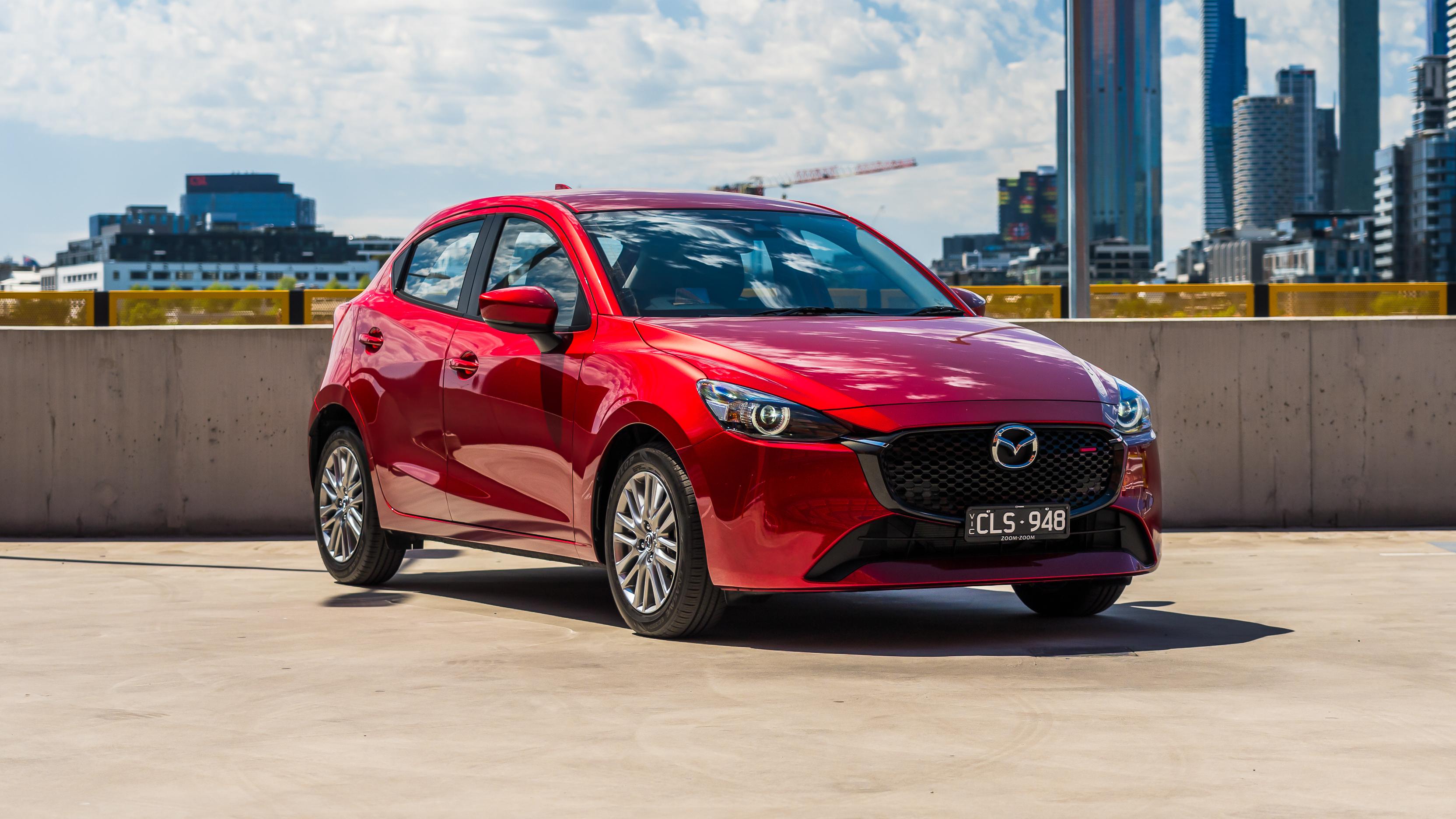
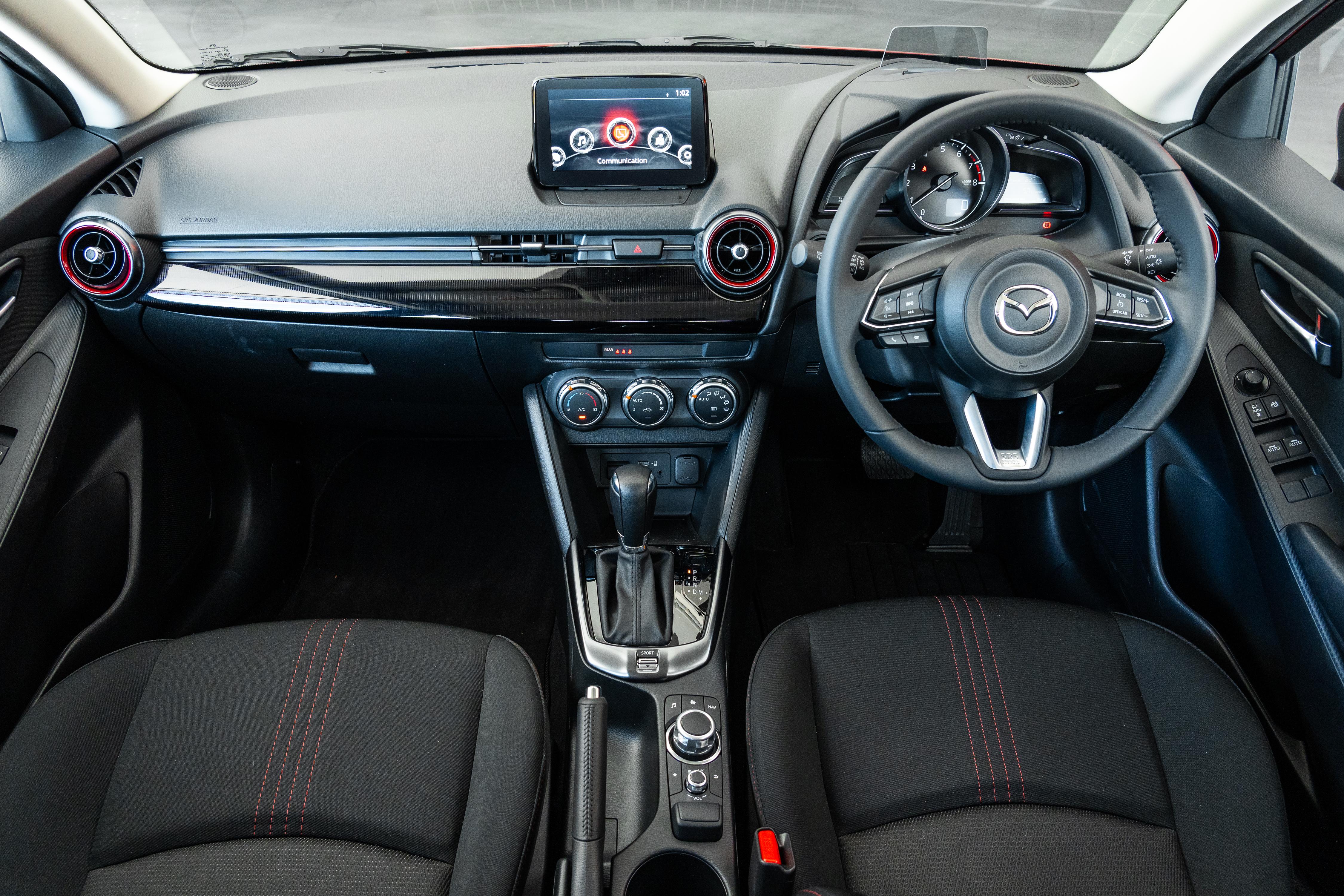
“There are some articles floating around that [Mazda 2 and CX-3] are coming to an end, and I can confirm Mazda 2 and CX-3 will be in our portfolio this year, they’ll be in our portfolio next year, and it’s an important segment for us,” Mr Bhindi said.
“At some stage there could be replacements, but right here right now those two cars, those two nameplates, are here to stay in our portfolio because they will comply with [Australian Design Rules], they will continue to be manufactured in our Thailand facility, and therefore we have access to [them].”
The Vision X-Compact concept shown at last year’s Tokyo motor show previews, according to general manager for global marketing and sales at Mazda Motor Corporation, Manabu Osuga, Mazda’s commitment to a new generation of compact vehicles, but not necessarily in the short-term.
“That [Vision X-Compact] is a vision model, meaning a design vision, and also a concept model to test the next generation of Mazda design,” Osuga-san said.
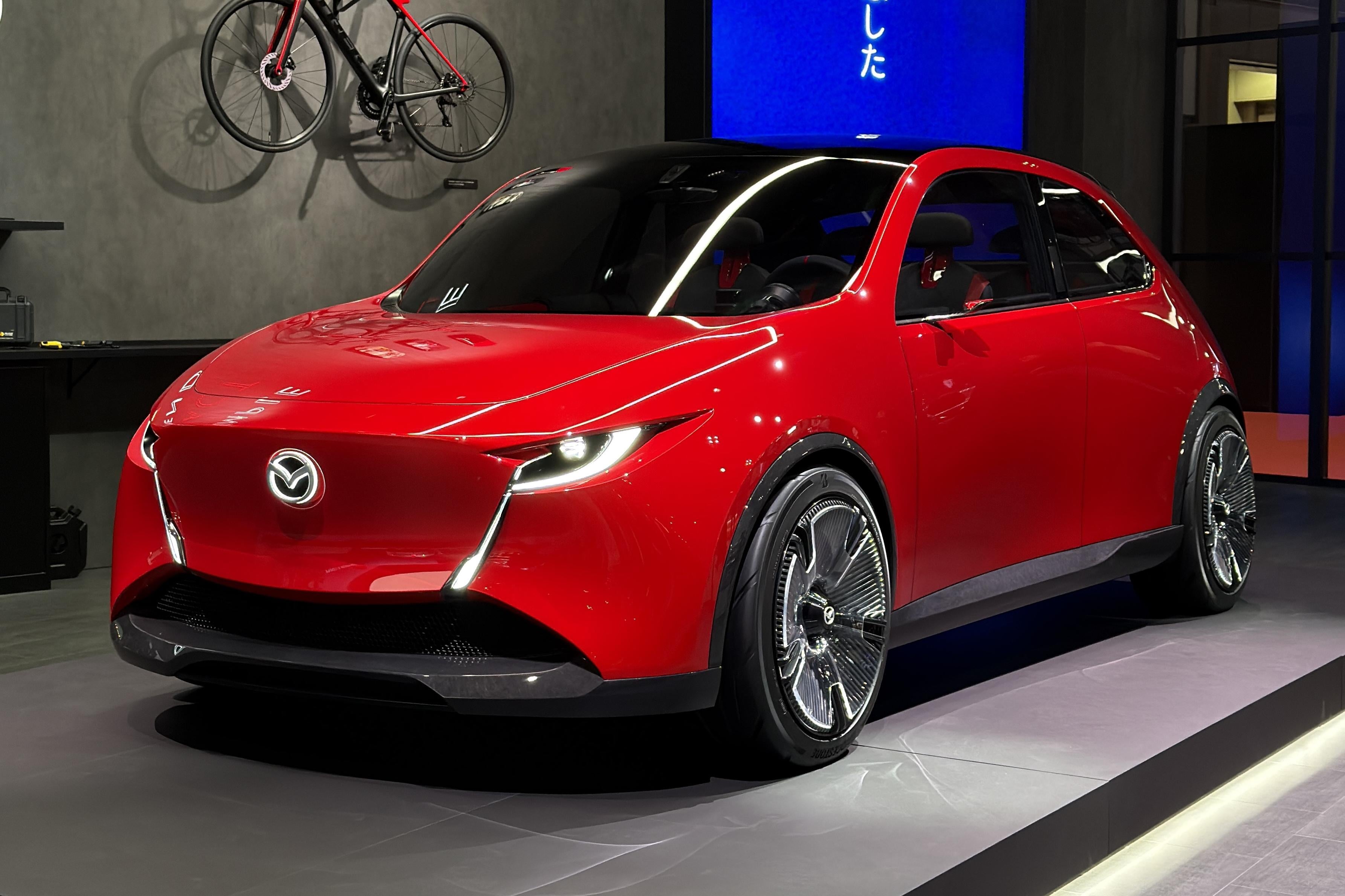
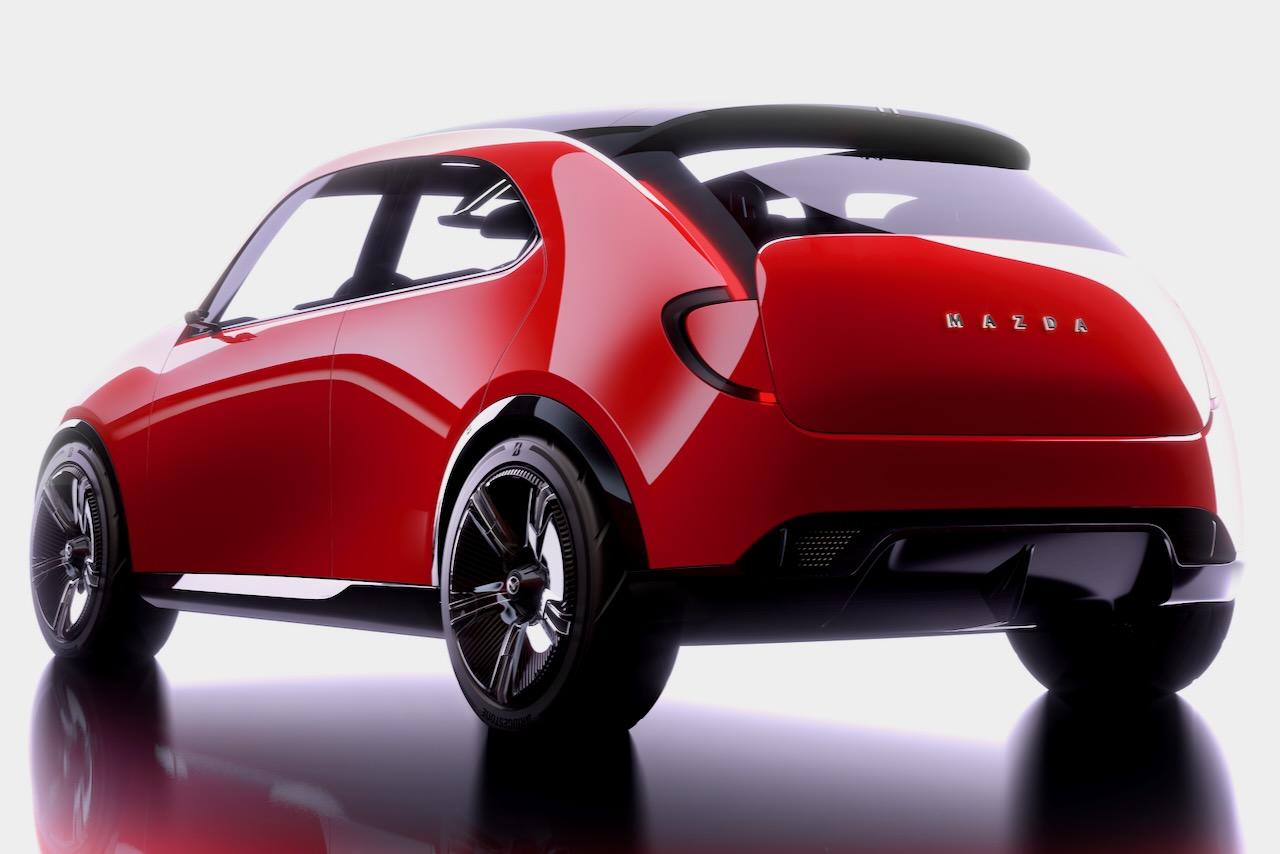
“The feedback that we received globally was very positive, so that was a win. [However], this is not really intending to apply that design theme to the, let’s say, next generation of the Mazda 2. [It’s] under discussion whether we want to prepare the Mazda 2 successor or not.
“So [I’m] not necessarily naming the successor of the Mazda 2 or CX-3, [but] our commitment is we will cover the customer base and consumers’ needs in the individual market,” Osuga-san added.
15,429 Australians took delivery of a new Mazda CX-3 in 2025, with a further 4346 Mazda 2s registered Down Under last year. Both figures were down on 2024 levels, but the CX-3 remains Mazda’s second-best seller in Australia behind the larger CX-5.
Once a sub-$20,000 car, the Mazda 2 now kicks off from $27,290 in its most attainable form, while the CX-3 range starts from $30,670 (both excluding on-road costs).
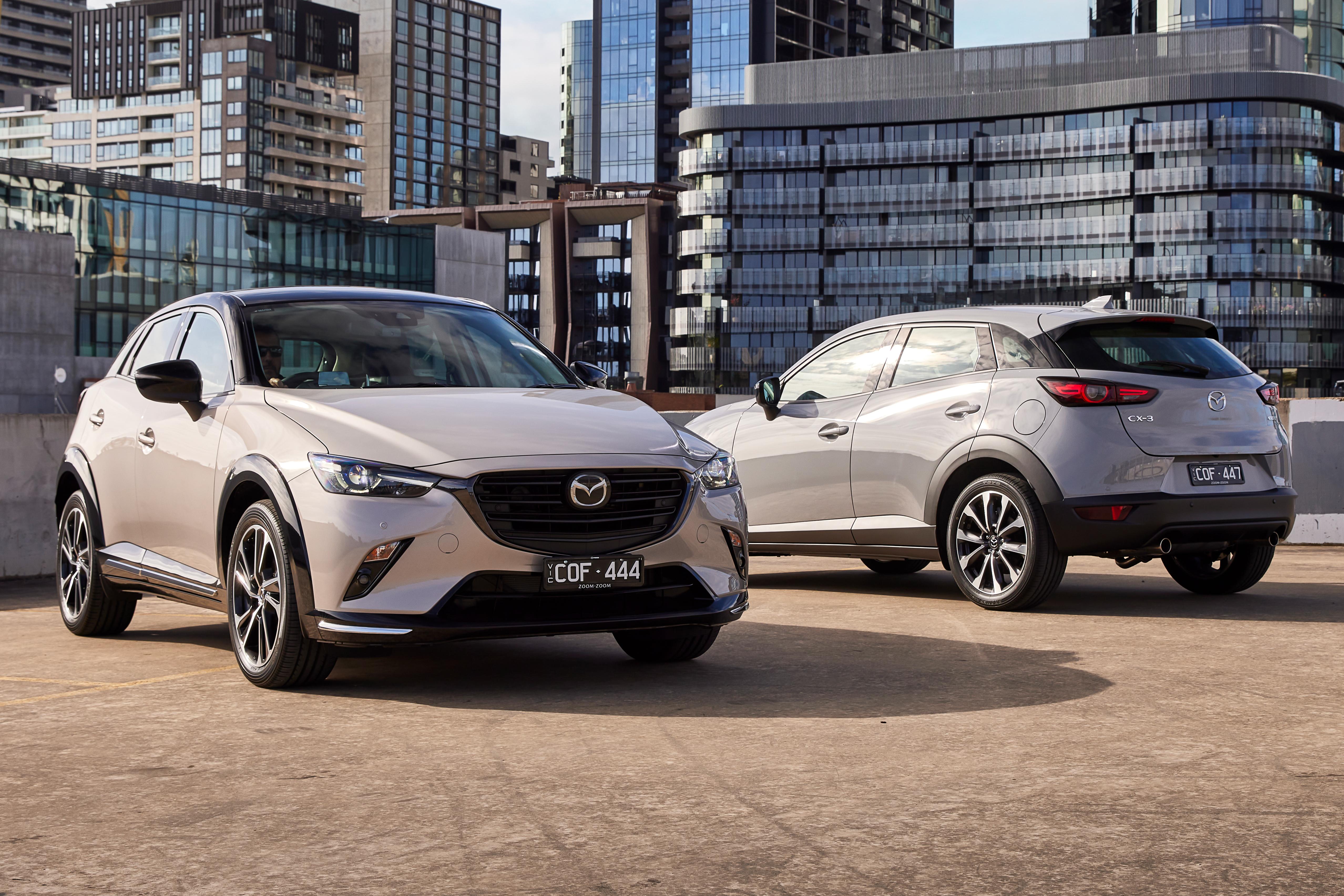
Both models have been on sale in their current generation since 2014, making Mazda’s entry-level models 12 years old. They have, however, received a number of running updates over their respective lifecycles.
Do you want to see the Yaris-based Mazda 2 Hybrid in Australia? Share your thoughts with us in the comments.
MORE: 2024 Mazda 2 Hybrid – Japanese brand’s other light hatch gets updateMORE: Explore the Mazda 2 showroom