















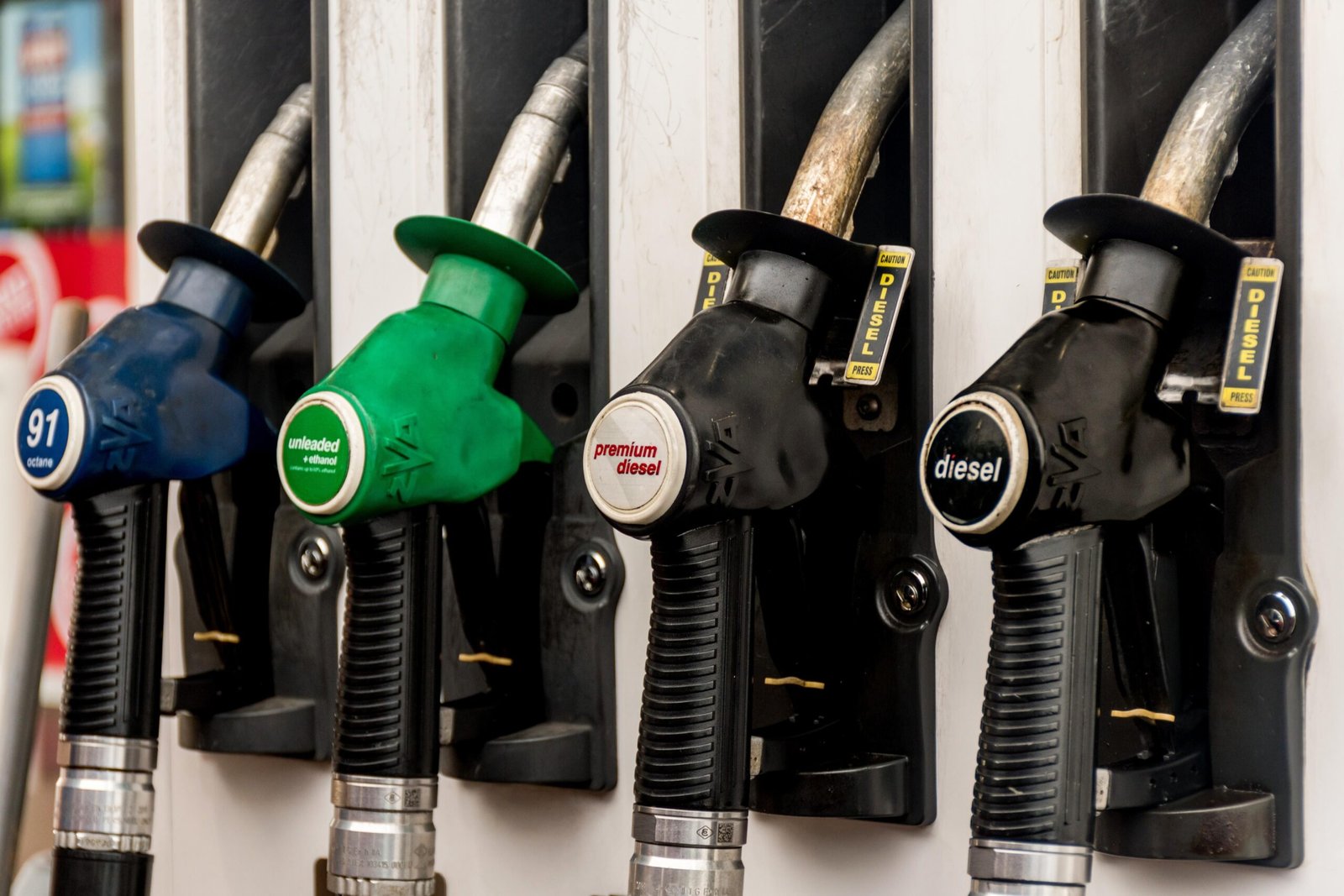
With all the talk of the Australian Government relaxing fuel quality standards, you’d be forgiven for thinking bowsers have switched to dramatically dirtier fuel. The reality, however, is a bit more complicated.
The latest emergency moves by the federal government involve a temporary relaxation of sulfur limits in petrol and a change to diesel fuel’s flash point, though not its sulfur content.
Sulfur figures measured in parts per million (ppm) are legal maximums, not a promise that every litre in every tank is sitting at a particular number.
For most of the past decade, Australia’s regulated sulfur ceilings have been 150ppm for regular unleaded and 50ppm for premium unleaded.
CarExpert can save you thousands on a new car. Click here to get a great deal.
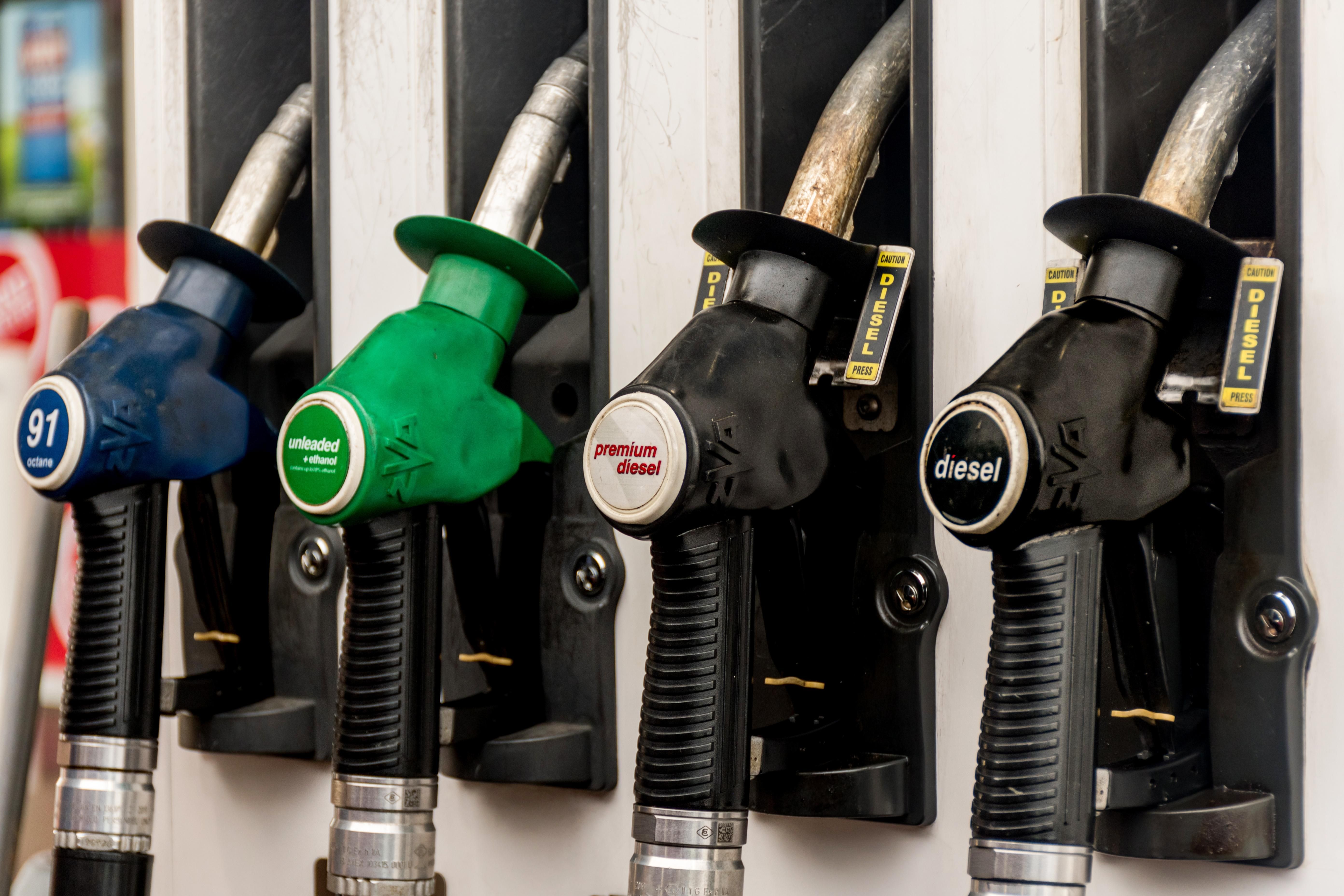
However, the Australian Government’s own 2018 fuel-quality Regulation Impact Statement (RIS) said actual average sulfur levels over 2014 to 2016 were much lower: about 60ppm for regular and 27ppm for premium.
In 2019, the government legislated a move to 10ppm sulfur across all petrol grades from July 1, 2027. This level of sulfur was already mandatory in markets like China, Europe and New Zealand.
In 2022, the date for the move was brought forward to December 15, 2024, before being delayed in 2024 to December 15, 2025.
At the time, the government said the delay was needed to avoid compromising fuel security.
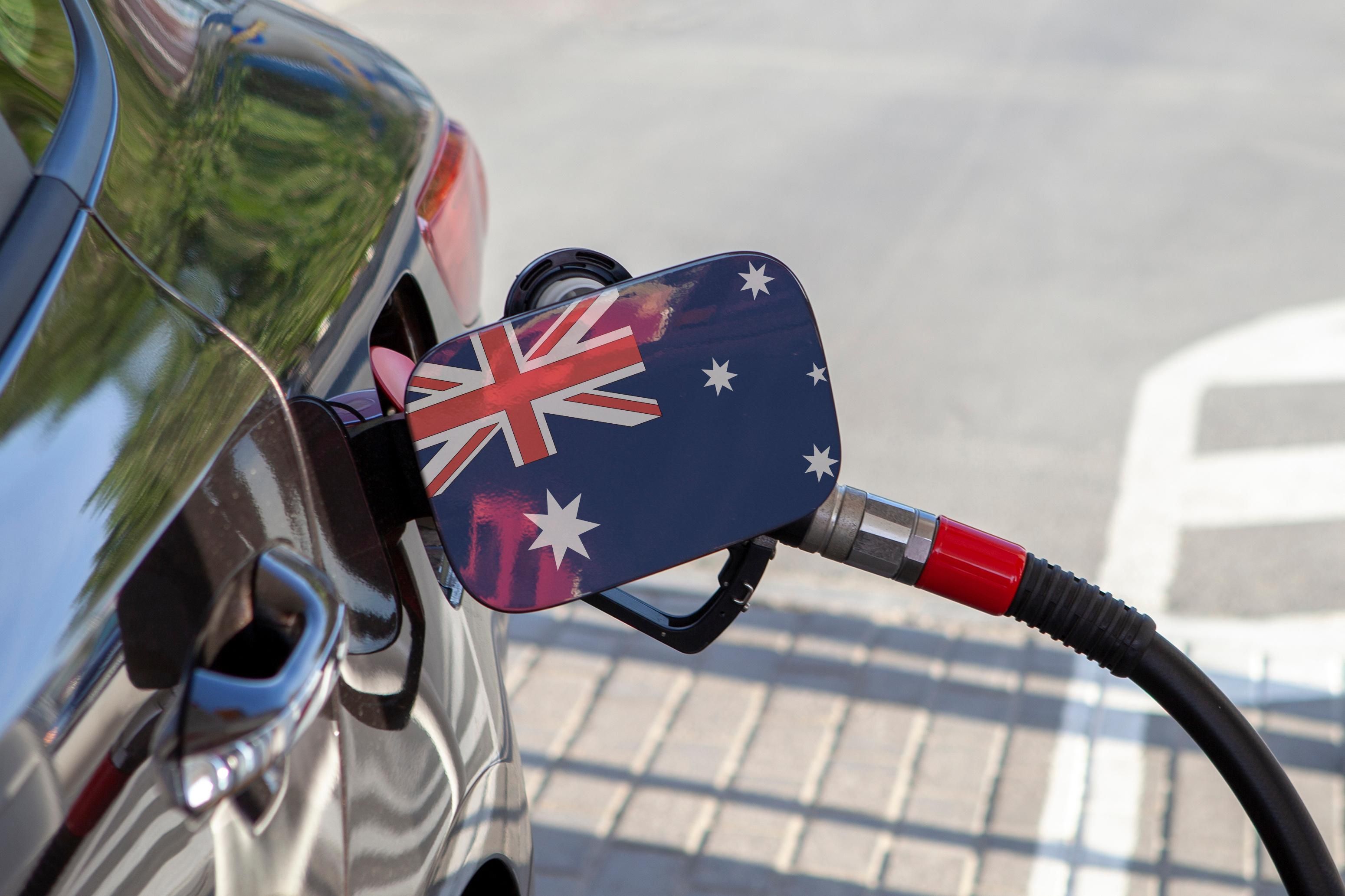
The same 2024 determination also tightened the limit for aromatics – chemical compounds added to boost octane – for 95-octane premium unleaded petrol from 45 to 35 per cent from December 15, 2025, while leaving 91-octane regular unleaded and 98-octane premium unleaded aromatics settings unchanged.
Put simply, the legal cap was 150ppm for most of the past decade for 91-octane fuel and 50ppm for 95-octane and 98-octane, before all were dropped to 10ppm on December 15, 2025.
Then, the government announced on March 12, 2026 that it was temporarily amending fuel standards to allow higher sulfur levels in order to increase supply, claiming the move would free up about 100 million litres a month of additional petrol.
The legislation that followed set sulfur at 50ppm for all petrol grades until May 31, 2026, then 40ppm from June 1 to August 31, 2026, before returning to 10ppm from September 1, 2026.
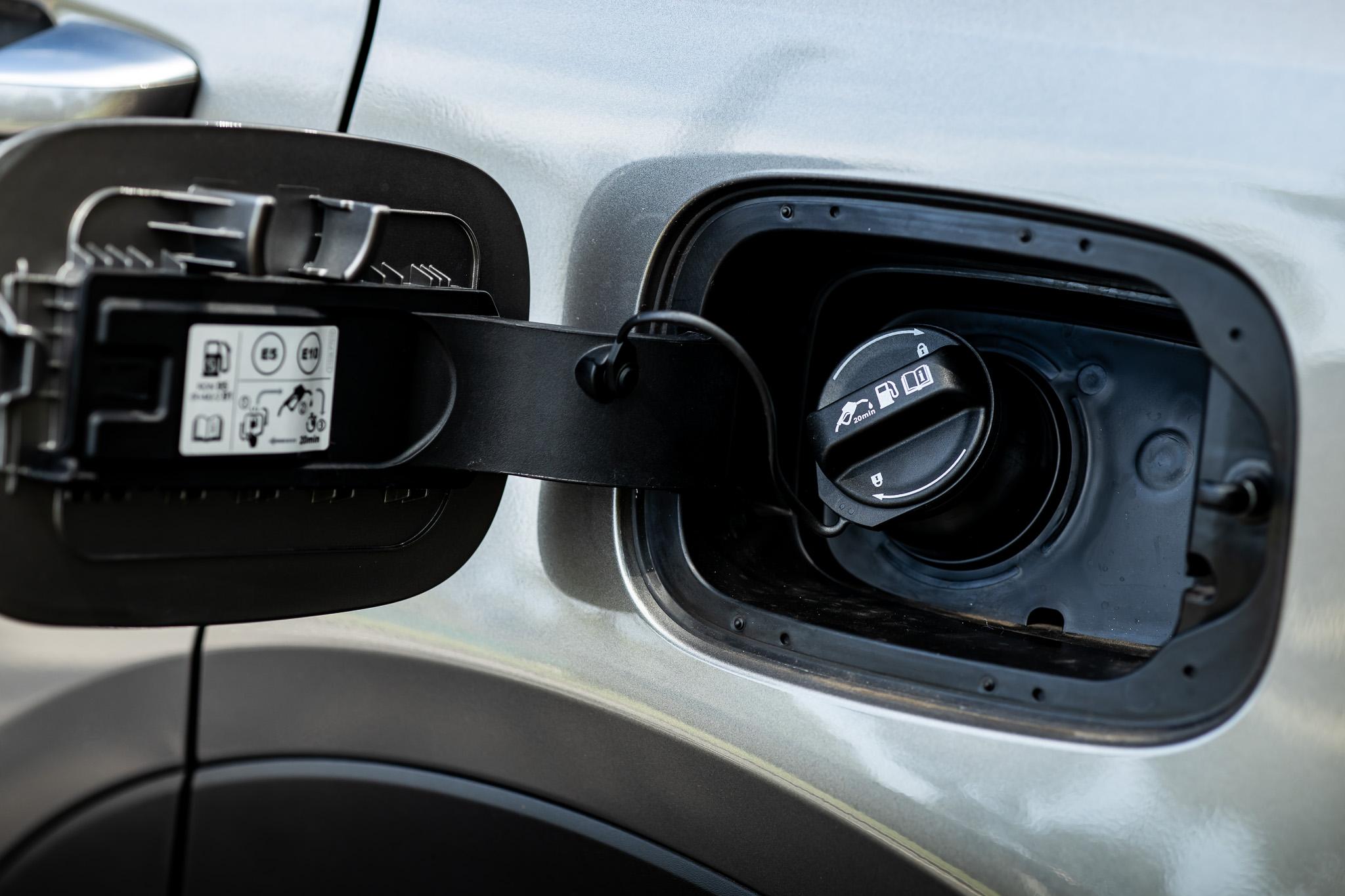
On April 1, this was revised again: 50ppm for all petrol grades until September 30, then 40ppm until December 31, and back to 10ppm on January 1, 2027.
In essence, then, fuel sulfur levels are the same or lower than they were less than six months ago – and the move is only temporary.
There is a potential risk to vehicles designed to meet Euro 6d emissions standards, which were phased in for new light vehicles introduced to Australia on or after December 1, 2025 and necessitate ultra-low-sulfur and low-aromatics petrol.
All light vehicles on sale in Australia will need to meet this new Australian Design Rule mandating Euro 6d by July 1, 2028, though for now many vehicles on sale in Australia are designed to meet less stringent Euro 5 standards.
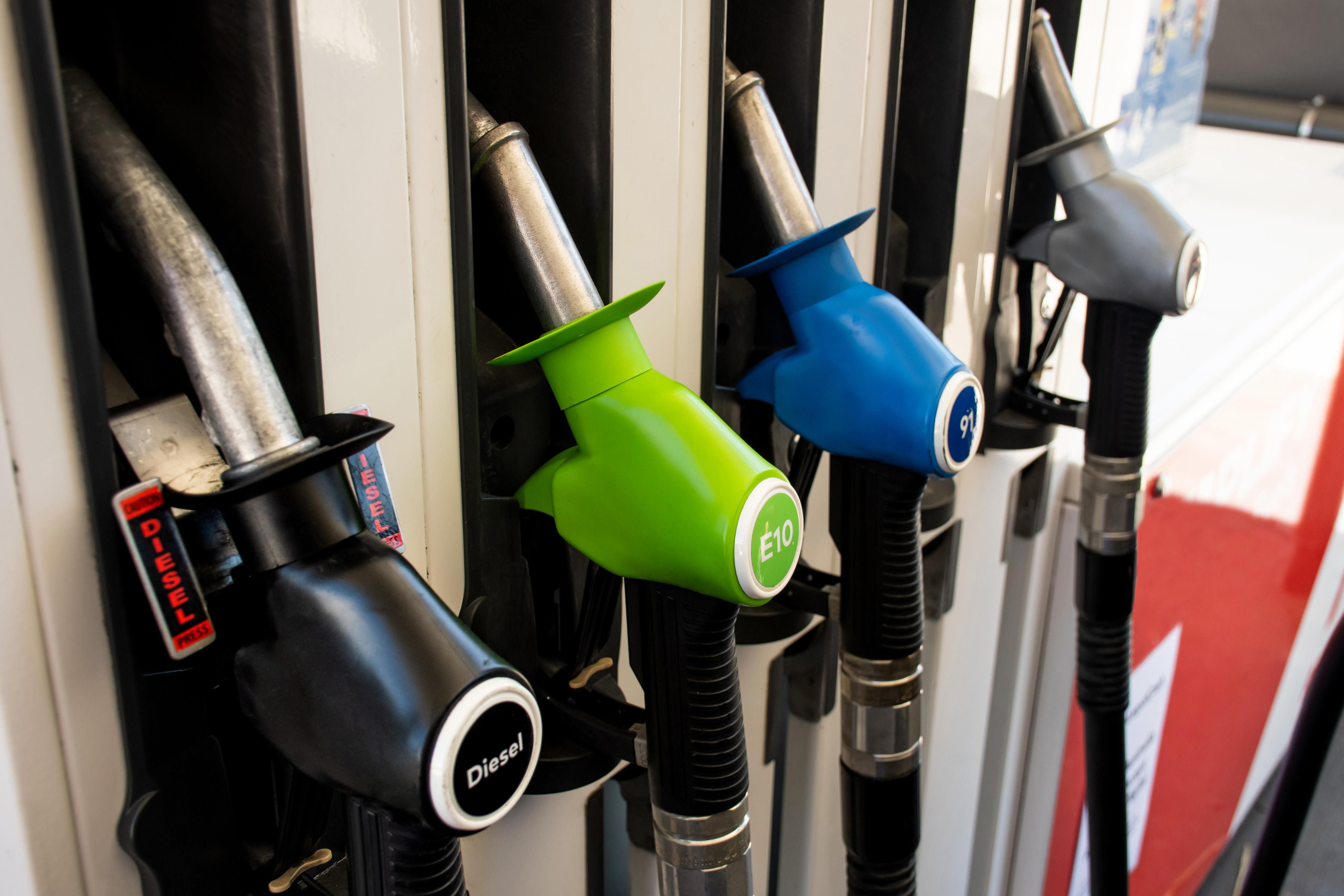
“Let’s be clear, ‘dirty fuel’ doesn’t mean contaminated or unsafe petrol,” said Victorian Automotive Chamber of Commerce (VACC) CEO Peter Jones.
“It simply refers to fuel with a higher sulphur content than Australia’s newest ultra-low sulphur standard. This is the same fuel Australians were using as recently as December 2025, and it still meets government-approved standards.
“Modern vehicles are designed to run on low-sulphur fuel. Over time, higher sulphur levels can impact emissions systems, fuel efficiency, and components like catalytic converters and oxygen sensors.
“For the average driver, you’re unlikely to notice an immediate issue, but prolonged use isn’t ideal for vehicle performance or longevity.”

Diesel, meanwhile, is a separate issue.
The government’s 2018 RIS said Australian diesel already met international standards in this area, with a regulated 10ppm sulfur limit.
The diesel change in 2026 isn’t to do with sulfur, but rather a temporary flash-point relaxation.
Under the Conventional Diesel Amendment Determination (No. 1) 2026, diesel’s minimum flash point has been lowered from 61.5°C to 60.5°C until September 30, 2026, before reverting to 61.5°C from October 1, 2026.

The government says this move is intended to improve supply flexibility, including by making it easier to source imports and allowing refiners to blend a greater share of jet-fuel fractions into diesel.
The bottom line is there’s some nuance to the “dirty fuel” story that’s getting lost. The headline sulfur numbers are legal ceilings, not always real-world averages, and we’re simply seeing a temporary wind-back – not a wholesale change to fuel standards.
As we’ve seen, however, global events are having a ripple effect Down Under. We’ll have to wait and see what additional impacts may be felt in Australia – and how our government will respond.
MORE: Dirtier fuel now allowed in Australia as prices surge at the pump