














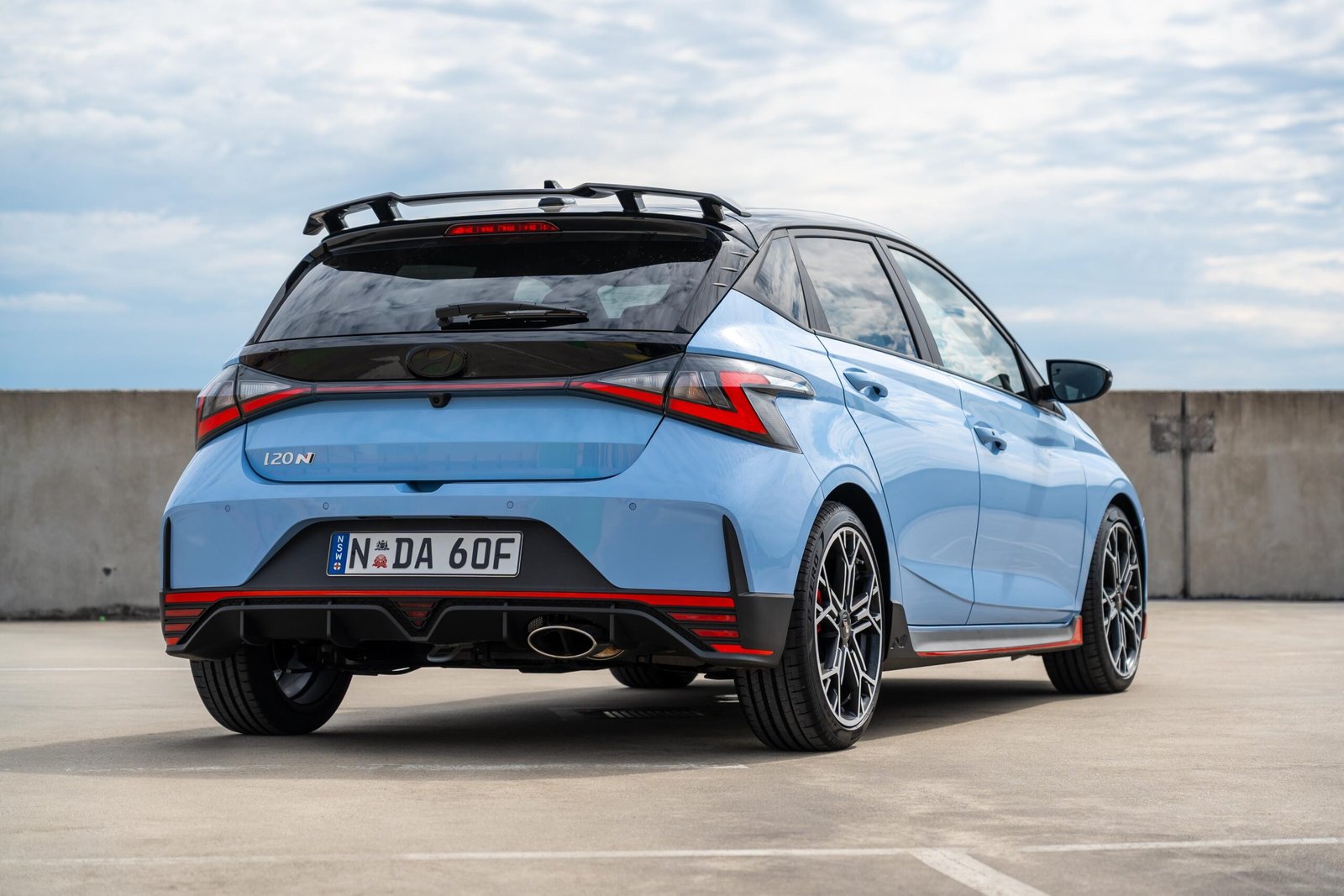
This is somewhat bittersweet, as it will likely be the last time we drive the Hyundai i20 N.
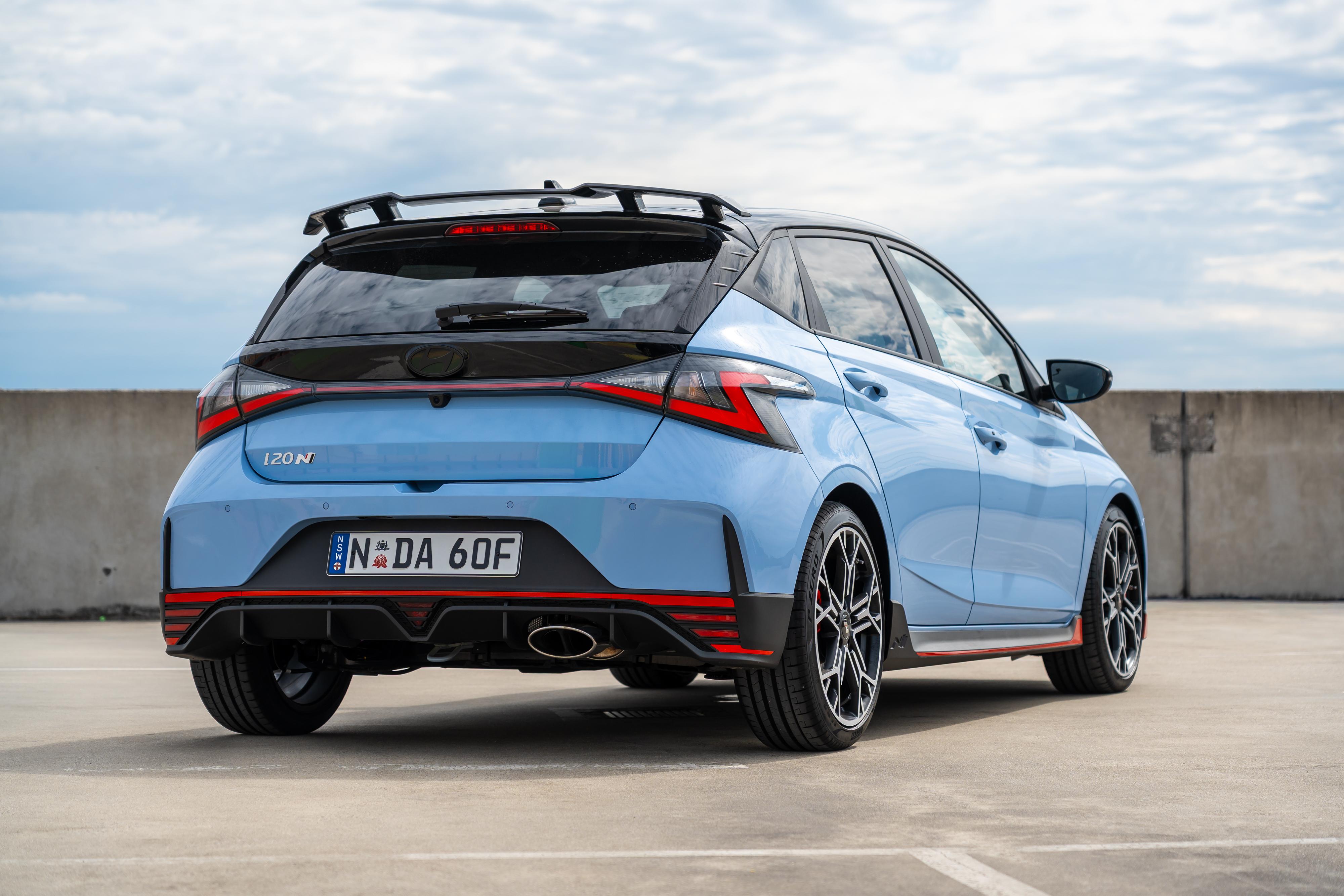
As first reported by CarExpert in October 2025, Hyundai ended production of the i20 N in recent months, though its Australian arm expects to have enough supply of the pint-size hot hatch to last the rest of this year – with a replacement said to be arriving in 2027.
So, if you get to the end of this review and decide you want one, you best pick up the phone and secure yours before they completely disappear.
While little is known about the new-generation model, reports claim the Korean automaker will be adding hybrid technology to the mix, making the current i20 N one of the very last purely petrol-powered hot hatches available with a manual transmission.
But the fact that it’s available with a manual isn’t the coolest thing – it’s that it’s only available with a manual. And it’s the only car currently on sale in Australia (the Honda Civic Type R is unavailable to order at the moment) that doesn’t even have the option of an automatic.
The i20 remains a bit of an oddball, given there’s no grandma-spec base grade available – just the top-shelf N version, tuned by Hyundai’s performance skunkworks.
So, as we bid farewell to Hyundai’s littlest hot hatch, is it still relevant among the latest crop of fun new cars?
How much does the Hyundai i20 N cost?
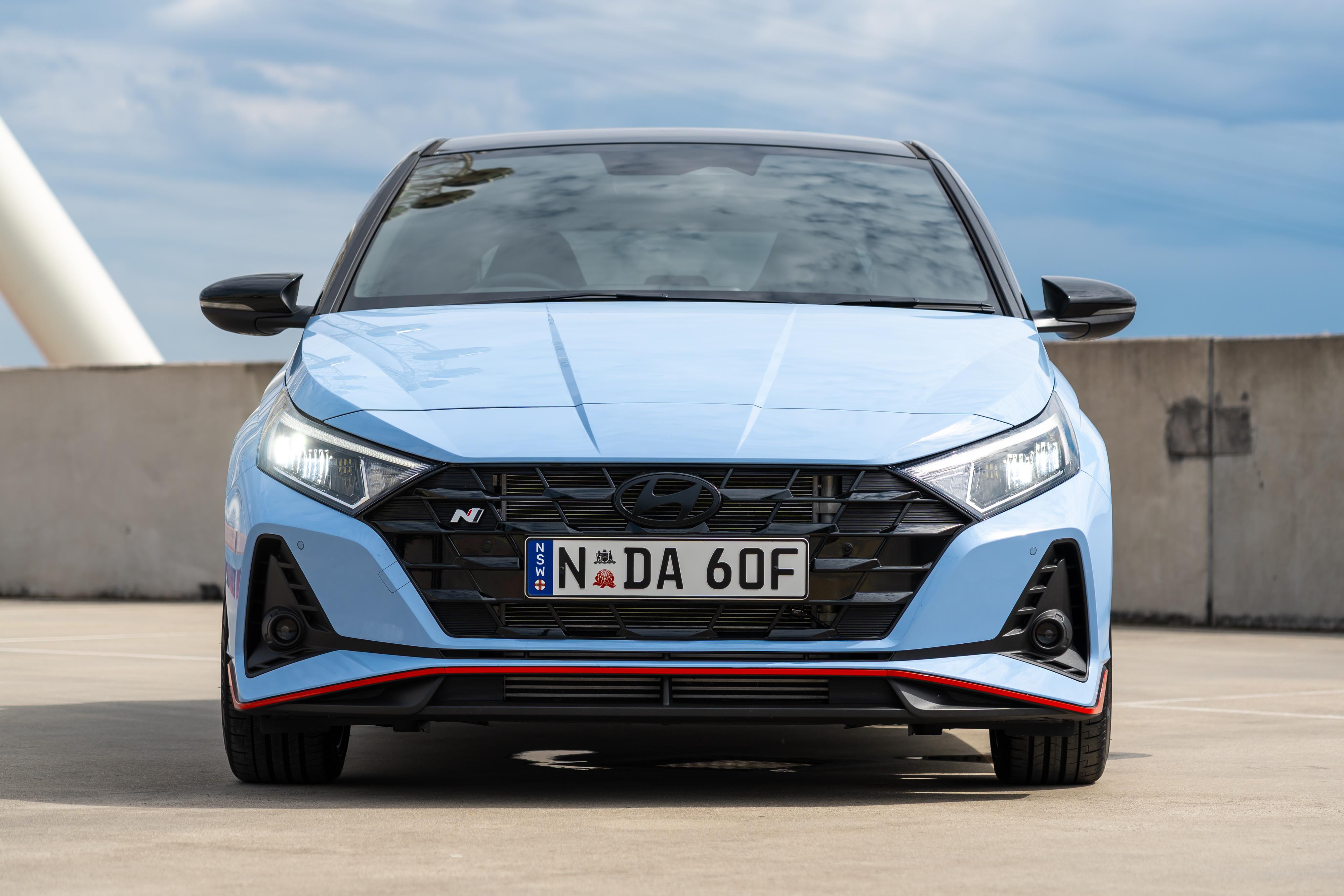
The 2026 Hyundai i20 N is priced from $38,500 before on-road costs – and there’s only a single variant available to purchase.
| Model | Price before on-road costs |
|---|---|
| Hyundai i20 N manual | $38,500 |
Updated pricing for the Turkiye-made i20 N – and its bigger sibling, the i30 N – was announced in September 2025, with Hyundai claiming the increase was due to its longer new (conditional) seven-year warranty, tightening local emissions regulations and European factory sourcing.
An additional $2000 was added to the price tag, though buyers do get the benefit of that extra warranty. More on that later.
But in the months since, it appears Hyundai has increased the price by another $1000, bringing the run-out i20 N to $38,500 before on-road.
At that price though, there aren’t a lot of options for sporty models. Most hot hatches, like the Civic Type R and GR versions of the Toyota Yaris and Corolla, demand significantly more money.
Which means there are limited options for buyers looking for something spicy and affordable. So, while they’re not conventional rivals, it does arguably make both the rear-wheel drive Mazda MX-5 and the Toyota GR86 and Subaru BRZ coupe twins competitors – despite their prices starting with a four.
To see how the Hyundai i20 N stacks up against its rivals, use our comparison tool
What is the Hyundai i20 N like on the inside?
To put things into context, the i20 is essentially Hyundai’s version of the Yaris in the European market – but the N is the range-topping performance variant.
That means we get the best version of one of the brand’s cheapest models.
The result is a bit of a mixed bag. Not necessarily in the bad sense, but there’s no real reference. While we assume it to be so, we don’t really know how much nicer the N is compared to the lower grades.
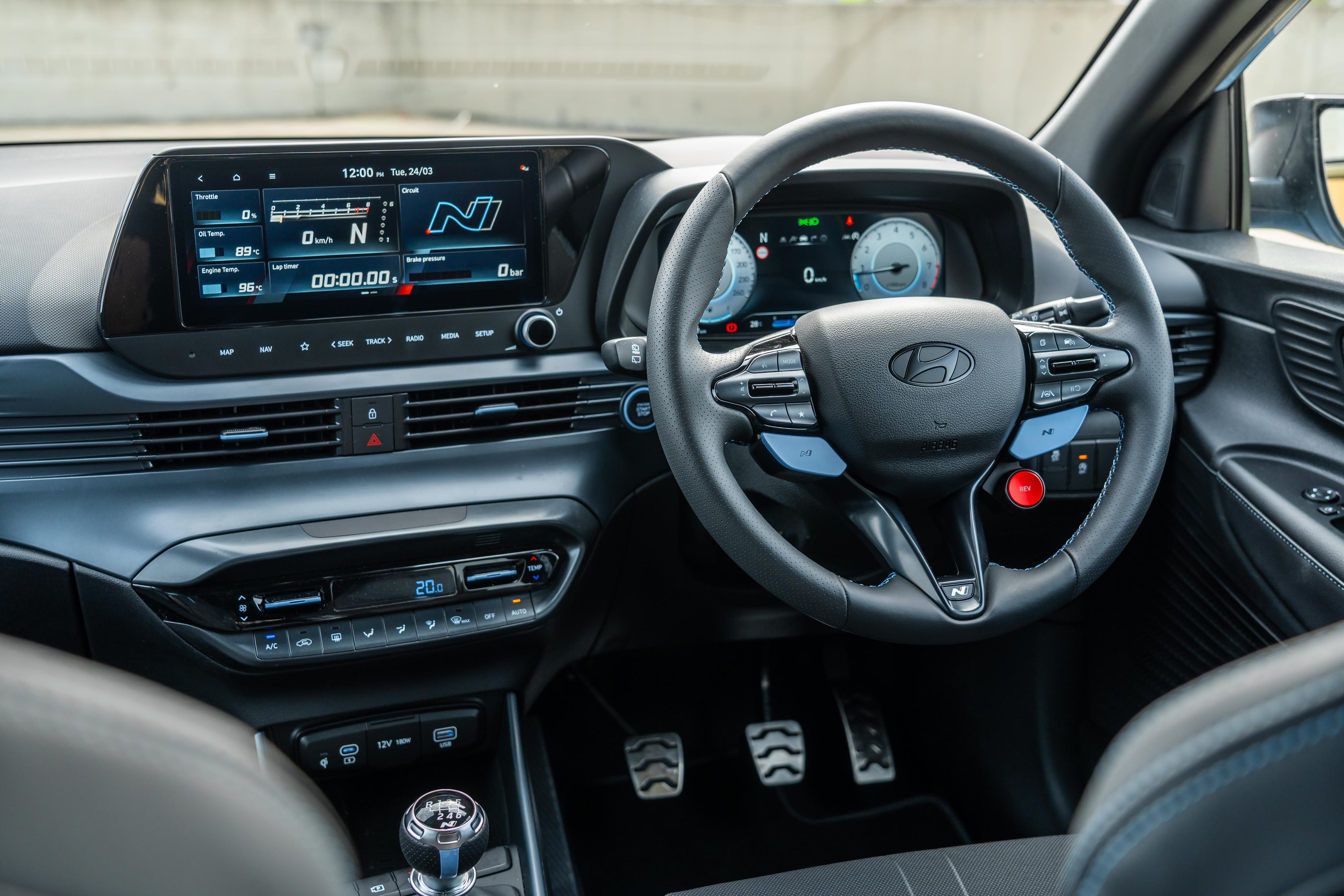
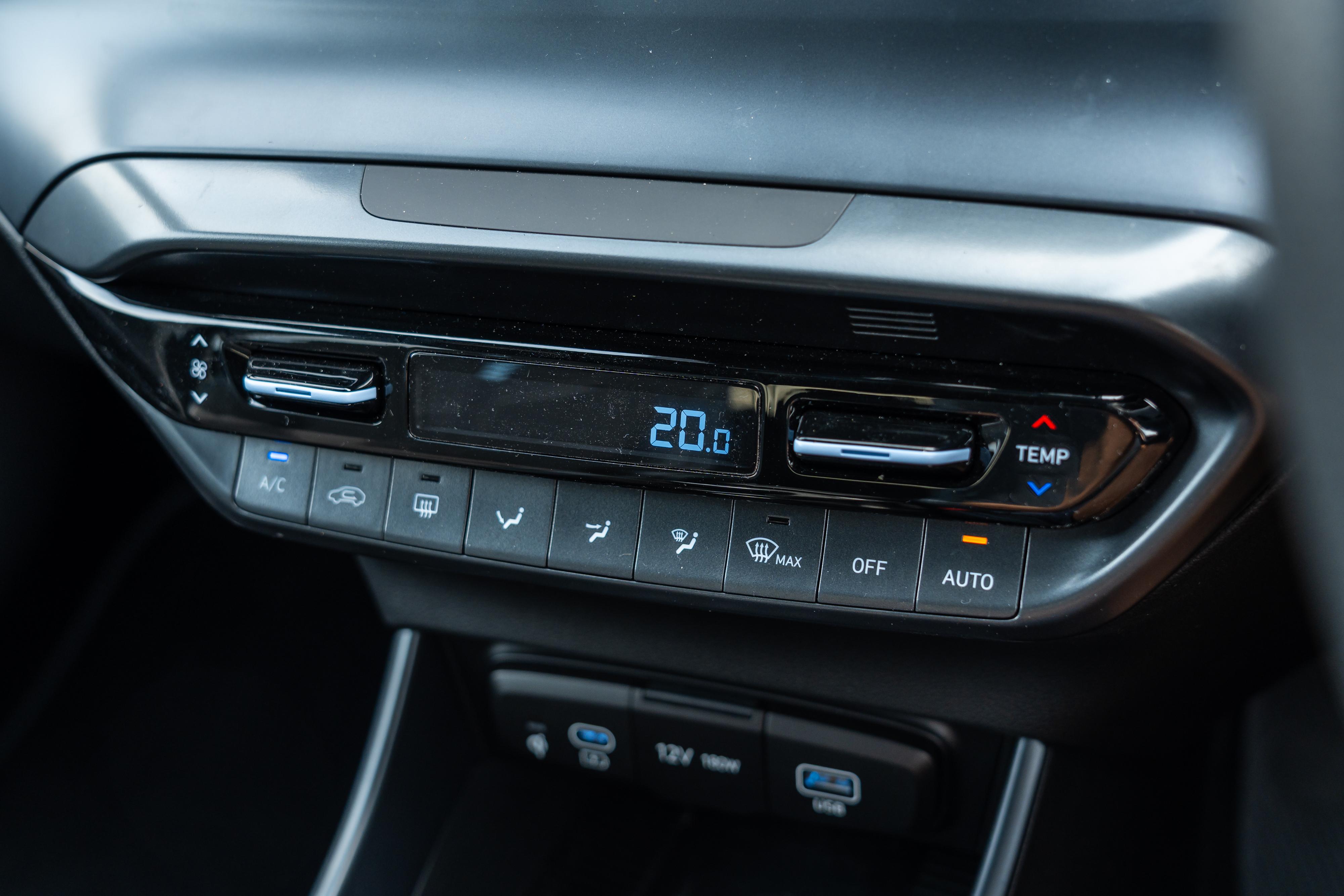
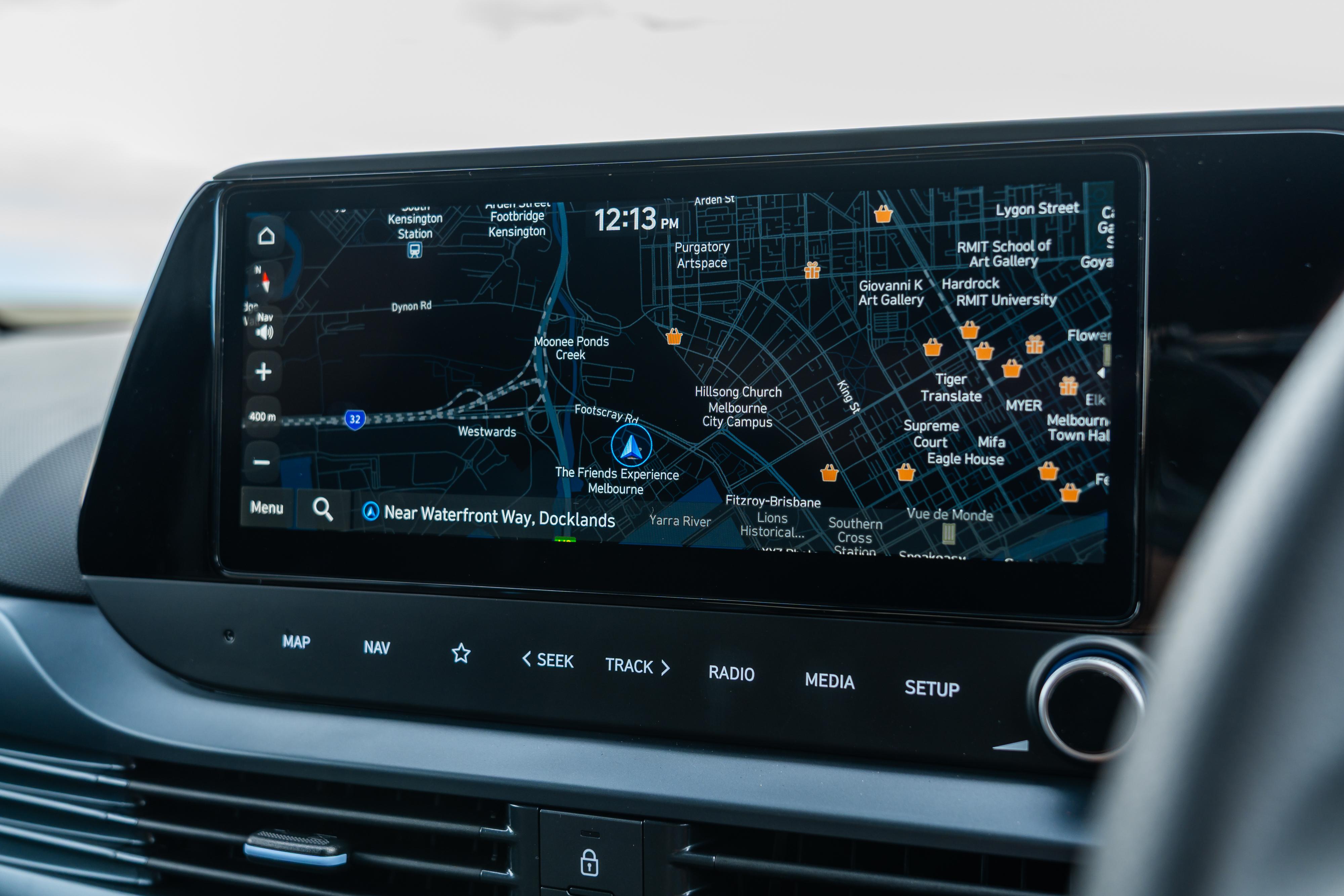
There are some cheap, hollow plastic panels throughout, with some higher-quality materials sprinkled in, like the upholstery. The digital climate control buttons feel well-built, but it’s only a single-zone system. The infotainment screen is a good size, but it only supports wired Apple CarPlay.
It’s like if you happen to pick up some sharp-looking young person at a high-class dinner event for scientists, and then you discover they pronounce ‘nuclear’ wrong. You don’t really care, because they look good and can cut a move on the dance floor, but there’s still an odd disconnect that you can’t help but notice.
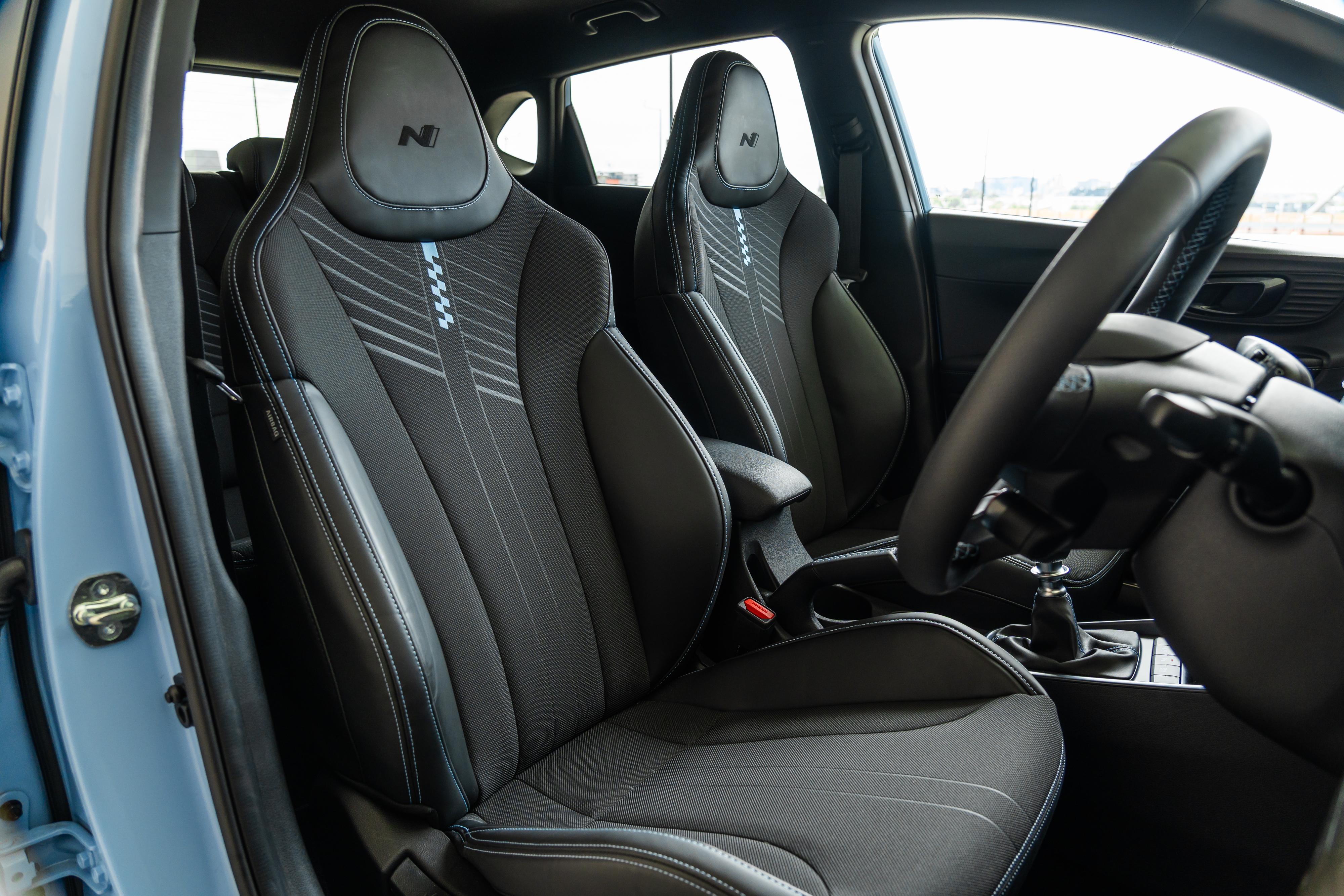
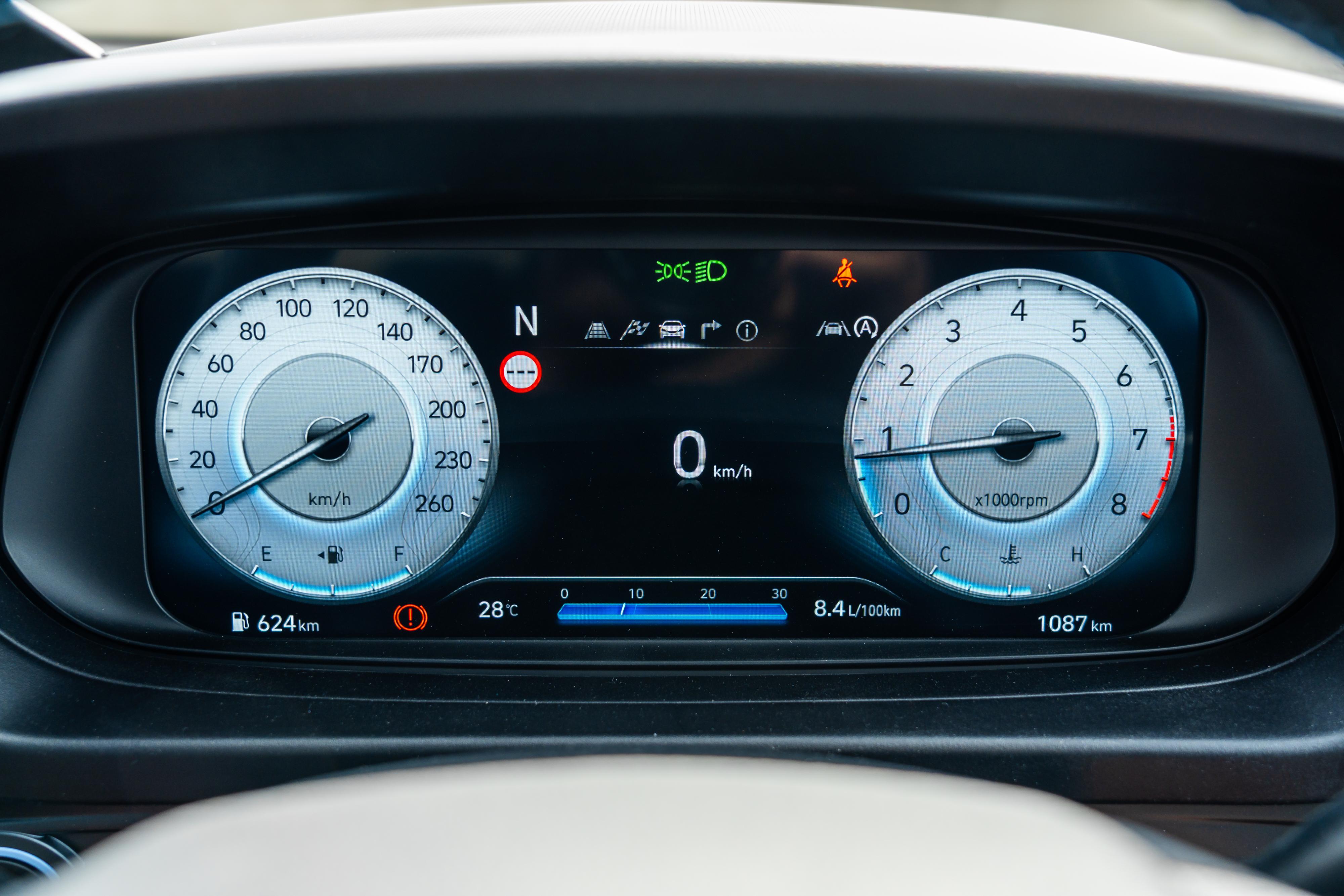
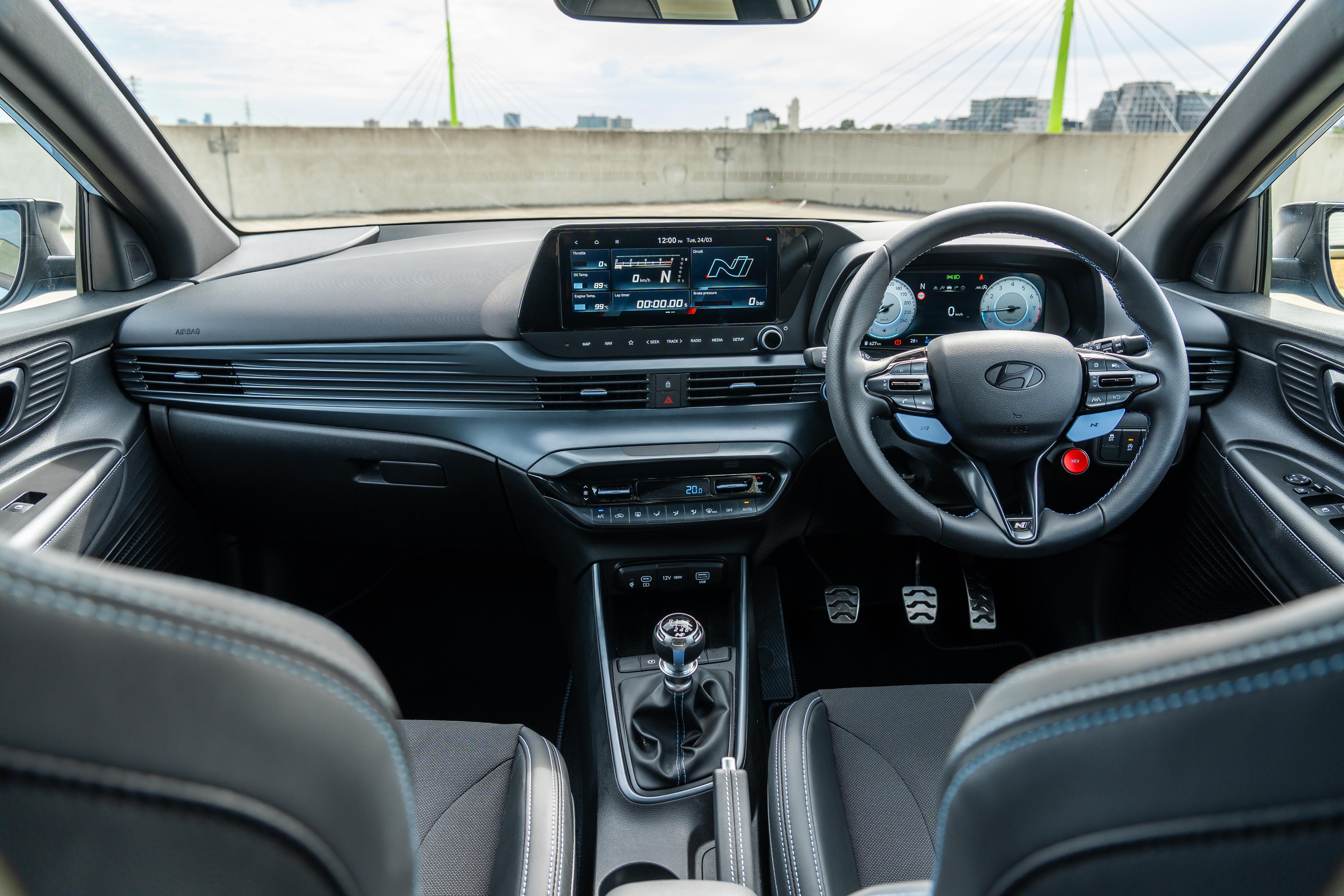
Regardless, Hyundai has done a good job of lifting the interior. Little details like light strips embedded in the door pockets, sporty seats, alloy pedals, a digital instrument cluster, and a few other knicks and knacks help to justify the price.
But the fact it’s based on a more budget-friendly vehicle does actually have some significant benefits, in that it still has things like climate-control buttons and a traditional handbrake. Whereas other car companies are reintroducing buttons and knobs, the i20 N still has them.
The headlights and wipers are automatic, but they’re mounted on stalks that are predictable and easy to use. There’s even a volume knob for the stereo, which sounds decent.
While the manual seats are comfortable and do a good job of supporting the torso, we would have liked more lumbar support to help with those longer drives. Hyundai tends to offer a huge amount of steering wheel adjustment too, which goes a long way toward finding the perfect seating position – which is particularly important, as we’ll get to.
But the pedal placement, the shifter location, the hugging N seats, and the small size of the cabin make it feel as if you wear the i20 like a nice-fitting jacket. Albeit a 1200kg jacket.
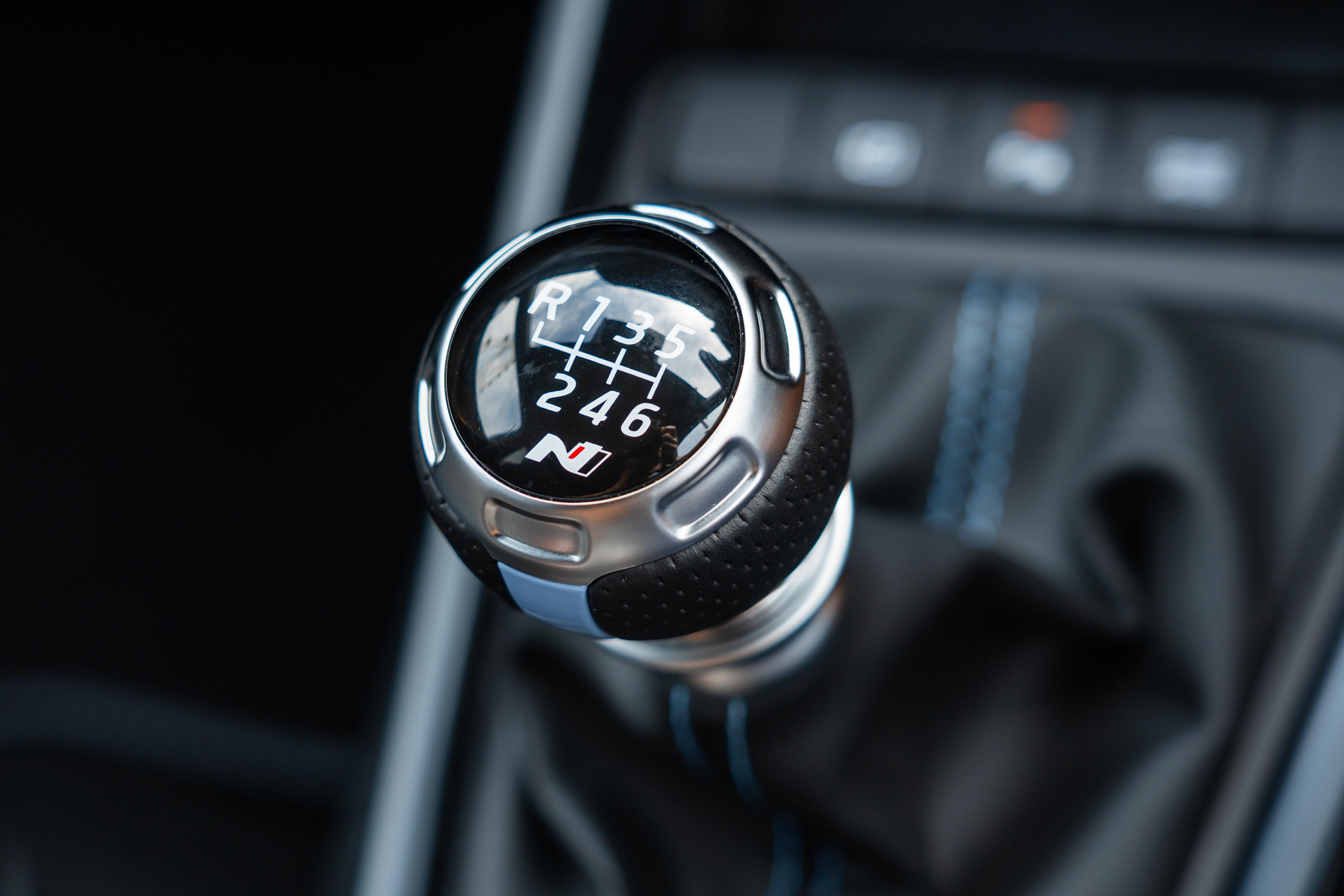
The gear shifter itself doesn’t blow our minds, feeling a little too light and indirect between changing cogs – but it’s far from the worst, and frankly we’ll forgive any and all sins given how rare a manual transmission is these days.
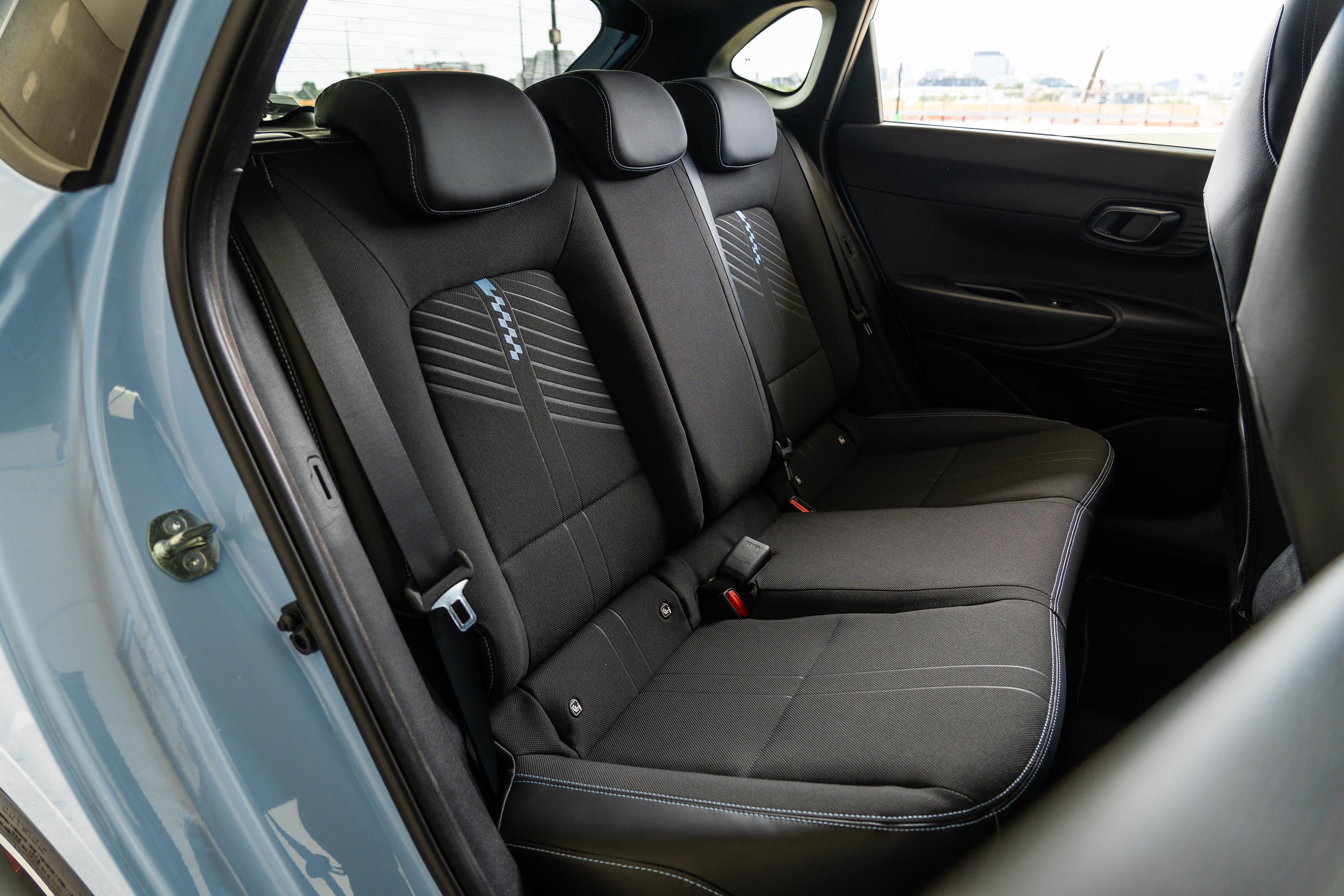
Being a five-door hatchback, there is a second row of seats back there, which can accommodate adults comfortably for short or medium trips – though it might be better for kids. If you’re sans kids, the back seats become like a second boot to throw your shopping on.
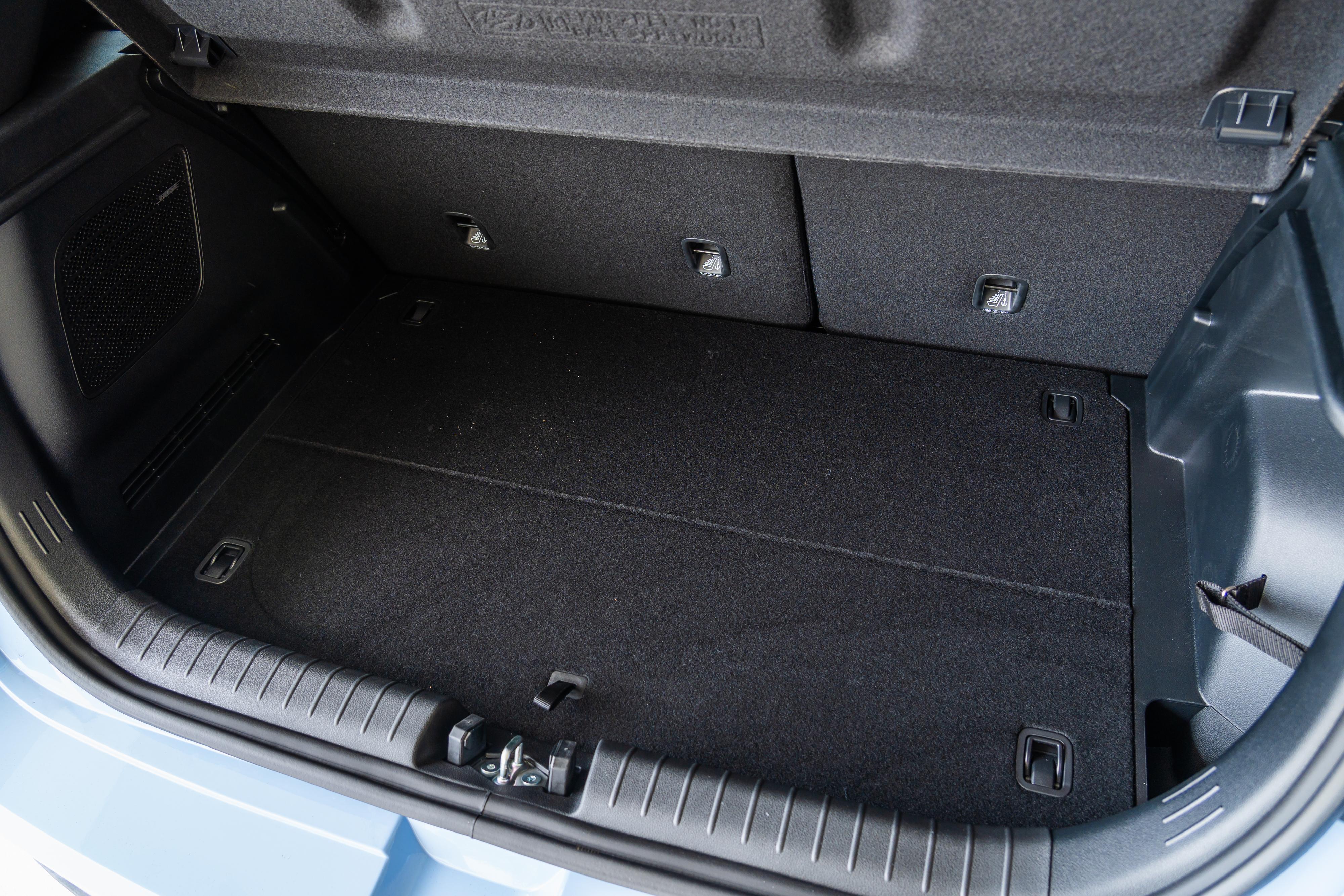
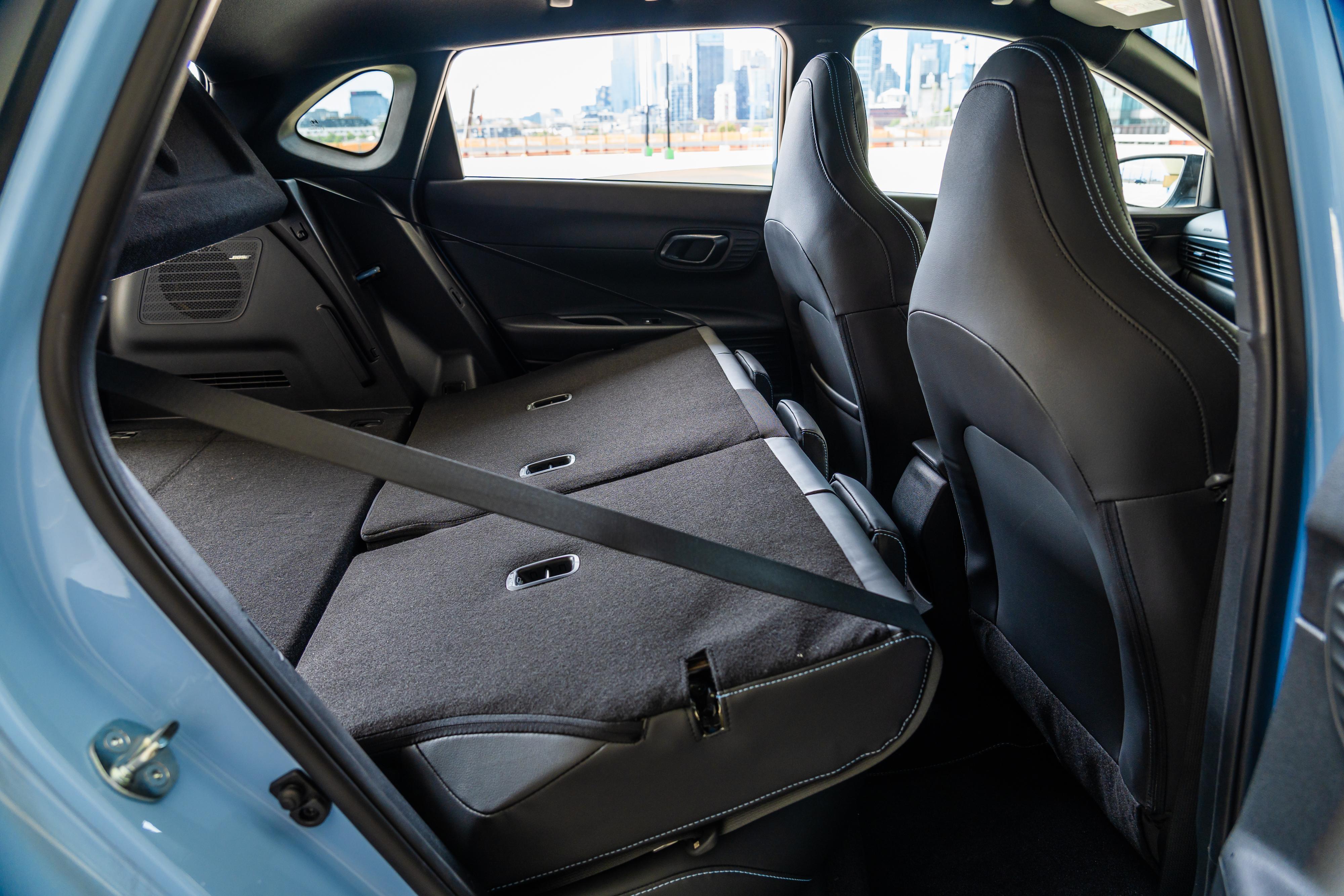
The actual boot has 310 litres of space and a false floor, but fold the seats down and that jumps to a very healthy 1123L – proving why hot hatches are superior for those who enjoy a bit of fun on the road but still need some real-world practicality in their vehicle.
| Dimensions | Hyundai i20 N |
|---|---|
| Length | 4075mm |
| Width | 1775mm |
| Height | 1440mm |
| Wheelbase | 310L (VDA, rear seats up) |
| Cargo capacity | 1123L (VDA, rear seats folded) |
To see how the Hyundai i20 N stacks up against its rivals, use our comparison tool
What’s under the bonnet?
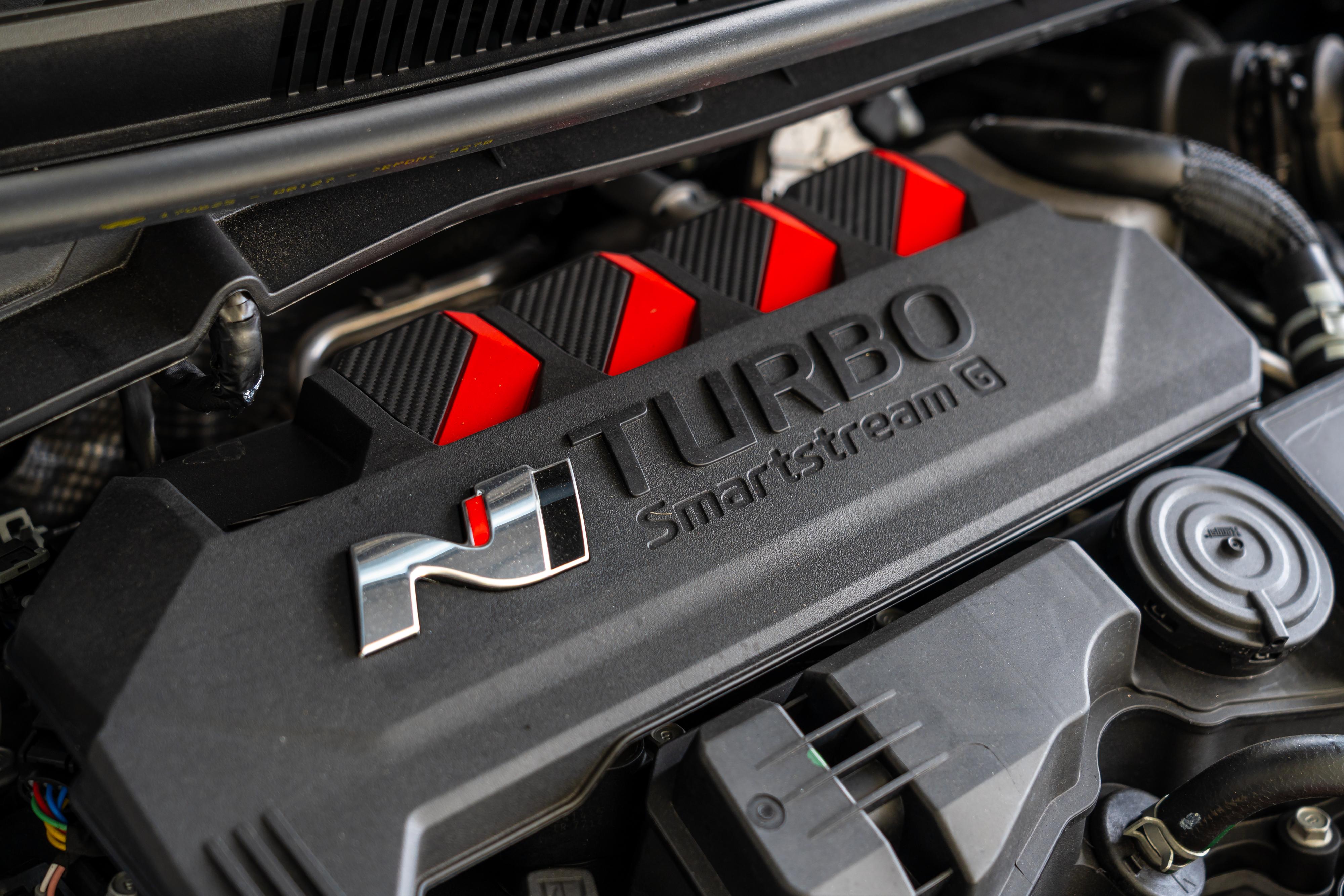
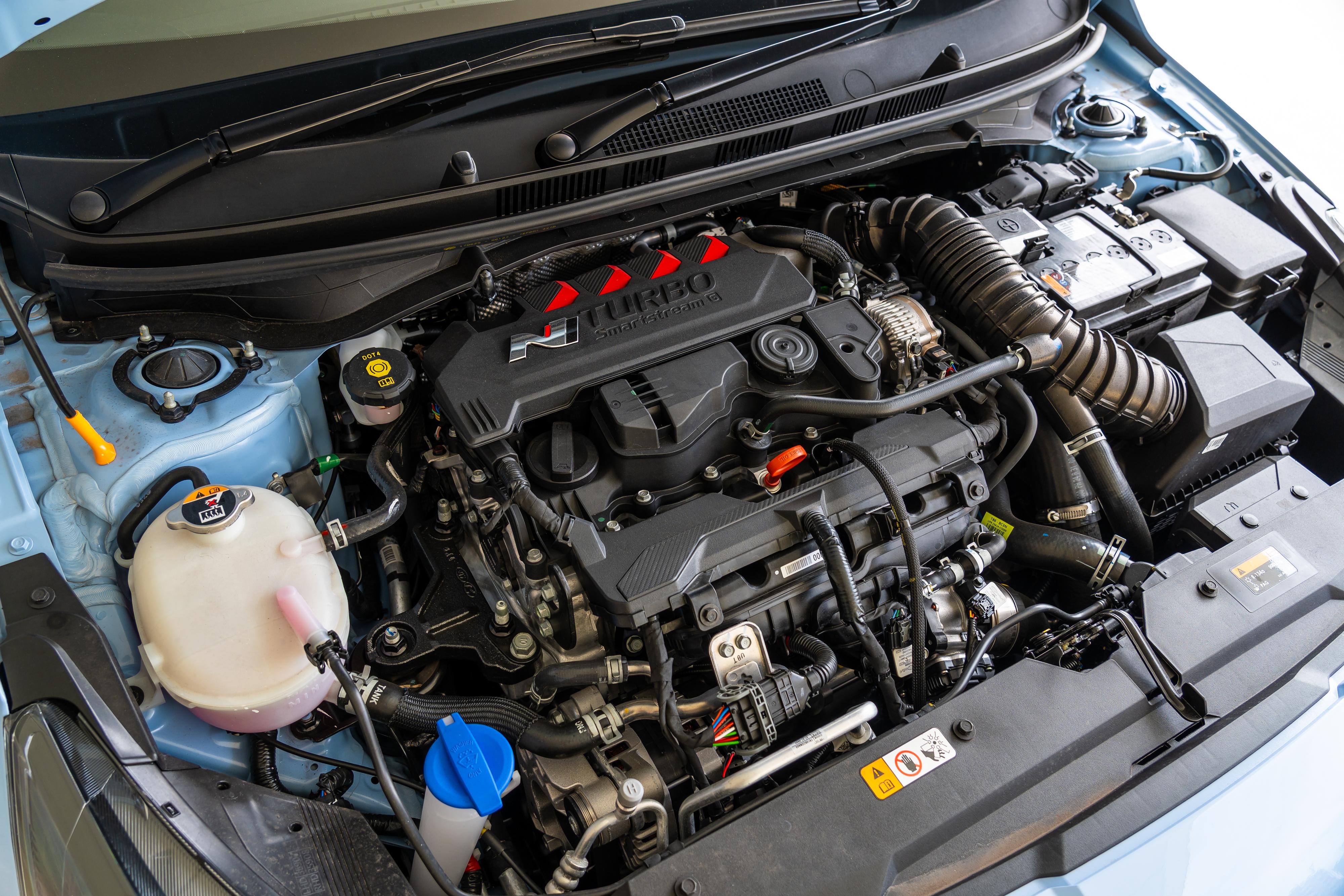
At the other end of the Hyundai i20 N is the 1.6-litre turbocharged four-cylinder petrol engine, sending 150kW of power and 275Nm of torque to the front wheels through a six-speed manual transmission and Torsen limited-slip differential.
| Specifications | Hyundai i20 N |
|---|---|
| Engine | 1.6L 4-cyl turbo-petrol |
| Power | 150kW @ 5500-6000rpm |
| Torque | 275Nm @ 1750-4500rpm |
| Transmission | 6-speed manual |
| Drive type | Front-wheel drive |
| Weight | 1210kg |
| 0-100km/h (claimed) | 6.2 seconds |
| Fuel economy (claimed) | 6.9L/100km |
| Fuel economy (as tested) | 7.5L/100km |
| Fuel tank capacity | 40L |
| Fuel requirement | 91-octane regular unleaded |
| CO2 emissions | 157g/km |
| Emissions standard | Euro 5 |
However, the i20 N features an overboost function that temporarily increases peak torque to 304Nm over 2000-4000rpm at full throttle.
Thanks to an upgraded clutch, launch control, plus the LSD and overboost, Hyundai claims a 0-100km/h sprint time of just 6.2 seconds. Back in my day, that would have embarrassed some serious muscle cars.
To see how the Hyundai i20 N stacks up against its rivals, use our comparison tool
How does the Hyundai i20 N drive?
It would be easy to feel underwhelmed by the Hyundai i20 N if you only had a limited amount of time behind the wheel.
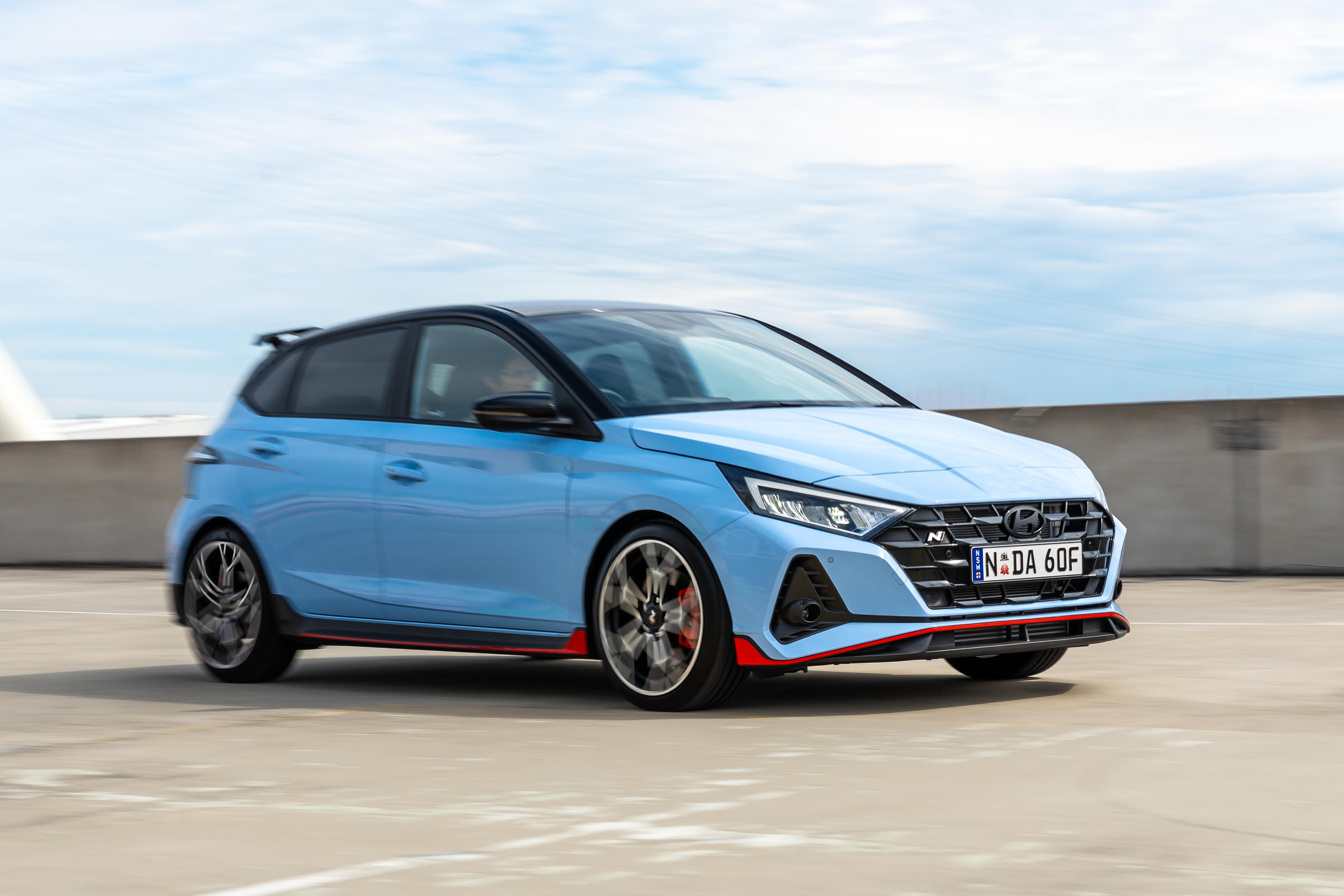
In its standard mode, it pretty much drives like a budget hatchback created for suburbia. It can bog down off the line, it’s easy to park, and it’s relatively unexciting most of the time.
All of which makes it feel like a pretty run-of-the-mill candidate for city commuting. But that would be doing the Hyundai i20 N a disservice.
The more I drove the car, the more I found myself flicking it into N mode once the engine warmed up. Let me tell you, it makes life just that little more fun and exciting.
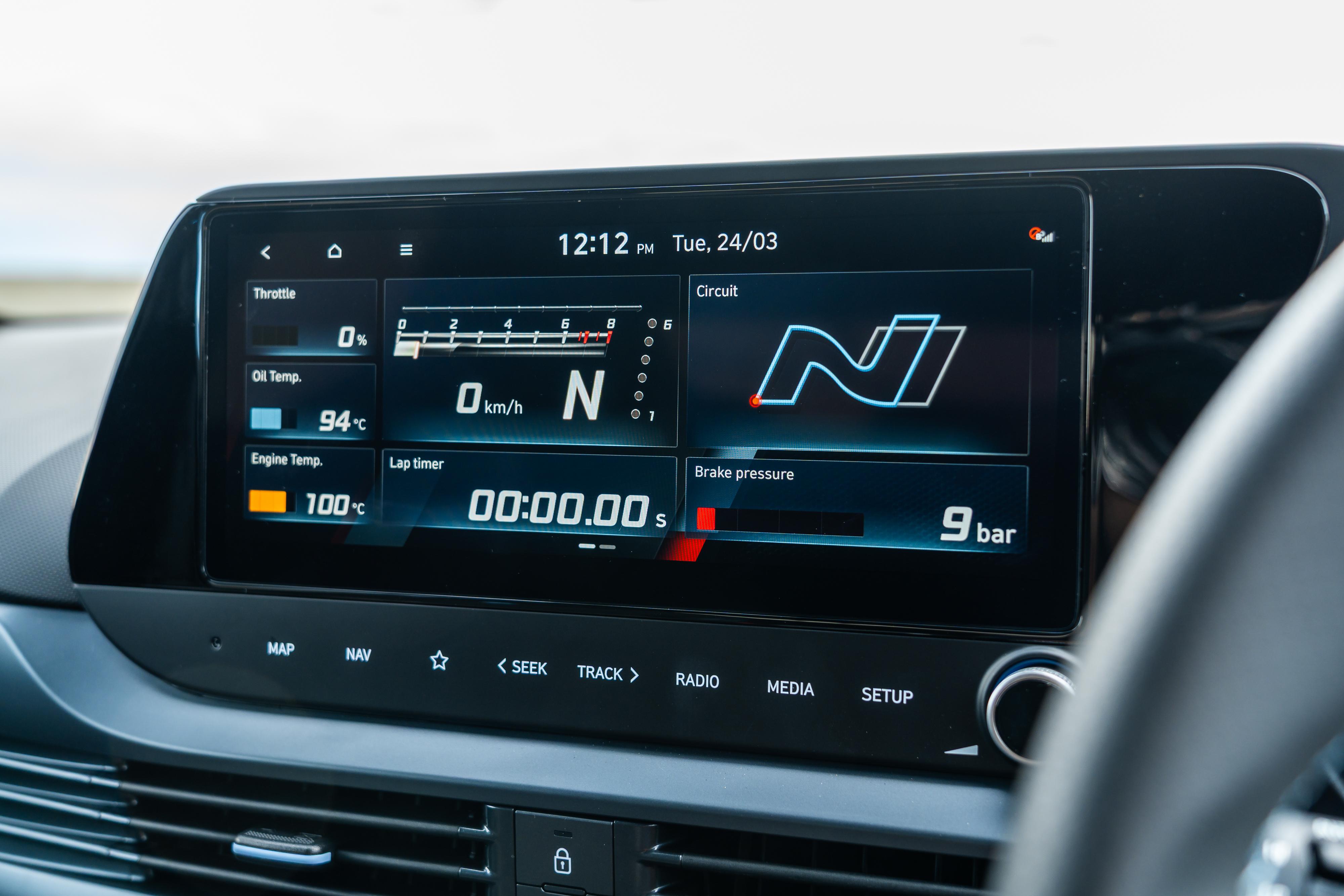
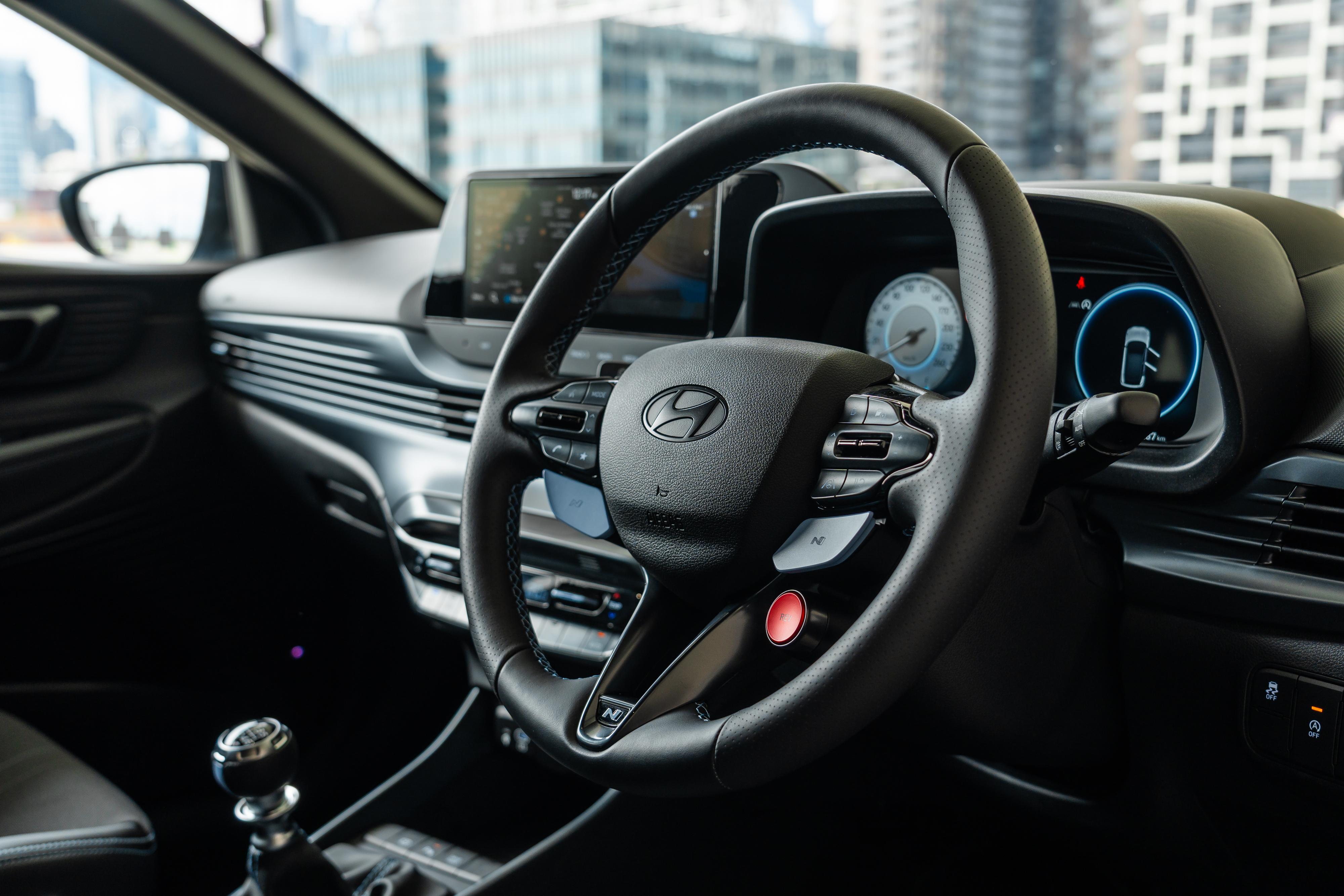
Hit the blue N button on the steering wheel and the exhaust gets louder, the (usually doughy) throttle response sharpens up, the steering gains some weight, and it does feel as if there’s a healthy amount of extra power – and, perhaps more importantly, torque – available on tap.
The mark of a good sporty car is whether it improves your life. I’m sure owning a Ferrari 250 GTO would be cool, but I’m also sure it would be an expensive and stressful experience. The hot little Hyundai, on the other hand, makes your daily commuting more amusing and engaging – but doesn’t take anything away from the practicality and usefulness of the day-to-day.
I even found myself using the automatic rev-matching feature, accessed by a big red button on the steering wheel. While I take pride in being able to heel-toe without the need of electronic aids – and I may have scoffed at the feature when it was introduced many years ago – I have to admit it is a nice-to-have when in traffic or you decide to turn the dial up one or two notches.
This won’t mean much to anyone under the age of 50, but aside from the advanced technology the i20 N feels a lot like a modern interpretation of the Nissan N12 Pulsar ET Turbo. The ET wasn’t the best hot hatch, or the fastest, but it offered enough performance to be fun to drive, without giving up the build quality and practicality of a Nissan hatchback.
The other thing that made me think of the little Pulsar was the turbo lag. In the i20 N, there is a noticeable delay between throttle inputs and the turbocharger spooling up, giving the power delivery a distinctive old-school flavour. And I’m here for it.
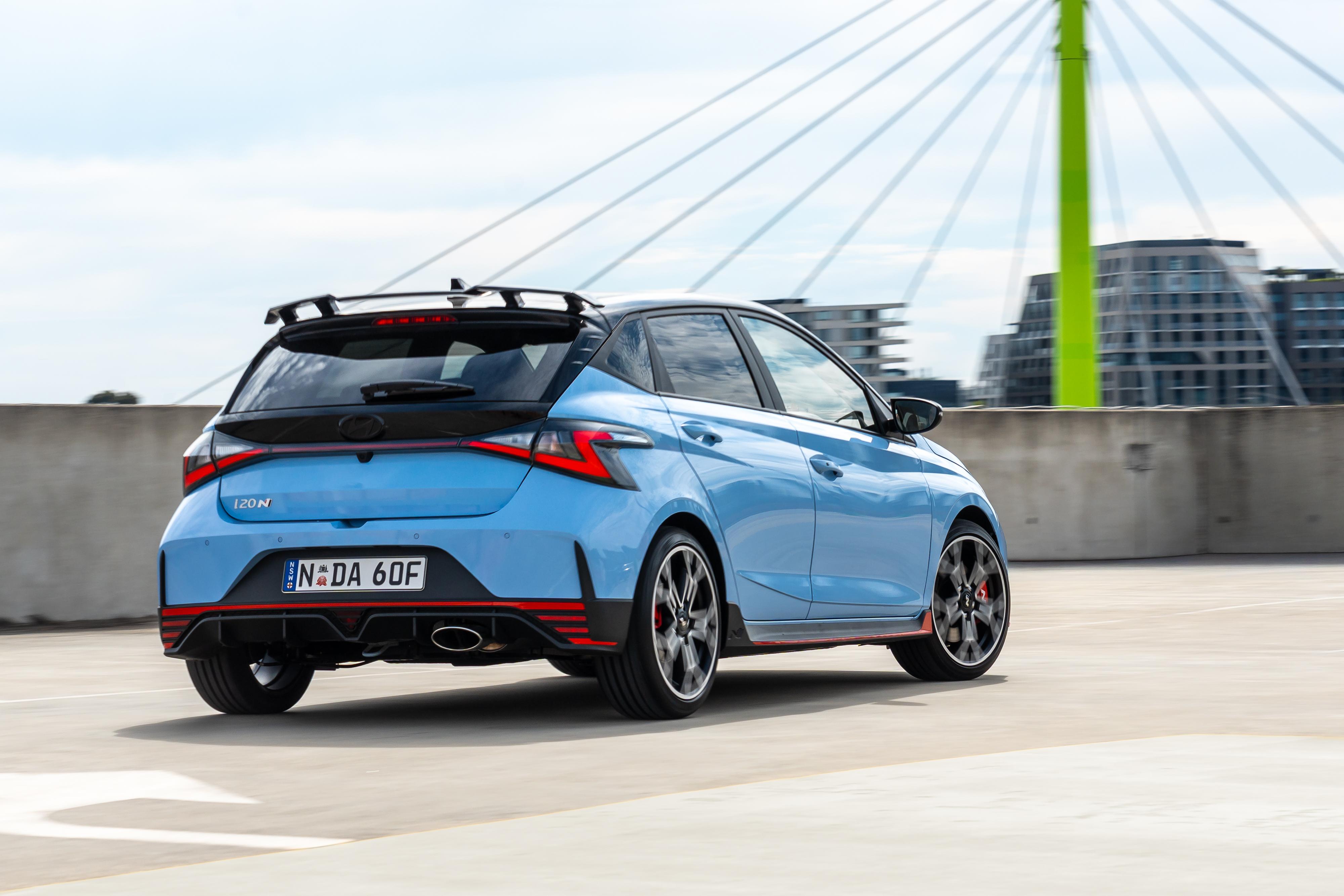
Modern turbocharged cars now have virtually no turbo lag. While that’s great for family cars looking to balance performance, efficiency, and drivability, a small-pot engine in a little hatchback with some lag just adds to the anticipation and drama.
When it eventually does hit, the power comes on strong – most of it in the second half of the rev range – and remains relatively consistent up to redline.
There is a small amount of torque steer during harder acceleration from slower speeds, though it’s not severe, and just further enhances that retro driving character. But it makes the ergonomics particularly important, as you want to have a good grip on the wheel. The steering itself does a decent job of conveying what’s happening at the front wheels, however, we’re not talking telepathic levels of communication here.
Really, unless their only experience is driving a Holden Barina City, the power output isn’t going to blow anyone’s mind. But that isn’t the point of this car.
The performance level – particularly with N mode engaged, which I’m convinced increases boost – is just the right level to keep drivers entertained on public roads, delivering a good balance between grip and playfulness.
Handling follows the same pattern. If you’re hungover and just need to acquire a McMuffin with minimal sensory input, the car will be your Hyundai city hatchback, getting you to the shops and back quietly and without fuss.
It’s a similar story at highway speeds. The car doesn’t feel like you’re in the Land of the Giants, remaining planted and confident, and not at all feeling darty or on-edge – as can be the case with smaller hot hatches.
But after that blue N button is pressed, the vehicle shows its lively side – allowing you to pitch into bends at antisocial speeds as you manage the turbo lag on exit. The vehicle can be pivoted mid-corner using the throttle, thanks to a non-lethal dose of lift-off oversteer, but it’s all convivial and in good fun.
Push it beyond what is reasonable and you’ll meet understeer, as expected, but keep it at or below 7/10ths and it’s a good time.
Achieving that kind of handling means there is a little compromise required, which comes from a slightly firmer ride. It is a worthwhile compromise though, offering a decent level of comfort for the most part.
The caveat being that you may want to test drive the vehicle along familiar routes if you live somewhere with an over-representation of poor-quality roads. The suspension can become overwhelmed over extended patches of rough road, and driving long distances along pockmarked surfaces could become tiresome if that’s your day-to-day reality.
While the clutch pedal is relatively light, with a good amount of throw and consistent engagement, we found the brakes were spot-on – being light enough for the shopping-centre car park, yet offering good pedal feel along with the stopping power to inspire confidence during enthusiastic driving.
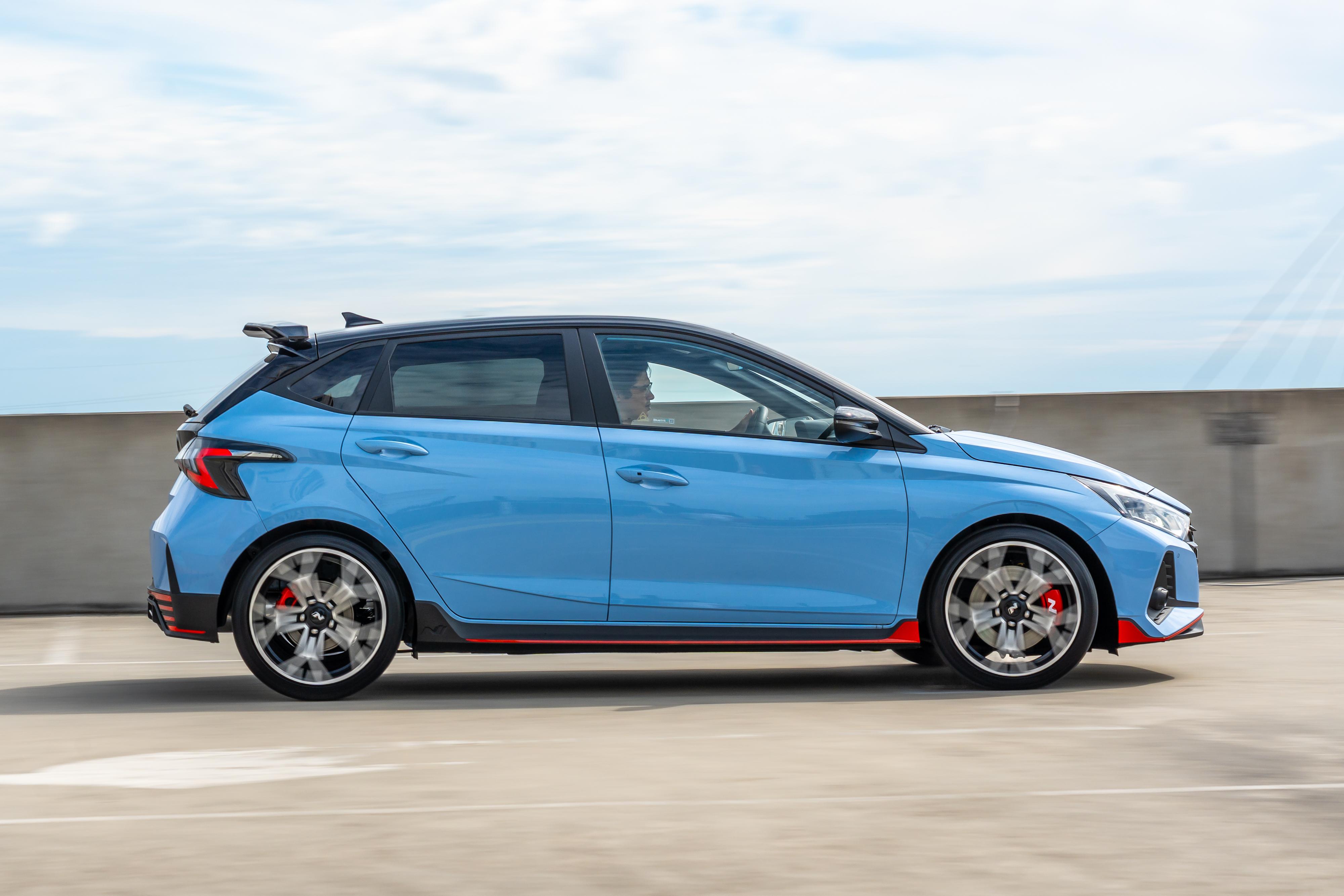
Ultimately, there’s enough performance from the engine and chassis to scare your mother on a back-road, but not enough that you’ll need lessons from a retired racing driver to learn how to get the most out of it.
To see how the Hyundai i20 N stacks up against its rivals, use our comparison tool
What do you get?
As should be obvious by this point, Hyundai offers just one i20 variant – the N performance flagship.
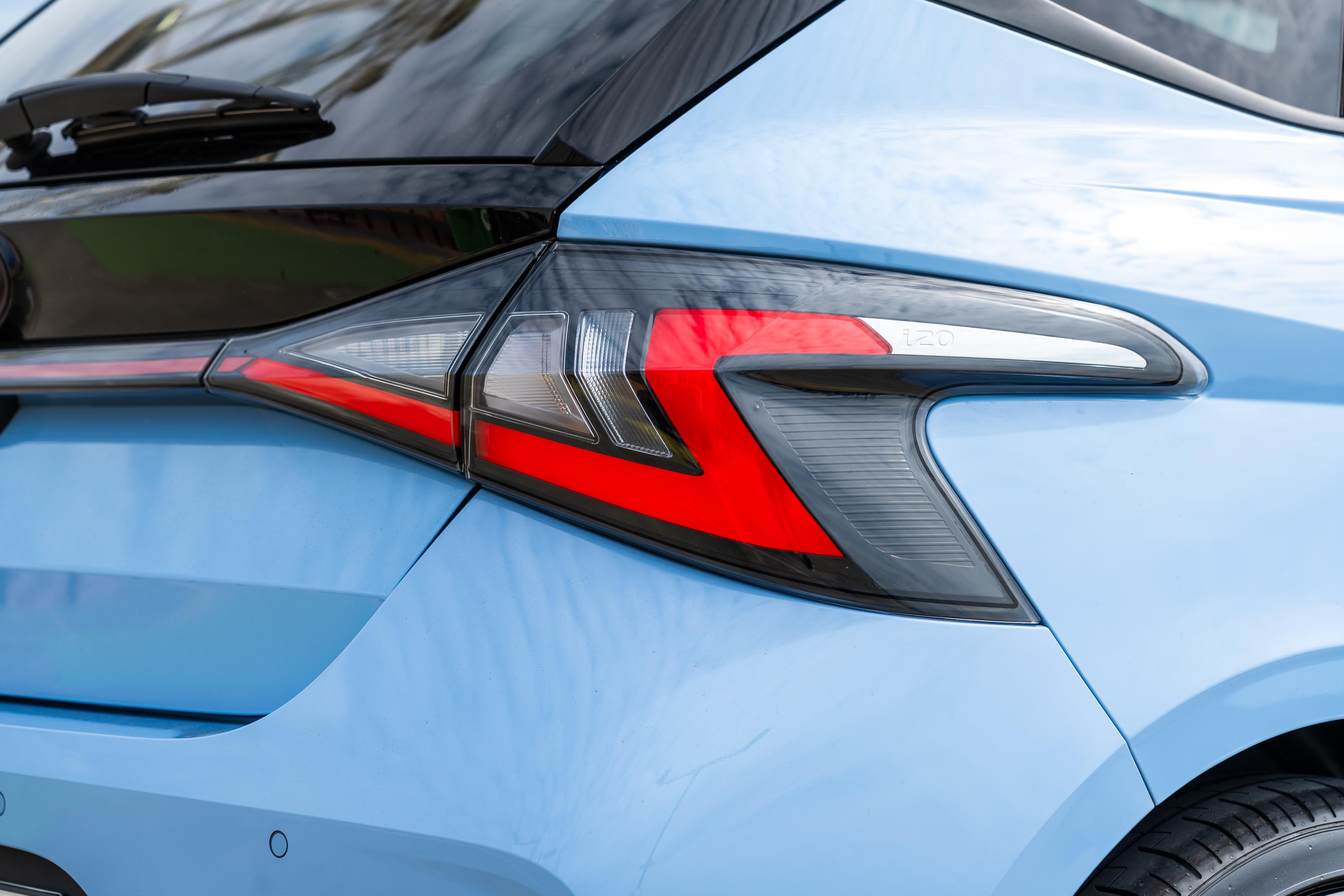
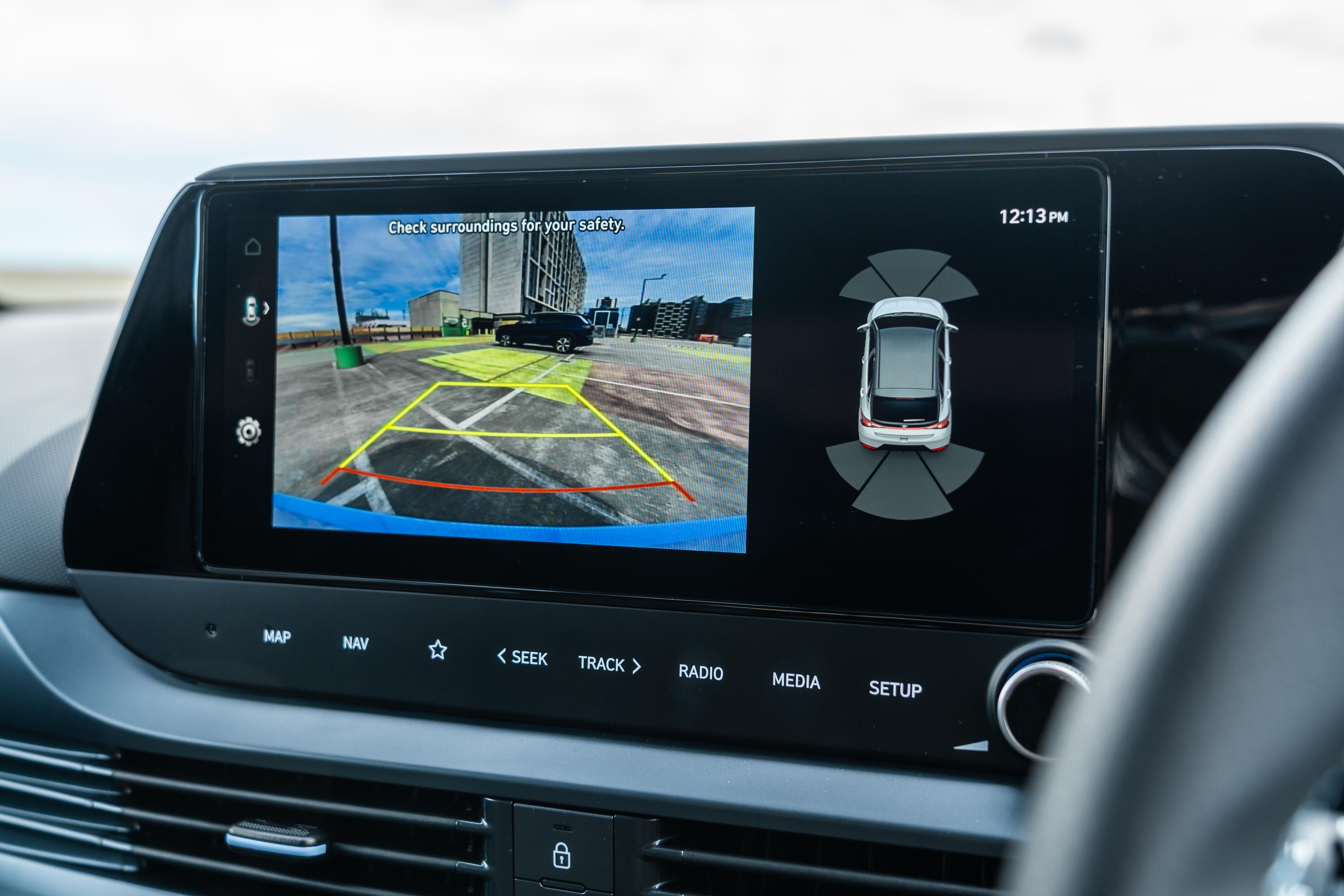
And while there are better-equipped hatchbacks at this price point, you have to keep in mind that it’s the go-fast bits that you’re paying for here.
Having said that, unless you’re accustomed to luxury vehicles and the features they offer, it’s unlikely you’ll be wanting for anything more than what the Hyundai offers.
2026 Hyundai i20 N equipment highlights:
- 18-inch forged alloy wheels (new design)
- Tyre pressure monitoring
- Space-saver spare
- Rain-sensing wipers
- Heated, power-folding exterior mirrors
- Rear privacy glass
- Active variable exhaust with Normal, Sport, Sport+ modes
- 6 drive modes (Eco, Normal, Sport, N, Custom 1, Custom 2)
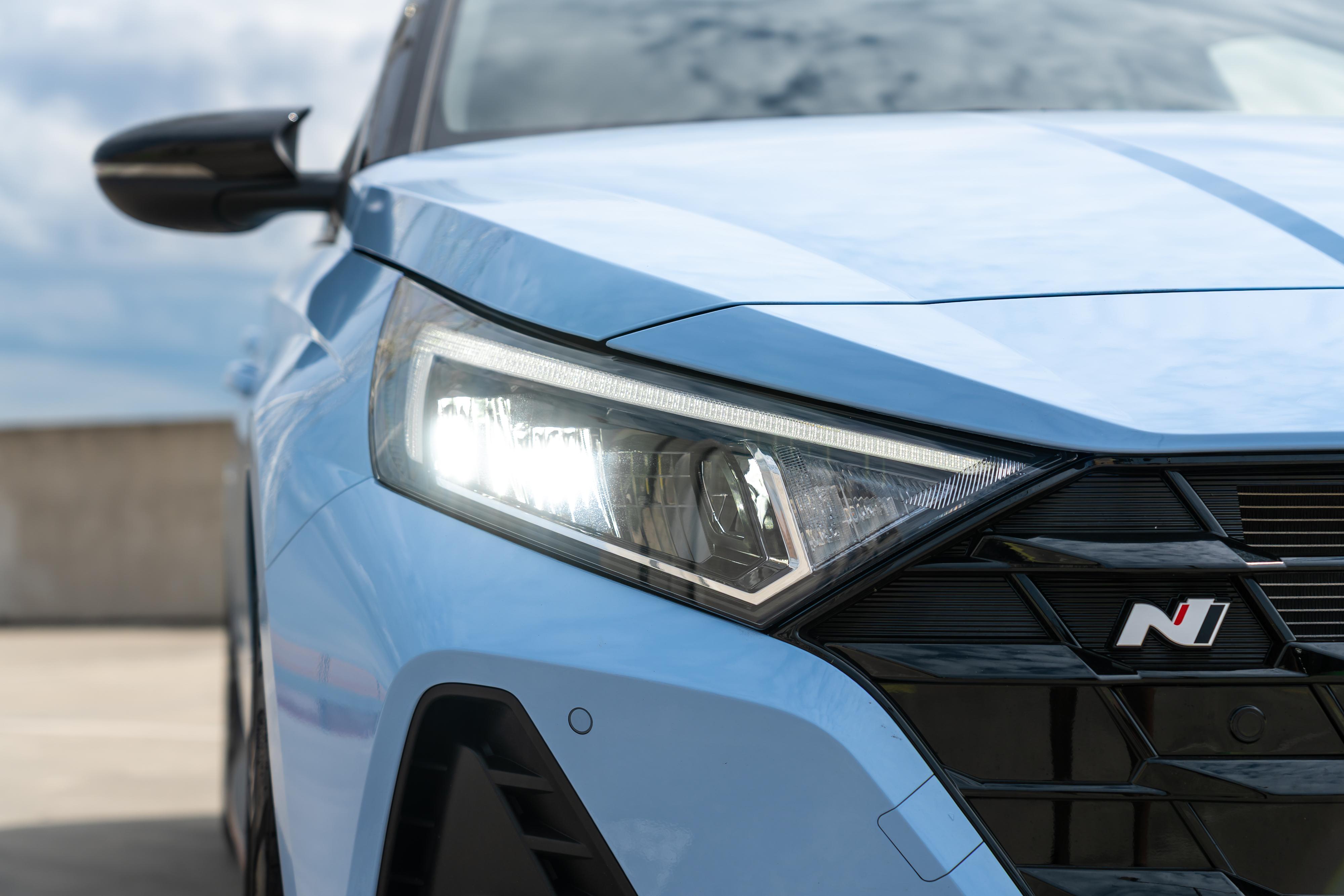
- Reflector LED headlights
- Automatic high-beam
- Proximity entry with push-button start
- Single-zone climate control
- Leather-wrapped steering wheel
- Leather-wrapped shifter
- Bose sound system
- Cloth upholstery
- 10.25-inch digital instrument cluster
- 10.25-inch touchscreen infotainment system
- Wired Apple CarPlay and Android Auto
- DAB+ digital radio
- Satellite navigation
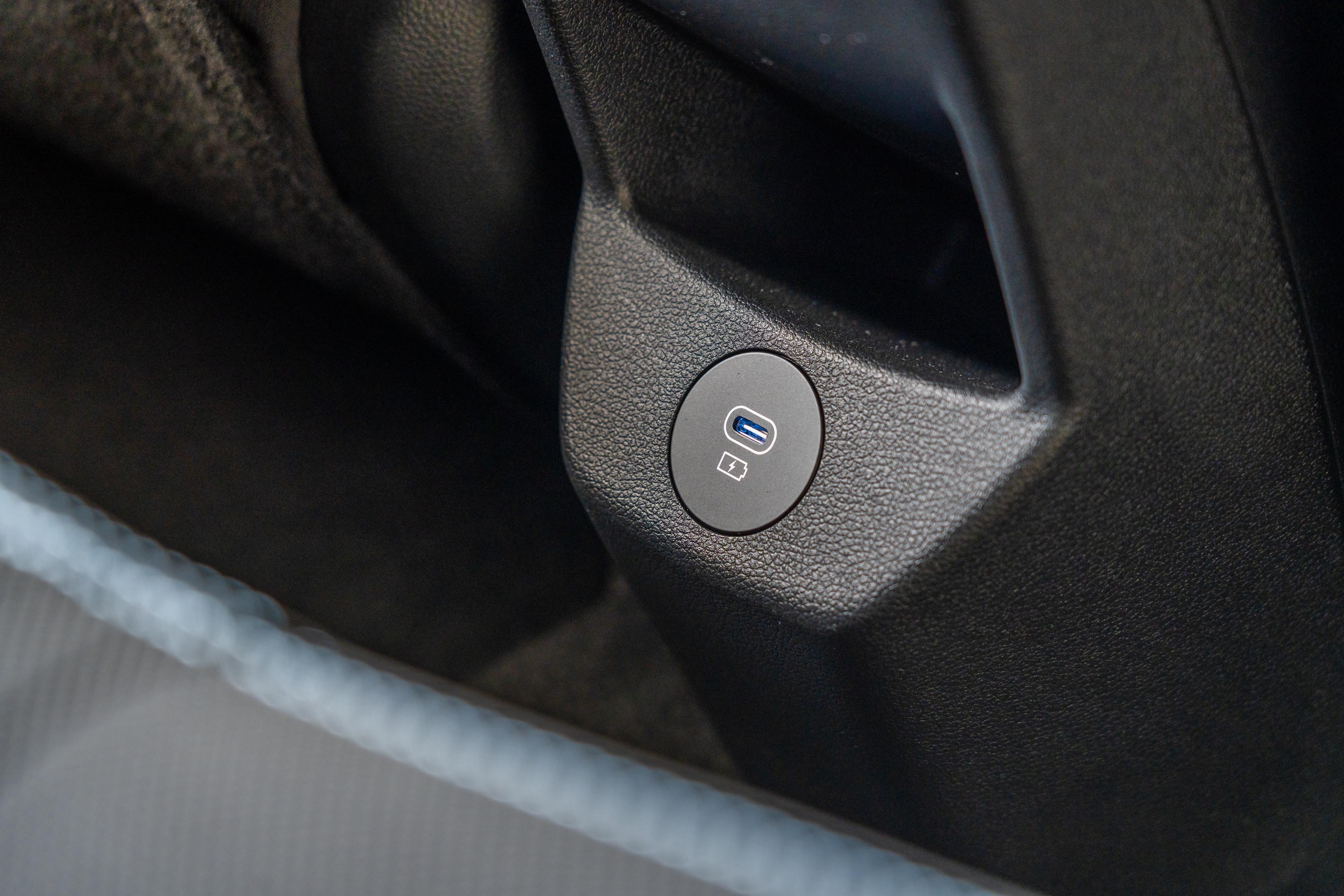
- 1 x front USB-C outlet
- 1 x rear USB-C outlet
- Electrochromic rear-view mirror
- LED interior lighting
- Bluelink connected car services
To see how the Toyota Prado stacks up against its rivals, use our comparison tool
Is the Hyundai i20 N safe?
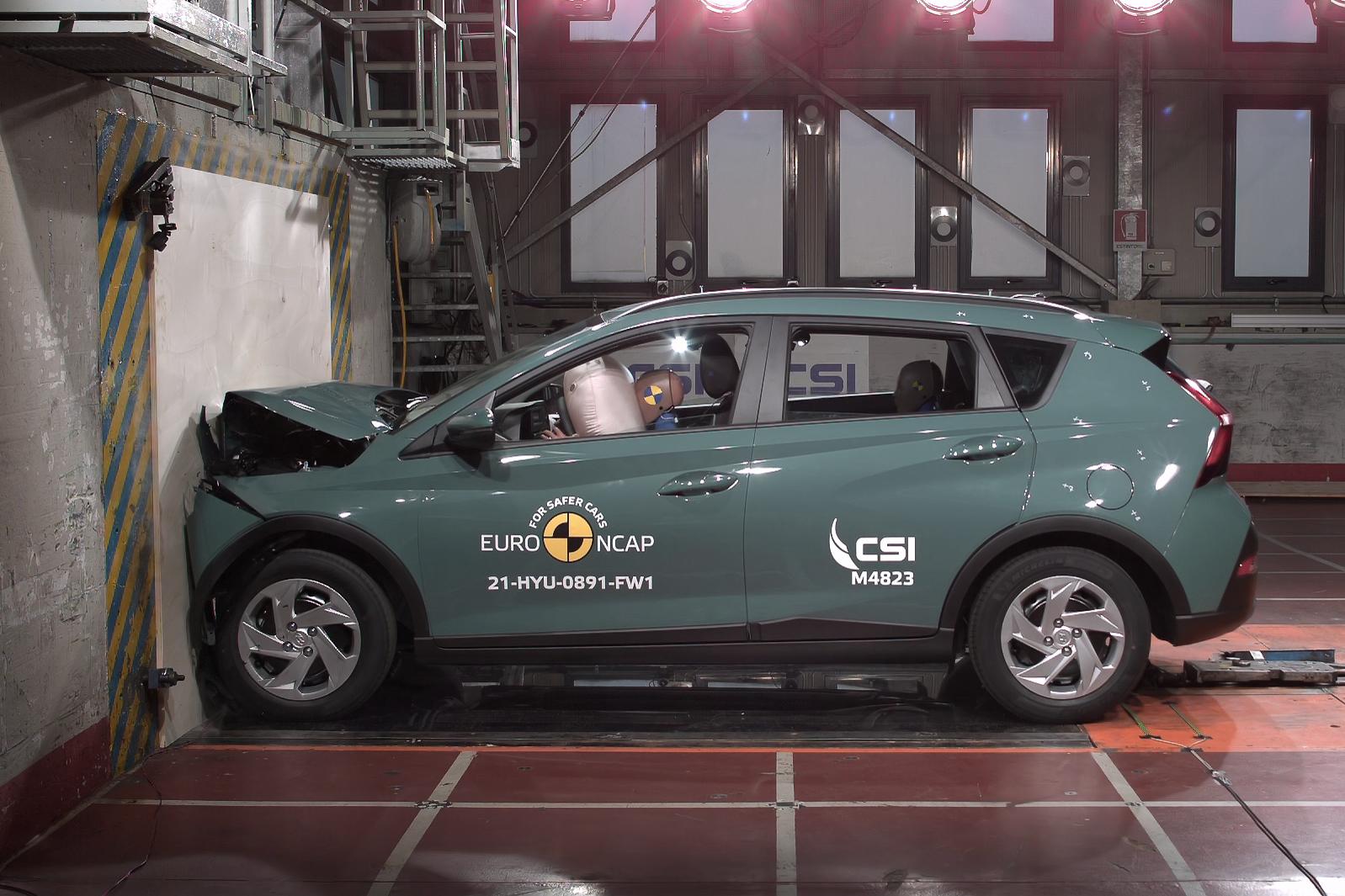
While Australia’s independent auto safety authority hasn’t rated the model, Euro NCAP gave the i20 a four-star safety rating back in 2021. However, this conclusion was based on the closely related Hyundai Bayon.
Standard safety equipment includes:
- Autonomous emergency braking
- Blind-spot monitoring
- Lane-keep assist
- Lane Following Assist (lane-centring)
- Rear cross-traffic alert
- Rear occupant alert
- Reversing camera
- Front and rear parking sensors
- Intelligent speed limit assist
- Front, front-side and curtain airbags
To see how the Hyundai i20 N stacks up against its rivals, use our comparison tool
How much does the Hyundai i20 N cost to run?
Hyundai offers a five-year, unlimited-kilometre warranty as standard, extending to seven years provided the vehicle is serviced on time through Hyundai’s dealer network.
| Servicing and Warranty | MAKE MODEL VARIANT |
|---|---|
| Warranty | 7 years, unlimited kilometres (conditional) |
| Roadside assistance | 12 months |
| Service intervals | 12 months, 10,000km |
| Capped-price servicing | Up to 21 years (factory service schedule) |
| Average annual service cost | $447 (over seven years) |
| Total capped-price service cost | $3132 (over seven years) |
And like all N-cars, the i20 N warranty covers non-competition use on a racetrack.
The company also lists up to 51 years – yes, you read that correctly – of capped-price service costs on its website, helpfully allowing you to budget up to the year 2077, or 510,000km (whichever comes first).
Really though, the factory servicing schedule outlines up to 21 years of maintenance, but we’ve listed pricing for seven years of servicing in the table above to align with the vehicle’s conditional warranty period.
To see how the Hyundai i20 N stacks up against its rivals, use our comparison tool
CarExpert’s Take on the Hyundai i20 N
In a Venn diagram of a buyer looking for practicality, value, and old-school hot hatch fun, the i20 N sits right at the centre.
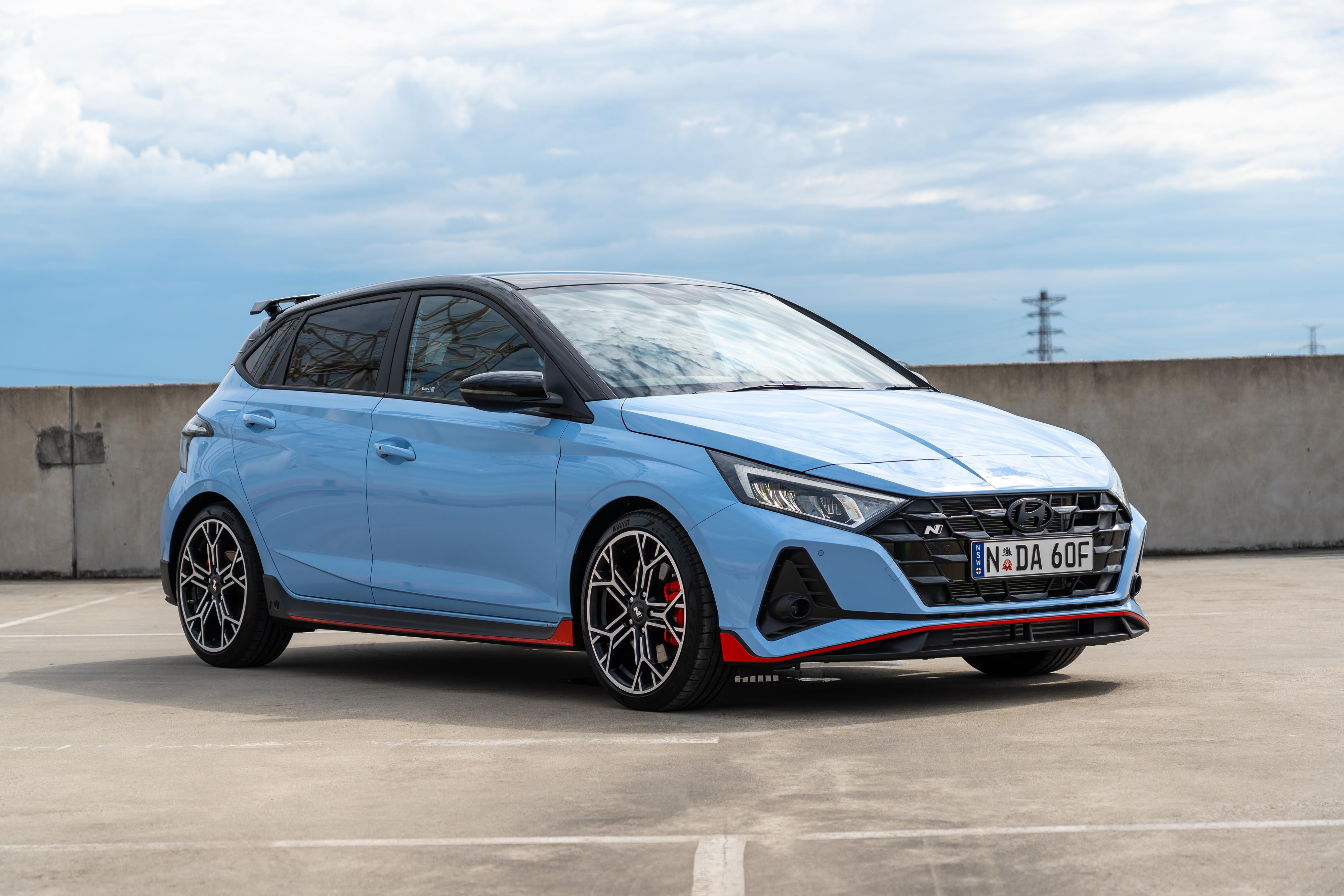
If it’s not yet obvious, this car isn’t about outright speed, razor-sharp handling, or big horsepower figures. Simply put, it’s one of those rare cars that makes your life better, because it can make you look forward to your morning commute, but is just as easily used as a grocery-getter (with easy parking), or hold its own on an early-morning mountain run with your mates.
In the ever-diminishing pool of affordable sporty manual cars, the i20 N is perhaps more relevant than ever before. Which makes us a bit sad that it’s going away, and we can only hope the new-generation i20 N is just as good.
So, if you’re the type of person who concerns themselves less with bragging rights and more with your enjoyment of a vehicle – and your apartment only has one car space – then the Hyundai i20 N should be on your shortlist.
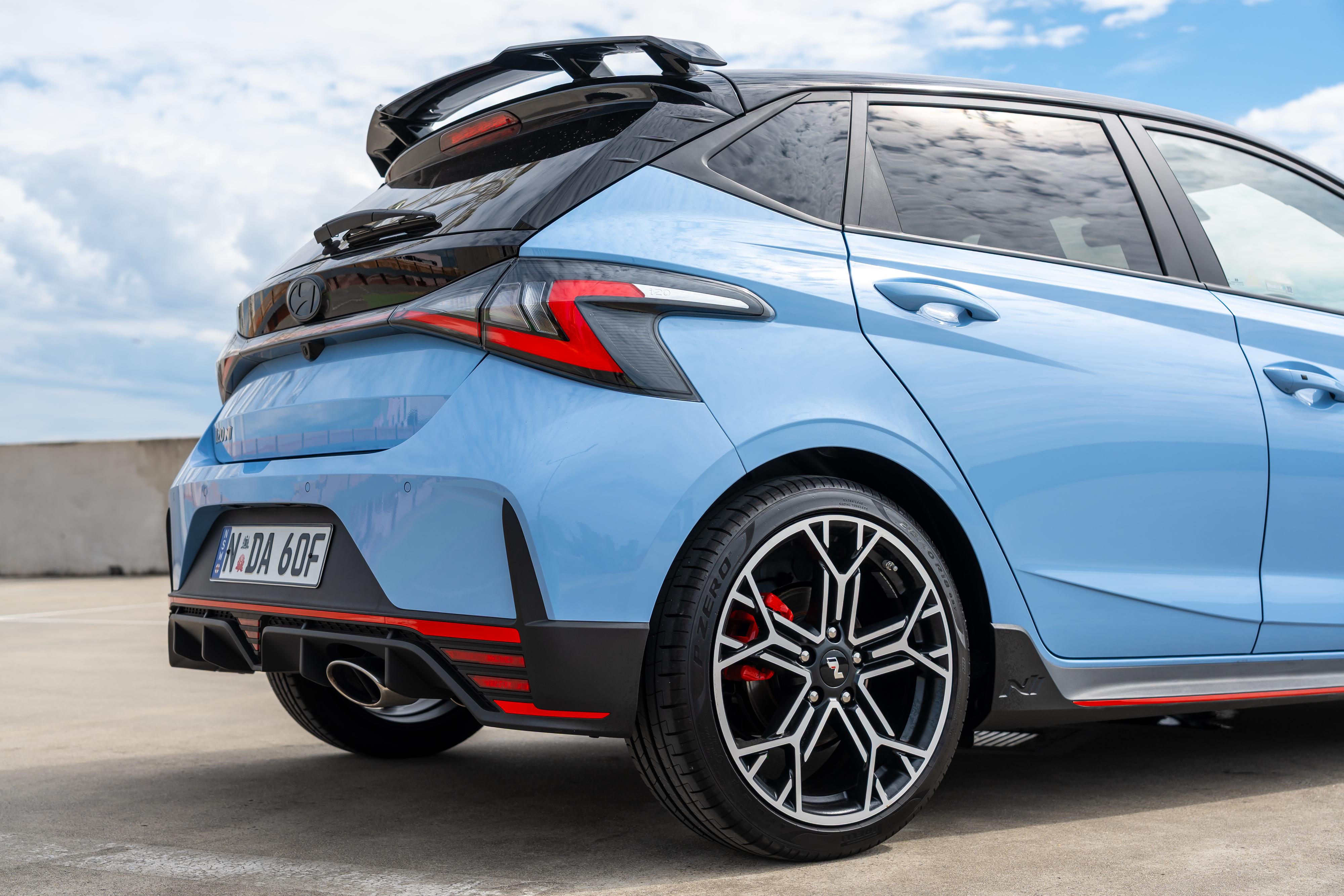
In that way, it’s pretty much the opposite of some exotic Italian supercar. It’s relatively cheap, inexpensive to own and run, and can be driven quickly while remaining within the limits of the law and physics. And it’s not stressful to drive in the city, either.
But it’s that old-school hot hatch fun that is really its standout specialty, and it may well be the last car to offer that kind of experience.
CarExpert can save you thousands on a new Hyundai i20 N. Click here to get a great deal.
Click the images for the full gallery
MORE: Explore the Hyundai i20 N showroom