














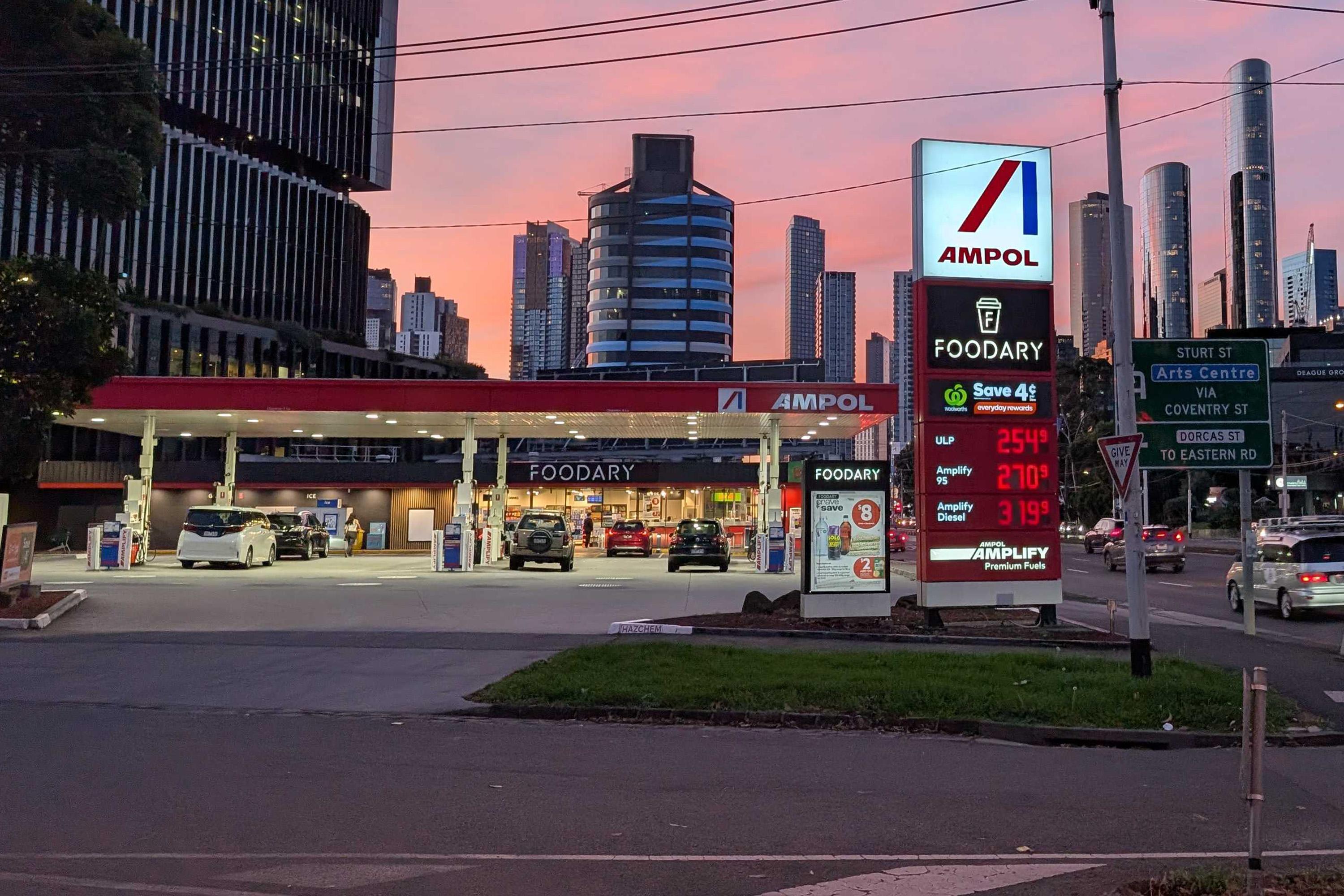
The federal government has launched a multi-million-dollar advertising campaign encouraging Australians to cut down on their fuel consumption, as hundreds of service stations across the country remain out of one or more types of fuel.
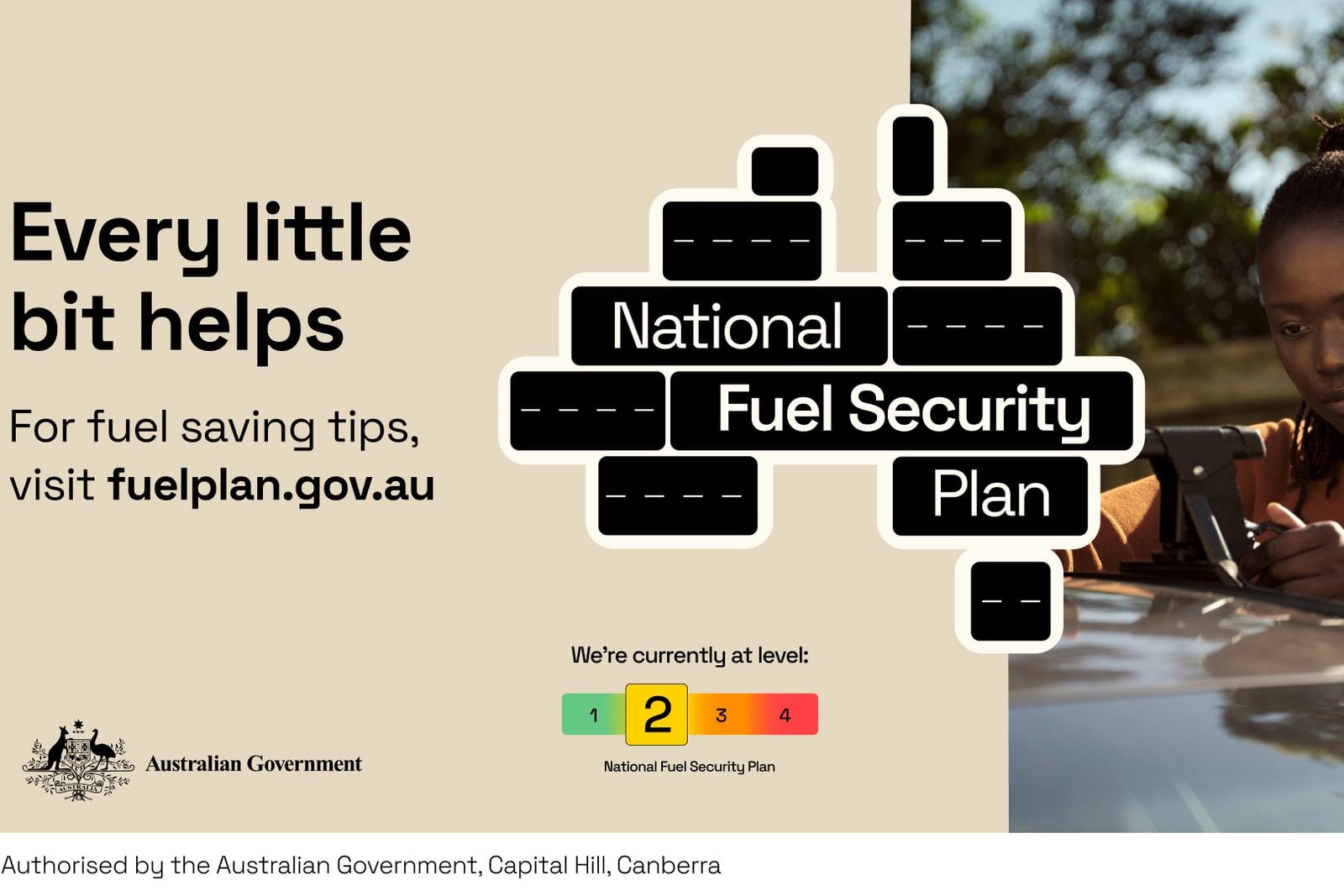
Dubbed ‘Every little bit helps’, the campaign will see ads appear on television, radio and on billboards and posters, reminding Australians that we’re currently at level two of the four-level National Fuel Security Plan.
Level two is referred to as “keeping Australia moving”, with level three requiring the government to “take targeted action” and level four – if we reach it – to see the government intervene to ensure critical fuel users are protected and to prevent major economic disruption.
CarExpert can save you thousands on a new car. Click here to get a great deal.
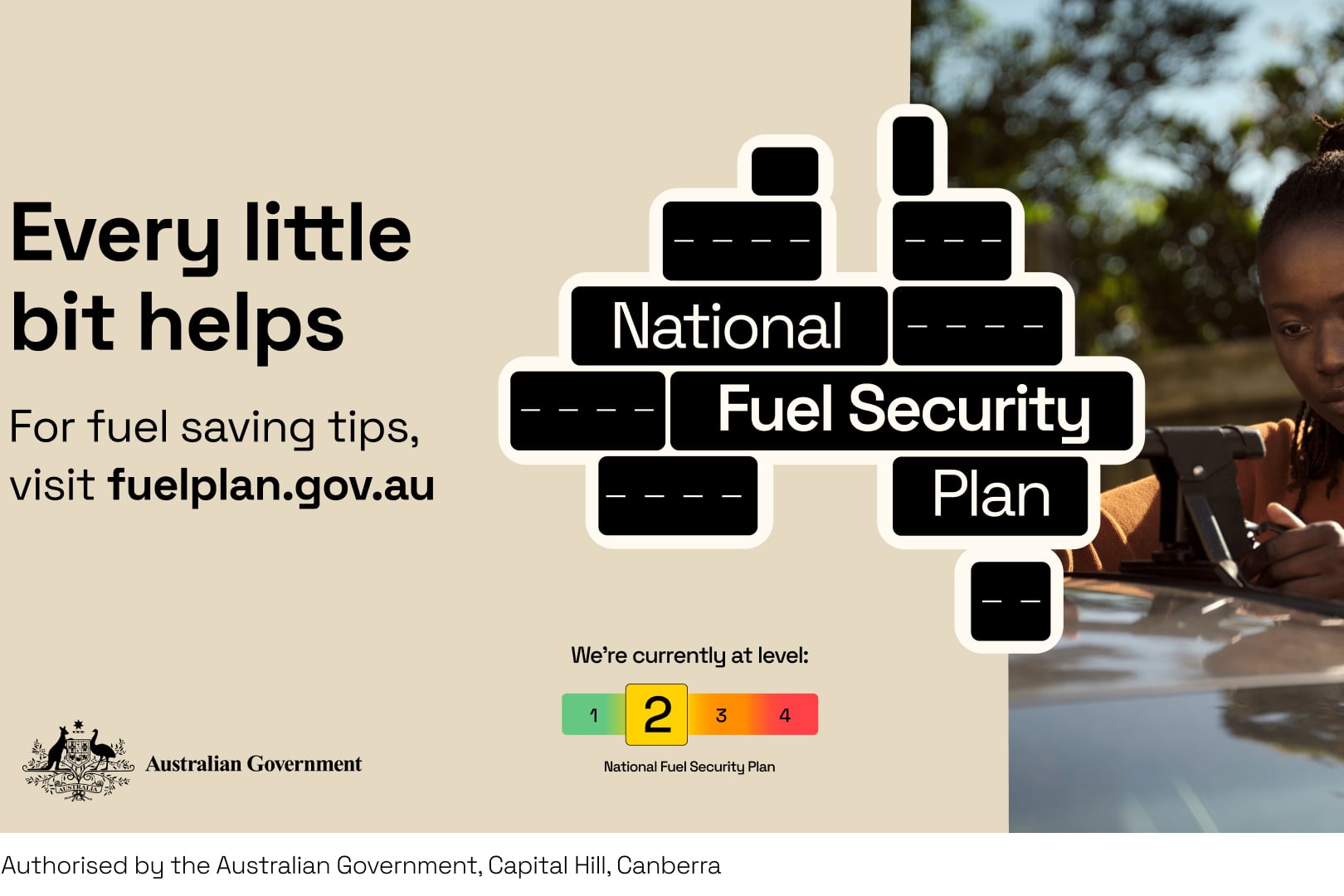
The federal government’s fuel conservation ad campaign is reported to cost $20 million, according to multiple media reports, and criticism from the opposition has seen ministers – including the Prime Minister – take to breakfast radio today to defend it.
The new campaign isn’t just to remind Australians that fuel is expensive and scarce, something you’d have to have been living under a rock to miss. The government has launched fuelplan.gov.au to provide drivers with fuel-saving tips, which include:
- Buying only the fuel you need
- Using air-conditioning and heating on low settings
- Driving with your windows closed
- Pumping up your tyres to the highest recommended pressure
- Removing unnecessary exterior parts like roof racks and spoilers to reduce drag
- Carrying less weight
- Minimising idling
The campaign has been attacked by the opposition, with shadow defence minister James Paterson telling Sky News Sunday Agenda: “Frankly, I don’t think Australians want to be lectured by taxpayer-funded political propaganda about driving less.”
“They want a government that does its job and makes sure that we are supplied with the refined fuel that we need … and an advertising campaign is not going to make that happen.”
As of Tuesday, April 7, 2026, the Australian Government had 38 days of petrol remaining based on the normal rate of consumption, as well as 31 days of diesel supply – up from 29 days and 26 days, respectively, in mid-March.
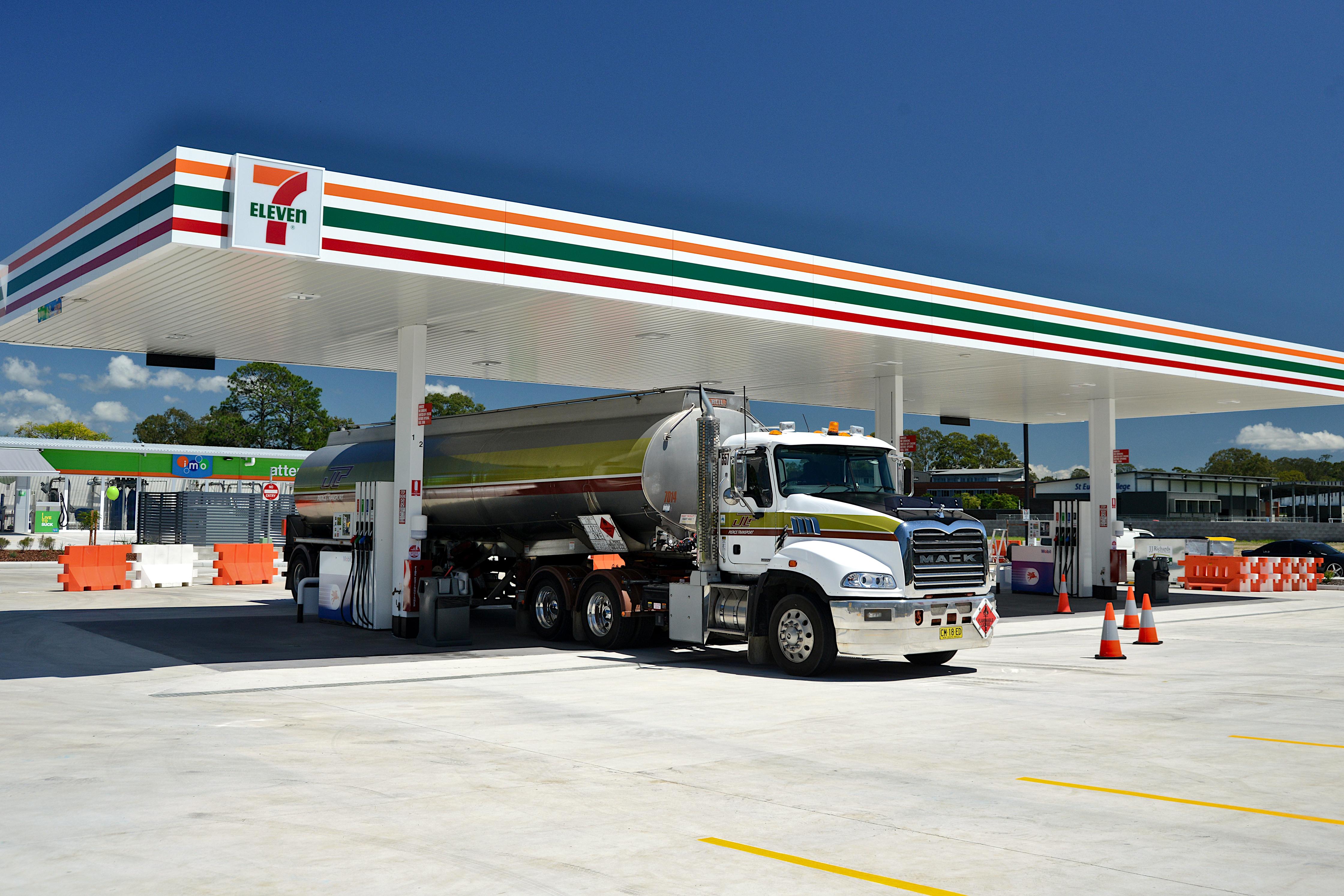
The Australian Government has already reduced the fuel excise for three months, starting from April 1, 2026, halving it from 52.6 cents per litre to 26.3cpl. This was quickly followed by state and territory governments across the country discounting fuel by 5.7cpl, funded by revenue raised from the goods and services tax.
These discounts will run until June 30, 2026.
The government has also temporarily amended Australia’s fuel quality standards to return to higher sulfur levels from March until May, allowing for around 100 million litres a month of new petrol supply, and lowered the flashpoint for diesel fuel to allow for more supply options.
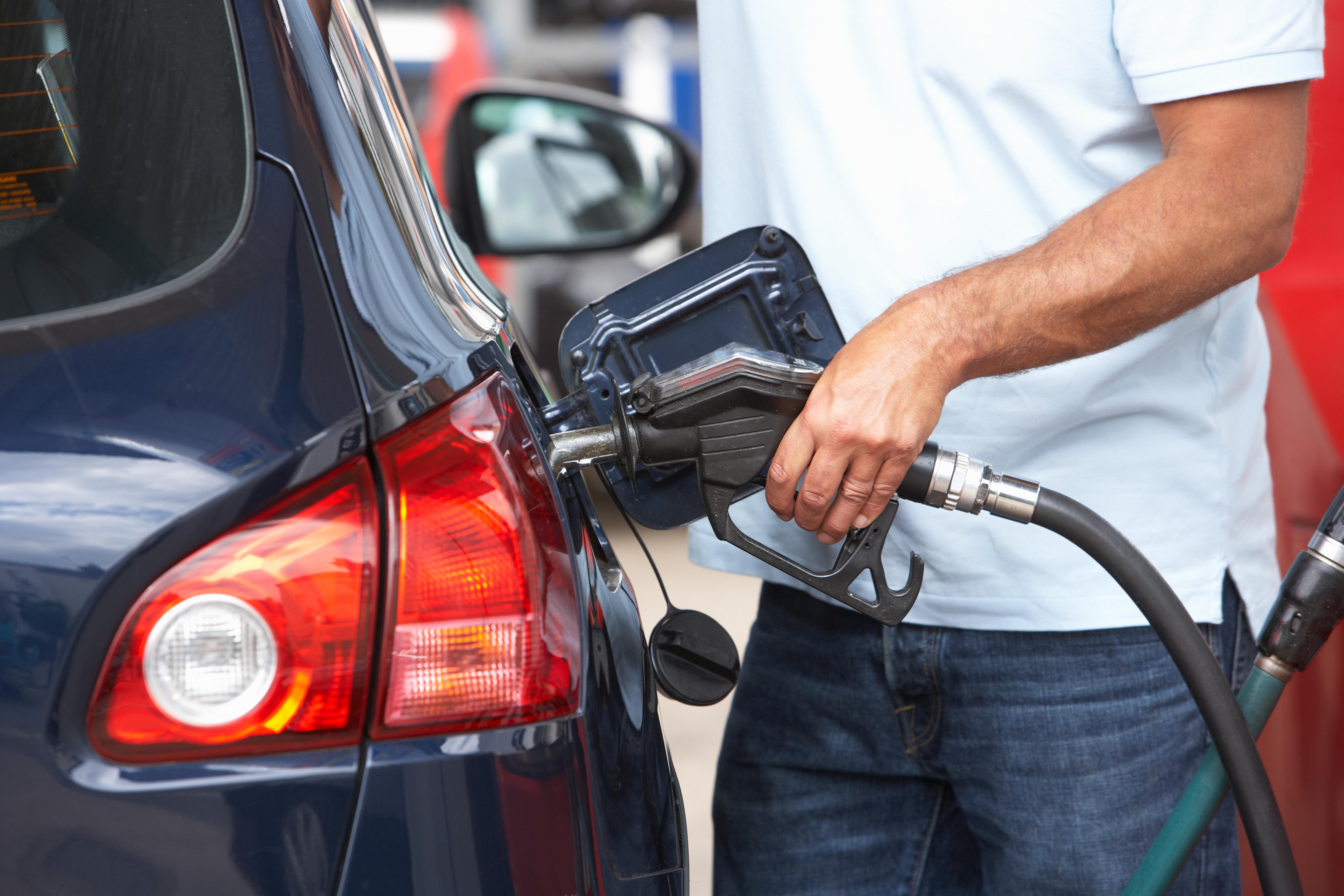
Other moves by the government include: a three-month removal of the heavy vehicle road user charge for vehicles with a gross vehicle mass (GVM) of over 4.5 tonnes; the underwriting of oil shipments; and the appointment of a Fuel Supply Taskforce Coordinator.
The government has ruled out fuel rationing for now, but provisions within the Liquid Fuel Emergency Act – updated in 2019 – outline a rationing mechanism that would limit motorists to a set dollar amount of fuel per transaction.
Prime Minister Anthony Albanese is flying to Brunei and Malaysia this week in a bid to shore up the supply of fuel and fertiliser into Australia.
MORE: Petrol prices fall as diesel rises despite excise cut
MORE: Fuel prices cut again in Australia after GST deal
MORE: The fuel excise has been cut, so why aren’t petrol and diesel prices cheaper?
MORE: Record fuel prices spark gouging probe as government threatens crackdown
MORE: Australia’s fuel rationing plan revealed: $40 fuel cap explained