













There’s always been something just slightly… restrained about Aston Martin.
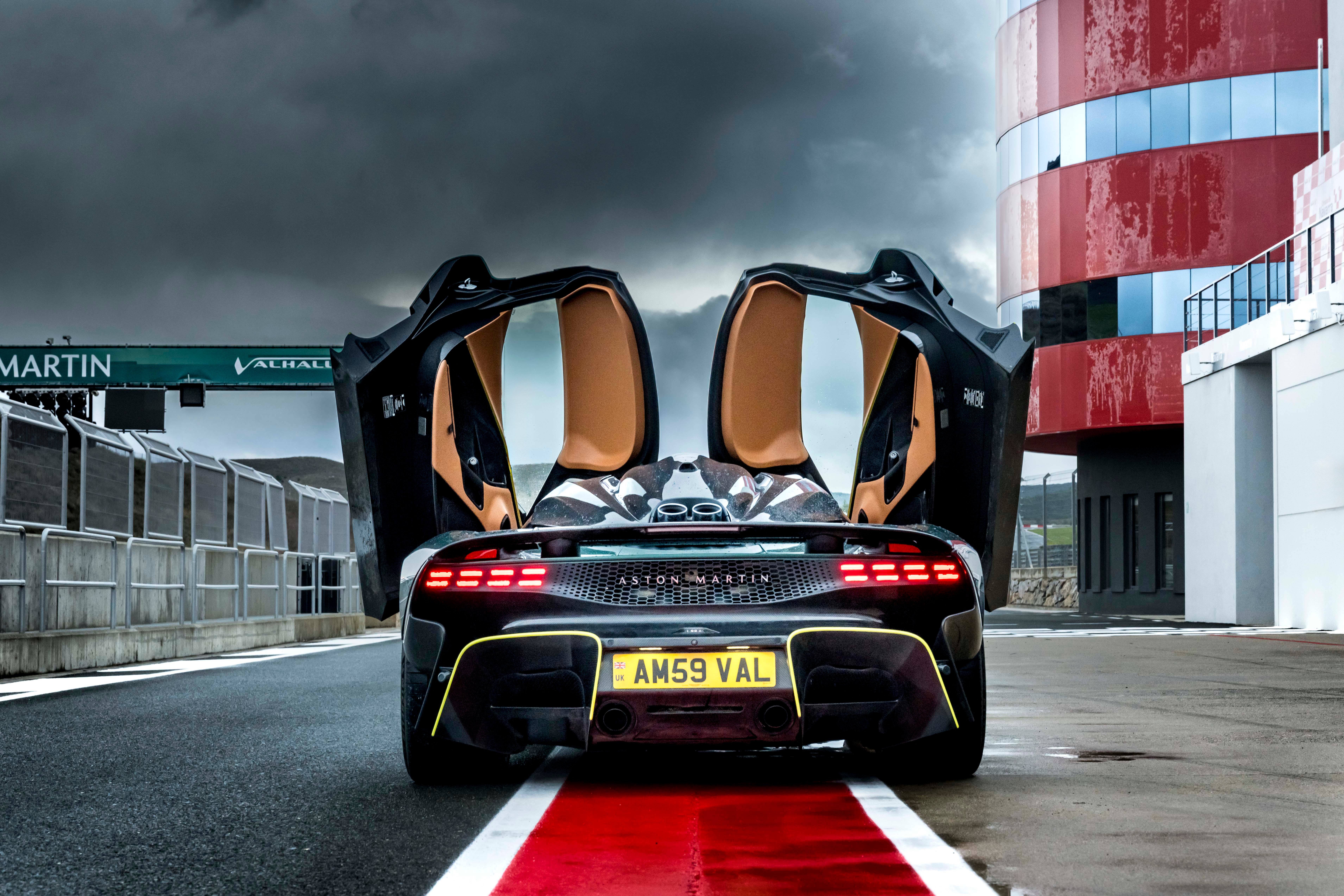
Beautiful? Always. Fast? Undoubtedly. But when it came to outright, mid-engined, take-no-prisoners supercars – the kind that go toe-to-toe with the very best from Maranello, Woking and Sant’Agata – Aston Martin has historically danced around the idea rather than diving headfirst into it.
To be fair, that’s not entirely correct. When the DB12 was launched in May 2023, with a drive program that kicked off on the tight and twisty roads around Monaco before opening up onto fast, flat-out expanses of pristine tarmac, it allowed the twin-turbocharged 4.0-litre V8 to unleash all of its 500kW and 800Nm – coupled with a sonorous sound that made you feel like James Bond himself, chasing the bad guys.
It delivered the Super Tourer performance of a proper 812 Superfast rival, capable of warp speeds while delivering pointy handling and great ride comfort to boot. The mechanical feedback was spot-on, and that inspired a great deal of confidence in almost any conditions.
The Aston Martin Valhalla, though, is something entirely different. A proper masterpiece of design, aerodynamics and the kind of hybrid engineering you’d expect from a fully-fledged Formula 1 operation.
So it doesn’t just join that elite club – it arrives properly swinging, and then some. It’s a proper mid-engined Aston – finally – so let’s not underestimate just how big a moment this is.
Originally due for launch five years ago, the Valhalla is Aston Martin’s first series-production mid-engined supercar, and that alone would be enough to grab attention. But it’s also the brand’s first plug-in hybrid, its first car with pure-electric driving capability, and one of the most technologically advanced machines ever to sport those celebrated wings.
In other words, this isn’t just another new model – it’s a complete reset of the brand in so many ways.
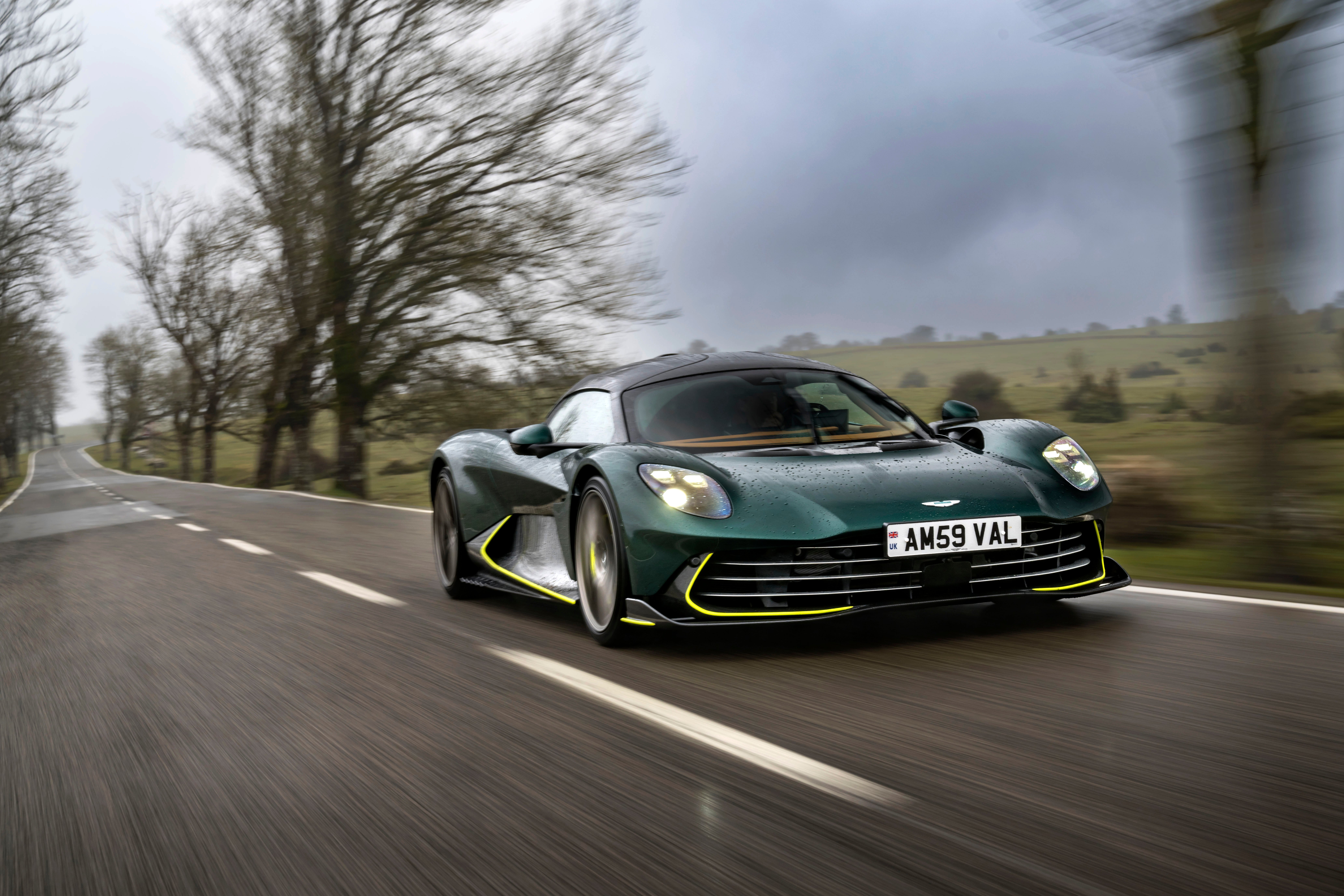
Potentially, it could also be the start of a whole new design direction for Aston. Visually, the Valhalla absolutely looks the part. In fact, it looks like nothing that has any place on a public road. And yet, in reality, nothing could be further from the truth. We’ll get to that eye-opening revelation soon enough.
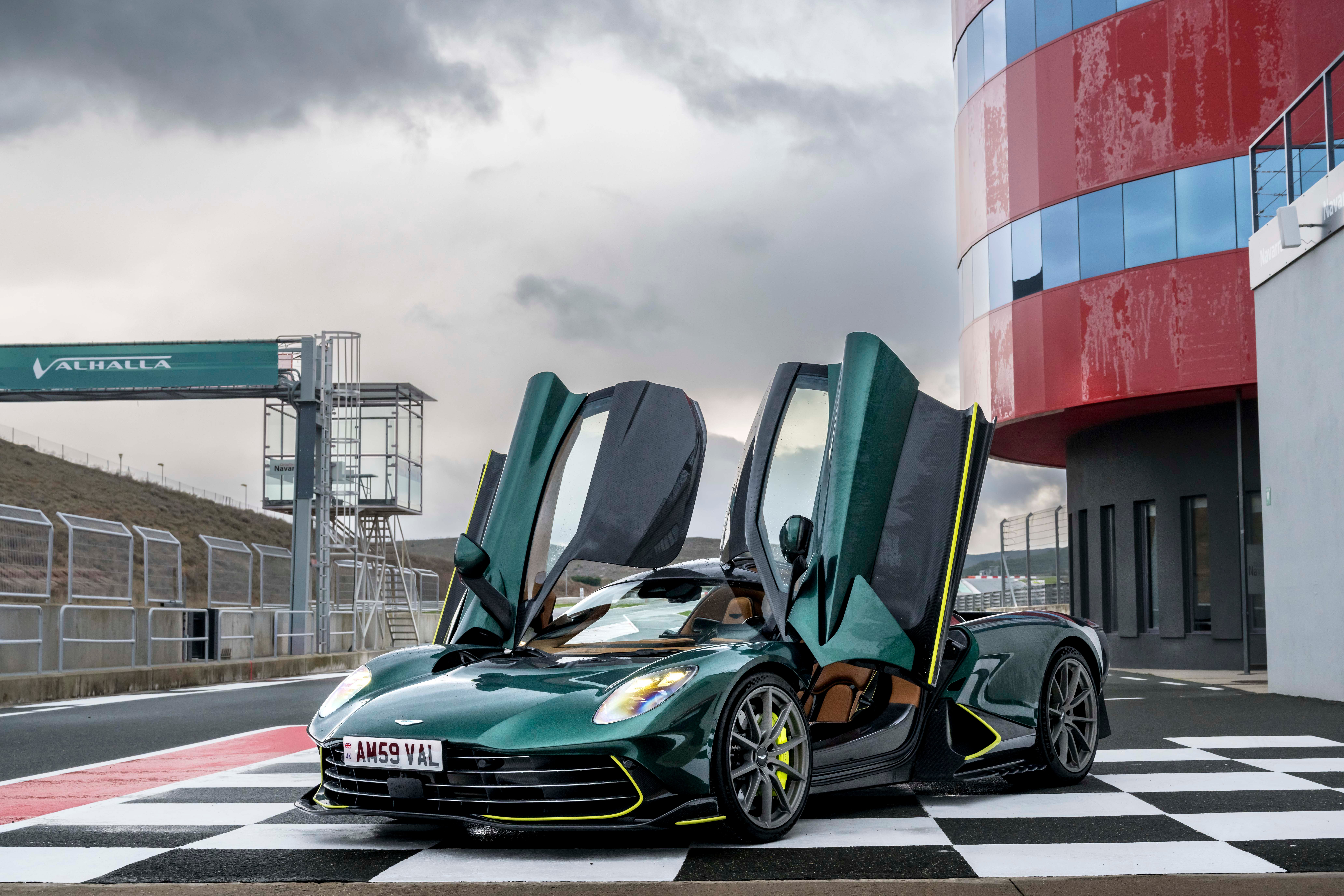
Low, wide, cab-forward, and dripping with aerodynamic intent from top to bottom and from front to back, the Valhalla carries forward lessons learned from the outrageous Aston Martin Valkyrie hypercar, but wraps them in something a little more usable, a little more resolved – and arguably, a little more beautiful.

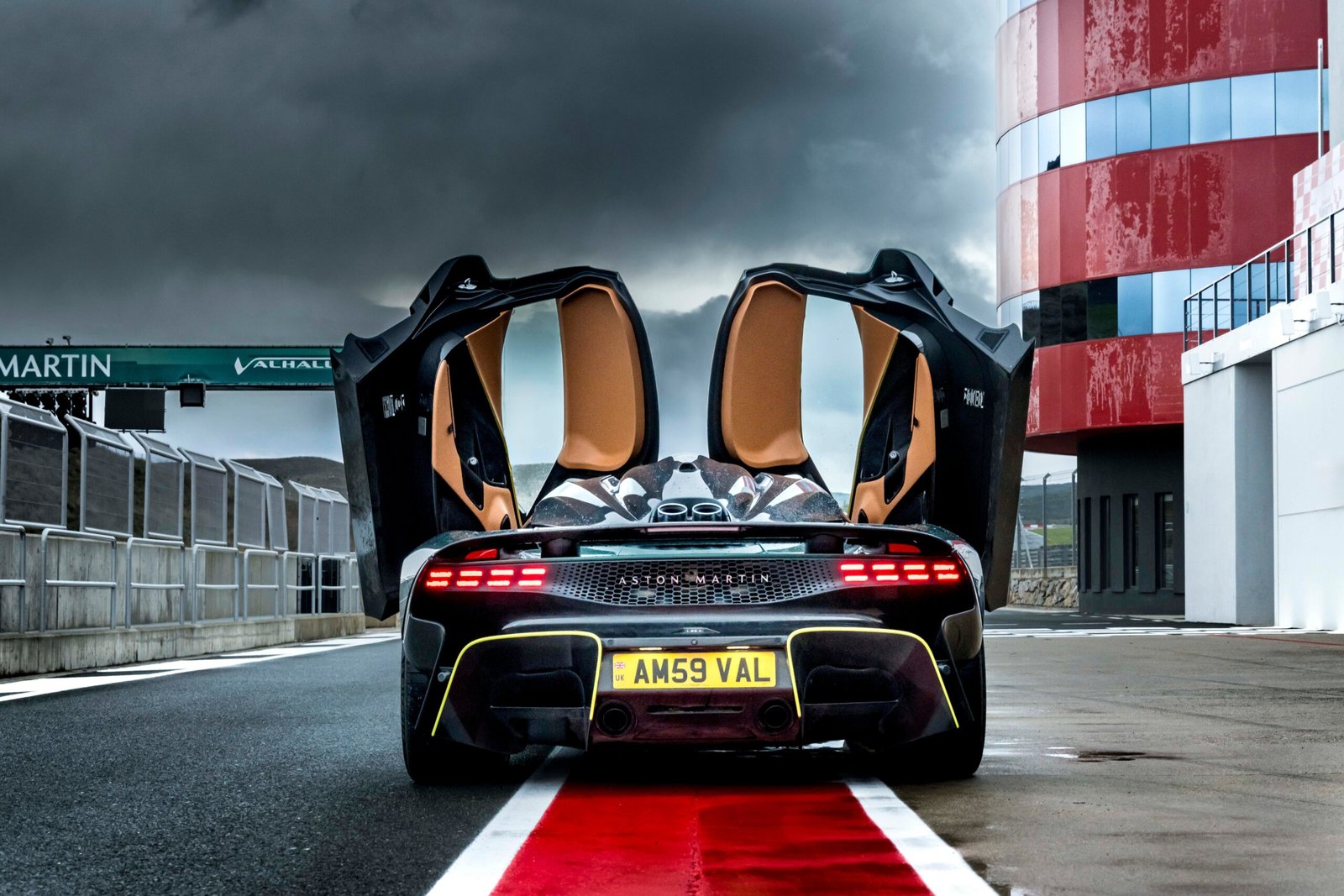
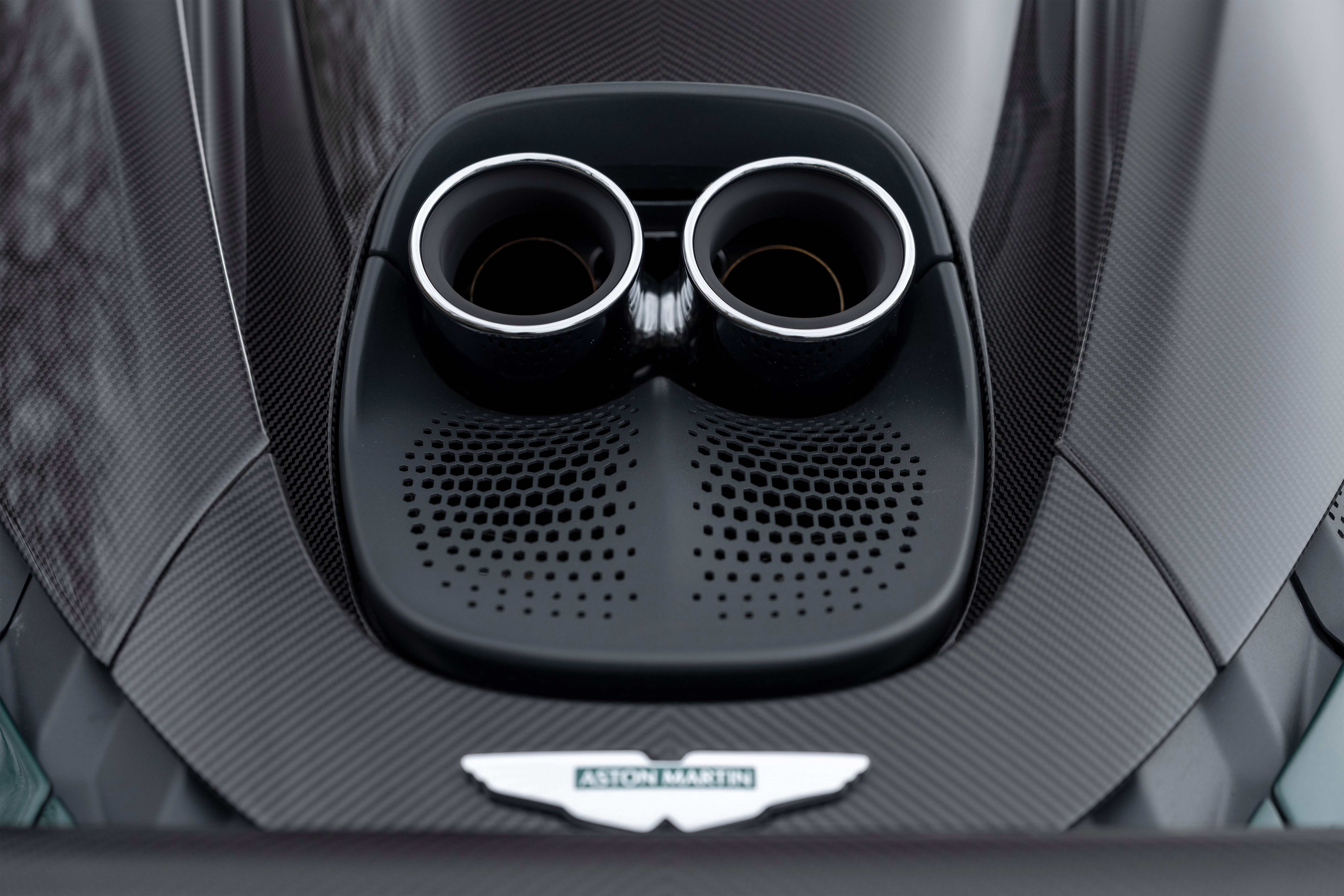
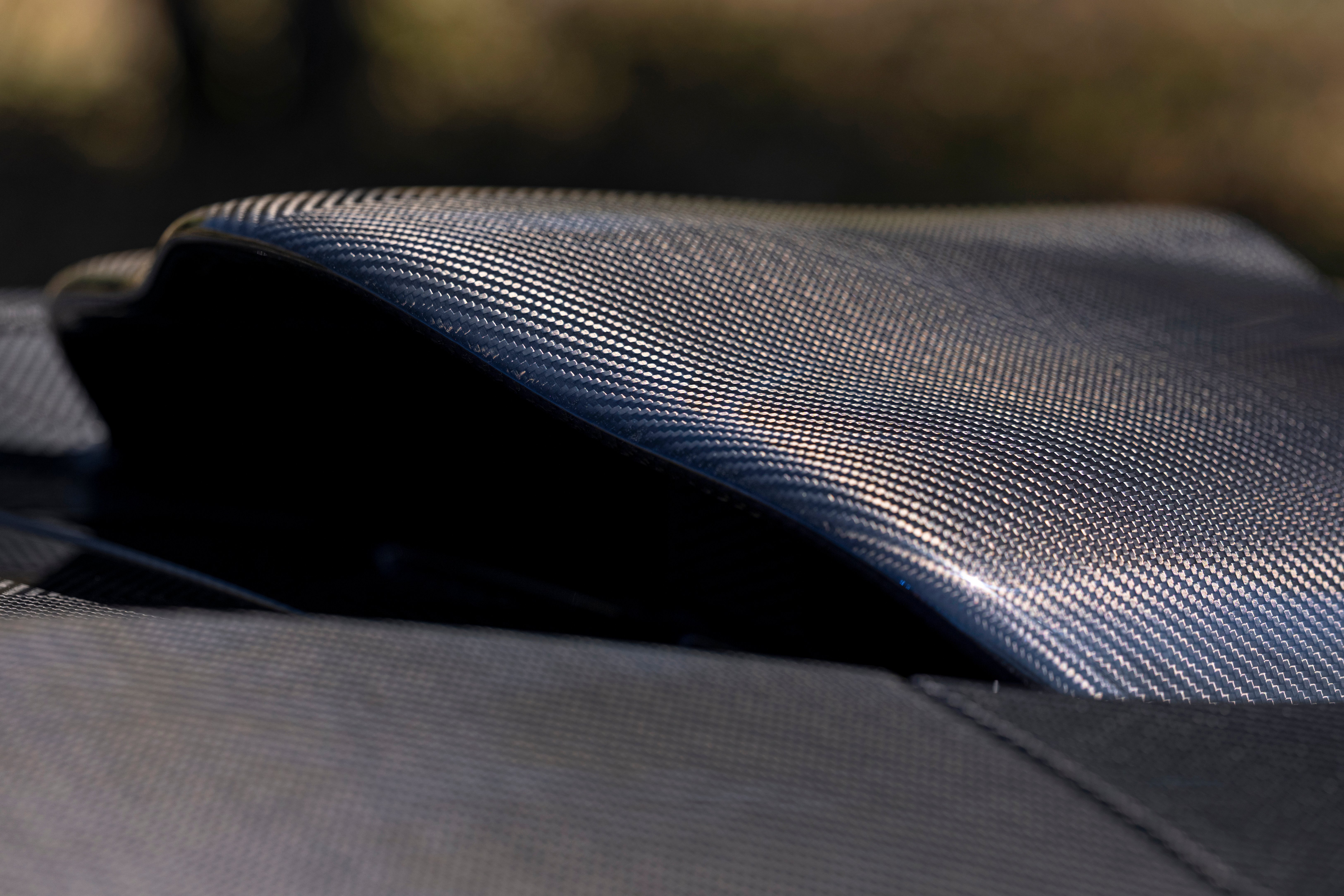
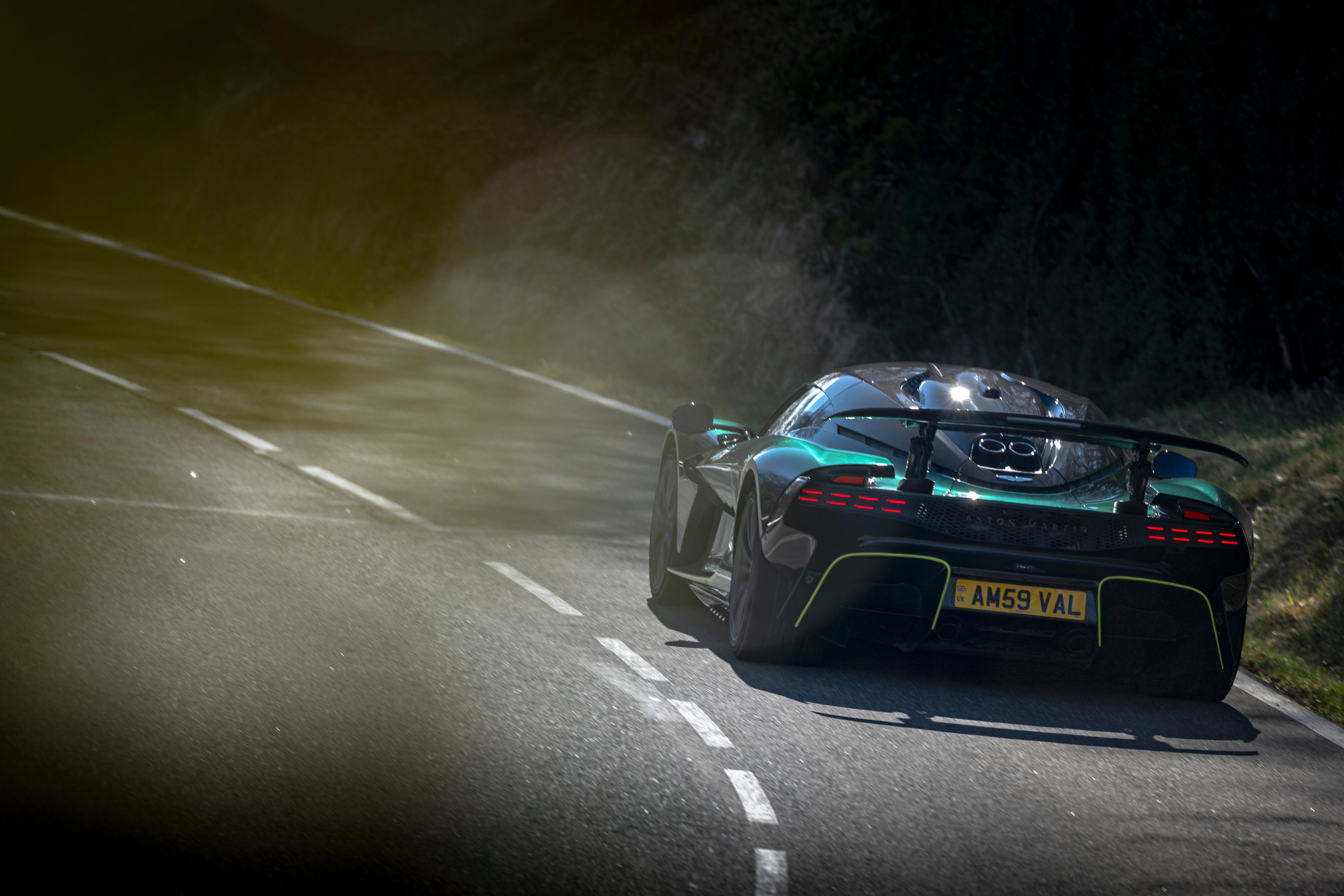
Those dramatic dihedral doors? Pure theatre. The roof snorkel? Straight out of F1. The rear? Dominated by massive venturi tunnels and a pair of top-exit exhausts that scream intent before the engine even fires.
It’s unmistakably Aston Martin – but it’s also something entirely new.
How much does the Aston Martin Valhalla cost?
Aston Martin will produce 999 examples of the Valhalla, in both left- and right-hand drive.
Aston Martin will produce 999 examples of the Valhalla, in both left- and right-hand drive. However, it’s not yet clear how many examples will be offered here.
What is the Aston Martin Valhalla like on the inside?
Step inside and it’s clear this isn’t your typical Aston Martin interior.
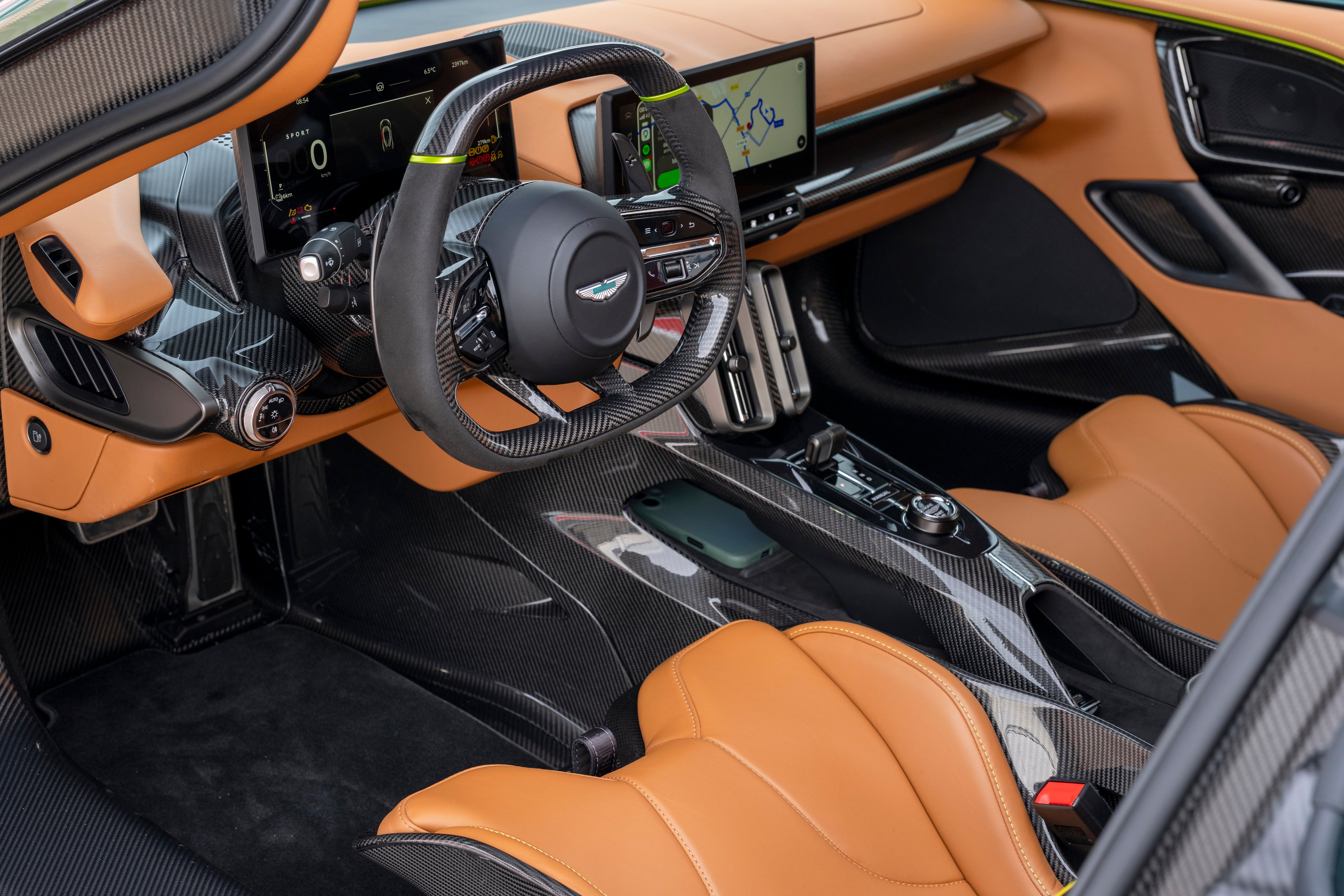
Yes, there’s still craftsmanship. Yes, there’s still luxury. But everything here is geared towards the driving experience.
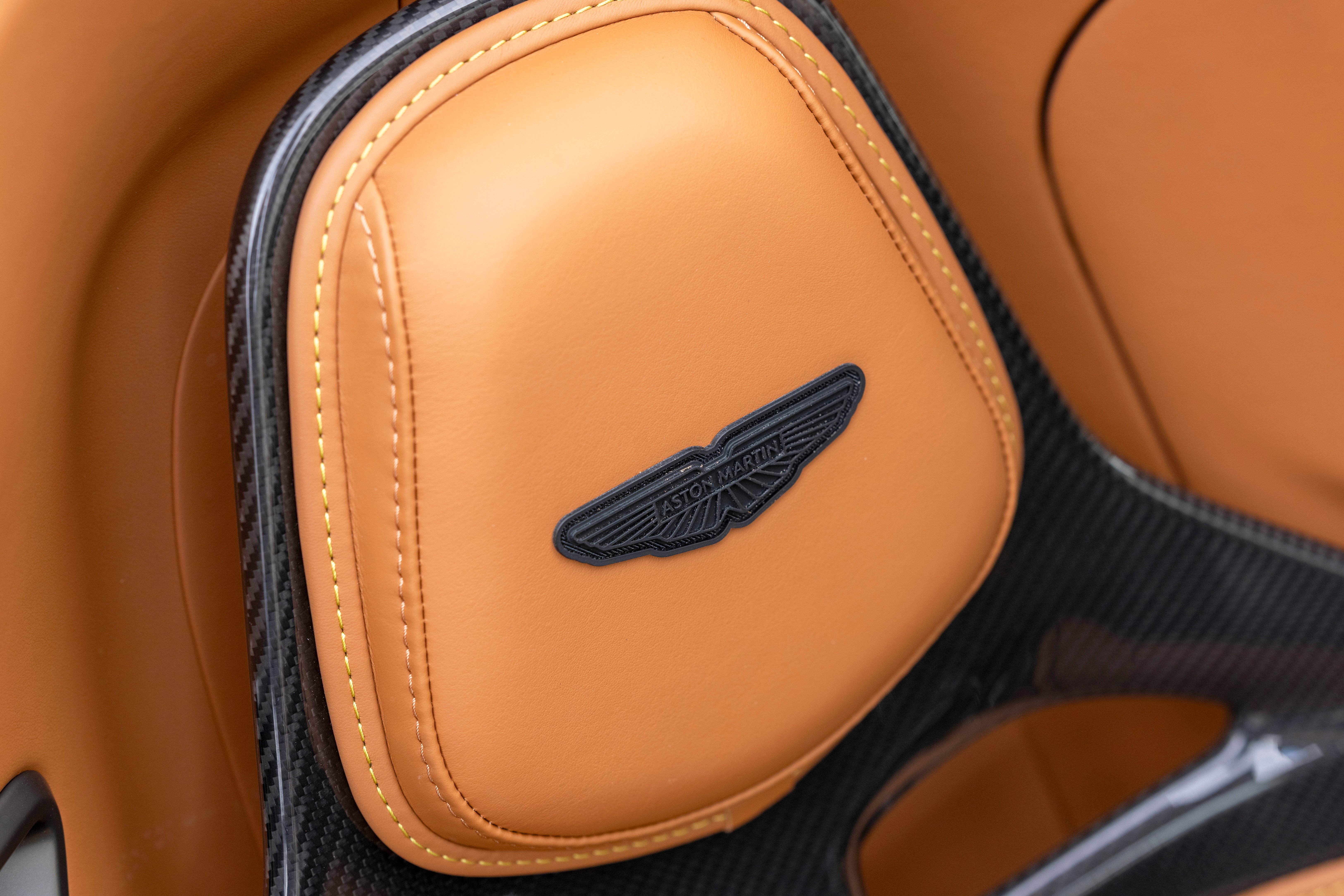
The stupendous carbon-fibre-shelled buckets upholstered in a mix of exquisite leather and Alcantara are refreshingly manually adjustable, and the seat levers are superbly crafted from lightweight metal, with just the right level of friction.
Attention to detail is next-level. You sit low – really low – with a raised footwell and a seating position that immediately makes you feel connected to the car. Actually, your bottom is below your feet and you simply fall into these seats.
Again, hearing that kind of detail in the briefing was slightly intimidating, but in reality the driving position feels entirely customised for you alone, and supremely comfortable with brilliant bolster pads trimmed in that same leather.
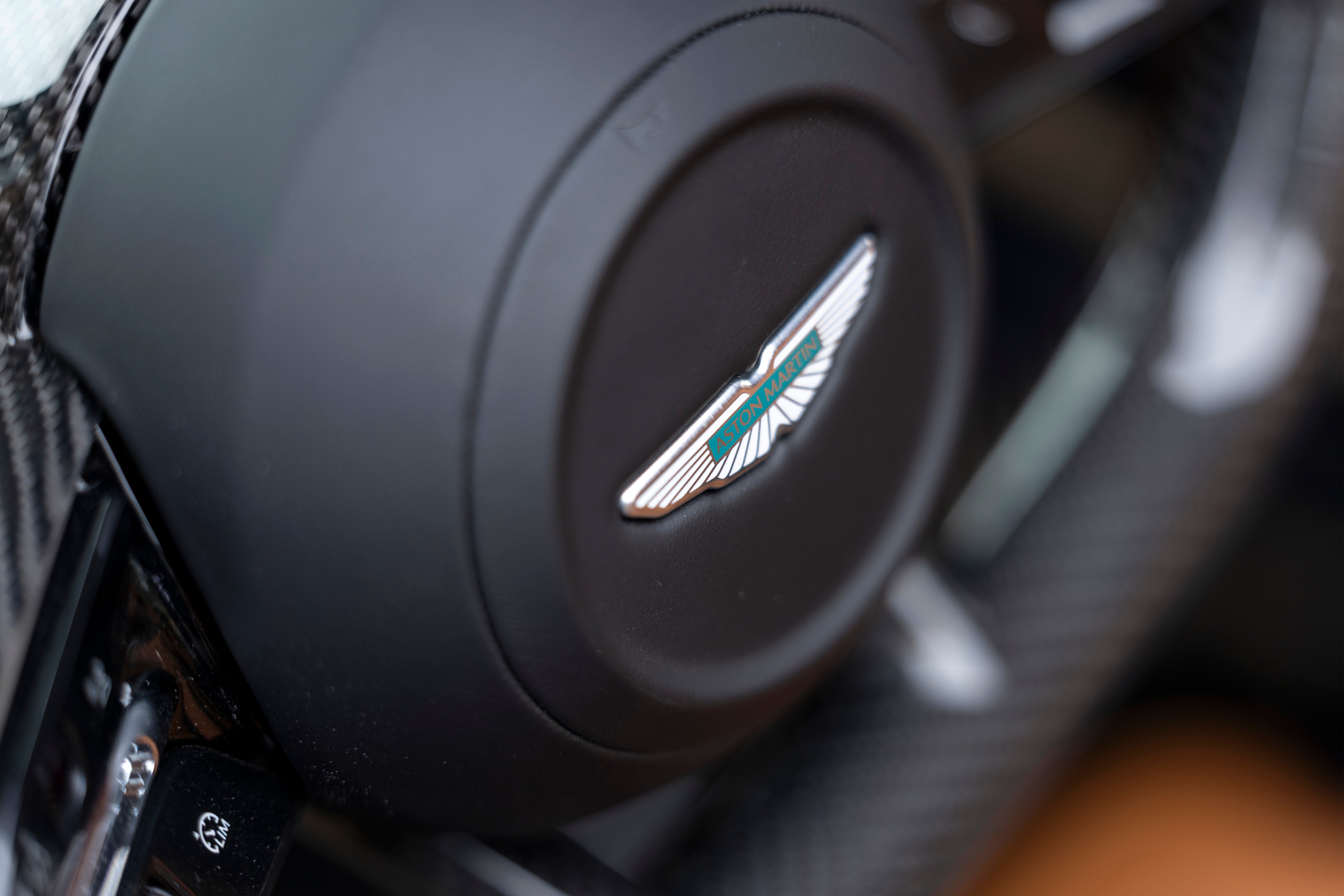
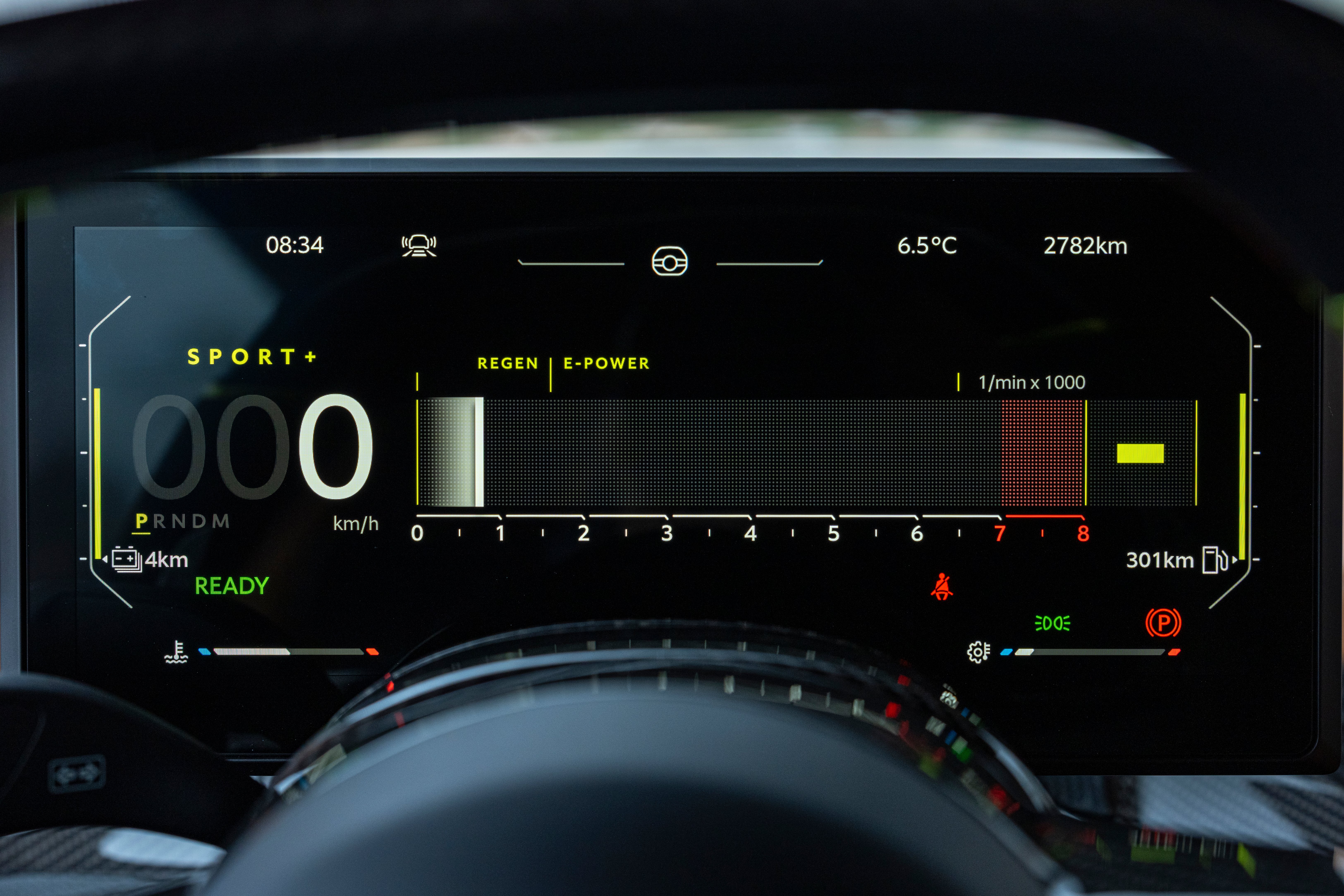
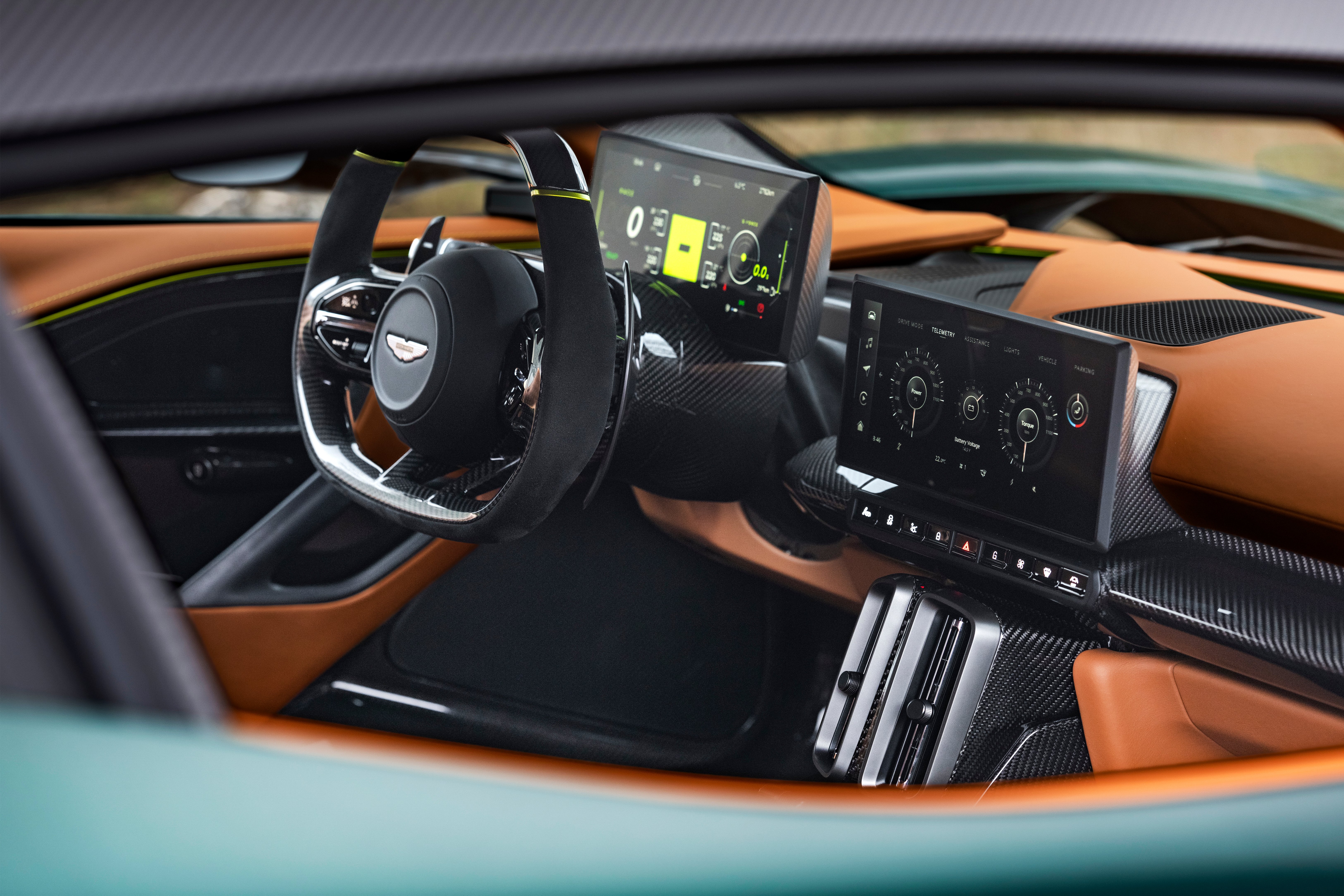
The steering wheel takes clear inspiration from F1 but, again, somehow feels customised for you alone. As a piece of design, it’s magnificent, like nothing I’ve seen before. In your hands on road and track, it feels more like a steering yoke – but filled in, of course.
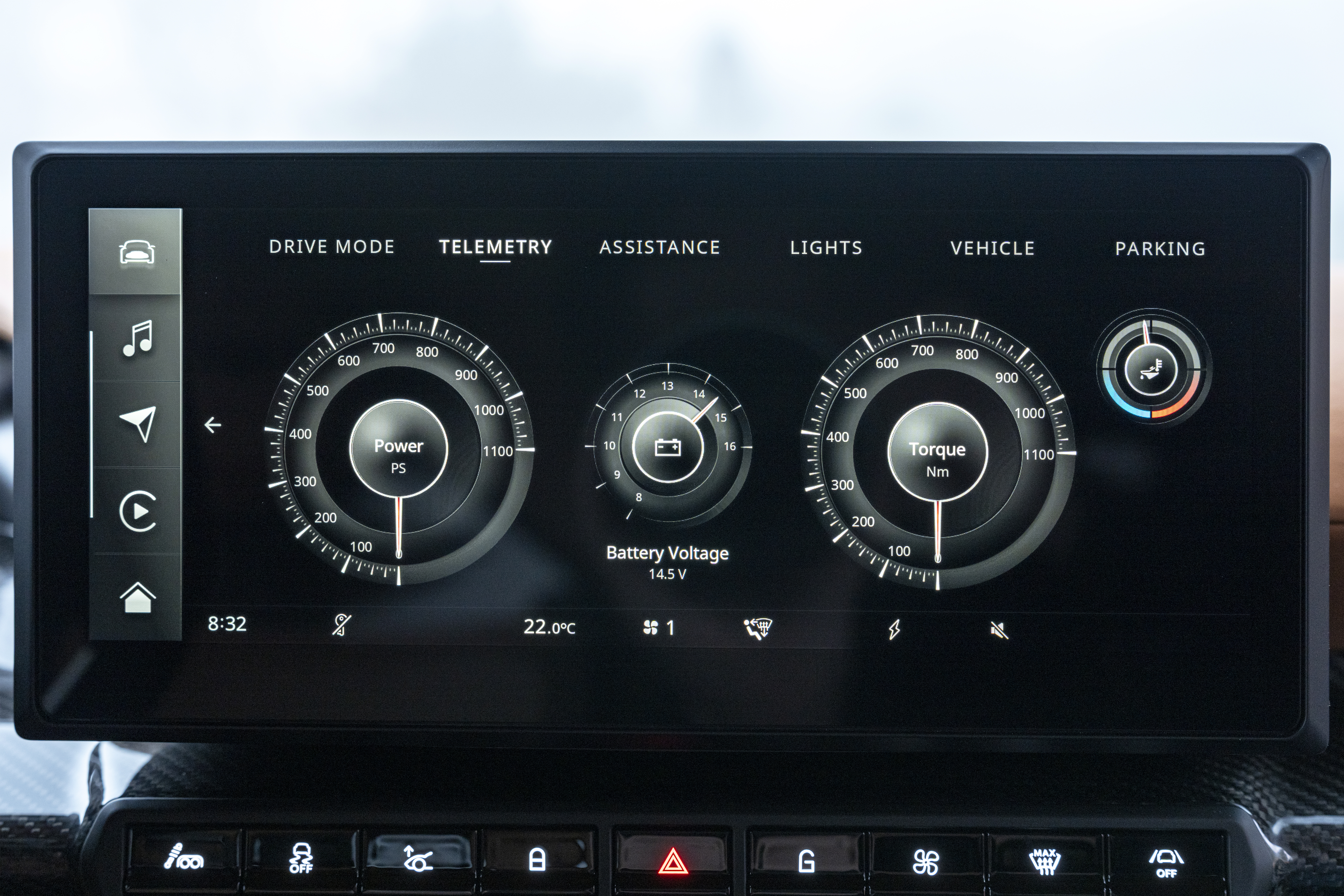
The digital displays focus on delivering only the information you actually need. That said, Apple CarPlay was a welcome inclusion on the road drive around Navarra, Spain.
There’s even a real-time visualisation of the hybrid system at work, showing energy flow, regeneration, and deployment. It’s high-tech, but it doesn’t feel gimmicky. It feels purposeful.
What’s under the bonnet?
The Valhalla was originally designed to pack a twin-turbocharged petrol V6, before it was swapped out for a V8 based on the Mercedes-Benz M178 engine.
|
Specifications |
Aston Martin Valhalla |
|---|---|
|
Engine |
4.0L V8 twin-turbo petrol |
|
Engine outputs |
609kW |
|
Electric motor outputs |
150kW |
|
System outputs |
793kW/1100Nm |
|
Battery |
6.1kWh lithium-ion |
|
Transmission |
8-speed dual-clutch |
|
Drive type |
AWD |
|
Weight |
1655kg |
|
0-100km/h (claimed) |
2.5s |
|
Fuel economy (claimed) |
TBC |
|
Fuel economy (as tested) |
– |
|
Electric driving range (PHEV) |
14km at speeds up to 140km/h |
The result is a completely bespoke 4.0-litre twin-turbo flat-plane crank petrol V8, paired with three electric motors for all-wheel drive traction.
Combined outputs are a staggering 793kW of power and 1100Nm of torque. Let that sink in for a moment. This isn’t just competitive with other supercars – it’s genuine hypercar territory.
The V8 alone produces 609kW, making it the most powerful V8 that Aston Martin has ever built. It’s dry-sumped to handle lubrication at high cornering speeds, and has a flat-plane crank to deliver sharper response and a more aggressive character than the cross-plane units found in cars like the Vantage or DB12.
Then the electric motors step in. Two sit on the front axle, enabling full torque vectoring and electric-only driving. The third is integrated into the transmission, assisting with torque fill, energy recovery, and smoothing out power delivery.
The result is a claimed 0-100km/h time of just 2.5 seconds, and a ballistic top speed of 350km/h. But more importantly, it’s how that performance is delivered that makes this car so brilliantly approachable, both on the road and track. And equally at home in both disciplines.
A lot of performance hybrids can feel a bit conflicted. Fast, yes – but sometimes lacking the emotional connection you expect from a car at this level. The Valhalla feels like Aston Martin has gone out of its way to avoid that.
The hybrid system isn’t just there for efficiency – it’s there to enhance performance in every possible way. Torque fill eliminates turbo lag. E-boost amplifies acceleration. Load shifting ensures the battery is always ready to deliver when you need it.
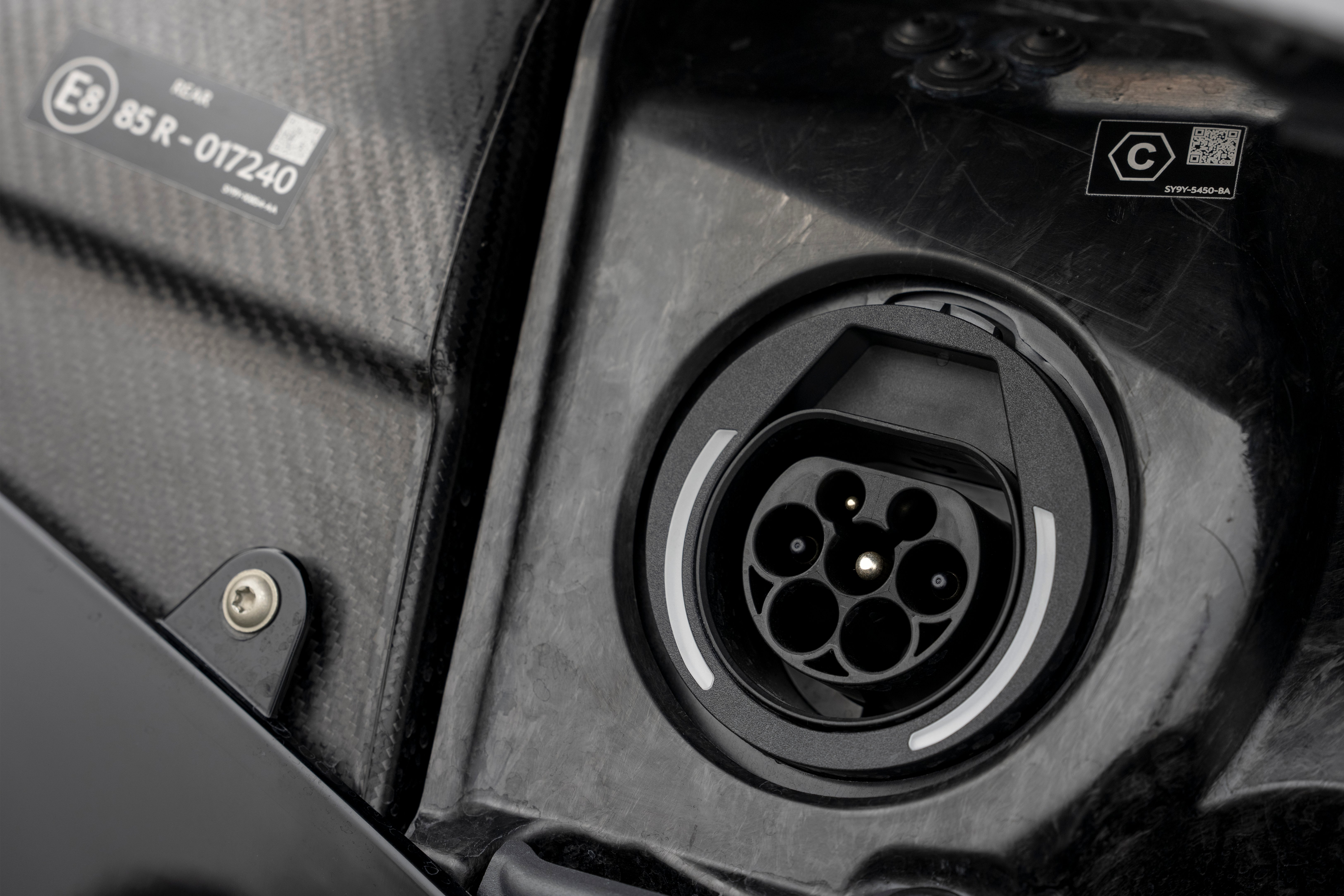
And then there’s the EV mode, which allows up to 14km of electric-only driving at speeds of up to 140km/h – not because you’ll use it often, but because it adds another layer to the car’s versatility.
This is hybrid tech used as a performance tool, not a compromise, but here’s where it gets really interesting. There’s no physical connection between the front and rear axles, so you’d be forgiven for thinking negative thoughts about feedback, steering feel, and even turn-in performance.
Instead, the Valhalla uses a sophisticated system of electronics – Aston’s Integrated Vehicle Dynamics Control – to constantly manage torque distribution across all four wheels.
And what a system it is. The front axle motors independently control each wheel, delivering torque vectoring with incredible precision. At the rear, an electronic differential works in tandem with the V8 and transmission.
The result is a car that can actively reshape how it behaves in real time. Want to turn-in more sharply? Done. More stability under power? Done. Better traction in low grip? Also done. It’s not just fast – it’s intelligent, in the best possible way.
How does the Aston Martin Valhalla drive?
Our first taste of the Valhalla came with an hour-long road drive that included a mix of tight but flowing B-roads separated by fast, straight sections with a few bumps along the way.
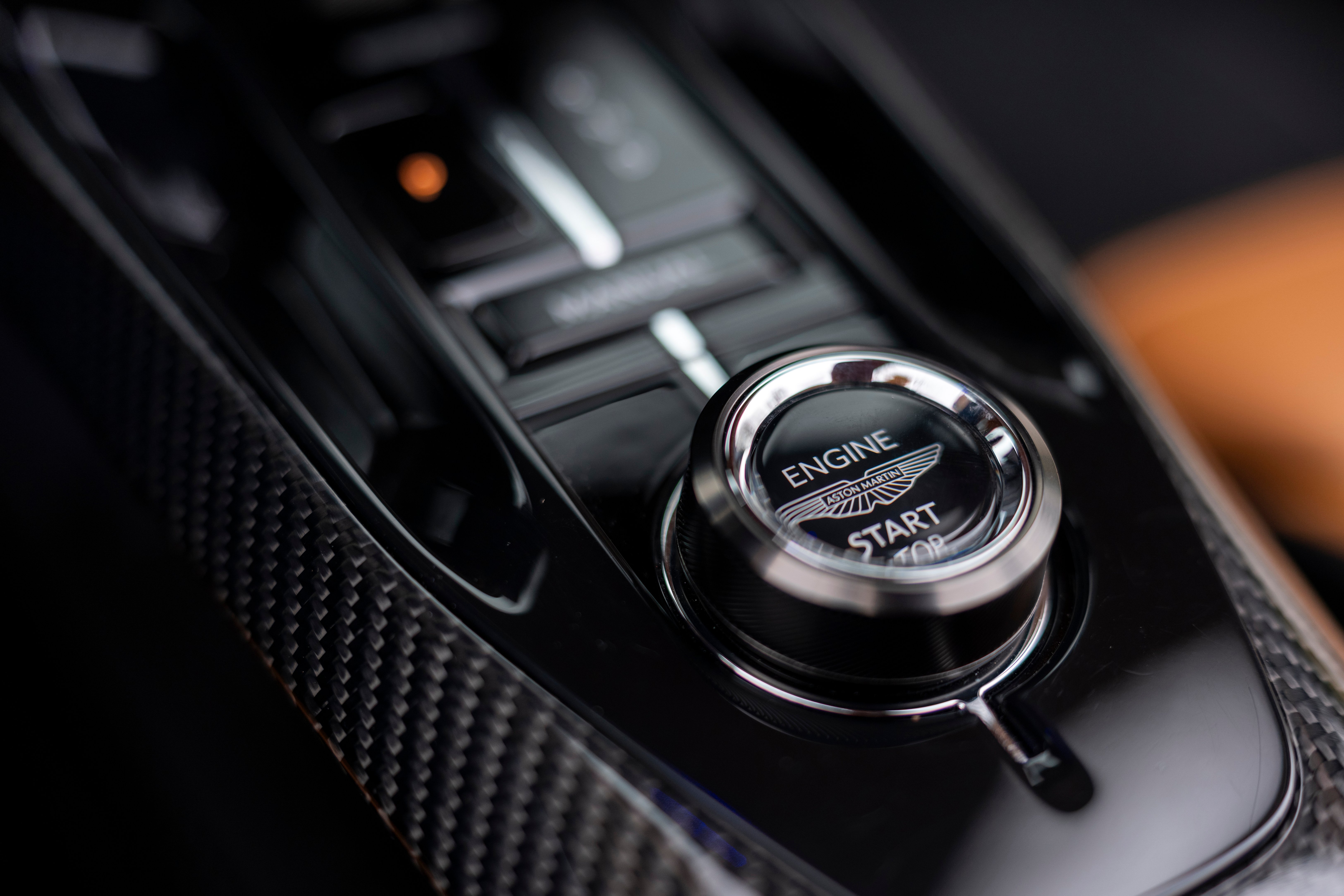
There are flat-plane crank V8s that don’t sound all that intoxicating, but Valhalla’s isn’t one of them. To me it sounds like an LMP racer, but even at low speeds on the road you can feel the ferocity of this engine lurking in the background.
Valhalla offers four drive modes – EV, Sport, Sport+, and Race. Each one fundamentally changes the car’s character.
In EV, it’s silent, calm, and almost civilised. But after a relatively brief stint behind the wheel, we soon scrolled through to Sport, principally to hear the engine note from the top-mounted exhaust outlets.
It sounds great even at 60-80km/h and everything kicks up a notch when the V8 comes alive, blending seamlessly with the electric motors.
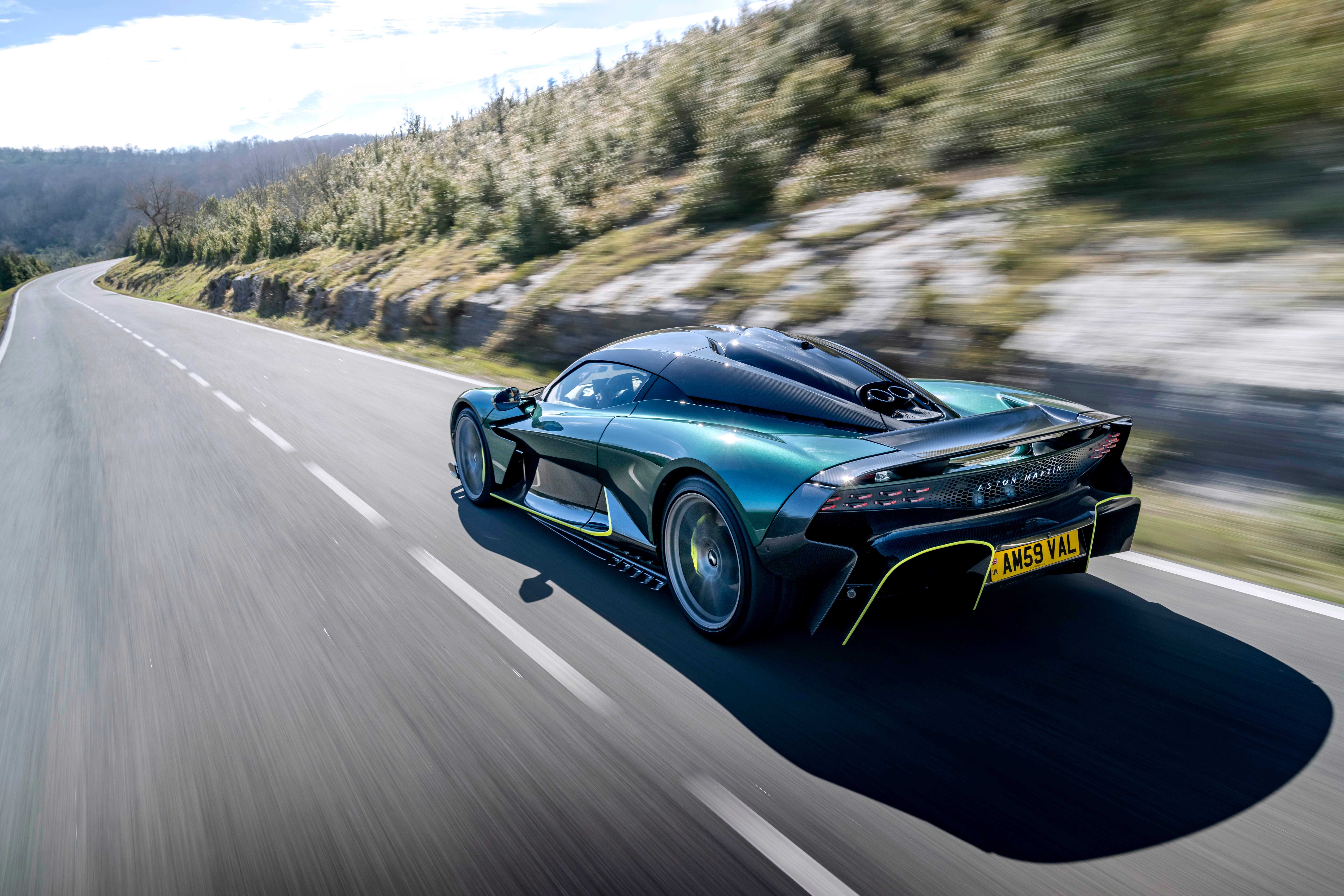
Oddly enough, it wasn’t necessarily the engine that wowed me initially – it was the sheer ease of driving the car around lower-speed bends that surprised me most. To me, that’s a massive achievement for a car capable of such extreme performance and speed.
Likewise, the ride comfort is surprisingly good. Valhalla’s sophisticated race-derived front suspension seems to deal with bumps and broken roads better than most high-performance sports cars. Another big win.
The steering seems beautifully weighted at any speed too, getting heavier as the velocity and steering inputs gain more intensity.
There’s no powertrain lag, not even a millisecond. Apparently, the shortest meaningful measurement of time in modern physics is Planck time. It’s 5.39 x 10-44, which describes Valhalla’s instant throttle response perfectly. And that’s from anywhere in the rev range.
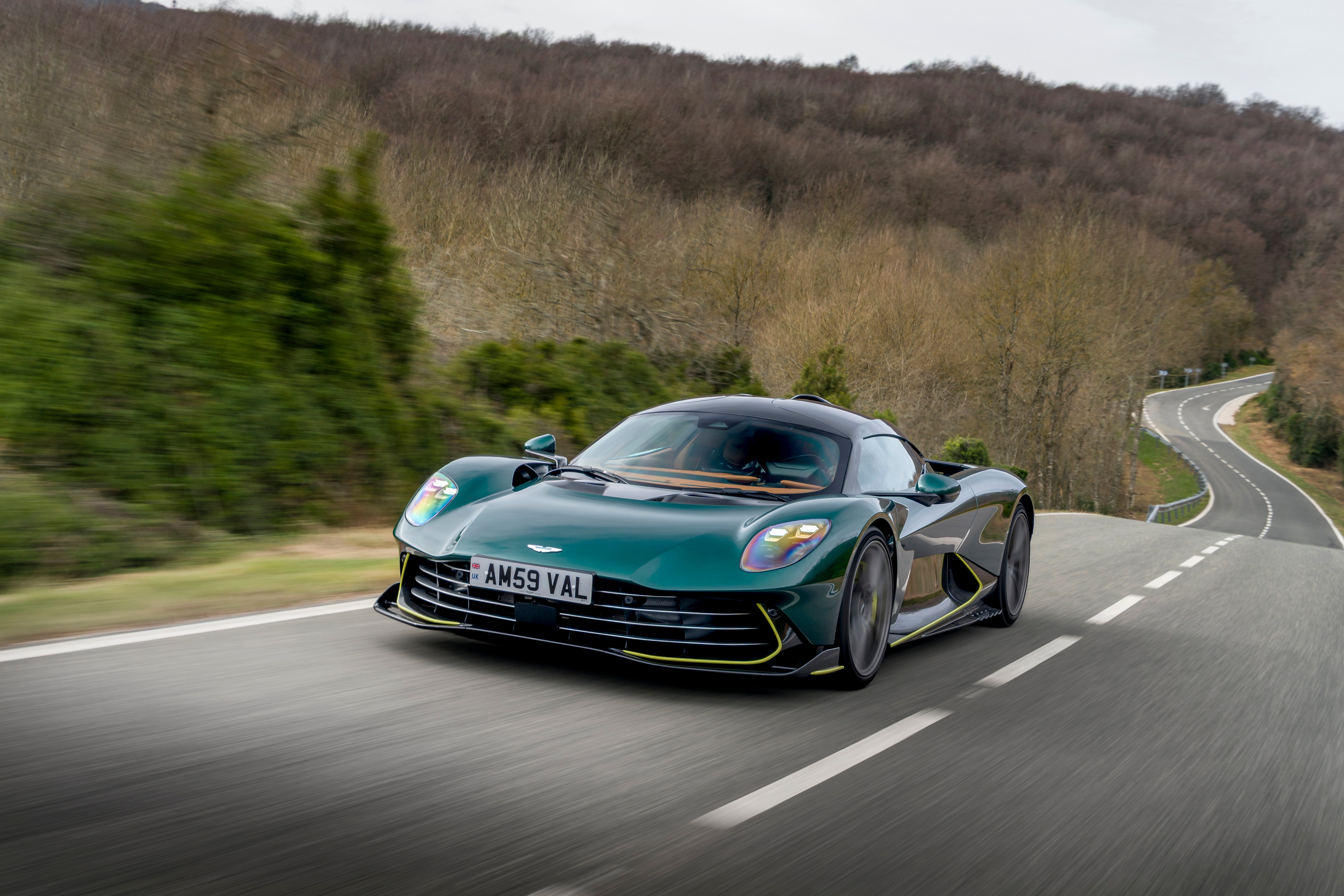
As the B-roads opened up I gave it a dab of full throttle. Ferocious and blindingly fast – running-out-of-road fast – is the best way to describe it.
Overtaking (anyone, anything, any time) is like engaging warp speed on the Starship Enterprise. You can’t hold your foot into it for long, except on track, because the velocity increases so quickly.
But the sheer pleasure of blasting across the Spanish countryside with as much pace as a Le Mans racer, and more grip than a family of geckos, was astonishingly satisfying.
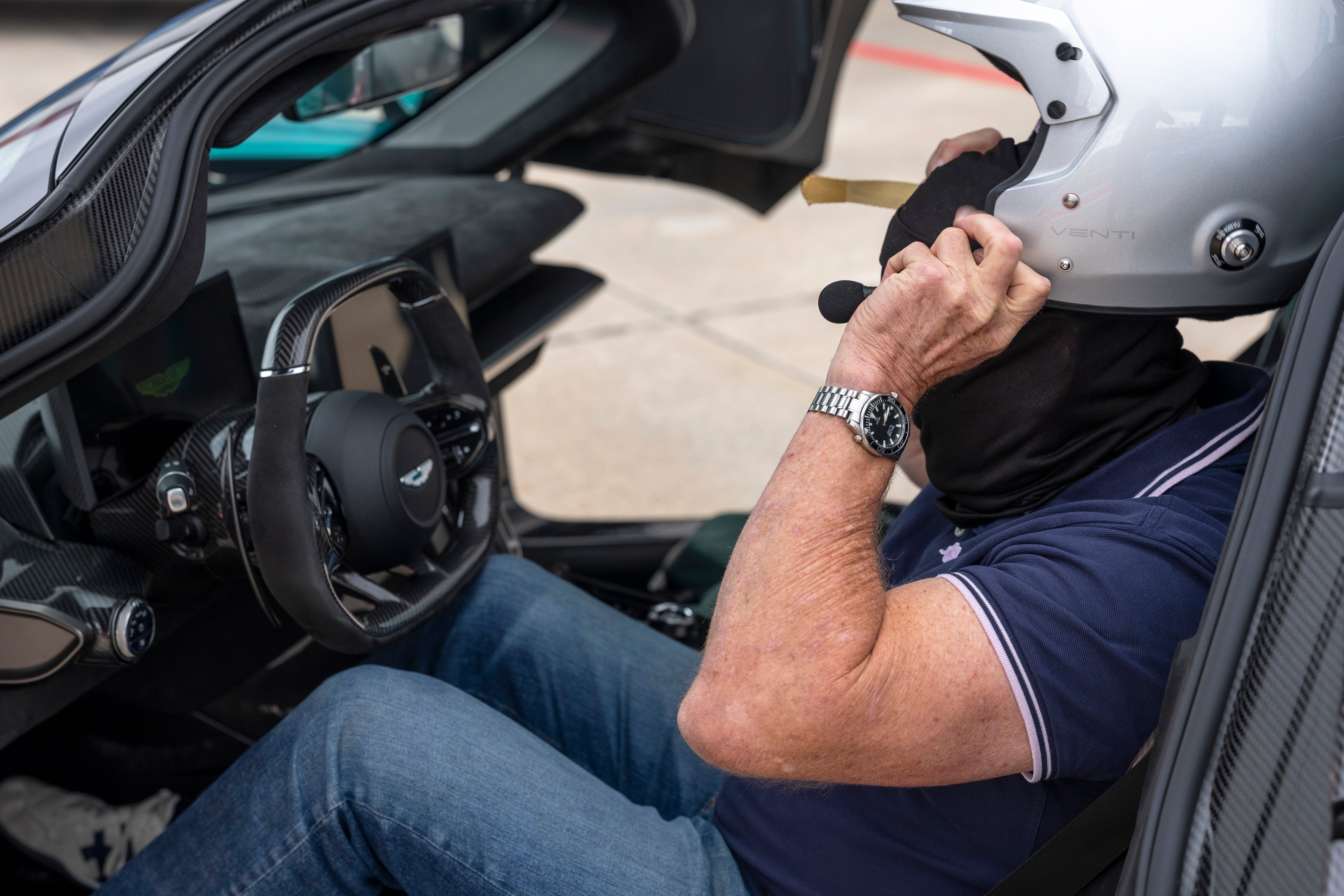
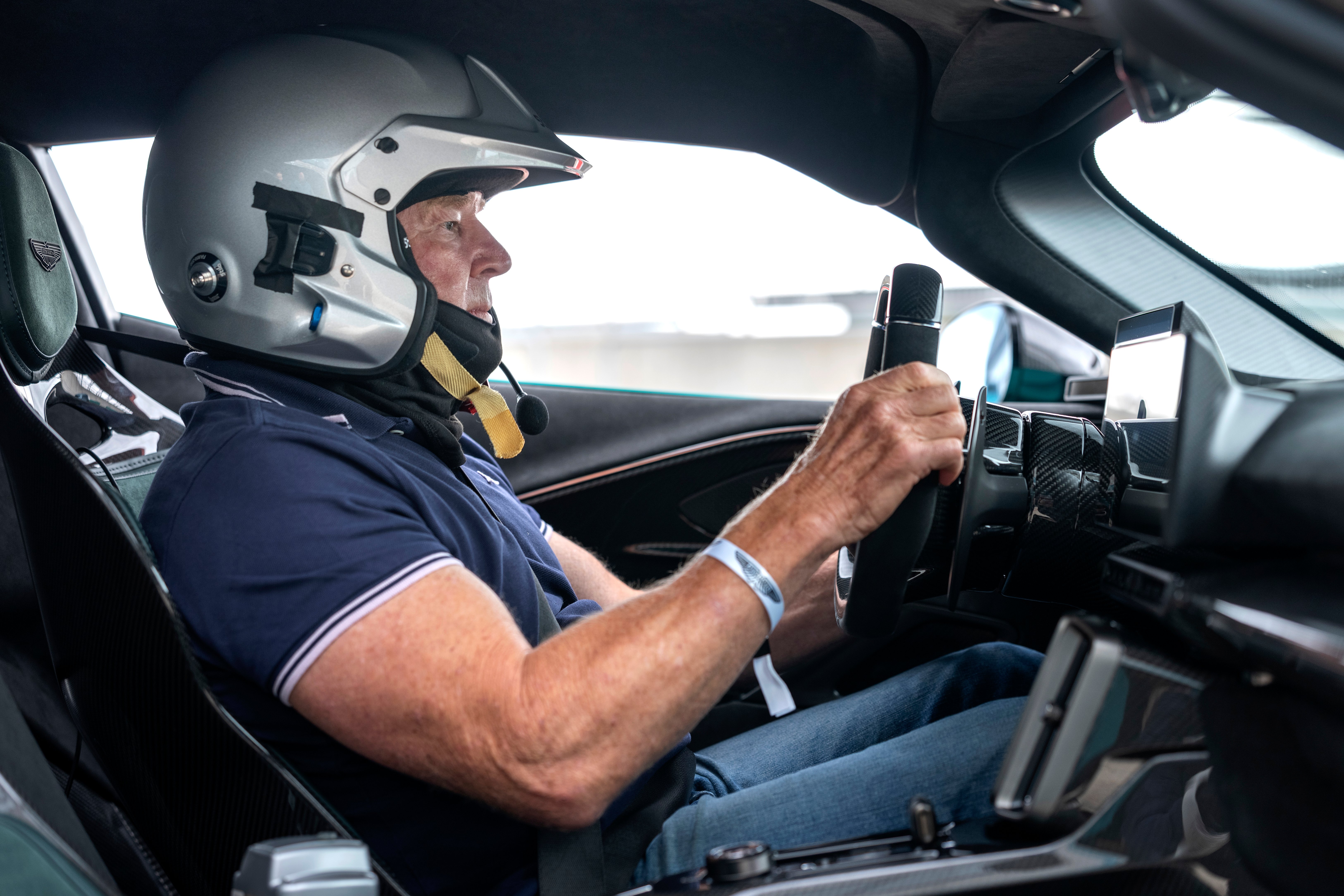
Nevertheless, it wasn’t long before we donned the regulation Stilo open-face lid and dialled up Race Mode – in which everything goes to 11.
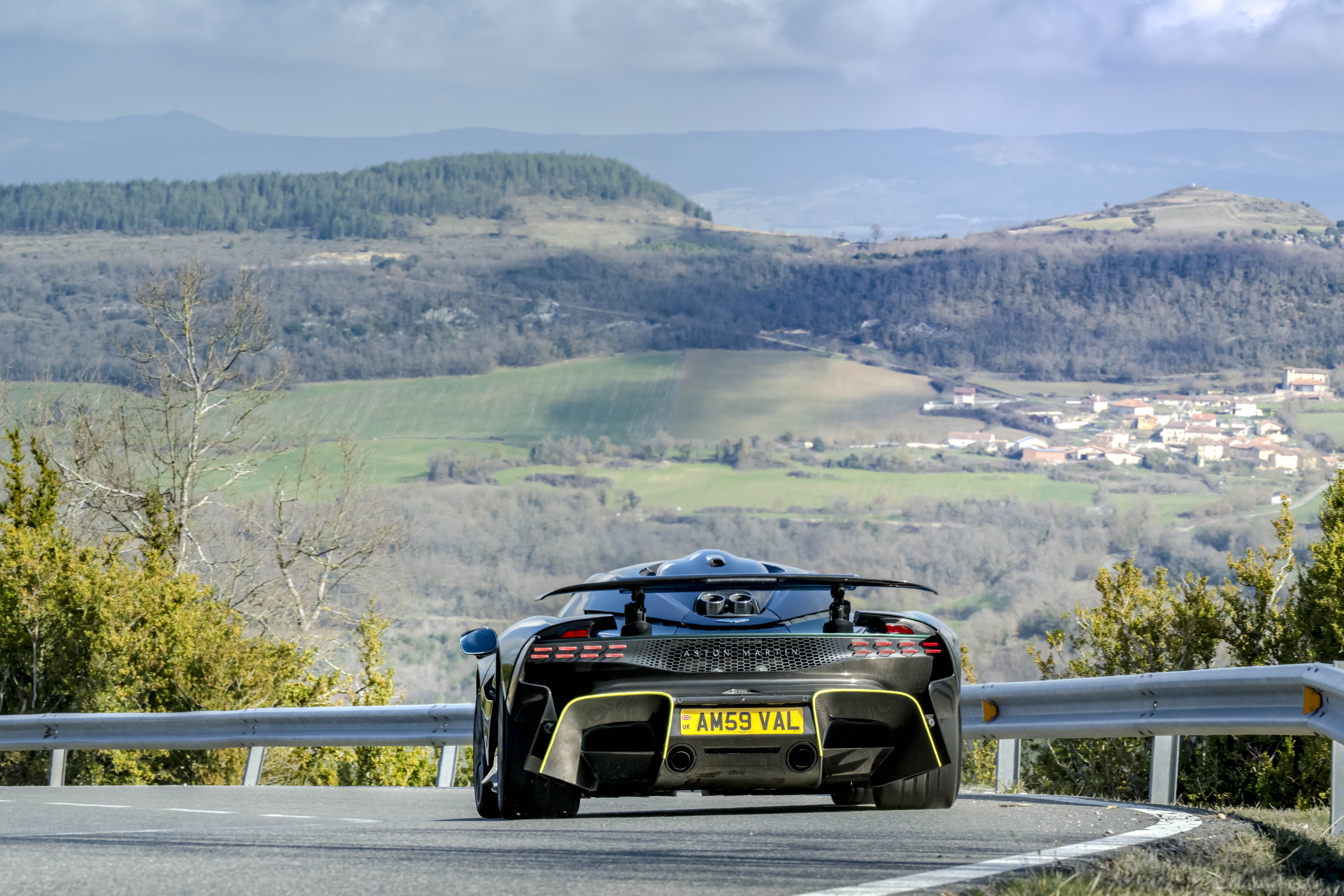
Aero deploys, suspension stiffens, and the car transforms into something far more focused. And frankly, it’s this breadth of ability that might be the Valhalla’s biggest strength.
As I eased into the throttle down pit lane at the technical Circuit Navarra in northern Spain, my greatest challenge was learning the track and its nuances in a couple of five-lap stints before the third and final solo stint, leash-free.
With the track learned and nobody riding shotgun, driving the Valhalla at full noise down the main straight while grabbing gears as fast as I could was visceral overload.
It’s beyond rock-solid in the corners and while I felt like I was totally at one with the car and track, I still felt like I was extracting barely at 50 per cent of the Valhalla’s turning and braking capabilities.
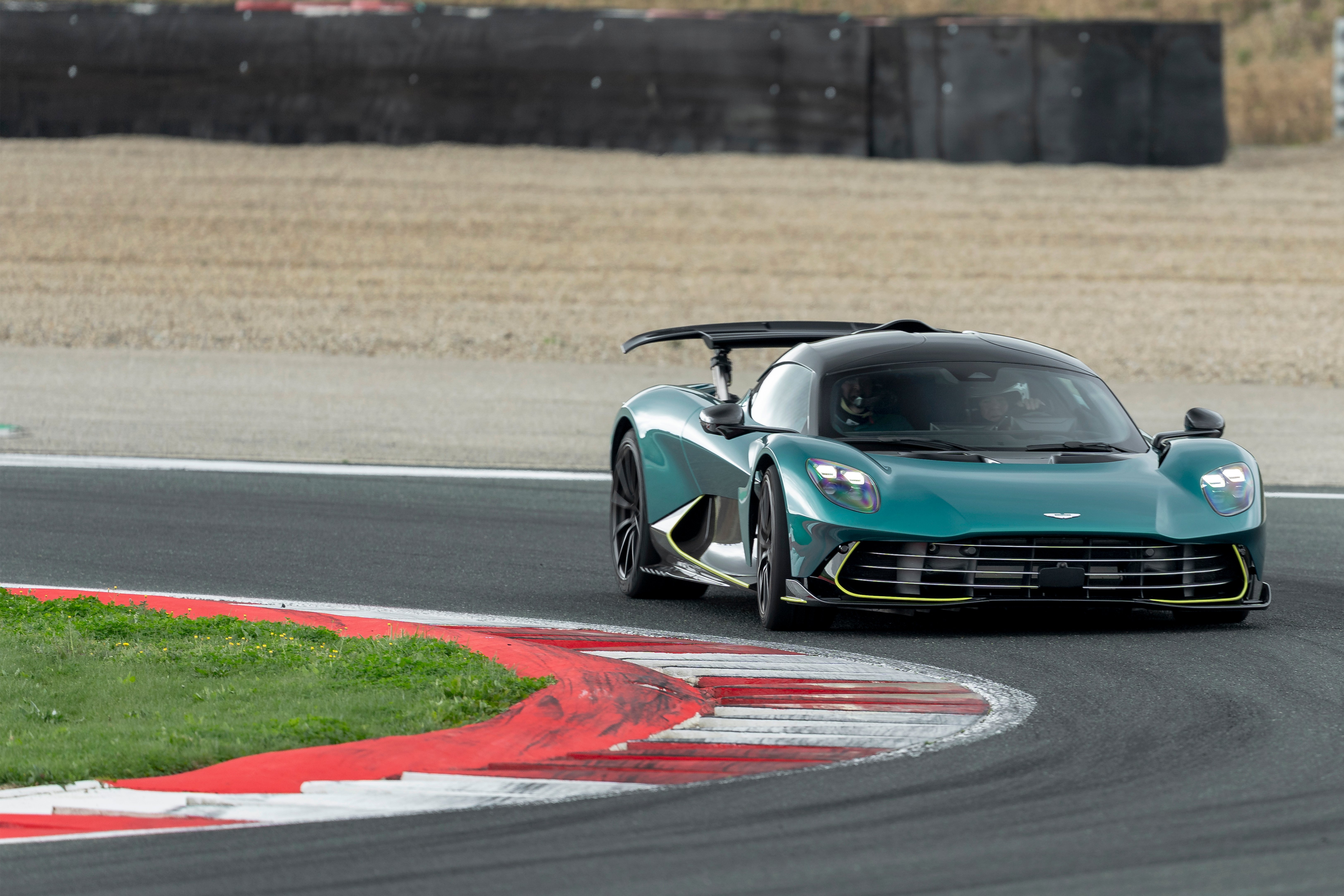
Never before have I felt this at ease in something so blindingly quick and accomplished. I felt like a Le Mans racer, getting quicker and quicker each time I completed a lap. Astonishing.
But the real question is… is it still an Aston? Because that’s what this all comes down to.
With this level of performance, this much technology, and this much F1 influence, there’s always a risk that a car lacks the character that makes it special.
This is still a car designed to be driven, enjoyed, and experienced, not just measured. It’s not chasing numbers for the sake of it. It delivers driver engagement more than anything else, and in those terms it has more than nailed the brief.
Just 999 examples will be built and production is already underway, but demand is expected to be strong – along with the level of customisation available through Q by Aston Martin.
But beyond the numbers, the Valhalla represents something much bigger. It’s a statement that sets a new dynamic baseline for Aston Martin’s future road cars.
A statement that Aston Martin isn’t just playing in the ultra-luxury space anymore – it’s coming for the very best in the performance world as well. Epic.
What do you get?
Rather than bells and whistles, you can’t talk about the Valhalla without talking about the aerodynamics.
Because this isn’t just styling – it’s functional, F1-inspired engineering at the highest level, and yet somehow it all just works to make this utterly extreme looking car a total breeze to drive, even for the first time.
In Race mode, the rear wing rises dramatically, the front aero elements come alive, and the car generates more than 600kg of downforce from 240km/h to 350km/h, while actively adjusting to maintain consistent aerodynamic balance.
It’s staggering, really, when we’re talking about a supercar that’s capable of mind-blowing on-track performance on the one hand, yet it’s so tractable and easy to manage on the road.
There’s also a DRS function to reduce drag and an air brake that deploys under heavy braking. So while it looks spectacular, every surface, every duct, and every vent has a job to do.
Half the aero systems are hidden under or behind other components. For instance, the front active aero sports a sizeable inverted wing, but it sits behind no fewer than three radiators behind Aston’s iconic grille.
At its heart is a carbon-fibre monocoque chassis, engineered with input from Aston Martin Performance Technologies – the same people tied to the brand’s F1 efforts.
It’s light, stiff, and forms the backbone of a chassis designed to deliver both track capability and road usability. And, miraculously, it delivers on both counts.
The front suspension uses a pushrod setup – again, straight out of motorsport to keep the front-end impossibly low, providing brilliant all-round vision for the driver and front passenger – while the rear features a multi-link arrangement, with adaptive dampers all round.
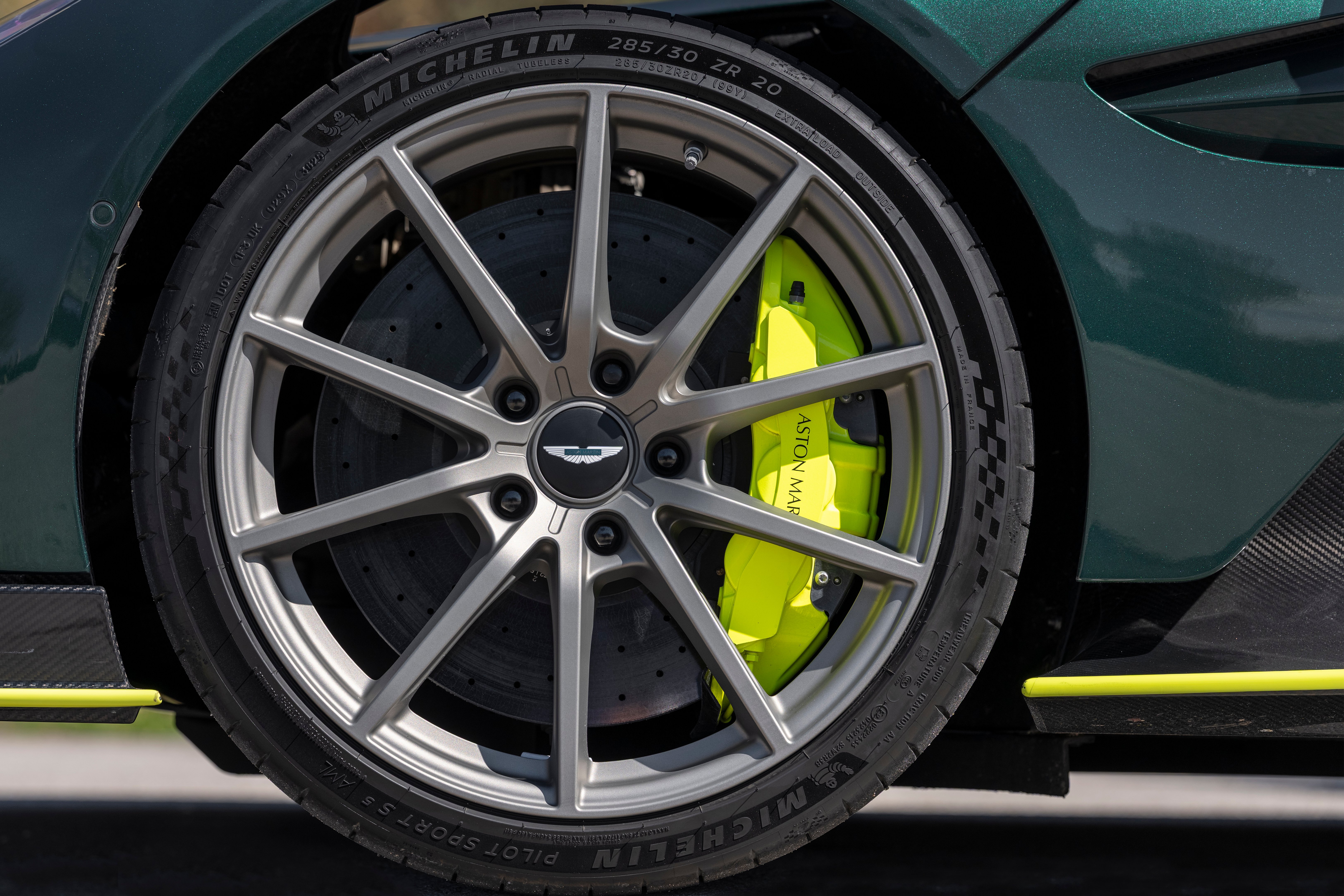
The carbon-ceramic brake rotors (410mm up front, 390mm down back) are the largest ever fitted to an Aston and sit behind massive wheels, delivering herculean stopping power to match the performance.
Crucially, everything has been tuned not just for outright speed, but equally for feel. That’s a word Aston keeps coming back to with Valhalla.
Is the Aston Martin Valhalla safe?
The Valhalla is yet to be independently crash-tested by Euro NCAP, let alone ANCAP, but its rigid carbon tub is almost certain to provide first-class occupant safety.
How much does the Aston Martin Valhalla cost to run?
Servicing details for the Valhalla are yet to be revealed, but Aston Martin Australia currently offers a three-year, unlimited-kilometre new vehicle warranty including 24/7 roadside assistance.
Extended warranties under the brand’s Pinnacle program are available for aftersales coverage beyond that.
CarExpert’s Take on the Aston Martin Valhalla
The Aston Martin Valhalla feels like a line in the sand.
It’s a car that takes everything the British brand has learned – from the Valkyrie, from Formula 1, and from decades of building beautiful GT cars – and channels it into something sharper, more aggressive, and more technically advanced than anything that’s come before it.
It looks like a hypercar. It performs like a hypercar. But, crucially, it’s still a useable road car.
In a massive win, Aston Martin has nailed that balance, making the Valhalla nothing less than the company’s most important car in decades – and perhaps its best ever – as well as a blueprint for the brand going forward.
Click the images for the full gallery
MORE: Explore the Aston Martin showroom