











Hyundai Australia is standing by internal combustion engines, even with ever-tightening emissions caps under the Federal Government’s New Vehicle Emissions Standard (NVES) applying pressure.
Speaking with CarExpert at the launch of the all-new Elexio electric SUV, Hyundai Australia chief operating officer Gavin Donaldson said “we won’t remove ICE out of [our range]” anytime soon.
“ICE is still going to play an important part of our product portfolio. We just see we have greater opportunity to sell more hybrids. We’re also transitioning to where the demand is,” Mr Donaldson said of Hyundai’s strategic focus on hybrids (HEVs) for the short-term.
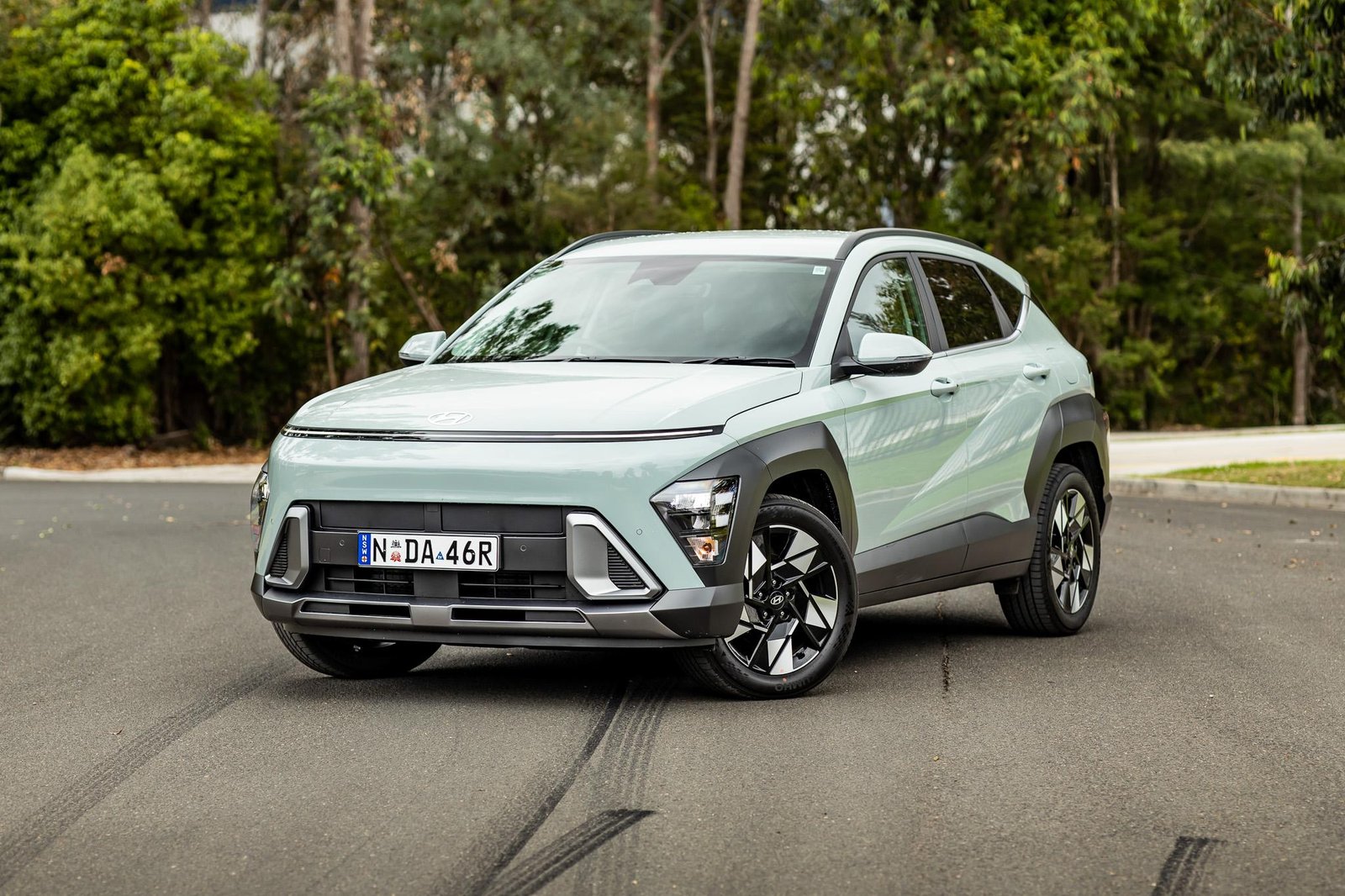
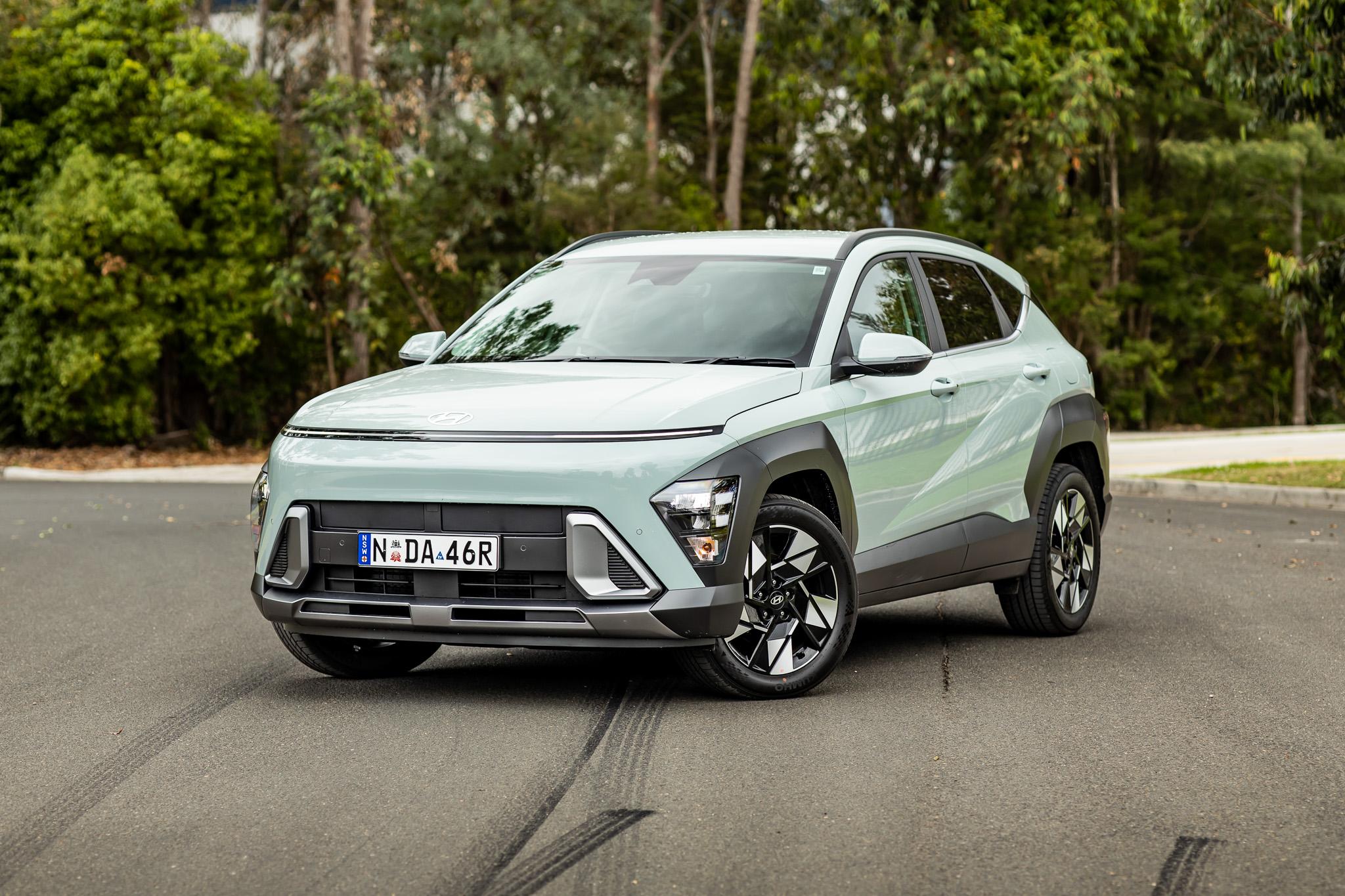
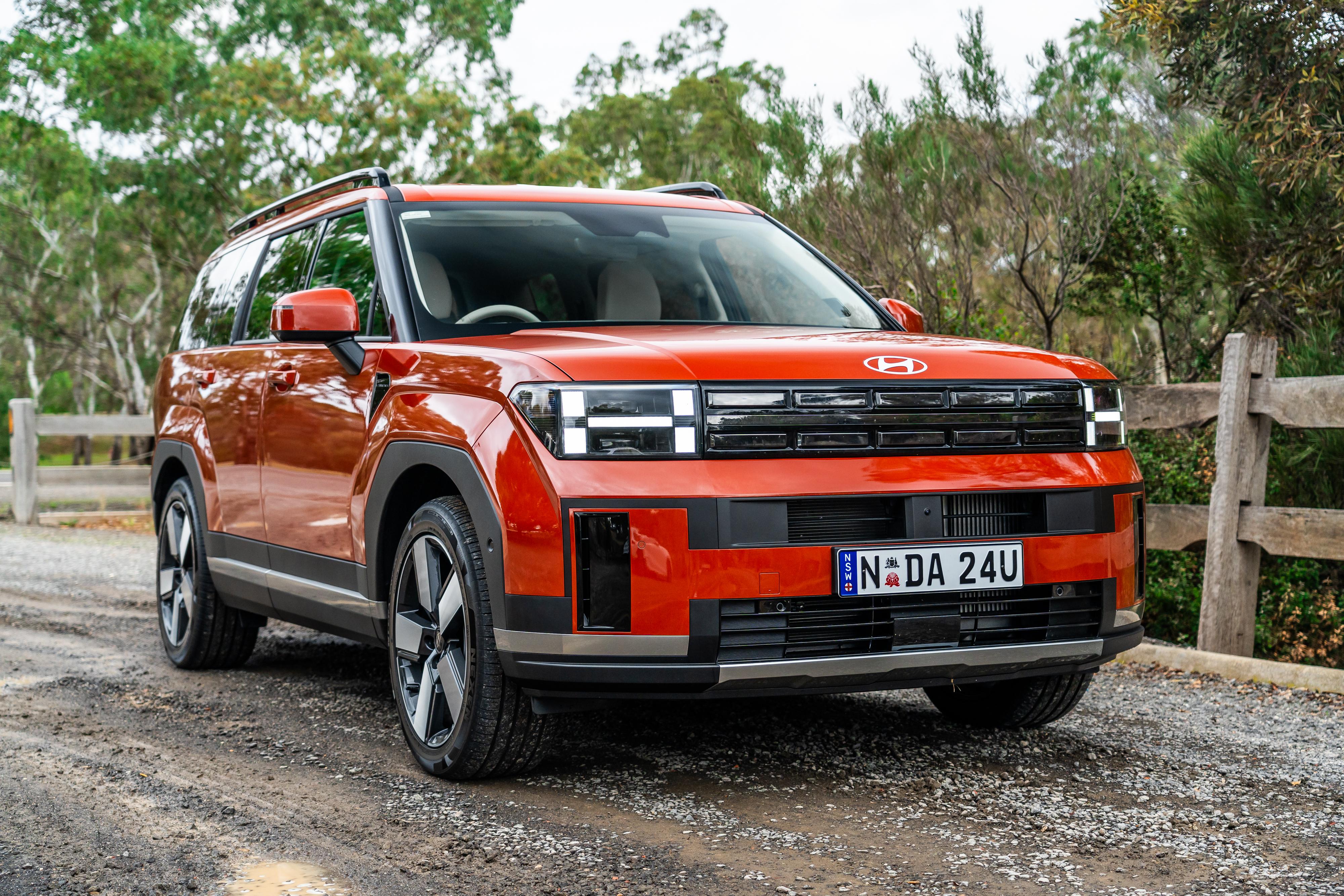
“We still have ICE available in Kona, Tucson and Santa Fe, but we’re seeing greater demand for hybrid,” he added.
CarExpert can save you thousands on a new car. Click here to get a great deal.
Mr Donaldson’s comments come after his media address at the Elexio launch confirmed the Korean brand’s plans to hone in on its hybrid products over the coming 12-18 months.
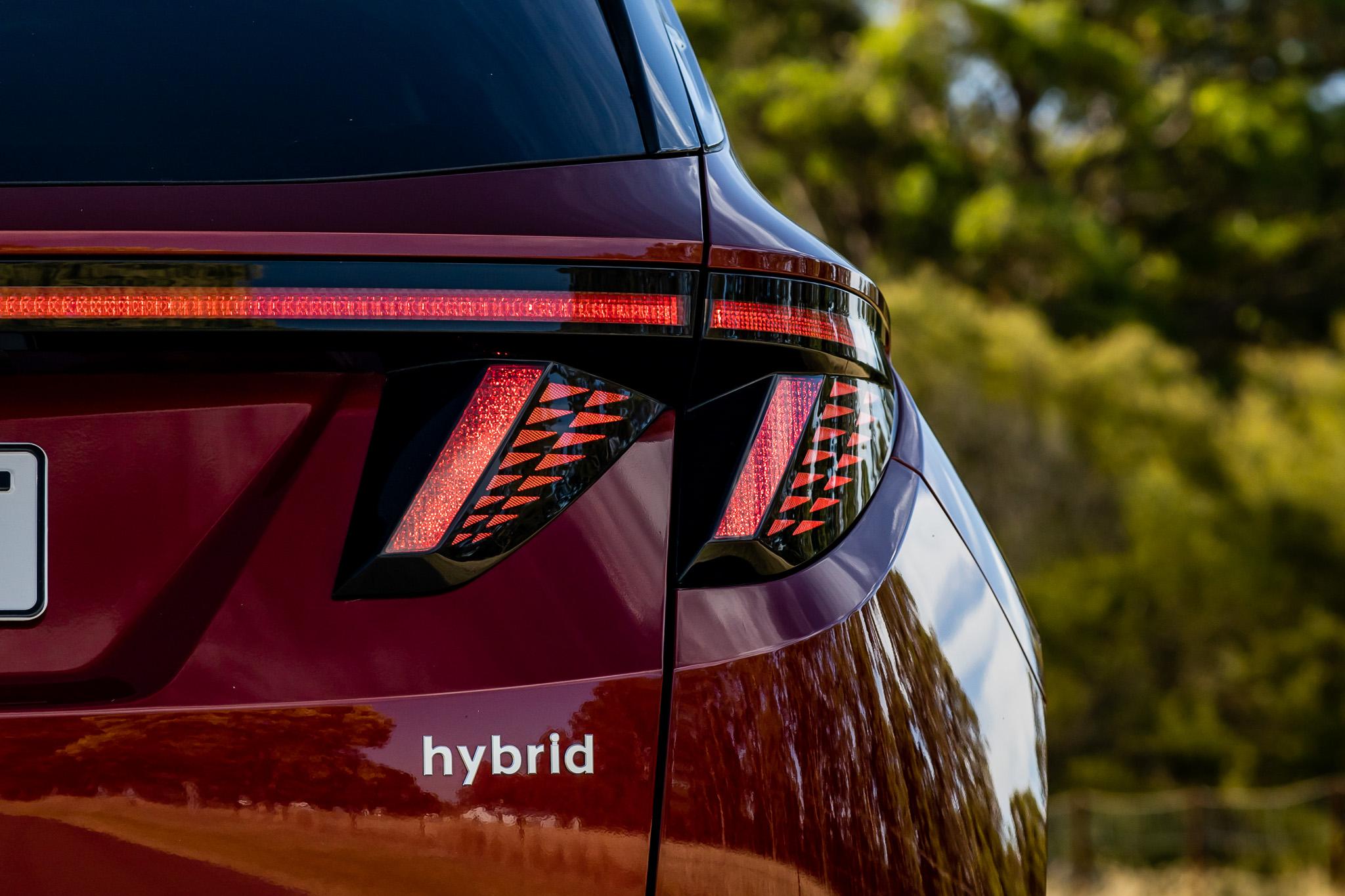
Hyundai’s hybrid sales as a whole were up 92.8 per cent in 2025 to 28,851 units, firmly placing the Korean brand in second place for HEV sales behind leading Toyota (115,953) and ahead of China’s GWM (11,198).
Leading the charge were the mid-size Tucson (10,556) and Kona (10,407) SUVs, with hybrid variants accounting for 52.4 and 45.7 per cent share of overall sales across each nameplate, respectively.
The Tucson and Kona were Australia’s fourth- and fifth-favourite hybrids on the sales charts in 2025, behind the Toyota RAV4, Corolla and Corolla Cross – which all moved to hybrid-only lineups in the last 18 months.
Hyundai’s larger Santa Fe managed 81.8 per cent hybrid share at 5125 units for the year, and was the next non-Toyota model in the Top 10 best-selling hybrids.
Earlier this week, the Australian Government released the first results under its New Vehicle Efficiency Standard (NVES), with around two-thirds of brands beating their emissions targets.
Type 1 vehicles (passenger cars and SUVs) had a headline limit of 141g/km of carbon dioxide (CO2) emissions for 2025, with Type 2 vehicles – including utes, vans, and large off-road SUVs like the Ford Everest – having a headline limit of 210g/km.
Hyundai Motor Company posted an ‘interim emissions value’ of 84,563 units, meaning it’ll need to trade credit units with another company by December 31, 2027 or risk a penalty in February 2028 of $50 multiplied by their final emissions value.
Mr Donaldson attributed the company’s NVES performance to its popular N Division high-performance products, which apart from the electric Ioniq 5 N are powered by high-performance, high-emitting petrol engines which post figures well above the headline CO2 caps.
Still, the Korean brand’s COO has committed to its halo performance products, indicating increased hybrid and EV sales are key to balancing out its NVES penalties.
MORE: Explore the Hyundai showroom